
Parents in Singapore navigating the vast array of newborn skincare options frequently ask whether popular brands like Aveeno Baby are safe for their little ones and if they carry official approval from the Health Sciences Authority (HSA). To make an informed decision, you must first understand that the HSA does not formally “approve” cosmetic products, including baby washes, shampoos, and lotions. Instead, these items are subject to a pre-market notification process where the primary responsibility for safety lies with the manufacturer and local importer. While Aveeno Baby products are widely recognized for their gentle, oat-based formulations, determining whether they are safe for your specific newborn requires a closer look at their ingredient lists, your baby’s unique skin barrier, and proper application methods.
Newborn skin is highly delicate and undergoes rapid physiological changes during the first few weeks of life. What works perfectly for an older infant or toddler might trigger irritation or allergic reactions on a newborn’s highly permeable skin. By understanding Singapore’s regulatory standards and learning how to evaluate skincare formulations, you can confidently choose the right products and introduce them safely into your baby’s daily routine.
How HSA Regulates Baby Bathing Products in Singapore
In Singapore, baby washes, shampoos, bubble baths, and moisturising lotions are classified as cosmetic products. Under the Health Products Act and the Health Products (Cosmetic Products – ASEAN Cosmetic Directive) Regulations administered by the HSA, cosmetic products do not undergo the rigorous pre-market scientific evaluation or formal registration required for prescription medicines or medical devices. Consequently, there is no such thing as an “HSA-approved” baby wash or lotion, and any marketing claims suggesting official approval are incorrect.
Products mentioned in this guide
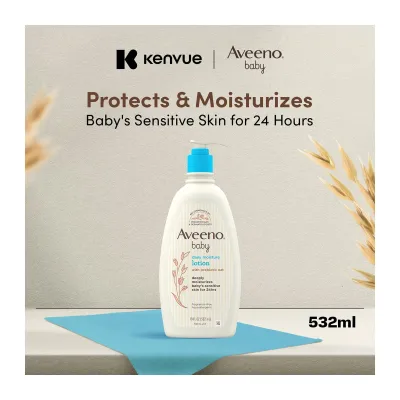
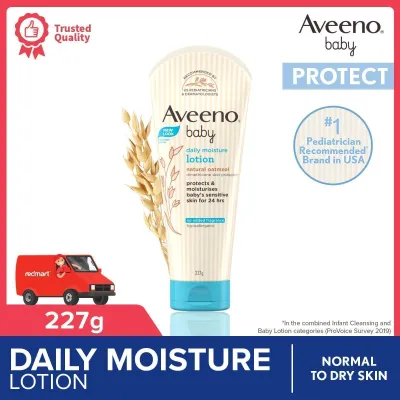
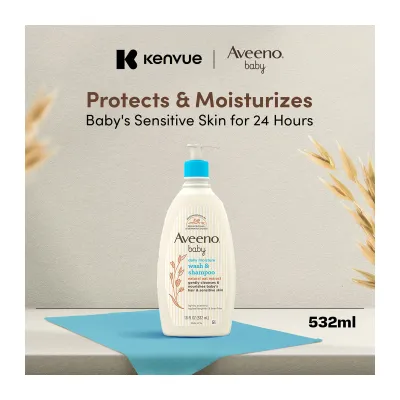
![[Bundle of 3] Aveeno Baby Body Daily Moisturizing and Shampoo 354ml](https://img.lazcdn.com/g/p/3280cf1352b35f9b787efebe429146c0.jpg_400x400q80.jpg_.webp)
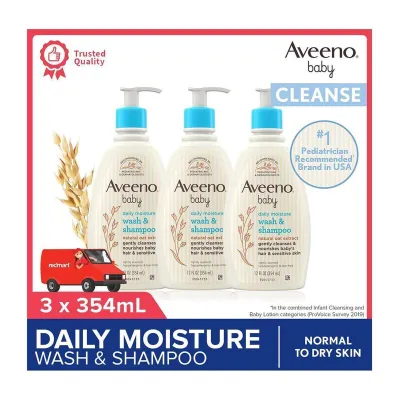
![[SG l Bundle of 2] Aveeno Baby Daily Moisture Gentle Body Wash & Shampoo 532ml](https://img.lazcdn.com/g/p/704db4f7f16e3716d3f0652bfbf94c2d.jpg_400x400q80.jpg_.webp)
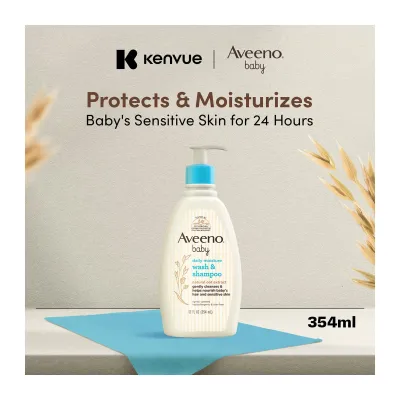
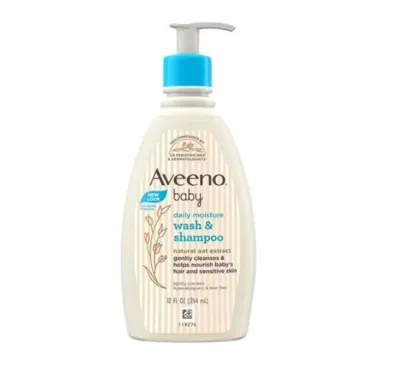
Prices are valid at publication and may change. Please refer to the product page for the latest price.
Instead of formal approval, local importers, distributors, or manufacturers must submit a cosmetic product notification to the HSA before placing any product on the Singapore market. This notification is an administrative declaration confirming that the product complies with the safety guidelines of the ASEAN Cosmetic Directive and does not contain any prohibited substances. The company filing the notification holds full legal responsibility for the safety, quality, and regulatory compliance of the product, while the HSA focuses its resources on post-market surveillance.
Under its post-market surveillance framework, the HSA monitors the safety of cosmetics already available on retail shelves. The authority conducts random product sampling, performs laboratory testing for undeclared harmful substances or microbial contamination, and reviews adverse reaction reports submitted by healthcare professionals and consumers. If a product is found to cause adverse reactions or violate safety standards, the HSA has the authority to order recalls, issue public alerts, and mandate the immediate withdrawal of the product from sale.
Parents can easily verify whether a specific baby product has been properly notified with the local authorities. The HSA maintains an online, public-facing Cosmetic Product Notification database where you can search for a product by its brand name, product name, or the name of the local notifying company. Verifying a product in this database ensures that a local representative has taken legal responsibility for its safety and that the product has entered Singapore through legitimate, regulated distribution channels.
When purchasing baby bathing products, always examine the packaging for essential label elements required by the ASEAN Cosmetic Directive. A compliant label must clearly display the full ingredient list using International Nomenclature of Cosmetic Ingredients (INCI) names, the country of manufacture, the batch number, the expiry date or Period After Opening (PAO) symbol, and the contact details of the local importer or distributor in Singapore. If a product lacks English labeling or does not list a local distributor, it may be an unauthorized parallel import that has bypassed regulatory notification and quality control channels.
Assessing Aveeno Baby Ingredients for Newborn Skin
To evaluate whether Aveeno Baby products are suitable for your newborn, it is helpful to understand the unique biology of newborn skin. During the first month of life, a newborn’s skin barrier is still developing. The stratum corneum, which is the outermost layer of the skin, is up to 30% thinner than adult skin, making it highly permeable and prone to rapid transepidermal water loss. Additionally, the protective acid mantle—a fine, slightly acidic film on the skin’s surface that defends against pathogens—takes several weeks to fully establish, leaving newborn skin highly susceptible to chemical irritants and environmental allergens.

Many Aveeno Baby formulations center around colloidal oatmeal (listed as Avena sativa kernel flour), an ingredient widely recognized for its skin-soothing properties. Colloidal oatmeal contains a complex mixture of proteins, lipids, and beta-glucans that help bind moisture to the skin, form a temporary protective barrier, and soothe minor dryness. The brand also commonly highlights “tear-free” formulations for its cleansers, which utilize mild, non-ionic surfactants designed to cleanse without stripping the skin’s natural oils or irritating the delicate ocular membranes of an infant.
However, the Aveeno Baby product range is diverse, and not all formulations are identical. The brand offers both fragranced lines (such as the Daily Moisture or Calming Comfort ranges) and strictly fragrance-free lines (such as the Dermexa or Soothing Hydration ranges). Paediatric dermatologists in Singapore and globally strongly recommend using only fragrance-free products on newborns. Synthetic fragrances and even natural essential oils are among the most common triggers for allergic contact dermatitis and can easily sensitize a newborn’s fragile skin barrier.
It is also important to recognize that “natural” or plant-derived ingredients are not inherently risk-free. While colloidal oatmeal is highly beneficial for the vast majority of infants, oat proteins can occasionally trigger localized contact sensitivity or allergic reactions, particularly in infants with severely compromised skin barriers or a family history of atopic conditions. Parents must remain vigilant and understand that any botanical ingredient has the potential to cause a reaction, making careful observation essential when introducing any new product.
Before applying any skincare product to your newborn, always check the specific product documentation, packaging, and manufacturer warnings. Suitability cannot be inferred solely from a brand name or a generic “baby” label. Ensure the product is explicitly formulated for infants, check for age-specific recommendations, and verify that the formulation aligns with your paediatrician’s advice for your baby’s specific skin type.
How to Safely Introduce New Bathing Products to Your Newborn
During the first two to four weeks of a newborn’s life, general paediatric guidelines suggest bathing your baby using only plain, lukewarm water. At this early stage, soap, cleansers, and lotions are rarely necessary unless there is significant soilage in the diaper area. Plain water baths allow the newborn’s skin barrier to adjust to the dry extrauterine environment without the interference of external chemicals, minimizing the risk of early-onset contact dermatitis.
When you decide to introduce a cleansing wash or moisturizing lotion, such as an Aveeno Baby product, always perform a home patch test first. To conduct a patch test, apply a tiny, pea-sized amount of the product to a small, clean area of your baby’s skin where they cannot easily rub it into their eyes or mouth—the inner arm or behind the ear are ideal locations. Leave the product on the skin and observe the area closely over a 24-to-48-hour period, keeping the area dry and free from other topical applications.
During the observation period, monitor the test site under natural light for any signs of an adverse reaction. Key indicators of skin irritation or an allergic response include localized redness, small raised bumps, dry or peeling skin, hives, or signs of physical discomfort, such as your baby trying to scratch the area or showing unusual fussiness. If you observe any of these symptoms, wash the area immediately with cool water, discontinue the product, and do not apply it to any other part of your baby’s body.
If the patch test is successful and no reaction occurs, you can gradually introduce the product into your baby’s bath routine. When using a baby wash, use only a minimal amount; a single small pump or drop is usually sufficient. You can dilute the wash directly in the warm bathwater rather than applying it directly to the skin, which helps minimize localized concentration and reduces the risk of drying out the skin.
Keep newborn baths brief, lasting no longer than 5 to 10 minutes, as prolonged exposure to water can strip the skin of its natural lipids. Ensure you thoroughly rinse all soap residue from your baby’s skin, paying close attention to the delicate skin folds around the neck, thighs, and diaper area where trapped soap can quickly cause chafing. After the bath, gently pat the skin dry with a soft, clean cotton towel rather than rubbing, and immediately apply a fragrance-free moisturizer if your baby’s skin is prone to dryness.
When to Stop Use and Consult a Paediatrician
It is vital for parents to distinguish between mild, temporary skin dryness and persistent inflammatory skin conditions that require professional medical intervention. Mild dryness or slight, transient redness often resolves quickly once you stop using a particular product and return to plain water baths. However, attempting to self-treat persistent rashes by repeatedly switching between different commercial baby brands can further irritate the skin and delay proper medical care.
Stop using all commercial bathing products and lotions immediately, and seek prompt medical advice from a paediatrician or a general practitioner if you observe any of the following red-flag symptoms:
- Weeping or oozing skin: Yellowish crusts, fluid-filled blisters, or weeping patches, which are common signs of a secondary bacterial infection.
- Rapidly spreading rashes: Redness, hives, or rough patches that spread quickly across multiple areas of the body or are accompanied by a fever.
- Severe swelling or heat: Skin that appears significantly swollen, feels unusually hot to the touch, or causes visible distress to your baby.
- Inconsolable fussiness: Signs that the skin condition is causing severe itching or pain, disrupting your newborn's sleep, feeding, or daily comfort.
In Singapore, parents can access specialized paediatric dermatological care through local polyclinics, private paediatric clinics, or dedicated children’s departments at public hospitals such as KK Women’s and Children’s Hospital (KKH) and National University Hospital (NUH). If your newborn has a persistent rash, infantile eczema, or cradle cap, consult a qualified healthcare professional. They can provide an accurate diagnosis, prescribe medical-grade emollients or targeted topical treatments, and help you establish a safe, medically supervised skincare regimen.
Frequently Asked Questions (FAQ)
Can I use Aveeno Baby Daily Moisture Lotion on a newborn's face?
Facial skin is thinner, more sensitive, and has a higher density of sebaceous glands compared to the skin on the rest of the body. Before applying any lotion to your newborn’s face, check the product label to ensure it is explicitly designated as fragrance-free and non-comedogenic, meaning it will not clog delicate pores. If your newborn is experiencing common infant facial conditions such as neonatal acne, milia, or cradle cap, avoid applying heavy moisturizers to these areas. These conditions are typically self-limiting and can be aggravated by thick lotions; always consult your paediatrician before applying skincare products to active facial rashes.
Does Aveeno Baby wash help with infantile eczema?
Aveeno Baby washes formulated with colloidal oatmeal can help soothe dry, itchy skin and support the skin’s moisture barrier, making them helpful supportive options for daily hygiene. However, these cosmetic washes are not medical treatments and cannot cure or resolve infantile eczema. If your baby has been diagnosed with eczema, you must follow the specific medical regimen prescribed by your doctor, which often includes medical-grade barrier creams, topical treatments for flare-ups, and specialized bathing instructions that differ from standard commercial baby care.
Where can I buy authentic Aveeno Baby products in Singapore?
To ensure you are purchasing authentic, properly stored, and non-expired Aveeno Baby products, buy them from established physical and online pharmacies (such as Guardian, Watsons, or Unity), official brand stores, or reputable major supermarkets in Singapore. Avoid purchasing baby skincare products from unverified third-party sellers on e-commerce platforms or online marketplaces. Products sold through unauthorized channels may be parallel imports that have been stored in high-temperature or high-humidity warehouses, which can degrade the preservatives and active ingredients, increasing the risk of contamination and skin irritation for your newborn.
Community discussion
Share your experience or ask a question. Comments are reviewed before publication.