
When shopping for baby skincare products in Singapore, parents naturally prioritize safety, purity, and regulatory compliance. If you are considering Atopalm shampoo for your little one, you might be wondering if it is certified by Singapore’s Health Sciences Authority (HSA) and whether it is safe for infant skin.
In Singapore, baby shampoos and washes are regulated as cosmetic products rather than therapeutic medicines. This means they do not receive an official “HSA-certified” seal, approval stamp, or registration number before they are sold. Instead, importers and local distributors must submit a cosmetic product notification to the HSA before putting the product on the market. This notification indicates that the company has declared compliance with Singapore’s regulatory standards, including the ASEAN Cosmetic Directive.
To ensure your baby’s safety, you can easily verify the notification status of any Atopalm shampoo variant on the official HSA website. Beyond regulatory status, verifying the safety of a baby shampoo requires looking closely at its specific ingredients, pH levels, and suitability for your child’s developmental stage.
Products mentioned in this guide
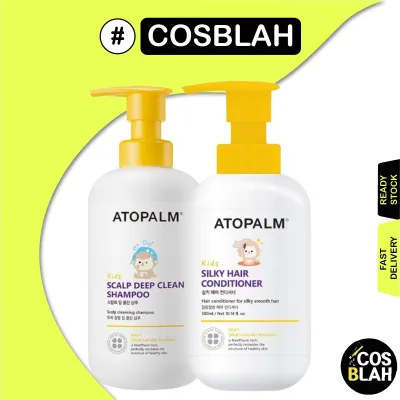
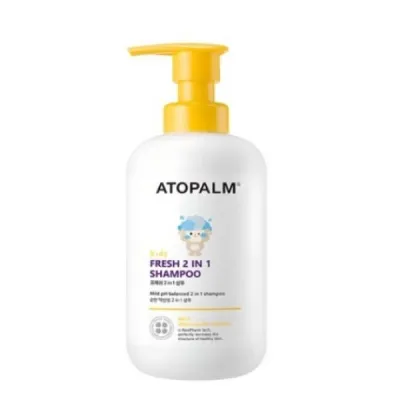
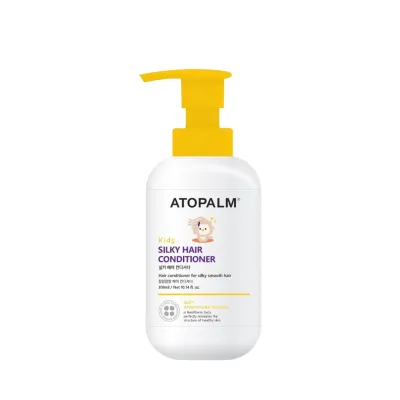
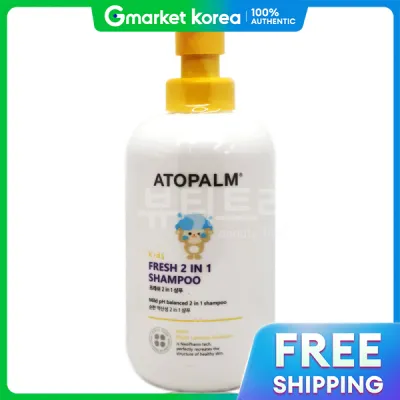
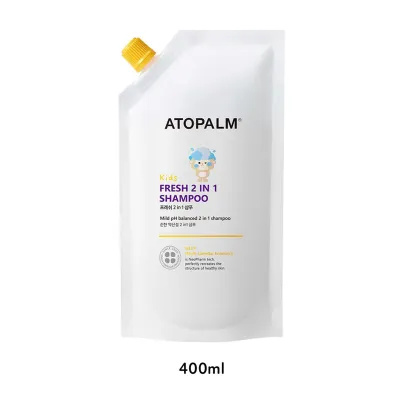
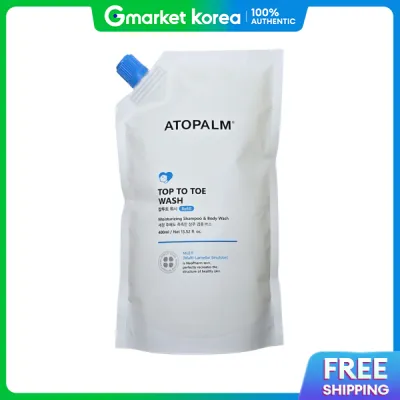
Prices are valid at publication and may change. Please refer to the product page for the latest price.
How HSA Regulates Baby Bathing Products in Singapore
To make informed decisions, it is essential to understand how the Health Sciences Authority (HSA) oversees baby bathing products. Many consumers confuse cosmetic notifications with therapeutic product registrations. Therapeutic products, such as prescription medicines or medical devices, undergo a rigorous pre-market evaluation by the HSA to assess their efficacy and safety before they are granted registration.
In contrast, baby shampoos, body washes, and lotions fall under the category of cosmetic products. For these items, Singapore aligns with the ASEAN Cosmetic Directive (ACD). Under this framework, the HSA operates a post-market surveillance system coupled with a mandatory pre-market notification process. Before any cosmetic product can be legally sold in Singapore, the local importer or manufacturer must notify the HSA. This notification does not represent an endorsement or “certification” of safety by the HSA; rather, it is a formal declaration by the company that the product complies with all safety guidelines and contains permissible ingredients.
The ASEAN Cosmetic Directive enforces strict guidelines regarding what can go into baby care products. It maintains comprehensive lists of prohibited substances, restricted ingredients (which may only be used up to specific concentrations), and approved preservatives and colorants. Furthermore, the directive mandates clear labeling, which includes listing all ingredients in descending order of weight, detailing batch numbers, and highlighting potential allergens to protect consumers.
Because the HSA relies on post-market surveillance, they actively monitor the market for safety issues, conduct random product testing, and investigate adverse reaction reports. If a product is found to contain banned substances or cause harm, the HSA will issue public alerts and initiate product recalls.
Parents can take an active role in verifying the legitimacy of their baby products. To check if a specific Atopalm shampoo is legally notified in Singapore, follow these steps:
- Visit the official Health Sciences Authority (HSA) website.
- Locate the "Search Consumer Products" or "Cosmetic Product Notification" database.
- Enter "Atopalm" or the specific product name in the search field.
- Verify that the search results display an active notification status along with the registered local importer's details.
Evaluating Atopalm Shampoo for Infant Skin and Scalp
An active HSA notification confirms legal compliance, but evaluating whether a shampoo is right for your specific baby requires a close examination of the product label. Infant skin is significantly thinner and more permeable than adult skin, making it highly susceptible to irritation, dryness, and chemical absorption.

When evaluating any Atopalm shampoo, always start by checking the packaging for explicit age recommendations. Some formulations are specifically designed for newborns, while others are intended for older infants or toddlers. Manufacturer guidelines and age limits should always be followed, as baby skin needs change as they grow.
Additionally, look for labels indicating that the product is pH-balanced and “tear-free.” A newborn’s skin surface has a slightly acidic pH, typically between 4.5 and 5.5, which forms a protective barrier known as the acid mantle. Using highly alkaline soaps or shampoos can disrupt this barrier, leading to moisture loss and increased vulnerability to microbes. A pH-balanced shampoo helps maintain this natural acidity. Meanwhile, a “tear-free” formulation is designed to be exceptionally mild, reducing the likelihood of painful eye irritation during bath time.
Key Ingredients and Formulation Checks
Atopalm is a brand highly recognized for its focus on sensitive skin, particularly through its proprietary Multi-Lamellar Emulsion (MLE) technology. This technology uses plant-derived ingredients to mimic the natural lipid structure of the skin barrier. When reviewing the ingredient list on an Atopalm shampoo bottle, look for key moisturizing components such as ceramides, phytosterols, and natural oils. These ingredients help reinforce the scalp’s moisture barrier, which is especially beneficial for babies prone to dry patches or cradle cap.
Equally important is verifying what is not in the bottle. Traditional shampoos often rely on harsh surfactants like Sodium Lauryl Sulfate (SLS) or Sodium Laureth Sulfate (SLES) to create a thick lather. These surfactants can strip away the natural oils protecting your baby’s scalp. Instead, premium baby formulations utilize mild, plant-derived cleansing agents such as coco-glucoside, decyl glucoside, or lauryl glucoside.
Additionally, check the label to ensure the formulation is free from parabens, phthalates, artificial colorants, and formaldehyde-releasing preservatives. These chemicals are frequently excluded from modern baby care products due to their potential to cause skin irritation or allergic reactions in developing infants.
Fragrance and Allergen Considerations
Fragrances are among the most common triggers for pediatric contact dermatitis. Even if a product smells pleasant, synthetic fragrances often contain complex mixtures of chemicals that can easily irritate a baby’s delicate respiratory tract and skin. For this reason, pediatric dermatologists widely recommend choosing fragrance-free products for newborns and infants, particularly those with highly sensitive or eczema-prone skin.
When examining Atopalm shampoo variants, distinguish between “unscented” and “fragrance-free” labels. “Fragrance-free” means no fragrance chemicals or masking scents have been added to the product. “Unscented” products may still contain chemicals used to neutralize the natural odors of other ingredients.
Furthermore, be cautious with natural fragrances, such as essential oils or botanical extracts (like lavender, citrus, or tea tree oils). While these are plant-derived, they contain natural allergens that can still trigger allergic contact dermatitis in sensitive infants. Carefully read the full ingredient list of the specific Atopalm shampoo variant you plan to purchase to ensure it matches your baby’s unique skin tolerance.
Safe Usage Guidelines and When to Discontinue
Even when using a mild, notified baby shampoo, practicing safe bathing habits is crucial to protecting your infant’s skin and overall well-being. Always prioritize safety and supervision during bath time.
To ensure a safe bath, keep the water lukewarm—ideally between 37°C and 38°C. You can check the temperature using a bath thermometer or the inside of your wrist. Use only a minimal, pea-sized amount of shampoo. Gently massage the shampoo onto your baby’s wet scalp using the pads of your fingers, taking care not to scrub roughly or use your fingernails. When rinsing, cup your hand over your baby’s forehead to prevent water and soapy runoff from flowing directly into their eyes, and rinse the hair thoroughly with clean water to ensure no residue remains.
Before introducing any new Atopalm shampoo to your baby’s routine, it is highly recommended to perform a simple patch test. This is particularly important if your baby has a history of sensitive skin or allergies.
To conduct a patch test, follow these steps:
- Dilute a tiny drop of the shampoo with warm water.
- Apply a small amount to a discreet area of your baby's skin, such as the inner arm or behind the ear.
- Leave it on for a few minutes during their regular bath, then rinse it off completely.
- Monitor the area closely over the next 24 to 48 hours for any signs of reaction.
If you observe any adverse reactions, you must stop using the product immediately. Clear indicators that a shampoo is not suitable for your baby include:
- Redness or localized flushing on the scalp or skin
- The appearance of a rash, bumps, or hives
- Excessive dryness, peeling, or scaling of the skin
- Persistent scratching, indicating itchiness
- Signs of physical discomfort, such as crying or fussing during or shortly after the bath
Always check the specific product label and the manufacturer’s instructions before use. If your baby has an underlying skin condition, or if any skin irritation persists after you stop using the product, consult a qualified pediatrician or dermatologist. This guide is for educational purposes and should not replace professional medical diagnosis, advice, or treatment.
Frequently Asked Questions (FAQ)
Can I use Atopalm shampoo on a newborn with eczema?
Before introducing any new product to a newborn with diagnosed eczema, you should consult a pediatrician or pediatric dermatologist. Newborn skin is exceptionally thin, and eczema-prone skin has a compromised barrier that reacts easily to external triggers. While Atopalm is formulated to support the skin barrier and target dry, sensitive skin, individual triggers vary. A medical professional can provide a personalized skincare plan and recommend specific, clinically tested cleansers suitable for your newborn’s condition.
How do I report an adverse reaction to a baby shampoo in Singapore?
If your baby experiences an adverse reaction, such as a severe rash, swelling, or chemical burns from a baby shampoo, you can report the incident to the Health Sciences Authority (HSA). Consumers can submit feedback regarding safety concerns or adverse events associated with cosmetic products directly through the official HSA online portal. Providing detailed information, including the product name, batch number, place of purchase, and photos of the reaction, helps the HSA investigate the issue and protect other consumers.
Is it necessary to use shampoo on a baby every day?
No, it is generally unnecessary to shampoo an infant’s hair daily. Over-washing can strip the natural sebum from the scalp, leading to dry skin, irritation, or cradle cap. Standard pediatric guidelines suggest washing a baby’s hair with a mild shampoo only two to three times a week. On other days, rinsing the scalp with plain, lukewarm water during their bath is sufficient to keep them clean, unless they have become visibly soiled or sweaty.
Community discussion
Share your experience or ask a question. Comments are reviewed before publication.