
When you begin introducing solid foods to your baby, the sheer volume of choices can feel overwhelming. Among the most common dilemmas parents face is whether to commit to an exclusively organic diet. You want to give your child the best possible start, and marketing campaigns often suggest that only organic options can guarantee safety and optimal health.
However, the short answer is that an exclusively organic diet is not a strict nutritional requirement for your baby’s growth and development. While organic foods can reduce exposure to synthetic pesticides, conventional foods offer the same essential vitamins, minerals, and macronutrients. A balanced, diverse diet that combines both conventional and organic options is fully capable of supporting your baby’s health.
Before making major changes to your baby’s feeding plan, it is always wise to consult a pediatrician or a registered dietitian. They can help you navigate allergen introduction, monitor growth milestones, and ensure your baby receives a well-rounded diet tailored to their specific developmental needs.
Products mentioned in this guide
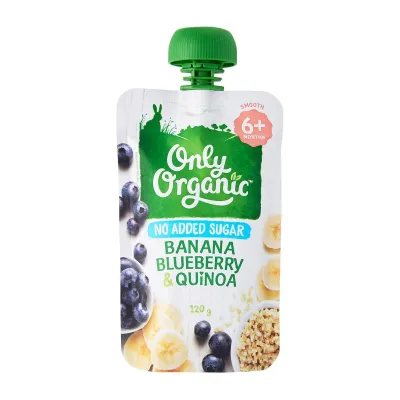
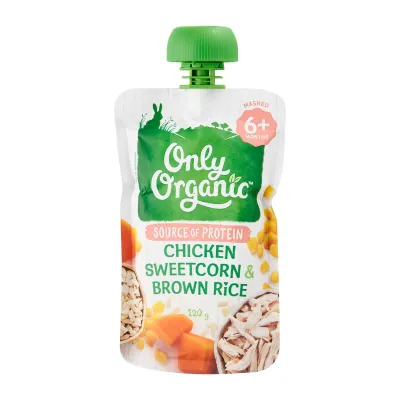
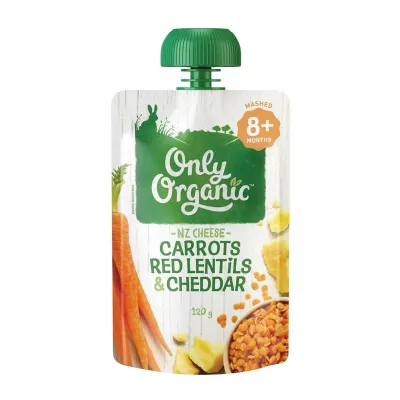
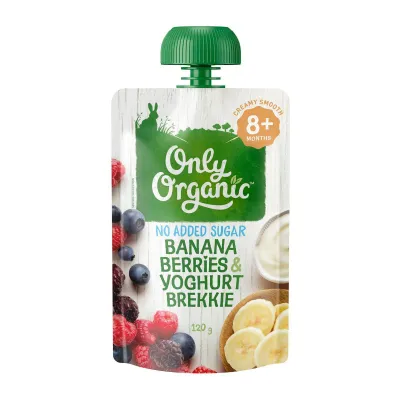
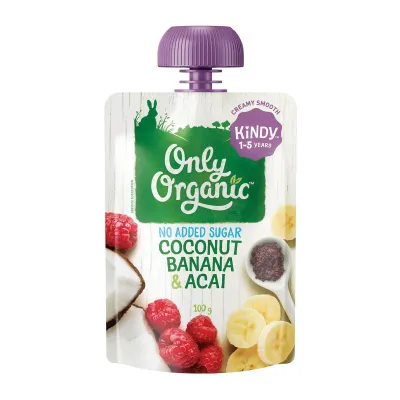
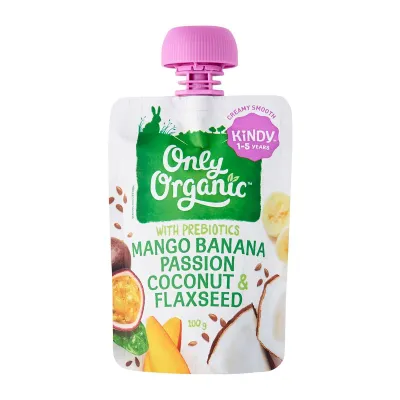
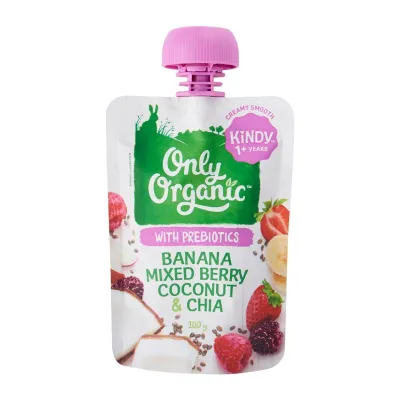
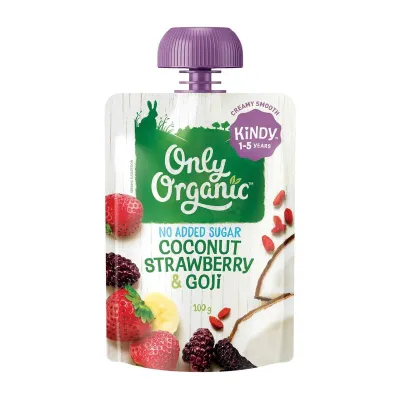
Prices are valid at publication and may change. Please refer to the product page for the latest price.
Quick Answer: Do You Need an Only Organic Baby Diet?
Choosing an exclusively organic diet for your baby is a personal preference rather than a medical necessity. From a nutritional standpoint, conventional fruits, vegetables, grains, and meats provide the exact same developmental benefits as their organic counterparts. Your baby’s body processes the iron in conventional spinach or the calcium in conventional yogurt in the same way it processes organic versions.
The primary difference lies in how the food is grown and processed, particularly regarding the use of synthetic pesticides and fertilizers. While minimizing exposure to these chemicals is a reasonable goal, it should not come at the expense of dietary variety. A baby who eats a wide range of conventional fruits and vegetables will generally be much healthier than a baby whose diet is restricted to just a few organic items due to cost or availability.
Ultimately, the foundation of infant nutrition is variety and balance. Introducing your baby to different textures, flavors, and nutrient profiles is what drives healthy development. If you choose to incorporate organic foods, doing so selectively can offer a practical middle ground that protects both your peace of mind and your household budget.
Nutritional and Practical Trade-Offs of Organic Baby Food
When weighing the decision to buy organic baby food, it helps to look closely at the nutritional realities. Multiple independent food safety and nutritional assessments indicate that organic and conventional crops are virtually identical in their vitamin and mineral content. An organic apple does not inherently contain more vitamin C than a conventional one; both provide the essential fiber and nutrients your baby needs.

Regardless of whether you choose organic or conventional packaged baby foods, reading the ingredient label is crucial. Many parents assume that an “organic” label automatically translates to a healthier product. However, organic packaged purees, snacks, and teething rusks can still contain high levels of added sugars, sodium, or calorie-dense fillers. Always check the nutrition facts panel to ensure you are offering wholesome ingredients rather than processed sugars.
On the agricultural side, organic farming relies on natural fertilizers and pest control methods rather than synthetic chemicals. While this reduces synthetic pesticide residues on the final product, it does not make the food sterile. Organic produce can still carry soil, natural pathogens, and organic pesticide residues. Thoroughly washing all fresh produce under running water is a non-negotiable safety step, regardless of how the crop was grown.
Practical constraints also play a major role in this decision. In Singapore, where a significant portion of fresh produce is imported, organic items often carry a premium price tag. Spending S$8 on a small punnet of organic berries compared to S$3 for conventional ones can quickly strain your monthly grocery budget. If strict adherence to an organic diet limits the amount or variety of fresh food you can afford to buy, it may inadvertently restrict your baby’s exposure to essential nutrients.
How to Decide: Is an All-Organic Approach Right for Your Family?
Deciding how to approach your baby’s diet requires a realistic assessment of your family’s resources and lifestyle. Budget and accessibility are the first factors to consider. If sourcing organic food requires traveling to specialty grocers or spending beyond your comfortable limits, a strict organic diet may not be sustainable. Your baby needs a consistent supply of fresh, nutrient-dense foods, and a stressed household budget can compromise the overall quality of the family’s meals.
Another critical factor is the balance between food variety and purity. During the first year of life, your baby’s palate is incredibly receptive to new tastes and textures. Restricting your purchases to only organic items might mean missing out on seasonal fruits, diverse grains, or specific proteins that are temporarily unavailable in organic forms. Prioritizing a wide variety of conventional foods is far better for your baby’s sensory and nutritional development than offering a repetitive selection of organic purees.
To make informed choices, developing strong label literacy is essential. Marketing terms can be highly misleading. Phrases like “natural,” “pure,” “farm-fresh,” or “wholesome” are often unregulated and do not mean a product is organic. To ensure you are actually buying organic, look for official certification seals on the packaging, such as the USDA Organic logo, the EU Organic leaf, or other recognized international certification marks.
Additionally, look past the front of the package and examine the ingredient list. The ingredients are listed in descending order by weight. If an organic fruit puree lists organic apple juice concentrate or organic cane sugar near the top, it may contain more sugar than a conventional puree made simply of whole fruits and water. True nutritional value lies in the simplicity and quality of the ingredients, not just the organic certification.
Building a Safe and Nutritious Mixed Diet for Your Baby
If you decide that an all-organic diet is not practical, a mixed feeding strategy is an excellent, highly manageable alternative. This approach allows you to prioritize organic purchases for specific items while comfortably buying conventional options for others. Many parents refer to international agricultural guidelines that identify which fruits and vegetables tend to retain the highest levels of pesticide residues, such as strawberries, spinach, and nectarines, and choose to buy those organic.
Conversely, crops with thick, protective outer skins generally have much lower pesticide residues on the edible portions. Items like avocados, bananas, pineapples, sweet potatoes, and papayas are excellent candidates for buying conventional. By focusing your organic budget on thin-skinned produce and opting for conventional choices for thick-skinned items, you can significantly reduce pesticide exposure without overspending.
For conventional produce, simple and effective kitchen preparation can further minimize any pesticide residues. Washing fruits and vegetables thoroughly under cold running water while rubbing them gently is highly effective. For firm produce like carrots or cucumbers, using a clean vegetable brush helps remove surface dirt. Peeling the skin off fruits and vegetables is another reliable way to eliminate surface residues, though it may remove some fiber.
In Singapore’s warm and humid tropical climate, proper food storage is also vital for safety. Organic grains, flours, and fresh produce do not contain synthetic preservatives, meaning they can spoil or attract pests more quickly than conventional items. Store your baby’s food in airtight glass containers and keep fresh produce in the refrigerator to prevent mold and maintain nutritional quality.
Ultimately, the overall quality of your baby’s diet is what matters most. Offering a colorful “rainbow” of foods—including green leafy vegetables, orange and yellow fruits, whole grains, and age-appropriate proteins like eggs, fish, and poultry—ensures they receive a complete spectrum of essential nutrients. A diverse, conventional diet will always outperform a limited, exclusively organic diet in supporting your baby’s long-term health and development.
Frequently Asked Questions (FAQ)
Are organic baby foods completely free from pesticides?
No, organic baby foods are not guaranteed to be completely free from pesticide residues. Organic farming standards permit the use of certain naturally derived pesticides, which can still leave residues on the crops. Additionally, trace amounts of synthetic pesticides can occasionally contaminate organic fields through wind drift or water runoff from neighboring conventional farms. To ensure the highest standards of compliance, look for products carrying reputable, official organic certification logos.
Should I buy organic meat and dairy for my baby?
Deciding whether to buy organic meat, poultry, and dairy depends on your personal preferences and budget. Organic livestock standards generally prohibit the use of antibiotics and synthetic growth hormones, and require animals to be fed organic feed. However, conventional meat and dairy products are also subject to strict local food safety regulations to ensure they are safe for consumption. If you choose conventional options, look for lean cuts of meat and check labels for any specific quality assurances.
Can I mix organic and conventional foods in the same meal?
Yes, mixing organic and conventional ingredients in the same meal is completely safe and highly practical. For example, you can easily combine organic spinach with conventional sweet potato and conventional chicken to create a balanced puree. The most important factors for your baby’s safety are practicing hygienic food preparation, washing all produce thoroughly, cooking meats to safe internal temperatures, and storing leftovers in airtight containers in the refrigerator.
Community discussion
Share your experience or ask a question. Comments are reviewed before publication.