
Keeping your little one safe from germs is a top priority for every parent, especially when you are out and about. However, when it comes to keeping tiny hands clean, relying on alcohol-based hand sanitisers is generally not recommended for babies and very young toddlers. While these products are highly convenient for adults, a baby’s developing body and sensitive skin require a completely different approach to hygiene.
The primary concern stems from how easily a baby’s skin absorbs topical substances, combined with their natural instinct to put their hands in their mouths. Because alcohol-based sanitisers contain high concentrations of ethanol or isopropyl alcohol, using them on infants can lead to accidental skin irritation or even systemic absorption. Understanding the specific risks and learning how to navigate daily hygiene safely will help you protect your child from both germs and chemical exposure.
Understanding Alcohol-Based Hand Sanitiser Safety for Babies
Pediatricians and health authorities generally advise against using alcohol-based hand sanitisers on infants. A baby’s skin is fundamentally different from adult skin; it is significantly thinner, more delicate, and has a less developed outer barrier. This means that any substance applied to their skin is absorbed much more rapidly and deeply into the underlying tissues.
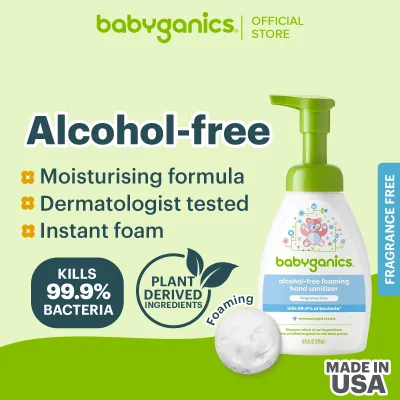
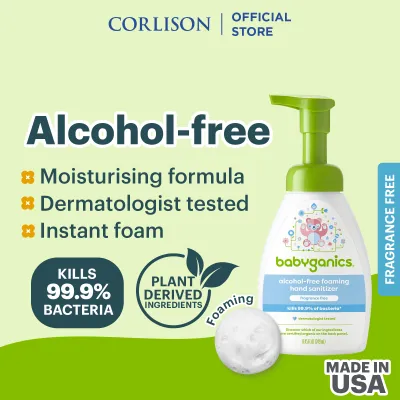
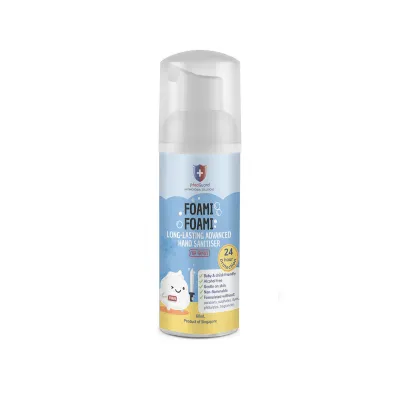
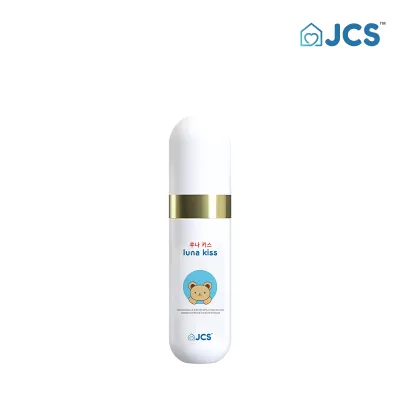
Products mentioned in this guide
![[Dual Pack] Luna Kiss 55ml Alcohol Free Sanitizer Deodorizer Disinfectant Travel Seat for baby wash hand wash handsoap](https://img.lazcdn.com/g/p/aab8ec81e36a360d37a3c0912d48f80a.jpg_400x400q80.jpg_.webp)
Prices are valid at publication and may change. Please refer to the product page for the latest price.
When you apply a high-concentration alcohol product to an infant’s hands, the alcohol evaporates quickly but can strip away the natural lipids that protect their skin. This rapid moisture loss often leads to severe dryness, flaking, and painful cracking. Because a baby’s immune system is still developing, cracked skin also creates an entry point for environmental pathogens, defeating the original purpose of sanitising.
Caregivers should actively monitor their child’s hands for any observable signs of skin irritation. These signs include localized redness, dry patches, peeling, warmth to the touch, or a baby pulling their hands away as if in discomfort. In some cases, babies may develop contact dermatitis, which presents as itchy, raised red bumps or a localized rash where the product was applied.
If you notice any of these symptoms, you must discontinue the use of the product immediately. Wash the baby’s hands thoroughly with plain, lukewarm water to remove any lingering residue, and apply a gentle, fragrance-free baby moisturiser to help restore the skin barrier. If the redness persists for more than a few days, if the skin cracks and bleeds, or if you notice signs of infection such as swelling or pus, consult your pediatrician promptly for professional guidance.
Ingestion Risks and Toddler Hand-to-Mouth Behaviour
Beyond skin irritation, the risk of accidental ingestion is a major concern for toddlers who are constantly exploring their environment. Toddlers naturally use their mouths to learn about the world around them, frequently sucking their thumbs, biting their nails, or putting their fingers directly into their mouths. If hand sanitiser has been recently applied, even a small amount of residue can be ingested during these normal developmental activities.

Because toddlers have much smaller body masses and developing metabolic systems, their toxicity thresholds are significantly lower than those of adults. Their livers and kidneys are not yet fully equipped to process concentrated alcohol efficiently. Even a tiny drop of hand sanitiser swallowed from wet hands or licked off a finger can cause a rapid drop in blood sugar or lead to mild alcohol poisoning in a small child.
This risk is particularly high during teething phases when drooling and hand-chewing are constant. Caregivers must remain highly vigilant about what is on a child’s hands during these periods. If you suspect your toddler has licked or swallowed a small amount of wet hand sanitiser, the first step is to remain calm and immediately wipe their mouth out with a clean, damp cloth. Offer them a few sips of water or milk to help rinse their mouth and dilute any swallowed residue, provided they are fully awake and able to swallow normally.
Do not attempt to induce vomiting, as this can cause further irritation to the esophagus or lead to accidental choking. You should monitor the child closely for the next few hours. If you observe any concerning symptoms—such as unusual lethargy, confusion, stumbling, vomiting, or difficulty breathing—seek emergency medical attention immediately or contact your local poison control center for guidance.
Evaluating Alcohol-Free Alternatives and Traditional Handwashing
When looking for safer ways to clean your child’s hands on the go, alcohol-free baby sanitisers are often marketed as a gentler alternative. These products typically use alternative active ingredients, such as benzalkonium chloride, which are less drying to the skin and do not carry the same rapid evaporation or high-flammability risks as alcohol. However, parents must still read product labels carefully to verify that the formulation is specifically approved for the child’s age group.
While alcohol-free alternatives are less likely to cause severe skin dryness, they are not a perfect substitute for traditional handwashing. Soap and water remain the absolute gold standard for infant and toddler hygiene. Handwashing does not just kill germs; it physically lifts and washes away dirt, grease, mucus, and harmful chemicals that sanitisers simply leave behind on the skin.
There are several clear scenarios where soap and water are mandatory and sanitisers should not be used. These include times when the child’s hands are visibly soiled with dirt, food, or mud, after diaper changes, after playing outdoors, and before eating meals. Sanitisers are highly ineffective when applied over dirt or grease, as the physical barrier of grime prevents the active ingredients from reaching the skin surface.
When comparing the practical trade-offs, traditional handwashing is always the safest and most effective choice. Alcohol-free sanitisers can serve as a temporary backup when you are away from a sink, but they should be used sparingly. Always check the ingredient list for potential allergens, such as added fragrances or essential oils, which can still trigger sensitive skin reactions in young children.
Safe Application Practices and When to Stop
If you find yourself in a situation where handwashing is impossible and you must use a hand sanitiser, following strict application protocols is essential to minimise risks. First, never allow a baby or toddler to handle the sanitiser bottle themselves. Keep all sanitising products stored securely out of their reach, such as in a high cabinet or a zippered compartment in your diaper bag.
To apply the product safely, dispense a very small, pea-sized amount directly into your own palms first. Rub your hands together slightly, then gently apply the product to your child’s hands, ensuring you cover the backs of their hands, between their fingers, and around their fingernails. You must continue rubbing their hands gently until the product is completely dry. This drying step is critical, as it ensures there is no wet residue left for the child to lick or rub into their eyes.
Environmental safety checks are also vital during this process. Avoid applying sanitiser near the child’s face, eyes, or nose, as the fumes can be irritating and accidental contact with the eyes can cause painful chemical burns. Additionally, do not apply sanitiser right before feeding your child finger foods, as the bitter taste or chemical residue can easily transfer to their food and be ingested.
Caregivers must establish clear stop-conditions for sanitiser use. If your child’s skin begins to show any signs of dryness, peeling, or redness, stop using the product immediately and rely solely on water and a mild baby soap. Furthermore, if your toddler is going through a phase of intense thumb-sucking or hand-chewing, it is best to abandon portable sanitisers entirely and carry water bottles and clean washcloths for on-the-go cleaning instead.
Frequently Asked Questions (FAQ)
Can I use adult hand sanitiser on my baby in an emergency?
Using adult hand sanitiser on a baby is highly discouraged, even in an emergency. Adult formulations typically contain very high concentrations of alcohol, often ranging from 60% to 80%, which are far too harsh for an infant’s delicate skin barrier. This high concentration significantly increases the risk of severe skin irritation, chemical burns, and rapid systemic absorption through the skin.
If you are away from home and do not have access to soap and water, safer emergency alternatives include using fragrance-free baby wipes or a clean, damp cloth with a small drop of mild baby soap. These options physically remove dirt and germs without exposing your baby’s skin to concentrated alcohol. If those are unavailable, it is safer to wait until you can access a proper washing station rather than risking the application of adult-strength sanitiser.
At what age is it generally considered safe to use hand sanitiser?
Most pediatric guidelines suggest that hand sanitiser should not be used on children under the age of two. By the time a child reaches toddlerhood and passes the two-year mark, their skin barrier has become more robust and less permeable, reducing the risk of topical absorption. Additionally, older toddlers are generally better at following instructions and are less likely to engage in constant hand-to-mouth behaviors.
However, age alone is not the only factor to consider. You should always verify the specific age recommendations and warnings printed on the product label, as formulations vary widely. Before introducing any sanitising product to your child’s routine, it is highly recommended to consult your pediatrician for personalised guidance based on your child’s skin sensitivity and developmental milestones.

Community discussion
Share your experience or ask a question. Comments are reviewed before publication.