
Quick Safety Verdict: Are Mickey Tap Extenders Actually Safe?
Encouraging a toddler to wash their hands independently is a major milestone for parents, and character-themed bathroom accessories like a silicone Mickey tap extender are often seen as the perfect tool to make this daily routine fun. However, before installing one of these popular accessories in your bathroom, it is vital to evaluate whether they are truly safe for daily use. While high-quality silicone is an inherently stable and non-toxic material, the overall safety of a character-shaped tap extender depends on three critical factors: verified chemical certifications, physical structural integrity, and rigorous hygiene maintenance. No bathroom accessory is universally safe for a young child, and even the most appealing designs require active parental supervision, correct initial installation, and frequent safety inspections to prevent avoidable accidents.
In Singapore’s warm, humid climate, bathroom hygiene is particularly challenging, making it even more important to scrutinize any product that remains constantly damp. Before purchasing, parents must look past the cute aesthetics and verify that the product’s design and material composition meet strict safety standards. By understanding the potential risks and establishing a consistent maintenance routine, you can decide whether a tap extender is a suitable addition to your toddler’s bathroom setup or if alternative handwashing solutions are safer.
Material Safety: Verifying Mickey Tap Extender Material Claims
When evaluating a mickey tap extender, the first line of defense is verifying the chemical composition of the material. Many parents assume that because an item is labeled “silicone,” it is automatically safe for children to touch and occasionally put in their mouths. In reality, the silicone market is highly varied, and low-grade plastics or chemical fillers are frequently mixed into cheaper products to reduce manufacturing costs. To ensure your child’s safety, you must look for products that explicitly state they are made from 100% food-grade silicone and are certified BPA-free, phthalate-free, and lead-free.
Products mentioned in this guide
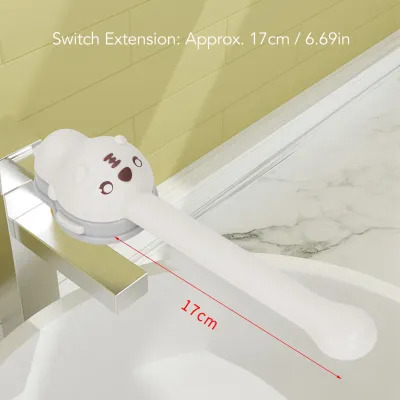
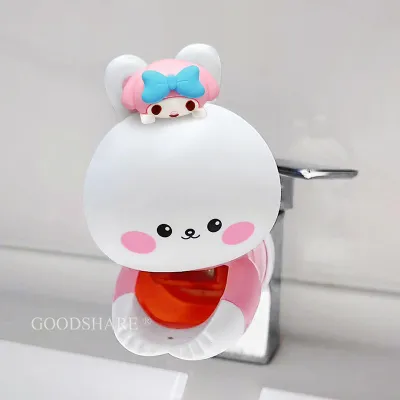
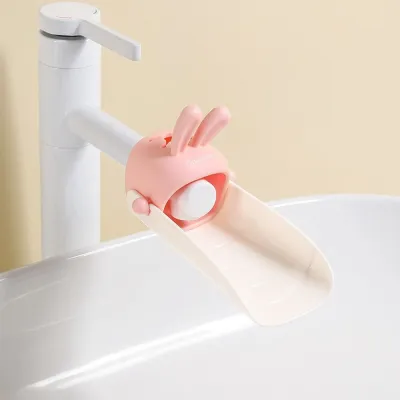
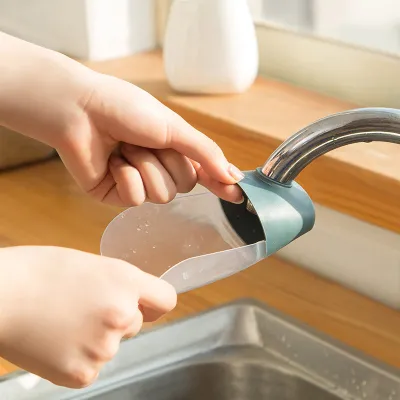
Prices are valid at publication and may change. Please refer to the product page for the latest price.

To verify these claims, avoid purchasing unbranded, exceptionally cheap options from generic online marketplaces that do not provide clear manufacturer details or safety compliance documentation. Reputable brands will openly share their material testing certifications on their packaging or official websites. When you unbox a new tap extender, perform a simple sensory check: if you detect a strong, sweet, or sharp chemical odor, this is a strong indicator of low-quality materials or the presence of volatile organic compounds (VOCs) and harmful plasticizers. High-grade silicone should be virtually odorless. If the product documentation is missing or ambiguous, or if you cannot verify the manufacturer’s safety standards, it is safest to choose an alternative product with transparent testing credentials.
Choking Hazards: Physical Risks of Character-Shaped Designs
The physical design of a character-shaped tap extender introduces unique structural risks that do not exist with plain, streamlined models. A Mickey-shaped extender typically features protruding elements, such as rounded ears, a nose, or decorative bows. While these features are visually appealing to toddlers, they represent potential weak points in the product’s structure. Toddlers frequently explore objects using their mouths, especially when they are teething, and a protruding ear or nose can easily become a target for biting and chewing.
If these decorative parts are poorly integrated or glued onto the main body rather than being molded as a single continuous piece of silicone, they can break off under pressure. This creates a small, highly dangerous object that poses a severe choking hazard. Before purchasing, examine the construction of the extender: look for a solid, single-mold design where all character features are part of the primary structure rather than separate components. Additionally, perform a manual pull-test on any protruding parts to ensure they do not tear or detach easily.
Beyond the risk of detachable parts, the overall security of the installation is a major safety factor. If the extender does not fit your specific tap model tightly, a determined toddler can easily pull the entire unit off the faucet. Once detached, the bulky silicone object may be stuffed into a child’s mouth or used as a toy, increasing the risk of injury. Always consult the manufacturer’s compatibility guide to ensure the extender fits your tap snugly, and check the tightness of the fit before every handwashing session. If your child is in a highly active teething phase, closely supervise all bathroom activities to ensure they do not attempt to chew on the silicone fixture.
Hygiene Risks: Preventing Mold and Bacteria Build-Up
While chemical and physical hazards are immediate concerns, the long-term hygiene risks of using a tap extender are often overlooked. The interior of a silicone tap extender is hollow to allow water to flow through, and it features multiple seams, crevices, and pockets where the character design is molded. Because these areas are constantly exposed to water and rarely dry out completely on their own, they become a prime breeding ground for black mold, mildew, and harmful bacteria.
In Singapore’s persistently warm and humid climate, mold spores can colonize damp surfaces within a matter of days. Every time your child washes their hands, water flows over these internal mold colonies, potentially splashing bacteria and mold spores onto their skin or even into their mouth if they attempt to drink from the tap. To mitigate this risk, you must establish a strict, weekly cleaning routine. Remove the extender from the tap entirely, wash it thoroughly with warm, soapy water, and use a small brush to scrub the hard-to-reach internal crevices.
After cleaning, allow the extender to air-dry completely in a well-ventilated area before reattaching it to the faucet. If you notice persistent black spots or discoloration inside the silicone that cannot be scrubbed away, this indicates that mold has penetrated the porous material. In such cases, the product is no longer safe for use and must be discarded immediately to prevent respiratory irritation, allergic reactions, or accidental ingestion of mold spores. If you suspect your child has developed skin irritation or respiratory symptoms from mold exposure, consult a qualified medical professional immediately.
Burn Precautions: Managing Water Temperature and Flow
An often-ignored consequence of installing a tap extender is the way it alters the physical trajectory of the water stream. By extending the flow of water outward and downward, the extender brings the stream significantly closer to where a toddler stands. While this makes it easier for short arms to reach the water, it also means that if the water temperature suddenly spikes, the child has much less time to react, greatly increasing the risk of accidental scalding.
Silicone tap extenders do not possess any temperature-regulating or insulating properties; they simply redirect whatever water flows through them. In many Singaporean homes, water heaters can deliver highly heated water directly to the bathroom tap. Before allowing your child to place their hands under the extended stream, always test the water temperature yourself with your wrist or forearm. Additionally, consider adjusting your home’s water heater settings. If possible, set the maximum output temperature of your storage or instant water heater to a safe, child-friendly limit (typically around 49 degrees Celsius or lower) to prevent accidental burns at the source. Never leave a toddler unattended in the bathroom, even for a moment, as they can easily turn the hot water tap on their own.
When to Stop Using the Tap Extender: Clear Warning Signs
A silicone tap extender is a temporary developmental aid, not a permanent bathroom fixture. Knowing when to retire the product is essential for maintaining a safe home environment. You should immediately discard and replace the extender if you observe any visible signs of wear and tear, such as hairline tears in the silicone, bite marks, loose structural components, or a stretched-opening that no longer grips the tap securely. Furthermore, if you encounter persistent mold growth that does not resolve with thorough cleaning, do not hesitate to throw the item away.
Even if the product remains in pristine physical condition, you should plan an exit strategy based on your child’s physical development. Once your toddler has grown tall enough to comfortably reach the natural water stream with the help of a sturdy, non-slip step stool, the extender is no longer necessary. Similarly, if your child develops the physical strength and curiosity to repeatedly dismantle the extender from the tap, it transforms from a helpful tool into a safety hazard, and it should be removed permanently from the bathroom.
Frequently Asked Questions (FAQ)
Can I clean the silicone tap extender in the dishwasher or boiling water?
Before subjecting your tap extender to high temperatures, always consult the manufacturer’s care instructions. While high-quality, 100% food-grade silicone can generally withstand boiling water or top-rack dishwasher cycles, many character-themed extenders contain mixed materials, such as rigid plastic connectors or painted details, which can warp, melt, or degrade under extreme heat. If the manufacturer does not explicitly state that the product is dishwasher-safe or boil-safe, the most reliable cleaning method is to hand wash the unit using mild dish soap, warm water, and a soft bottle brush, followed by thorough air-drying.
Are plain silicone tap extenders safer than character-shaped ones?
From a physical safety perspective, plain, single-piece silicone extenders are generally safer than complex, character-shaped designs. Streamlined designs lack the protruding ears, noses, or multi-part assemblies characteristic of a mickey tap extender, which significantly reduces the risk of pieces tearing off and becoming choking hazards. Furthermore, plain extenders typically have smoother internal surfaces with fewer crevices, making them much easier to clean and less prone to trapping stagnant water and mold. However, regardless of the design you choose, verifying material certifications and maintaining a strict hygiene routine remain non-negotiable requirements for child safety.
Community discussion
Share your experience or ask a question. Comments are reviewed before publication.