
When your little one begins pulling themselves up on furniture, it is an exciting milestone that often sends parents searching for developmental toys to support those first steps. Wooden push walkers, such as those designed by Hape, are popular choices for families transitioning away from floor play. Unlike traditional sit-in walkers, which keep a baby suspended in a seat, push-along walkers require children to actively engage their core, balance on their own feet, and control their own forward momentum. This makes them a much more developmentally appropriate option for early walking practice.
However, determining whether a Hape baby walker is safe for your specific home and child requires looking beyond the brand name. Safety is not a static guarantee; it depends on verifying the physical build of the toy, preparing a secure environment, and understanding your child’s unique developmental readiness. By learning how to inspect these toys and establish clear usage rules, you can create a secure, supportive space for your child to build confidence on their feet.
Verifying Safety Standards and Certifications
Before introducing any new toy to your child’s play area, it is essential to verify that the specific model meets current safety standards. Toy manufacturers must comply with regional safety regulations, but as a parent, you should perform a quick audit of the packaging and product labels. Look for recognized certification marks such as ASTM F963 or EN 71. These markings indicate that the toy has undergone testing for mechanical safety, flammability, and chemical composition.
Products mentioned in this guide
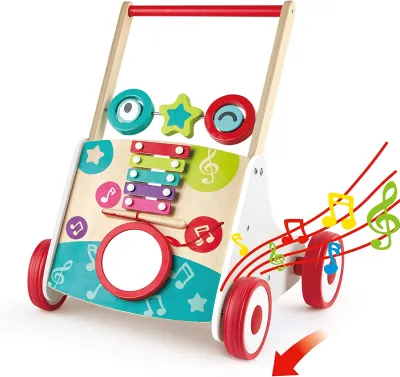
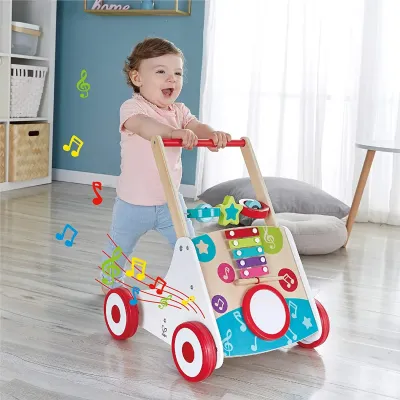
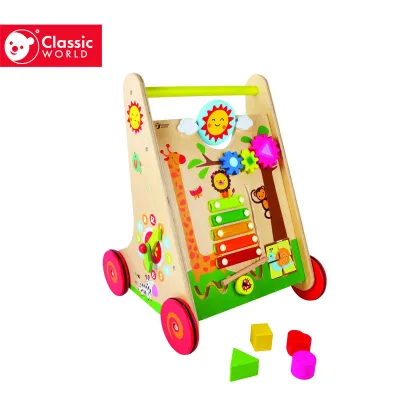
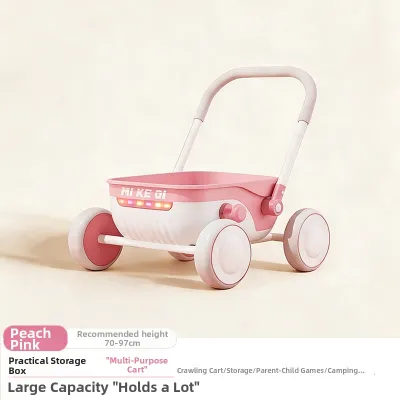
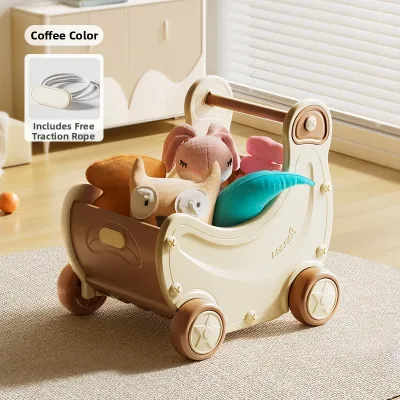
Prices are valid at publication and may change. Please refer to the product page for the latest price.
To ensure your walker is authentic and compliant, locate the model number on the packaging or printed directly on the underside of the wooden frame. You can cross-reference this model number with the official manufacturer documentation available on their website. This step is particularly important if you purchased the walker from an online marketplace or a third-party reseller, where product origins can sometimes be difficult to trace.
Additionally, always check for active product recalls before assembly. Even well-regarded brands occasionally issue safety alerts or voluntary recalls for specific production batches. You can search the model number on official consumer protection databases, such as those managed by local enterprise and consumer safety boards, to ensure your specific batch has not been flagged for any safety issues. Taking a few minutes to verify these details provides peace of mind before your child ever touches the toy.
Physical Safety Features to Inspect Before Use
A high-quality wooden push walker relies on smart engineering to keep your child upright and secure. Before allowing your child to use the walker, conduct a thorough physical inspection of its key design elements.

First, evaluate the base weight and handle design. A safe push walker must have a low center of gravity and a weighted base to prevent it from tipping backward when a child pulls themselves up to a standing position. You can test this yourself by placing the walker on a flat surface and applying downward pressure on the handle. If the front wheels lift off the ground with minimal effort, the walker may not be heavy enough for a child who is still highly unstable on their feet. The handle itself should be sturdy, non-slip, and positioned at a height that allows your child to maintain a natural, upright posture with a slight bend in their elbows.
Second, inspect the wheel speed and grip. Many wooden walkers feature adjustable speed restrictors, which are typically tension screws located on the wheel axles. These restrictors allow you to tighten the wheels so they do not roll too quickly, which is crucial for babies who are still learning to coordinate their steps. Ensure the wheels are equipped with rubberized treads or silicone strips. These strips provide essential traction on smooth indoor flooring, such as polished tiles, vinyl, or laminate, which are common in modern apartments. Without proper grip, the walker can easily slide out from under your child, leading to sudden falls.
Finally, examine the edges and surface finish of the wooden components. Run your hands along every corner, joint, and dowel to check for any rough spots, splinters, or sharp edges that could scratch delicate skin. Because infants and toddlers frequently mouth their toys, verify that the paint or finish is completely intact, smooth, and labeled as non-toxic and water-based. If you notice any peeling paint, loose wooden pegs, or cracked panels during assembly, do not use the toy.
Setting Up a Safe Environment and Usage Rules
Even the most securely designed walker can become a hazard if used in an unsuitable environment. Preparing your home is just as important as inspecting the toy itself.
Start by clearing a dedicated, flat path for your child to practice walking. Remove any loose rugs, mats, electrical cords, and small toys that could catch the wheels of the walker and cause a sudden stop or tip-over. If your home has transitions between different flooring types, such as a raised threshold between rooms, block off these areas. Ensure the walker is kept far away from high-risk zones, including staircases, balcony doors, and low-reaching shelves where heavy or fragile items are stored.
Active adult supervision is the single most critical safety rule when using a push walker. These toys are designed to help children move faster than they normally can, meaning they can reach hazards much more quickly than expected. Establish a “safe zone”—a spacious, flat room where you can maintain direct, uninterrupted line-of-sight contact with your child. Never leave your child unattended with the walker, even for a brief moment to answer the door or check the kitchen.
In addition to supervision, establish sensible time limits for walker use. While it is exciting to watch your child practice their steps, spending too much continuous time pushing a walker can lead to fatigue and improper posture. Pediatricians and physical therapists generally recommend limiting walker sessions to short, supervised intervals of 10 to 15 minutes. This encourages your child to balance their play with other essential developmental movements, such as crawling, sitting, and independent standing, which build the core and hip strength necessary for unassisted walking.
Recognizing When to Stop Using the Walker
As your child grows, their physical capabilities and developmental needs will change. Knowing when to retire the walker is key to preventing injuries and supporting natural motor progression.
Always check the manufacturer’s stated maximum weight and height limits, which are typically printed on the product label or the user manual. As children grow heavier and taller, the walker’s center of gravity shifts, making it much more prone to tipping. Once your child approaches or exceeds these limits, the toy should be put away.
Observe your child’s mobility patterns closely. The primary purpose of a push walker is to help a child transition from cruising along furniture to taking independent steps. Once your child can walk confidently across a room without holding onto anything, the walker has served its purpose. Continued reliance on the walker at this stage can actually hinder the development of natural balance and gait. Furthermore, if you notice your child attempting to climb onto the walker, step into the toy tray, or use it as a stepping stool to reach high surfaces, remove the toy immediately to prevent serious falls.
Pay attention to your child’s posture and comfort level. If they consistently lean too far forward, walk on their tiptoes, or show signs of physical frustration while using the toy, it may no longer fit their current developmental stage. If you have any concerns about your child’s walking posture, foot alignment, or overall motor development, consult a qualified pediatrician or pediatric physiotherapist for professional guidance.
Frequently Asked Questions (FAQ)
Do pediatricians recommend using baby walkers?
Pediatricians strongly advise against traditional sit-in baby walkers due to the high risk of falls down stairs and the potential for delayed motor development. However, push-along wooden walkers are generally viewed as a safer, more beneficial alternative. Because push walkers require children to support their own weight and balance naturally, they do not interfere with gait development in the way sit-in models can. For personalized advice tailored to your child’s physical milestones, always consult your pediatrician.
How do I clean and maintain a wooden Hape walker?
To keep your wooden walker clean and hygienic, wipe it down regularly with a slightly damp cloth and a mild, baby-safe soap. Avoid soaking the wood or submerging any parts in water, as moisture can cause the wood to swell, warp, or split over time. Do not use harsh chemical disinfectants, bleach, or abrasive scrubbing pads, as these can damage the non-toxic finish and leave behind harmful residues that your child might ingest.
What should I do if a wheel gets stuck or breaks?
If any part of the walker—such as a wheel, axle, or wooden panel—becomes loose, stuck, or broken, stop using the toy immediately and move it out of your child’s reach. Do not attempt to repair the walker using household glues, tape, or non-standard hardware, as these temporary fixes may fail under the weight of a child pulling themselves up. Instead, contact the manufacturer or the authorized retailer where you purchased the item to inquire about official replacement parts or repair instructions.
Community discussion
Share your experience or ask a question. Comments are reviewed before publication.