
Many mothers in Singapore unbox their breast pump only to find a standard 24mm breast shield, or flange, packaged inside. But how do you know if a spectra flange 24mm is the correct fit for your unique anatomy? A 24mm flange is generally the right size if the diameter of your nipple base measures between 20mm and 22mm before you begin pumping. This size allows for a necessary 2mm to 4mm clearance inside the tunnel, ensuring your nipple can expand and glide freely during the suction cycle.
Using the wrong size is not just a matter of minor discomfort; it directly impacts your milk expression efficiency, physical breast health, and overall breastfeeding journey. When a flange fits perfectly, pumping should feel like a gentle, rhythmic tug rather than a painful pinch. Let’s look closely at how to measure your nipples, evaluate the physical signs of a proper fit, and troubleshoot the common issues that arise when a 24mm flange is either too small or too large.
How to Measure Your Nipples to Check the 24mm Fit
To determine if a 24mm flange is your ideal match, you must start with an accurate measurement. A common misconception among breastfeeding mothers is that flange sizing corresponds to bra cup size or the overall volume of the breast. In reality, flange sizing is determined solely by the diameter of your nipple itself. The surrounding breast tissue and the dark circular area of the areola do not dictate the size of the flange tunnel.
Products mentioned in this guide
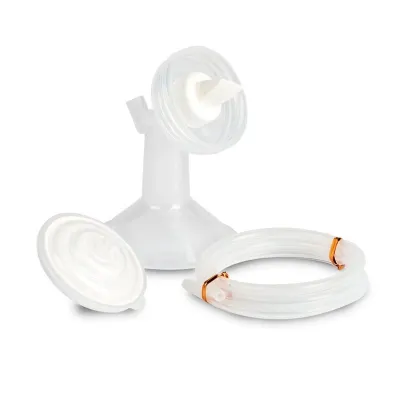
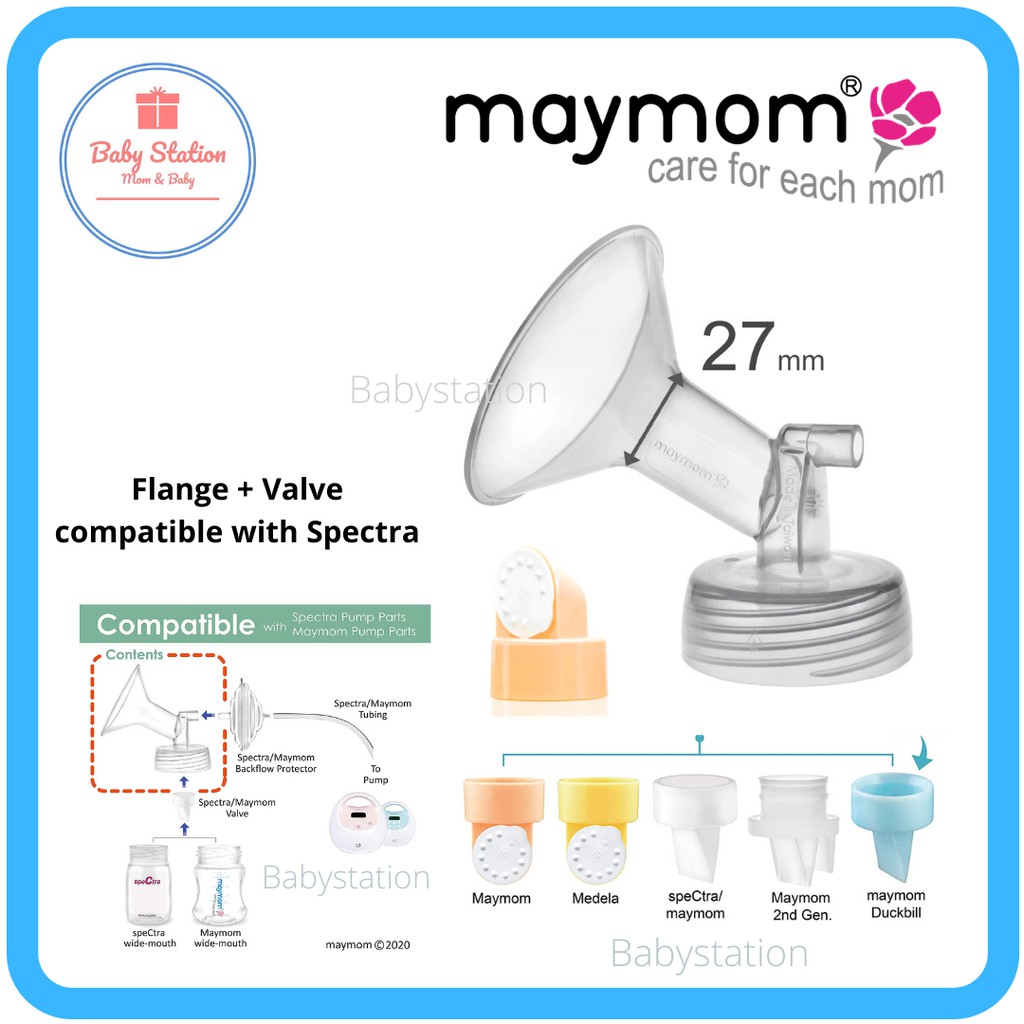
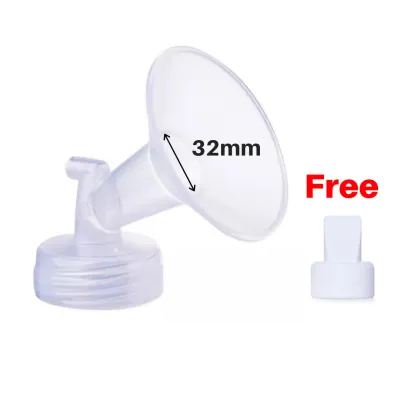
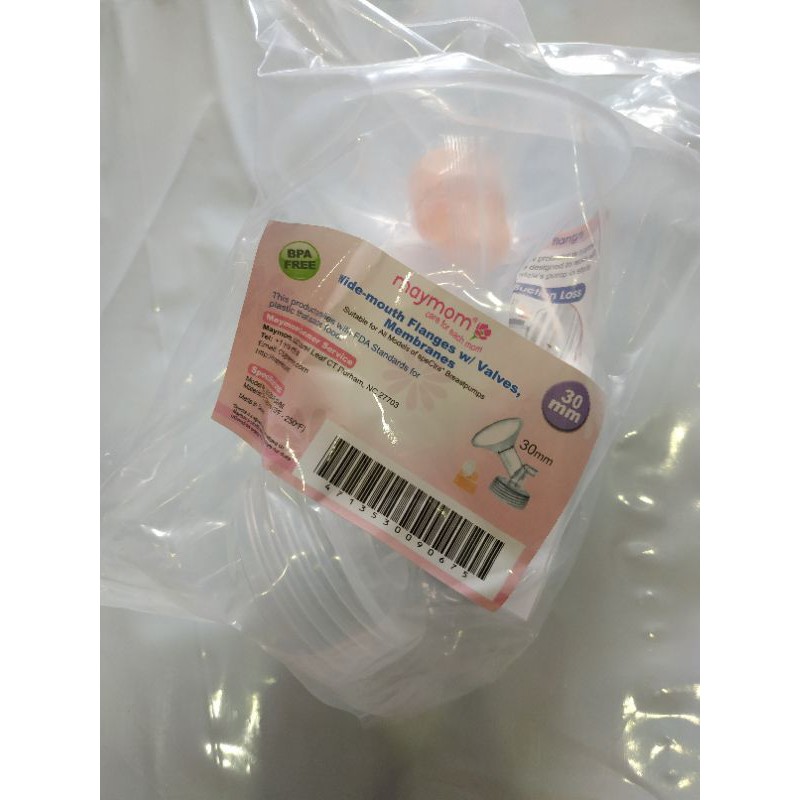
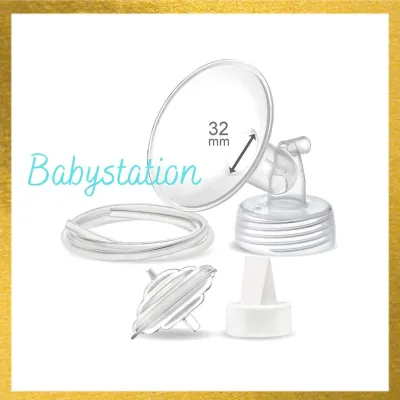
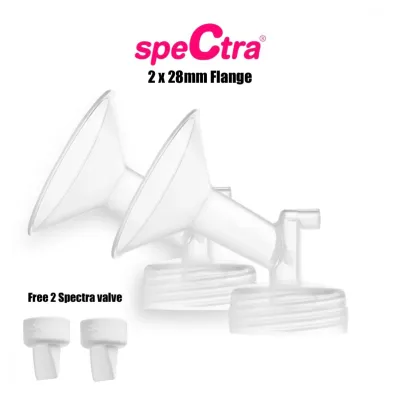
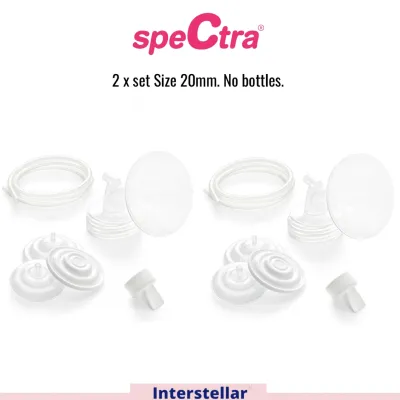
Prices are valid at publication and may change. Please refer to the product page for the latest price.
Timing is highly critical when taking this measurement. For the most accurate baseline reading, measure your nipples before you start a pumping session, or when your nipples are at rest. Pumping stimulates blood flow and causes localized swelling, which temporarily increases nipple size. Measuring immediately after a session can lead to purchasing a flange that is too large once the swelling subsides.
To measure, use a flexible measuring tape or a specialized circular nipple sizing ruler, which is often available as a printable download from lactation resources. Align the ruler or tape across the very base of your nipple, where the nipple tissue meets the darker skin of the areola. Do not include the areola in your measurement; you are only measuring the width of the protruding nipple itself from one edge to the other.
The fundamental rule of flange sizing is that the tunnel diameter must be slightly larger than your baseline nipple measurement. This difference provides a clearance gap that prevents friction. For a Spectra flange 24mm, the ideal baseline nipple diameter is typically 20mm to 22mm. This leaves a 2mm to 4mm margin for your nipple to expand under vacuum pressure. Because different manufacturers may recommend slightly different clearance margins, it is always a good practice to cross-reference your measurements with the official Spectra sizing guidelines to ensure compatibility with their specific pump dynamics.
Positive Signs Your 24mm Flange Fits Correctly
Once you begin using the 24mm flange, your body will provide immediate feedback. Observing these physical and performance-based indicators during and after your pumping session will help you confirm that the size is correct.

Painless Comfort: The most important indicator of a proper fit is physical comfort. While the sensation of breast pumping is distinct and can feel unusual at first, it should never be painful. A well-fitting 24mm flange ensures that the suction cycle feels like a comfortable, rhythmic pull without any pinching, sharp pain, or burning sensations from the moment you start the pump until you turn it off.
Free Nipple Movement: During the active suction phase, watch the movement of your nipple inside the clear plastic tunnel. Your nipple should draw straight down the center of the tunnel and slide back and forth freely. It should not rub, scrape, or press hard against the plastic walls of the 24mm opening.
Minimal Areola Draw: A small, comfortable amount of your areola will naturally be drawn into the tunnel during suction, which is normal. However, this tissue should not stretch excessively or feel tight. The majority of the areola should remain resting comfortably against the sloped shield of the flange rather than being pulled into the narrow tube.
Efficient Milk Output: A correctly sized flange optimizes milk expression. If the 24mm size is right for you, your milk should flow steadily in streams or consistent drops. After a standard pumping session, your breasts should feel noticeably lighter, softer, and thoroughly emptied. Additionally, the flange should maintain a secure, airtight seal against your skin without requiring you to press it painfully hard against your breast, and there should be no milk leaking from the edges of the shield.
Warning Signs Your 24mm Flange Is Too Small or Too Large
Using an incorrectly sized flange can lead to physical trauma and a decrease in milk supply. If you experience discomfort, it is essential to diagnose whether the 24mm tunnel is too restrictive or too spacious.
When the 24mm Flange Is Too Small
If your nipple diameter is larger than 22mm, a 24mm flange will likely be too tight. This restriction causes several distinct physical symptoms that you should monitor closely.
Friction and Rubbing: The most common sign of a tight fit is your nipple rubbing forcefully against the hard plastic walls of the tunnel as it moves. This friction quickly leads to localized soreness, raw skin, or painful blisters on the sides or tip of the nipple.
Burning and Pinching: You may feel a persistent pinching or burning sensation during the suction cycle. This discomfort often lingers long after the pump is turned off, making subsequent feeding or pumping sessions highly painful.
Nipple Blanching: Pay close attention to the color of your nipple during and immediately after pumping. If the tunnel is too narrow, it compresses the blood vessels, leading to blanching—a condition where the tip of the nipple turns white or purple due to restricted blood flow. This can cause severe, throbbing pain.
Decreased Milk Supply: When the flange tunnel pinches the nipple, it compresses the milk ducts located just beneath the skin. This compression blocks the natural flow of milk, leading to a sudden or gradual drop in your milk output. Over time, incomplete emptying can signal your body to produce less milk, harming your overall supply.
When the 24mm Flange Is Too Large
Conversely, if your nipple base is smaller than 20mm, the 24mm flange may be too spacious, causing the vacuum to pull excess tissue into the tunnel.
Excessive Areola Pull: When the tunnel is too wide, the vacuum cannot isolate the nipple. As a result, a large portion of your dark areola tissue is pulled deep into the plastic tube. This causes a painful stretching and pulling sensation across the breast.
Off-Center Movement: Because the tunnel is too wide, your nipple may not remain centered. It may wobble, slide from side to side, or rub unevenly against one side of the plastic wall, leading to asymmetric friction and irritation.
Nipple Edema and Swelling: Drawing excess areolar tissue and fluid into the vacuum causes localized swelling, also known as edema. After pumping, your nipples may look unusually enlarged, “puffy,” or distorted, and they may take a long time to return to their normal shape.
Loss of Suction and Leaking: A flange that is too large struggles to maintain a consistent vacuum seal. You may notice air escaping, requiring you to constantly readjust the pump. This weak seal results in poor milk expression, leaving your breasts feeling heavy and full even after a long session, and often causes milk to pool and leak out from the bottom of the breast shield.
Next Steps If the 24mm Flange Doesn't Fit
If your self-assessment reveals that the standard 24mm Spectra flange is not the correct fit, you have several practical options to restore comfort and efficiency.
First, consider trying adjacent flange sizes. If you observed signs that the 24mm tunnel is too small, such as rubbing or blanching, you should step up to a larger size, such as a 28mm flange. If you experienced signs of a loose fit, such as excessive areola draw or swelling, you should step down to a smaller size, such as a 20mm or 21mm flange. Always verify compatibility with your specific pump model before purchasing new parts.
Another highly effective option is using flexible silicone flange inserts. These inserts slip directly inside your existing rigid 24mm plastic flange, reducing the inner tunnel diameter to sizes like 19mm, 17mm, or smaller. Silicone inserts are softer than hard plastic, which can significantly reduce friction and provide a more cushioned, comfortable fit. Before using any inserts, check the manufacturer’s care and sterilization instructions to ensure they are safe for your baby and compatible with your pump’s suction mechanism.
If you continue to experience persistent pain, nipple damage, bleeding, or an unexplained decrease in your milk supply despite changing sizes, you should stop pumping and seek professional help. Consulting an International Board Certified Lactation Consultant (IBCLC) is the safest step. A professional lactation consultant can perform an in-person assessment of your pumping technique, measure your anatomy accurately, and provide personalized guidance to protect your physical health and support your breastfeeding journey.
Frequently Asked Questions (FAQ)
Can my nipple size change during my breastfeeding journey?
Yes, it is entirely normal for your nipple size to change over time. In the early weeks postpartum, your breasts and nipples may experience significant swelling and fluid retention as your mature milk supply establishes. As this initial postpartum swelling subsides over the first few weeks, your nipple diameter may actually decrease, meaning a flange that fit well initially may become too large. Conversely, the physical stretching from regular, long-term pumping can sometimes cause nipples to expand slightly. It is highly recommended to re-measure your nipples every few months, or immediately if you notice a change in pumping comfort or milk output.
Do I need a different flange size for each breast?
Yes, many mothers require a different flange size for each breast. Human anatomy is naturally asymmetrical, and it is very common for one nipple to be larger or more elastic than the other. You should always measure both nipples independently rather than assuming they are identical. If your measurements differ, do not hesitate to use a 24mm flange on one breast and a smaller or larger size on the other. Tailoring the fit to each individual side ensures maximum comfort, prevents localized tissue damage, and promotes optimal, balanced milk removal from both breasts.
Community discussion
Share your experience or ask a question. Comments are reviewed before publication.