
Determining if a 21mm flange is the correct fit for your Spectra breast pump depends entirely on your unique anatomy, specifically the diameter of your nipple rather than the size of your breast. While a 21mm flange is a common size designed for smaller nipple measurements, finding your ideal fit requires measuring your nipple base and observing how your tissue behaves during an active pumping session. By comparing your physical measurements to the manufacturer’s sizing guidelines and watching for key comfort indicators, you can ensure a highly efficient and pain-free pumping experience.
Why Flange Size Matters for Pumping Comfort and Output
Using the correct flange size is fundamental to establishing a successful and comfortable pumping routine. The flange acts as the direct interface between your breast tissue and the pump’s vacuum mechanism. When the fit is precise, the suction mimics a baby’s natural nursing pattern, which helps stimulate your let-down reflex and encourages efficient milk removal. This optimal alignment ensures that the milk ducts are compressed and emptied evenly, supporting your overall milk supply over time.
Conversely, an ill-fitting flange can quickly lead to physical discomfort and mechanical inefficiencies. If the tunnel is too narrow or too wide, the constant friction and uneven pressure can cause micro-tears, bruising, or swelling in the delicate tissue of the nipple and areola. This localized trauma not only makes pumping painful but can also trigger an inflammatory response that restricts milk flow. Over time, incomplete breast emptying due to poor fit can signal your body to produce less milk, potentially compromising your long-term breastfeeding goals.
Products mentioned in this guide
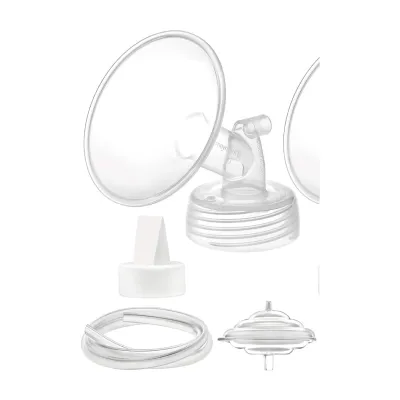
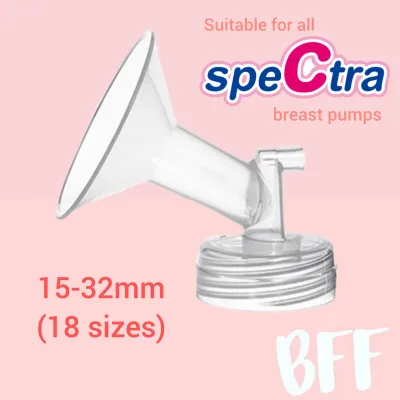
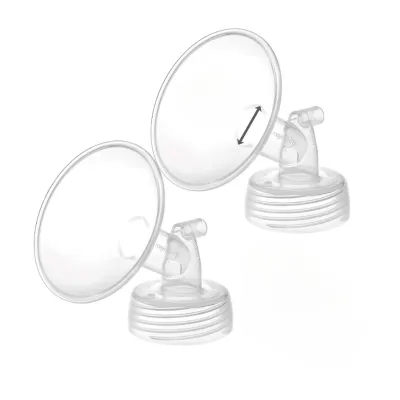
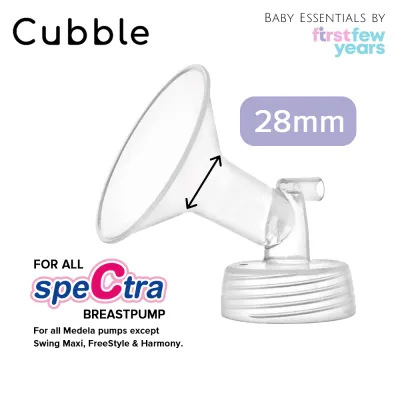
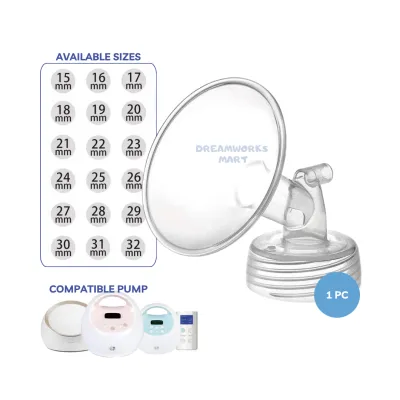
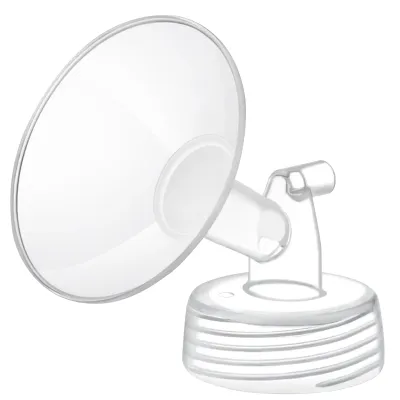
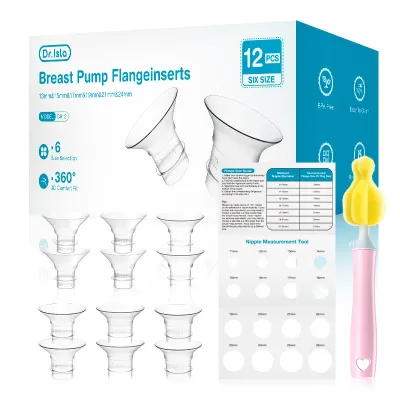
Prices are valid at publication and may change. Please refer to the product page for the latest price.
Spectra breast pumps rely on a closed system that requires a consistent, secure seal to maintain optimal suction levels. If the flange does not match your anatomy, the pump may lose suction or require you to turn up the vacuum settings to uncomfortable levels to compensate. Operating the pump at excessively high vacuum levels to make up for a poor fit increases the risk of tissue damage without improving milk output. Ensuring your flange size is correct from the start protects your physical health and allows the pump to perform exactly as designed.
How to Measure Your Nipple for a 21mm Flange
To determine if a 21mm flange is appropriate for you, you must first establish an accurate baseline measurement of your nipple. This process requires measuring only the diameter of the nipple itself, completely excluding the surrounding areola. You can use a flexible measuring tape, a standard ruler with millimeter markings, or a printable circular sizing tool specifically designed for breast pump fitting.

For the most accurate results, perform this measurement when your breasts are soft and at rest. Avoid measuring immediately after a pumping session or right after nursing your baby, as the physical stimulation and vacuum suction temporarily expand and stretch the tissue, which can lead to an artificially large measurement. Place the measuring tool directly at the base of your nipple where it meets the areola, and note the width in millimeters.
Once you have your resting measurement, you will need to account for how your tissue expands under vacuum pressure. Most manufacturers recommend adding a small margin—typically 2 to 3 millimeters—to your resting nipple diameter to find your target flange size. For example, if your resting nipple diameter measures approximately 17 to 18 millimeters, adding this margin suggests that a 21mm flange is likely to be your ideal starting size.
Keep in mind that this calculation serves as a helpful starting point rather than a definitive rule. Individual tissue elasticity varies significantly from person to person; some individuals experience substantial stretching during pumping, while others experience very little. Always cross-reference your calculated size with the official Spectra sizing chart and prepare to adjust your selection based on how the flange actually feels and functions during a live session.
Signs Your 21mm Spectra Flange Fits Correctly
When a 21mm flange is the correct fit, you will observe specific visual and physical cues during your pumping sessions. Visually, your nipple should center easily within the flange tunnel, moving freely back and forth without rubbing against the plastic walls. Only a minimal amount of the surrounding areola, if any, should be drawn into the tunnel alongside the nipple. The transition zone where the nipple meets the areola should remain outside the main shaft of the tunnel.
From a sensory perspective, pumping with a properly sized flange should feel comfortable and entirely free of sharp pain, pinching, or intense friction. While you will feel the pull of the vacuum, it should feel like a firm, rhythmic tugging rather than a painful squeeze or scrape. If you find yourself able to pump comfortably at your preferred vacuum setting without needing to constantly adjust the position of the breast shield, your fit is likely correct.
The ultimate indicator of a successful fit is the physical state of your breasts after you finish pumping. Your breasts should feel noticeably softer, lighter, and completely emptied of milk, indicating that the pump has successfully stimulated and cleared all milk pathways. Your nipples should return to their normal color and shape shortly after the session, without showing signs of deep indentation, severe swelling, or persistent redness.
Warning Signs That Your 21mm Flange Is the Wrong Size
Paying close attention to physical discomfort is essential for preventing long-term tissue damage and maintaining your pumping routine. If you experience pain, skin irritation, or a sudden drop in milk output, you should stop your pumping session immediately to assess your equipment. A poor flange fit generally manifests in one of two ways: either the tunnel provides too much space, or it restricts the natural movement of your tissue.
When the Flange Is Too Large
If a 21mm flange is too large for your anatomy, the vacuum pressure will pull an excessive amount of your areola tissue into the tunnel. This excess tissue crowds the shaft, causing friction, swelling, and eventual blistering of the sensitive skin surrounding the nipple. You may also notice that the skin of your breast pulls forward excessively with each cycle, which can cause deep aching within the breast tissue itself.
Additionally, a flange that is too large often struggles to maintain a consistent seal against the breast. This gap can cause a noticeable loss of suction, forcing you to increase the pump’s vacuum level to maintain milk flow. The combination of high vacuum settings and misplaced tissue compression frequently results in incomplete breast emptying, which can lead to localized milk stasis and a gradual decline in your overall milk supply.
When the Flange Is Too Small
Conversely, if a 21mm flange is too small, your nipple will rub directly against the hard plastic walls of the tunnel during the pumping cycle. This constant friction can cause immediate pain, chafing, and a distinct blanching effect, where the tip of the nipple turns white due to restricted blood flow. Over time, this constriction can lead to painful cracks, bleeding, or raw skin that makes subsequent pumping sessions highly uncomfortable.
A restrictive tunnel also compresses the milk ducts located near the base of the nipple, physically blocking the milk from flowing freely. This obstruction prevents the breast from emptying completely, leaving behind pockets of milk that can harden into painful clogged ducts. If left unaddressed, these unresolved clogs can escalate into mastitis, a serious inflammatory breast condition that requires medical attention.
What to Do If the 21mm Flange Does Not Fit
If you determine that the 21mm flange is not the correct size for you, the most important immediate action is to stop using it to prevent further discomfort or injury. Pumping through pain is never recommended and can quickly damage your breast tissue. Instead, temporarily reduce your pumping frequency or use a manual expression technique while you source a more suitable solution.
Your next step should be to consult the official Spectra manufacturer’s sizing chart to identify alternative options. If the 21mm flange is too small, you may need to step up to a standard 24mm or 28mm flange. If the 21mm flange is too large, you can explore smaller specialized flange sizes or look into purchasing food-grade silicone flange inserts. These inserts slide directly into your existing 24mm or 28mm flanges to reduce the tunnel diameter to smaller sizes, such as 19mm or 17mm, providing a customized fit without requiring entirely new plastic parts.
For personalized guidance, consider scheduling a consultation with a certified lactation consultant or a healthcare professional specializing in breastfeeding. These experts can perform a precise physical assessment of your anatomy, observe your pumping technique in real-time, and recommend specific sizing adjustments. They can also help you troubleshoot other potential issues, such as pump settings or positioning, to ensure your breastfeeding journey remains comfortable and sustainable.
Frequently Asked Questions (FAQ)
Can my nipple size change over time?
Yes, it is entirely normal for your nipple size to fluctuate throughout your breastfeeding and pumping journey. Your body undergoes significant hormonal shifts, fluid changes, and physical transitions during pregnancy, the immediate postpartum period, and as your milk supply stabilizes. Additionally, the physical demand and frequency of pumping can cause the tissue to stretch or adapt over time, meaning a flange size that fit perfectly during the first week postpartum may become too small or too large several weeks later. It is highly recommended to re-measure your nipples periodically, especially if you begin to experience new discomfort or notice a sudden change in your milk output.
Do I need different flange sizes for each breast?
It is incredibly common for a person’s breasts and nipples to be asymmetrical in both shape and size. Just as your breasts may produce different volumes of milk, your nipples may have different base diameters, requiring a different flange size for each side. To ensure optimal comfort and maximum milk expression, you should measure each nipple independently and purchase individual flange sizes or inserts tailored to each breast. Using a mismatched flange on one side simply to keep your parts uniform can lead to localized pain and reduced milk extraction on that side.
Community discussion
Share your experience or ask a question. Comments are reviewed before publication.