
Determining whether a 21mm flange is the right size for you depends on measuring your nipple diameter and observing how your tissue behaves during a pumping session. A 21mm flange is typically considered a smaller standard size, often suitable for individuals whose nipple base measures around 17mm to 19mm before pumping. Finding the correct fit is essential for maintaining comfort, supporting efficient milk removal, and protecting your delicate breast tissue from friction and swelling.
Using a flange that does not match your anatomy can lead to clogged ducts, reduced milk supply, and physical discomfort. Because every body is unique, you should never assume a size is correct simply because it came packaged with your pump. By taking a few minutes to measure your nipple base and learning what a proper fit looks like in action, you can establish a comfortable and productive pumping routine.
How to Measure Your Nipple Diameter Accurately
To determine if a 21mm flange is a logical starting point, you must first measure your nipple base. Timing is highly important. It is best to measure when your breasts are not engorged, as temporary swelling can distort your natural dimensions. Nipple size can fluctuate throughout the day, across your postpartum journey, and even immediately after a feeding or pumping session, so measuring during a neutral, relaxed state provides the most reliable baseline.
Products mentioned in this guide
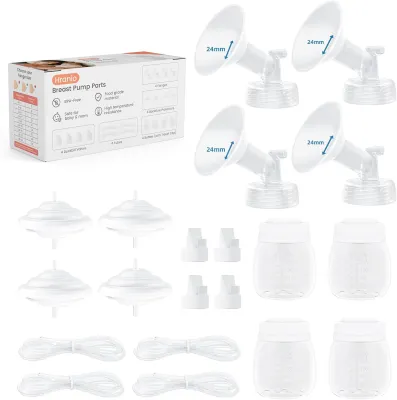
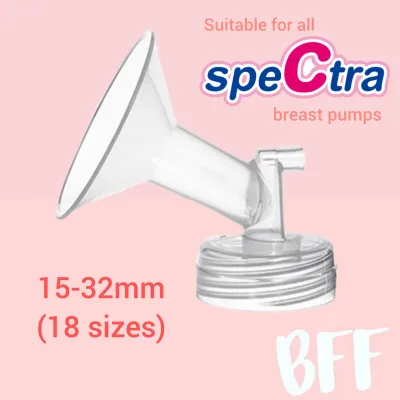
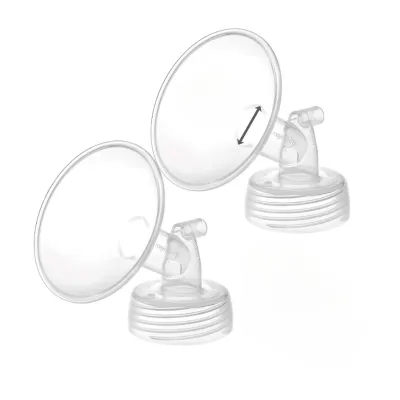
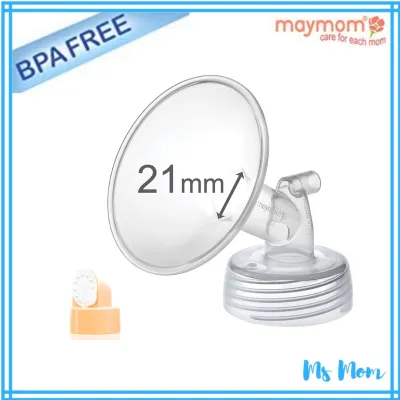
Prices are valid at publication and may change. Please refer to the product page for the latest price.
Using the correct tool is equally critical. Avoid using a flexible sewing tape measure, which can easily bend around the tissue and lead to an overestimation. Instead, use a rigid measuring tool, such as a sliding caliper or a specialized printable flange sizing guide made of stiff cardstock. These tools allow you to isolate the nipple tissue without compressing it, giving you a precise millimeter reading.
When placing the tool, focus entirely on the base of the nipple. This is the exact point where the nipple tissue meets the flatter, darker skin of the surrounding areola. Be careful to exclude the areola itself from your measurement, as including even a small portion of this surrounding tissue will result in selecting a flange that is too large. If you are using a circular sizing tool, find the smallest opening that fits comfortably over your nipple without pinching.
Once you have your base measurement, convert it to a flange size by adding a clearance margin. Most breast pump manufacturers recommend adding approximately 2mm to 4mm of clearance to your nipple’s base diameter to find your starting flange size. For example, if your nipple base measures 17mm or 18mm, adding this clearance brings you directly to a 21mm flange. Because clearance guidelines can vary, always check your specific breast pump manufacturer’s instructions to confirm their recommended sizing conversion before purchasing.
Signs Your 21mm Flange Fits Correctly
Once you begin using a 21mm flange, confirm the fit by observing specific visual and physical indicators during your pumping sessions. Visually, your nipple should align directly with the center of the flange tunnel. As the pump applies suction, the nipple should move freely back and forth within the tunnel without rubbing against the plastic walls. You should see a very minimal amount of areola, or none at all, being drawn into the tunnel alongside the nipple.

Physical comfort is another primary indicator of a proper fit. While you will feel the pull of the vacuum, the sensation should be comfortable and rhythmic rather than painful. You should not experience any pinching, sharp rubbing, or excessive pulling sensations at the base of the nipple or on the surrounding skin. If you find yourself tensing up or dreading the start of a session, the fit likely needs adjustment.
Finally, look at the efficiency of your pumping session. When a flange fits correctly, your breasts should feel noticeably softer, lighter, and well-drained after you finish pumping. The milk should flow steadily into the collection bottle without pooling excessively in the tunnel, and there should be no significant leakage around the edges of the shield. Consistent milk output and comfortable drainage are strong signs that the 21mm size is working in harmony with your body.
Warning Signs That Your 21mm Flange Is the Wrong Size
If a 21mm flange is not the correct size, your body will quickly display warning signs. When a flange is too small, the most common indicator is physical discomfort or visible tissue damage. You may experience pain, redness, or even blisters on the sides of your nipple because the tissue is constantly rubbing against the narrow tunnel walls. You might also feel a distinct pinching sensation at the base of the nipple, or notice that the nipple cannot move freely, which prevents the pump from drawing it fully into the tunnel.
Conversely, if a 21mm flange is too large, a different set of issues will arise. A flange that is too large allows excessive areola tissue to be pulled deep into the tunnel during the suction cycle. This can cause the areola to swell, block the milk ducts, and restrict flow. You might also observe your nipple shifting from side to side within the tunnel rather than moving in a straight, centered line. This poor alignment often leads to incomplete milk drainage, leaving your breasts feeling heavy or firm even after a long session, and can cause milk to leak from the edges of the flange.
It is also important to recognize that nipple size is dynamic. Your nipples may temporarily swell or expand during a single pumping session due to the vacuum pressure, meaning a flange that fits well at the start of a session might become too tight by the end. Additionally, your tissue can change significantly over the weeks and months postpartum as your milk supply stabilizes and your body adjusts. Periodically reassessing your flange fit is a normal and necessary part of maintaining a comfortable pumping routine.
What to Do If the 21mm Flange Does Not Fit
If you determine that the 21mm flange is not the right fit, taking immediate action can prevent discomfort and protect your milk supply. Stop pumping immediately if you experience sharp pain, skin irritation, or visible tissue damage. Continuing to pump through pain can cause long-term tissue trauma and inhibit your let-down reflex. Take a break, remeasure your nipple base using a rigid tool, and use those measurements to determine whether you need to transition to a smaller size, such as a 17mm or 19mm, or a larger size, such as a 24mm.
If you continue to experience persistent pain, nipple trauma, or an unexplained drop in your milk supply despite changing sizes, seek professional support. Consulting an International Board Certified Lactation Consultant (IBCLC) or a qualified healthcare provider can give you personalized guidance. These professionals can evaluate your pumping technique, assess your anatomy, and help you troubleshoot complex fit issues that might not be solved by standard sizing charts alone.
You can also explore alternative options and accessories designed to customize your fit. Many manufacturers offer compatible sizing inserts, which are soft silicone sleeves that slide inside a standard 24mm or 21mm flange to reduce the tunnel diameter to a smaller size. Additionally, some brands produce flexible silicone flanges or shields with unique angles that conform more naturally to different breast shapes. When choosing these accessories, always ensure they are explicitly approved by the manufacturer for use with your specific breast pump model to maintain proper suction and safety.
Frequently Asked Questions (FAQ)
Should I measure my nipples before every pumping session?
No, you do not need to measure your nipples before every single pumping session once your flange size has stabilized. However, you should remeasure your nipple base if you begin to experience new physical discomfort, notice a sudden or unexplained drop in your milk output, or observe visible changes to your nipple tissue, such as redness or swelling. It is also wise to check your measurements a few weeks postpartum, as your body changes and your milk supply transitions from transitional to mature milk.
Can I use a 21mm flange if my nipple measures exactly 21mm?
No, you should not use a 21mm flange if your nipple base measures exactly 21mm. The flange tunnel must be slightly larger than your nipple’s resting diameter to allow room for the tissue to expand and move freely without friction during the suction cycle. If your nipple is 21mm, a 21mm flange will be too tight, causing painful rubbing and restricting milk flow. You should refer to your specific breast pump manufacturer’s sizing chart to determine the correct amount of clearance to add, which typically points to a larger flange size like 24mm or 27mm.
Community discussion
Share your experience or ask a question. Comments are reviewed before publication.