
Introducing solid foods is an exciting milestone in your baby’s development, and organic blueberries are a popular, nutrient-dense option to add to the menu. Babies can typically begin eating organic blueberries around six months of age, provided they show clear signs of developmental readiness. However, because of their small, round shape and firm texture, whole blueberries present a significant choking hazard for infants and young toddlers. To safely introduce this fruit, parents must adapt the preparation method to match their baby’s specific developmental stage, transitioning from smooth purees to mashed textures and eventually to small, flattened pieces.
When Can Babies Safely Eat Organic Blueberries?
Before introducing any solid foods, it is essential to observe your baby for key signs of physical readiness. Your baby should be able to sit up unassisted with good trunk control, which is crucial for safe swallowing and reducing the risk of choking. They must also demonstrate excellent head and neck control, allowing them to turn their head away when they are full or if they experience discomfort. Another important milestone is the loss of the tongue-thrust reflex, which is the automatic response where an infant pushes solid objects out of their mouth with their tongue.
Standard pediatric guidelines generally suggest introducing soft fruits and berries between six and eight months of age, alongside continued breast milk or formula feeding. At this stage, a baby’s digestive system is mature enough to handle a wider variety of agricultural ingredients.
Products mentioned in this guide
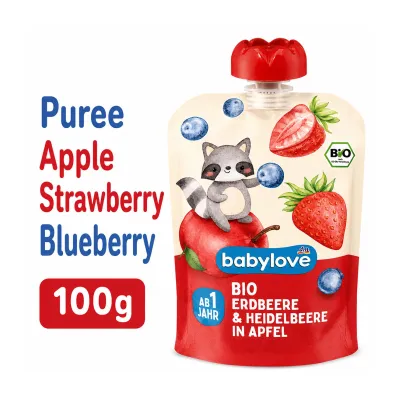
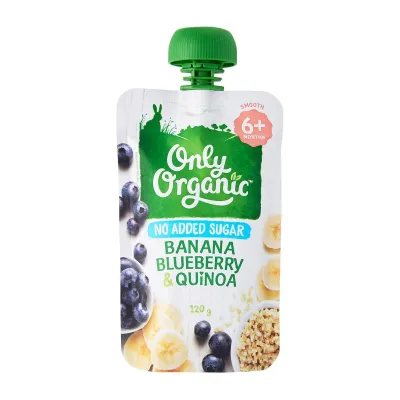
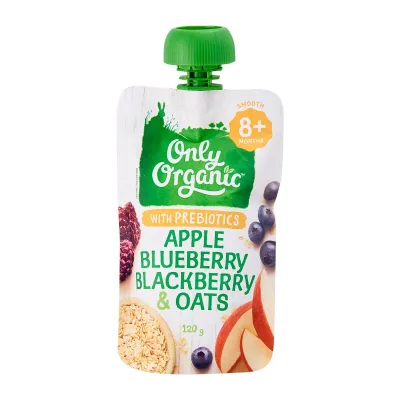
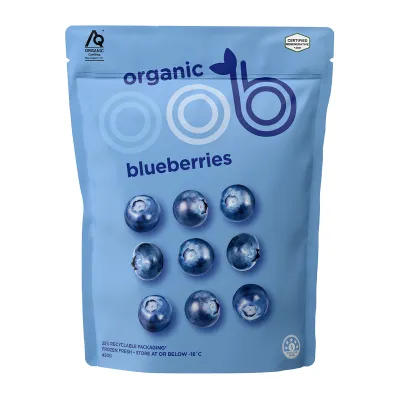
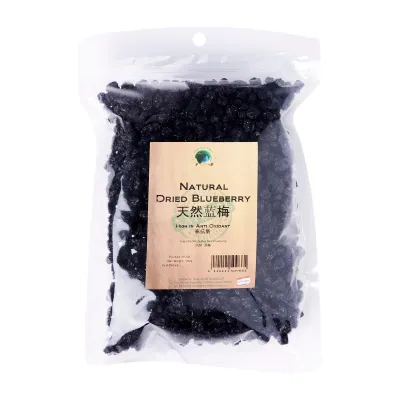
Prices are valid at publication and may change. Please refer to the product page for the latest price.
It is important to clarify that while “organic” certification indicates the fruit was grown without synthetic pesticides or chemical fertilizers, it does not alter the physical properties of the berry. An organic blueberry is just as firm and round as a conventional one, meaning it requires the exact same safety precautions and preparation methods before being offered to your baby.
Preventing Choking Hazards: How to Prepare Blueberries by Age
The airway of an infant is roughly the size of a drinking straw, making small, round, firm objects highly dangerous. A whole, raw blueberry fits perfectly into this small opening, which is why it is classified as a significant choking hazard for young children. To eliminate this risk, preparation must evolve alongside your baby’s oral motor skills and chewing coordination.

For beginners starting solids around six months, the safest approach is to prepare a completely smooth puree. You can gently steam the blueberries to soften their flesh and skins, then blend them thoroughly. Passing the mixture through a fine-mesh strainer helps remove any remaining skin fragments that might cause gagging.
As your baby approaches eight to ten months and begins to develop a pincer grasp—the ability to pick up small objects using the thumb and index finger—you can transition to mashed or squished blueberries. At this stage, every single blueberry must be thoroughly flattened between your fingers or mashed with a fork so that it is no longer round or firm.
For older toddlers who are comfortable chewing, quartering or slicing the berries remains the recommended practice. Never serve whole, round, raw blueberries to children under the age of three, as their chewing coordination and airway protection mechanisms are still developing.
Managing Allergy Risks and Safe Introduction Methods
While blueberries are not classified among the top common food allergens, such as peanuts, tree nuts, dairy, or eggs, any food has the potential to trigger an allergic response. When introducing organic blueberries for the first time, it is vital to follow the single-ingredient rule. Offer blueberries on their own, without mixing them with other new foods, so you can clearly identify the source of any adverse reaction.
Maintain a waiting period of three to five days before introducing another new ingredient. During this window, closely monitor your baby for any observable signs of an allergic reaction. Mild reactions may present as localized hives, redness or a mild rash around the mouth, or itching.
Severe allergic reactions, which require immediate emergency medical attention, include swelling of the lips, tongue, or throat, persistent vomiting, sudden diarrhea, wheezing, or visible difficulty breathing. Keeping a food diary can help you track what your baby eats and note any subtle changes in their skin or digestion.
Handling and Washing Organic Blueberries for Baby Food
Certified organic produce is grown using natural farming methods, but this does not mean the berries are sterile. Organic blueberries can still carry soil particles, natural bacteria, wild yeasts, and environmental residues from harvesting, packaging, and transport. Thoroughly washing the berries under cold running water is an essential step in baby food preparation.
Place the berries in a colander and rinse them gently, using your fingers to rub away any surface dirt. Before preparing the food, perform a visual inspection of each berry. Discard any fruits that show signs of mold, excessive bruising, or spoilage, as mold spores can spread easily and cause digestive upset.
Additionally, take the time to carefully remove any remaining stems, leaves, or small twigs. This ensures that only clean, safe fruit enters your baby’s bowl, minimizing the risk of contamination or physical irritation during feeding.
Signs to Stop Feeding and When to Consult a Pediatrician
It is common for babies to gag when learning to manage new textures. Gagging is a normal, noisy safety reflex characterized by coughing, sputtering, or pushing food forward with the tongue, which helps prevent choking. In contrast, choking is silent or quiet, involving a blocked airway where the baby cannot cry, cough effectively, or breathe, and their skin or lips may turn blue. If you observe signs of choking, immediate emergency rescue techniques must be applied.
Beyond choking, you should halt the feeding process immediately if your baby shows any signs of an allergic reaction, such as hives, facial swelling, or sudden vomiting. These symptoms indicate that the baby’s immune system is reacting negatively to the food, and further exposure could worsen the reaction.
Consult your pediatrician if your baby experiences persistent digestive distress, such as unusual gas, prolonged abdominal discomfort, or watery stools, or if they develop a strong aversion to feeding. A qualified professional can help determine whether these symptoms point to a mild food sensitivity or require a temporary pause on berry introduction.
Frequently Asked Questions (FAQ)
Can babies eat blueberry skin?
The skin of a blueberry is highly fibrous and can be difficult for a young infant’s developing digestive system to break down. In the early stages of solid feeding, blueberry skins may cause mild gagging or pass through the stool completely intact. If you notice your baby struggling with the texture of the skins, you can adjust your preparation by steaming the berries and straining the puree to remove the skins entirely. As your baby grows older and develops stronger chewing skills, they will gradually become better equipped to handle well-mashed skins without discomfort.
Is it safe to give babies frozen organic blueberries?
Yes, frozen organic blueberries are a safe and highly nutritious option, as they are often frozen at peak ripeness to preserve their vitamins and minerals. However, frozen berries must be handled with care. Never give a baby a whole frozen blueberry, as the freezing process makes the berry extremely hard, significantly increasing the risk of choking. Always thaw the berries completely and mash or puree them to an appropriate texture before serving. If you choose to heat the thawed berries, ensure they cool down to a safe, lukewarm temperature to prevent burning your baby’s sensitive mouth.
Do organic blueberries cause changes in stool color?
It is very common for dark-pigmented fruits like organic blueberries to cause noticeable changes in your baby’s stool. The natural pigments, known as anthocyanins, can turn the stool a dark blue, purple, or even blackish color, and you may also see tiny fragments of undigested skin. This is a harmless digestive byproduct and is generally no cause for concern. However, parents should learn to distinguish these normal color changes from signs of gastrointestinal distress. If the stool is accompanied by watery diarrhea, mucus, blood, or if your baby shows signs of abdominal pain, consult your pediatrician to rule out food intolerance or infection.
Community discussion
Share your experience or ask a question. Comments are reviewed before publication.