
Quick Answer: Which Plug Cover is Best for Baby-Proofing?
Selecting the ideal plug cover for your home requires balancing your child’s developmental stage with your household’s daily electrical needs. There is no single “best” plug cover; instead, the right choice depends on how frequently a socket is used, the age of your toddler, and the specific appliances connected. Sliding socket plates offer the most seamless experience for high-traffic outlets because they eliminate loose parts and reset automatically. Box-type covers provide the highest level of security for active outlets where cords remain continuously plugged in, preventing curious hands from pulling out live plugs. Insert-type plug covers serve as a basic, budget-friendly option, but they are best reserved strictly for rarely used or inaccessible sockets due to potential choking risks if removed. Ultimately, an effective baby-proofing strategy often combines all three types across different rooms to balance toddler resistance with adult convenience.
Understanding the Three Main Types of Plug Covers
Insert-Type Plug Covers
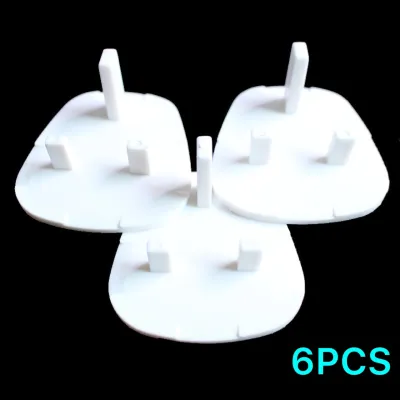
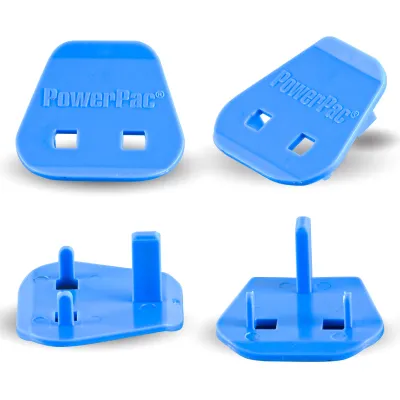
Insert-type plug covers are small plastic caps designed to fit directly into the individual pin openings of an electrical outlet. When inserted, they block access to the live contact points inside the socket, preventing children from inserting foreign objects like hairpins or keys. These covers are highly cost-effective and low-profile, making them virtually invisible at a distance. However, they are generally intended for sockets that remain permanently unused. To remove them, adults typically need to use a specialized extraction tool, a key, or another plug to pry the cover loose. Because they are completely removable, they can easily be misplaced or left off the socket, rendering the outlet unprotected. Caregivers must regularly inspect insert covers for physical wear, cracks, or loose fits, as a worn-out insert can easily be pried out by a persistent toddler and become a severe choking hazard.

Box-Type Socket Covers
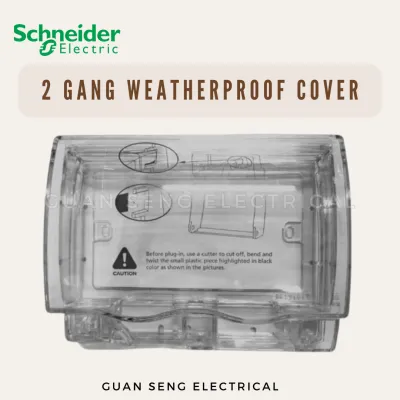
Box-type socket covers are protective plastic enclosures that fit over the entire wall outlet, including any cords that are currently plugged into it. These covers are specifically engineered for active sockets that power continuous household appliances, such as televisions, air purifiers, fans, or refrigerators. The box mounts securely over the faceplate, enclosing the plug heads entirely, while the appliance cords feed out through a small, adjustable slit or channel at the bottom or side of the enclosure. This design prevents toddlers from pulling out the plugs, tampering with the live prongs, or chewing on the cord bases. While highly effective at securing active cords, box-type covers add significant physical depth and bulk to your walls, which can prevent furniture from sitting flush against the wall and may look visually obtrusive in open living spaces.
Products mentioned in this guide
![[Local Seller!] Baby Safety Electrical UK 3pin Power Outlets Socket Cover Plug Caps Japan Brand KM1037 - 5pcs](https://img.lazcdn.com/g/p/ea9601dbec0eaea46fd1122e080ef0b2.jpg_400x400q80.jpg_.webp)
Prices are valid at publication and may change. Please refer to the product page for the latest price.
Sliding Socket Plates
Sliding socket plates are integrated safety covers that feature a spring-loaded sliding mechanism over the entry points of the socket. When you unplug an appliance, the internal shutters automatically slide closed to block the pin holes, requiring no manual action from the caregiver to re-secure the outlet. To plug a device in, you must insert the plug prongs into the sliding cover, slide it to the side to align with the internal contacts, and push the plug all the way in. These covers are available either as full replacement wall plates that replace your existing electrical outlets or as adhesive overlays that stick directly onto the face of your current faceplates. Sliding plates offer a clean, streamlined aesthetic with no removable parts to lose, making them exceptionally convenient for high-traffic areas where devices are plugged in and unplugged daily.
Key Comparison Dimensions for Baby-Proofing
Security and Toddler Resistance
Evaluating the security of each plug cover requires looking closely at your child’s fine motor skills, pincer grasp, and problem-solving abilities. Insert-type covers can pose a security risk as toddlers grow; older, determined children often develop the finger strength and dexterity to pry these caps out using their fingernails, toys, or flat household objects. Once removed, the open socket is exposed, and the loose plastic cap itself becomes an immediate safety risk. Box-type covers offer exceptionally high security for active plugs because they completely isolate the electrical connection behind a latched door. However, the security of a box cover depends heavily on the complexity of its latching mechanism; some basic models feature simple squeeze tabs that older children can eventually figure out, so parents should choose designs requiring multi-step physical manipulation. Sliding socket plates rely on robust internal spring mechanisms that require a coordinated, dual-direction force to open, which is highly resistant to toddler attempts but can become compromised if dust, dirt, or sticky residue jams the sliding track.
Ease of Use for Adults
The daily friction a safety device adds to your routine is a major factor in whether it remains used consistently. Sliding socket plates offer the highest level of adult convenience because they require zero manual steps to re-engage after unplugging a device; the spring mechanism does the work instantly, preventing human error. Conversely, box-type covers require you to open a latch, lift a hinged cover, insert the plug, route the cord correctly, and snap the cover shut every single time you want to use the outlet. This multi-step process can become highly frustrating for outlets used daily for vacuum cleaners, phone chargers, or hair dryers. Insert-type covers fall in the middle but lean toward inconvenient; every time you need the outlet, you must locate the removal tool, pry the cap out, store it safely out of the child’s reach, and remember to plug it back in when you are finished. If caregivers find a cover too tedious to use, they are more likely to leave the outlet unprotected, defeating the purpose of baby-proofing.
Compatibility with Singapore Type G Sockets
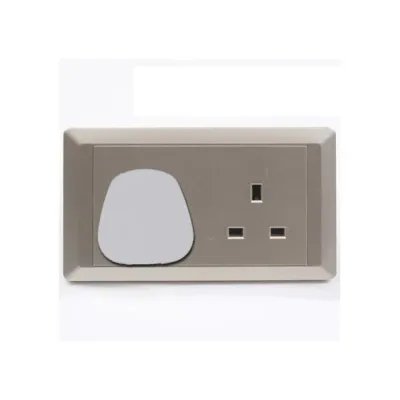
When purchasing safety accessories online or in local baby stores, you must account for the physical specifications of Singapore’s electrical infrastructure. Singapore standardises on the Type G electrical outlet, which features a three-pin rectangular configuration operating on a 13-amp system. Many baby-proofing products sold globally are designed for US (Type A/B) or European (Type C/F) outlets, which are completely incompatible with local Type G faceplates. You must verify that any plug cover explicitly states compatibility with Type G or UK-standard sockets before purchasing. Furthermore, homes in Singapore—ranging from older HDB flats to modern private condominiums—often feature switched sockets (outlets with individual on/off rocker switches next to the pin holes) or integrated USB ports. Bulky box covers or adhesive sliding overlays can block these switches or fail to sit flush against the faceplate if the dimensions do not align perfectly, so measuring your existing wall plates is a critical preliminary step.
Comparison Table: Insert vs. Box vs. Sliding Covers
| Cover Type | Best For | Security Level | Adult Convenience | Aesthetic Impact | Verification Needed |
|---|---|---|---|---|---|
| Insert-Type | Rarely used or hidden outlets | Basic | Low (requires removal tool) | Minimal but visible | Check for secure fit and choking hazards |
| Box-Type | Sockets with active, plugged-in cords | High | Medium (requires opening latch) | Bulky and prominent | Measure faceplate and cord thickness |
| Sliding Plate | Frequently used outlets | High | High (automatic closing) | Clean and seamless | Verify Type G fit and adhesive durability |
How to Choose the Right Plug Cover for Your Household
To build a practical baby-proofing plan, assess each room in your home based on how you interact with the electrical outlets daily.
- Choose Sliding Socket Plates if: You want a permanent, low-maintenance solution for high-traffic outlets, such as those in the kitchen, living room, or hallway where you regularly plug in vacuum cleaners, iron boards, or phone chargers. If you select the full replacement plate version, ensure you are comfortable with basic electrical work or are willing to hire a professional to install them safely.
- Choose Box-Type Covers if: You need to secure sockets that must remain continuously active to power essential household appliances, such as air purifiers, dehumidifiers, entertainment systems, or nursery monitors. These covers are ideal for preventing toddlers from pulling on cords, which can damage the appliance or expose live, partially dislodged plug prongs.
- Choose Insert-Type Covers if: You are working with a limited budget and need to secure outlets that are rarely used, such as those in guest bedrooms or positioned behind heavy, immovable furniture like wardrobes or large bookshelves. Ensure the child cannot easily reach these areas, and inspect the inserts periodically to confirm they remain tightly wedged in the socket.
- Verify First if: Your existing outlets feature integrated rocker switches, built-in USB charging ports, smart home modules, or non-standard decorative faceplates. Standard box covers and adhesive sliding overlays often rely on flat, uniform surfaces and can fail to fit or function correctly if your wall plates have raised profiles, curved edges, or side-mounted switches.
Installation and Safety Verification Steps
Proper installation and ongoing maintenance are essential to ensure your childproofing measures remain effective over time. For insert-type and box-type covers, start by cleaning the faceplate to remove any oils or dust, then insert or mount the cover according to the manufacturer’s instructions. Regularly inspect these plastic devices for physical wear, cracks, or loose fits; plastic can degrade over time due to UV exposure or humidity, increasing the risk of small parts breaking off and presenting choking hazards.
If you select sliding socket plates that require replacing the actual wall plate, safety must be your absolute priority. Always turn off the main power supply at the distribution board (DB box) before attempting any electrical work, and verify that the circuit is completely dead using a reliable voltage tester. In Singapore, it is highly recommended to hire a licensed electrician to perform any hardwired electrical installations to ensure full compliance with local safety standards and avoid risking electrical fires or voiding home insurance policies.
Finally, remember that no safety accessory can replace active adult supervision. As your child grows, their physical strength, reach, and problem-solving abilities will expand rapidly, allowing them to bypass basic physical barriers. Combine physical covers with early, consistent education about the dangers of electricity, teaching your child to stay away from wall outlets and cords entirely.
Frequently Asked Questions (FAQ)
Are insert-type plug covers a choking hazard?
Yes, insert-type plug covers can become a choking hazard if a child manages to pry them out of the socket. Because they are small, lightweight, and made of hard plastic, they fit easily into a toddler’s mouth. If you use insert-type covers, ensure they fit very snugly into the Type G socket, and inspect them regularly for signs of wear. Switch to box-type covers or sliding plates as soon as your child develops the pincer grasp or shows an interest in manipulating the inserts.
Do I need to baby-proof sockets hidden behind furniture?
Yes, it is highly recommended to secure sockets located behind furniture. While heavy wardrobes or sofas may seem to block access, toddlers are surprisingly persistent and can squeeze into tight gaps, push lighter furniture aside, or pull on cords hanging down from behind the items. Securing these hidden outlets with box-type covers or tight-fitting inserts prevents accidental contact and stops children from pulling active plugs out of their sockets.
Can I use plug covers on sockets with built-in USB ports?
Standard insert-type or box-type covers often do not fit sockets with integrated USB ports or smart switches because these outlets have unique layouts, extra ports, or non-standard faceplate dimensions. Before purchasing, carefully measure your outlet’s surface and check the manufacturer’s specifications. You may need to source specialized, oversized box covers or opt for adhesive sliding overlays designed specifically to accommodate multi-functional Type G wall plates.
Community discussion
Share your experience or ask a question. Comments are reviewed before publication.