
Children’s skin is significantly thinner, more delicate, and more permeable than adult skin, making it highly susceptible to irritation from the chemical residues left behind on clothing, bedding, and towels. When choosing a kids’ laundry liquid, parents often face a confusing array of marketing terms, complex chemical names, and conflicting advice. Selecting the right detergent requires looking past front-label promises and learning how to identify specific surfactants, preservatives, and additives that can trigger contact dermatitis or flare-ups of sensitive skin. By understanding which ingredients to avoid and how to adjust your washing habits, you can protect your child’s skin barrier while keeping their clothes clean and fresh.
Common Irritants to Check on Detergent Labels
When scanning the back of a laundry bottle, the ingredient list can often look like a complex chemistry textbook. Among the most common culprits for skin irritation are specific synthetic surfactants, which are the active cleaning agents responsible for lifting dirt from fabric. Surfactants like Sodium Lauryl Sulfate (SLS) are highly effective at stripping grease, but they can also strip the natural lipids and moisture from a child’s skin barrier, leading to dryness, redness, and itching. While milder alternatives like Sodium Laureth Sulfate (SLES) or coco-glucoside are often used in gentler formulations, parents of children with highly sensitive skin or eczema should still monitor how their child’s skin reacts to these compounds.
Preservatives are necessary in liquid detergents to prevent the growth of bacteria, yeast, and mold, but certain types are notorious skin sensitizers. Isothiazolinone derivatives, such as Methylisothiazolinone (MI), Benzisothiazolinone (BIT), and Methylchloroisothiazolinone (MCI), are frequently associated with allergic contact dermatitis. Formaldehyde-releasing preservatives, which may appear on labels under names like DMDM hydantoin, diazolidinyl urea, or imidazolidinyl urea, are another group of ingredients to watch out for. Checking the ingredient list for these specific chemical names is a more reliable way to protect your child’s skin than relying solely on front-of-bottle marketing.
Products mentioned in this guide
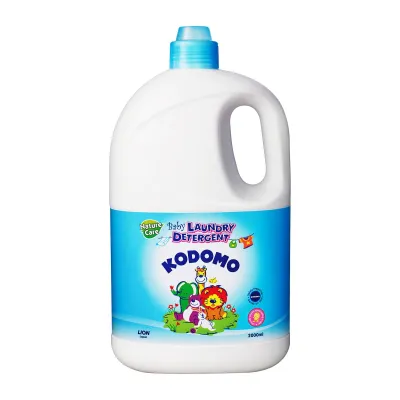
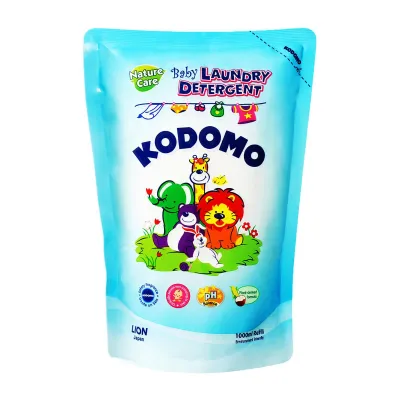
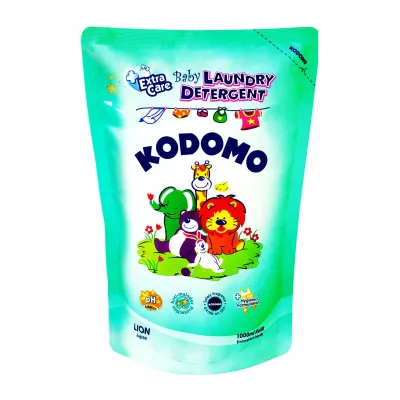
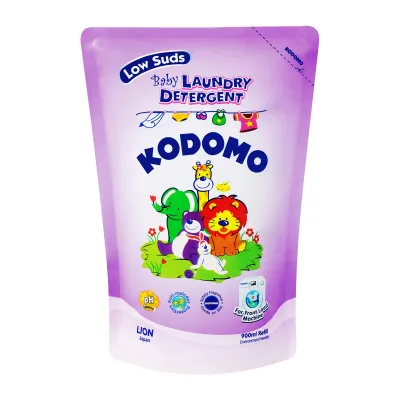
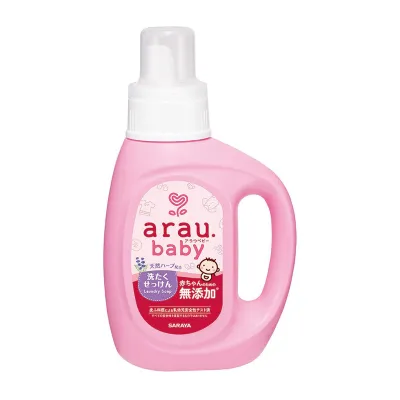
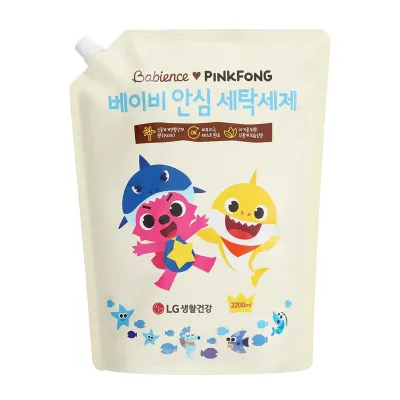
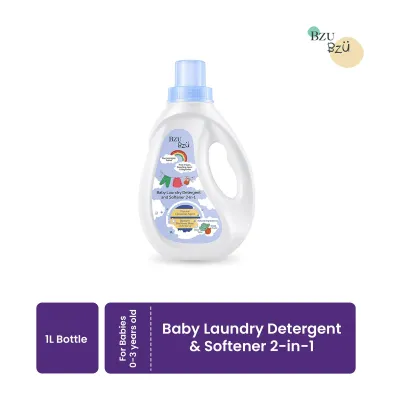
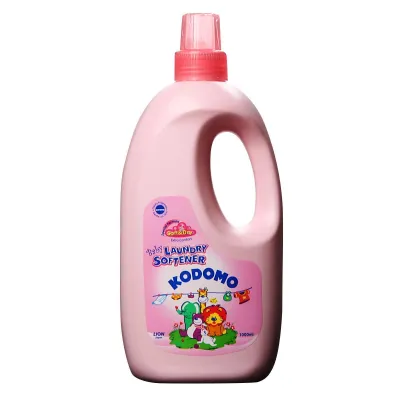
Prices are valid at publication and may change. Please refer to the product page for the latest price.
Synthetic fragrances and artificial dyes serve no functional purpose in cleaning clothes and are primary triggers for skin sensitization. Fragrances are often complex mixtures of dozens of individual chemicals, many of which do not have to be disclosed individually on the label under proprietary ingredient laws. Artificial dyes, used purely to give the liquid an appealing color, can also leave microscopic residues on fabric fibers that rub against your child’s skin throughout the day. Opting for products that completely omit these unnecessary additives is one of the simplest ways to reduce the risk of contact irritation.
Optical brighteners are another class of additives frequently found in standard laundry detergents that parents should avoid. These chemical compounds, such as stilbene derivatives, absorb ultraviolet light and emit blue light to make yellowed fabrics appear whiter and brighter. Because optical brighteners are designed to remain on the fabric fibers after rinsing to achieve this visual effect, they stay in constant contact with your child’s skin, which can lead to friction-induced irritation and allergic reactions.
Decoding "Free and Clear" and "Hypoallergenic" Claims
Marketing terms on laundry detergent bottles can be highly misleading if you do not know how to decode them. A common point of confusion is the difference between “fragrance-free” and “unscented” labels. A truly fragrance-free product contains no added fragrance chemicals or masking scents whatsoever. In contrast, an unscented product may actually contain masking fragrances designed to neutralize the natural smell of the raw ingredients, resulting in a neutral scent that can still trigger reactions in sensitive individuals. For children’s laundry, always prioritize “fragrance-free” over “unscented.”

Similarly, terms like “natural,” “plant-based,” or “botanical” do not automatically guarantee that a product is safe or non-irritating. Many plant-derived ingredients, such as essential oils (like lavender, eucalyptus, or tea tree oil), contain natural allergens that can cause skin sensitization just as easily as synthetic fragrances. A plant-based surfactant can still be processed in a way that makes it harsh on delicate skin. Rather than relying on vague natural claims, parents should look for specific, verifiable indicators of gentleness.
The term “hypoallergenic” is also not legally regulated or standardized in many regions, meaning manufacturers can use it based on their own internal criteria. To verify the suitability of a kids’ laundry liquid, look for products that explicitly state they have undergone dermatologist testing or carry recognized third-party allergy certifications. These certifications often require formulations to pass strict skin patch tests and exclude known high-risk allergens. However, because individual skin sensitivities vary, even certified products should be introduced with care. Always check the manufacturer’s packaging for specific age recommendations, usage instructions, and safety warnings to ensure the product aligns with your child’s developmental stage.
How to Transition and Monitor Skin Reactions
When introducing a new kids’ laundry liquid into your household, a gradual transition is the safest approach to isolate any potential triggers. Start by washing a small, select batch of your child’s clothing—such as a few everyday t-shirts or pajamas—with the new detergent. Have your child wear these items for a day or two while keeping their bedding and other garments washed in your previous, trusted detergent. This controlled introduction makes it much easier to identify if a specific product is causing a reaction, rather than guessing after washing the entire household’s laundry at once.
During this transition period, closely monitor your child’s skin for any observable signs of irritation. Look for localized redness, dry or flaky patches, small raised bumps, or signs of itching, particularly in areas where clothing fits tightly or where sweat accumulates, such as the collar line, cuffs, waistband, and the insides of elbows and knees. Keep in mind that contact dermatitis can sometimes take up to 48 to 72 hours to appear after exposure, so a slow observation period is essential.
If you observe any signs of skin irritation, stop using the new detergent immediately. Rewash the affected clothing in plain, warm water or a previously tolerated detergent to remove any lingering residues. If the skin irritation does not improve within a few days after stopping the detergent, or if the reaction is severe, widespread, or causing your child significant discomfort, pause the transition entirely and consult a pediatrician or a pediatric dermatologist for professional advice. Do not attempt to treat severe rashes with over-the-counter medicated creams without professional guidance, as this can sometimes exacerbate the irritation or mask underlying symptoms.
Washing Habits That Minimize Detergent Residue
Even the gentlest kids’ laundry liquid can cause skin irritation if it is not thoroughly rinsed from the fabric fibers. One of the most common causes of detergent buildup is using too much product. Always measure the detergent carefully using the cap or a measuring cup, rather than pouring it directly into the machine by eye. Adjust the dosage based on the size of the load, the level of soil, and your local water hardness. Hard water often requires slightly more detergent to clean effectively, while soft water requires less; using too much detergent in soft water makes it incredibly difficult for the machine to rinse the soap away completely.
Utilizing an extra rinse cycle is a highly effective habit when washing children’s garments, bedding, and sleepwear. Most modern washing machines offer an “extra rinse” or “sensitive” setting that runs an additional cycle of clean water through the clothes before the final spin. This extra step helps flush out any microscopic surfactant or preservative residues that might have clung to the fabric during the standard wash cycle, providing an extra layer of protection for delicate skin. Avoid overloading the washing machine, as tightly packed clothes cannot move freely, which prevents water from circulating and rinsing away detergent effectively.
Finally, maintaining your washing machine is crucial to prevent mold, mildew, and bacterial buildup from transferring to your clean laundry. Over time, detergent residue, fabric softeners, and moisture can accumulate in the detergent drawer, rubber door seal, and drum, creating an environment where microbes thrive. Run a monthly maintenance cycle using a dedicated washing machine cleaner or a hot water cycle with white vinegar, and leave the machine door and detergent drawer open after each wash to allow the interior to dry completely.
Frequently Asked Questions (FAQ)
Do older kids still need dedicated baby detergent?
As children grow, their skin barrier gradually matures and becomes more resilient, typically resembling adult skin structure by the time they reach late toddlerhood or preschool age. However, the transition to standard family laundry detergents should be evaluated on an individual basis. If your child has a history of eczema, seasonal dryness, or highly sensitive skin, continuing to use a dedicated, fragrance-free kids’ laundry liquid is often beneficial. For active older children without skin sensitivities, you can gradually transition to a standard family detergent, provided it is free from harsh dyes and strong synthetic fragrances.
Should I avoid fabric softeners and dryer sheets?
Yes, it is highly recommended to avoid conventional liquid fabric softeners and dryer sheets when washing children’s clothing. These products work by leaving a thin, chemical coating of quaternary ammonium compounds and synthetic fragrances on the fabric fibers to make them feel softer and reduce static. This coating can trap moisture and heat against your child’s skin, leading to irritation, and can also reduce the flame retardancy of children’s sleepwear. Instead, use mechanical alternatives such as reusable wool dryer balls or clean tennis balls in the dryer, which naturally soften fabrics and reduce static without adding chemical residues.

Community discussion
Share your experience or ask a question. Comments are reviewed before publication.