
To protect your child’s delicate skin from irritation, dryness, and contact dermatitis, you should avoid synthetic fragrances, artificial dyes, harsh preservatives like isothiazolinones, and heavy cationic surfactants when choosing a kids softener. Children’s skin is structurally different from adult skin, making it far more susceptible to the chemical residues left behind on clothing, bedding, and towels. In tropical climates like Singapore’s, where high humidity and heat lead to frequent sweating, these residues can easily dissolve and trap moisture against the skin, triggering discomfort. By learning to decode ingredient lists and identifying potential irritants, you can ensure your family’s laundry routine supports, rather than compromises, your child’s skin health.
Why Children's Skin Needs Special Fabric Softener Considerations
An infant’s or young child’s skin barrier is still developing and is structurally different from that of an adult. It is significantly thinner, more permeable, and has a higher rate of transepidermal water loss. Because the outer layer of the skin (the stratum corneum) is less robust, it is far more susceptible to absorbing environmental chemicals and experiencing irritation from topical residues. What might be a harmless trace of a chemical on an adult’s skin can easily penetrate a child’s weaker barrier, causing immediate or cumulative sensitivity.
Furthermore, children spend virtually the entire day in direct, prolonged contact with fabrics. From the onesies they wear to sleep, to the bedsheets they lie on, to the towels used after a bath, their skin is constantly rubbing against textile fibers. When a fabric softener leaves a chemical coating on these fibers to make them feel plush, those chemicals remain in continuous contact with the child’s body. The friction of daily movement can force these residues deeper into the skin pores, especially during active play.
Products mentioned in this guide
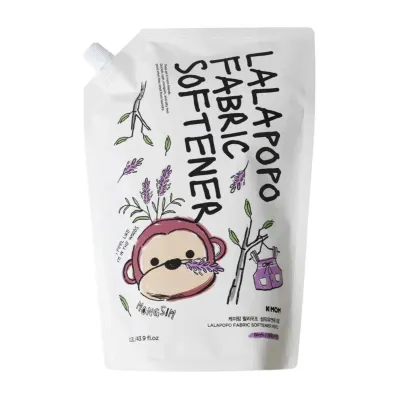
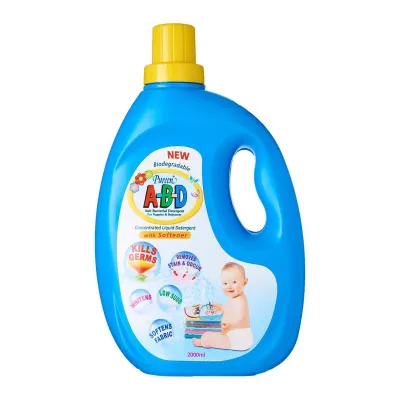
Prices are valid at publication and may change. Please refer to the product page for the latest price.
When a laundry product is causing contact irritation, the signs are typically localized and easy to observe. You might notice unexplained patches of redness, dry or rough skin, or persistent itching. These symptoms frequently flare up in areas where clothing fits snugly or where friction is highest, such as around the collar, cuffs, waistband, or the inner thighs. If your child is constantly scratching or showing signs of chafing in these specific zones, the culprit may well be the residue left behind by your fabric conditioning routine.
Identifying and avoiding specific irritants on laundry labels is a proactive step in managing sensitive skin. It is important to remember that switching to gentler laundry products is a preventative measure to eliminate daily environmental triggers, rather than a medical treatment for pre-existing conditions like eczema. If skin issues persist despite changing your laundry habits, consulting a healthcare professional is always the safest course of action.
Common Irritants in Kids Softener and Ingredient Categories to Watch Out For
When choosing a kids softener, relying on front-label marketing claims is rarely enough. To truly safeguard your child’s skin, you must look past the appealing packaging and scrutinize the ingredient list on the back of the bottle for specific chemical classes that are known to cause issues.

Synthetic Fragrances and Artificial Dyes
The terms “Fragrance” or “Parfum” on an ingredient label are legally protected trade secrets. This means manufacturers are not required to disclose the individual chemical compounds used to create their signature scents. A single fragrance entry can represent a complex mixture of dozens of undisclosed synthetic chemicals, including phthalates and synthetic musks. These volatile compounds are among the most frequent triggers for contact dermatitis and respiratory sensitivities in young children.
Artificial dyes serve an entirely aesthetic purpose, giving the liquid softener its pastel pink, blue, or purple hue. They are often listed on the label with the prefix “CI” (Color Index) followed by a five-digit number, or as specific color names like Acid Blue or D&C Red. These colorants provide absolutely no functional benefit to the softening process; they exist solely for consumer appeal. However, they introduce unnecessary chemical exposure directly to your child’s clothing, increasing the risk of skin sensitization.
Parents should also understand the difference between products that use masking scents and those that are genuinely formulated without added scent compounds. A product labeled “unscented” is formulated to have no noticeable smell, which often means the manufacturer has added a neutralizing chemical or masking fragrance to cover up the unpleasant scent of the raw ingredients. Conversely, a “fragrance-free” product contains no added scent chemicals or masking agents whatsoever, making it the much safer option for delicate skin.
Harsh Preservatives and Surfactants
Because liquid fabric softeners are water-based formulations, they require preservatives to prevent the growth of bacteria, mold, and yeast during storage. However, some preservative families are highly problematic for children’s skin. Look out for isothiazolinones, such as methylisothiazolinone (MI) and benzisothiazolinone (BIT), which are powerful contact allergens. Formaldehyde-releasing agents, such as DMDM hydantoin or imidazolidinyl urea, should also be avoided, as they slowly release small amounts of formaldehyde to preserve the product, which can easily irritate sensitive skin.
Cationic surfactants are the active conditioning agents that make clothes feel soft. They work by depositing a thin, lubricating, positively charged chemical layer over the negatively charged fabric fibers, which makes the fibers stand up and feel smooth. However, heavy cationic surfactants, such as quaternary ammonium compounds (commonly referred to as “quats,” including distearyldimonium chloride or methyl bis-hydrogenated tallow ammonium methosulfate), can build up on fabric fibers over multiple washes. In Singapore’s hot and humid climate, this heavy chemical buildup can significantly reduce the breathability of the fabric, trapping sweat, heat, and bacteria against your child’s skin and potentially exacerbating heat rash or eczema.
To ensure you are not exposing your child to these compounds, always cross-reference front-label marketing claims with the actual ingredient list on the back of the bottle. A product that boasts a “gentle for baby” label on the front may still contain synthetic fragrances or heavy quats on the back. Taking a few moments to read the full ingredient list is the only way to verify the true safety profile of the product.
How to Read Labels and Verify "Baby-Safe" Claims
Navigating the laundry aisle requires a critical eye, as many terms used to market baby products are not strictly regulated. Understanding how to decode these claims will help you make informed decisions that protect your child’s skin.
First, prioritize “fragrance-free” over “unscented” on product labels. As established, unscented products can still contain hidden fragrance chemicals used to neutralize odors. A true fragrance-free label indicates that no scent-masking chemicals have been added, which dramatically lowers the risk of an adverse skin reaction. Always double-check the ingredient list to ensure no perfume or parfum is listed near the bottom.
Second, recognize the limitations of the term “hypoallergenic.” While this claim suggests that a product is formulated to minimize the likelihood of allergic reactions, it is primarily a marketing term rather than a strictly regulated medical guarantee. There is no industry-wide standard or testing protocol that a manufacturer must pass to use this label. A hypoallergenic fabric softener can still contain ingredients that trigger a reaction in a child with highly sensitive skin or specific allergies.
Third, look for reputable third-party dermatological testing seals or sensitive-skin certifications on the packaging. Certifications from independent bodies, such as the National Eczema Association (NEA) or Allergy Certified, indicate that the product has undergone independent scientific review and meets strict ingredient criteria. These seals offer a much higher level of assurance than a manufacturer’s self-declared claims.
Finally, beware of the “natural fallacy.” Many parents assume that “natural,” “organic,” or “plant-based” ingredients are automatically safe and gentle. However, plant extracts and essential oils, such as lavender, chamomile, or citrus oils, can be potent allergens and skin irritants for young children. Natural volatile organic compounds can trigger contact allergies and respiratory irritation just as easily as synthetic chemicals, meaning “natural” should never be equated with “irritant-free.”
Safe Usage Practices and Alternatives for Softening Kids' Clothes
If you decide to use a liquid or sheet fabric softener, adopting safe usage practices can help minimize the risk of chemical buildup and skin irritation.
- Adhere to Dosage Instructions: Always measure the softener carefully and never exceed the manufacturer's recommended amount. Overusing the product leads to a heavy chemical residue on the fabric that is difficult to wash out.
- Utilize Extra Rinse Cycles: Set your washing machine to run an extra rinse cycle. This helps to flush away any lingering surfactant and preservative residues from the clothing fibers before they go into the dryer or onto the drying line.
- Check Garment Care Labels First: Fabric softeners can significantly reduce the flame retardancy of children's sleepwear and synthetic garments by coating the fibers in a flammable, oily residue. Always check the manufacturer's care labels on your child's clothing; many explicitly warn against using any fabric softeners or dryer sheets.
You can bypass chemical softeners entirely by using physical alternatives, such as 100% wool dryer balls. These balls tumble around in the dryer drum, naturally separating the clothes and softening the fibers through gentle physical agitation rather than chemical coatings. While they are highly effective at reducing static electricity and softening fabrics without leaving any chemical residue, they do have minor limitations: they do not add any scent to the laundry, and they can make a noticeable thumping noise inside the dryer. They are most appropriate for families looking to eliminate chemical exposure completely.
When introducing any new laundry product, establish a clear “skin observation protocol.” Wash a small, single batch of your child’s clothes with the new product first. Have your child wear these garments and monitor their skin closely over the next few days for any signs of redness, dryness, or itching. If you observe any adverse skin reactions, immediately discontinue use of the product, re-wash the affected clothing in plain water to remove the residue, and consult a pediatrician or dermatologist if the irritation does not subside.
Frequently Asked Questions (FAQ)
Can I use regular fabric softener if my child has no known allergies?
Even if your child has no known skin allergies, their skin barrier is still developing and remains thinner and more sensitive than adult skin. Regular fabric softeners contain high concentrations of synthetic fragrances, dyes, and strong surfactants that can cause delayed skin sensitization over time with repeated exposure. It is highly recommended to monitor their skin for any signs of dryness or mild irritation, and consider transitioning to gentler, fragrance-free formulas to proactively protect their skin health.
Are plant-based or essential oil softeners always safe for babies?
No, plant-based or essential oil softeners are not automatically safe for babies. While they avoid synthetic petrochemicals, botanical extracts and essential oils contain natural volatile organic compounds that are known allergens. Essential oils like lavender, chamomile, or eucalyptus can trigger contact dermatitis on delicate infant skin and may also cause respiratory irritation in young children. Always check for specific pediatric safety guidelines and opt for completely fragrance-free options if your child has highly sensitive skin.
Do I really need to use fabric softener for kids' clothes?
Fabric softeners are entirely optional and are not a necessary step in keeping your child’s clothes clean. While they provide benefits like static reduction, extra softness, and a pleasant scent, these advantages come with the trade-offs of chemical residue buildup, reduced fabric breathability, and potential skin irritation. You can easily achieve acceptable fabric softness without chemical additives by using proper washing techniques, avoiding overloading your washing machine, and utilizing alternative drying methods like wool dryer balls or line drying in a well-ventilated space.

Community discussion
Share your experience or ask a question. Comments are reviewed before publication.