
Selecting an infant swing for your home in Singapore involves balancing comfort with strict safety considerations. While a swing can provide a soothing, rhythmic motion that helps calm an active baby, it is not a hands-off babysitter or a substitute for a safe sleep environment. Ensuring your baby’s safety requires a thorough understanding of three critical pillars: verifying recognized safety certifications, identifying robust physical design features, and adhering strictly to daily usage boundaries.
No infant swing is entirely risk-free. True safety is only achieved when parents combine a high-quality, well-manufactured product with active adult supervision and a commitment to correct operation. This guide outlines the essential certifications, structural elements, and daily safety practices you must evaluate before purchasing an infant swing to ensure a secure environment for your child.
How to Verify Safety Certifications and Standards
In Singapore, nursery products are sold through various local and international retailers. While local consumer protection frameworks exist, you must look for recognized international safety standards on the product packaging, labels, or user manuals. The most common and rigorous standards include ASTM F2088 (established by the American Society for Testing and Materials) and EN 12790 (the European standard for infant swings and reclined cradles). Some models may also carry AS/NZS standards, which are the joint standards of Australia and New Zealand.
Products mentioned in this guide
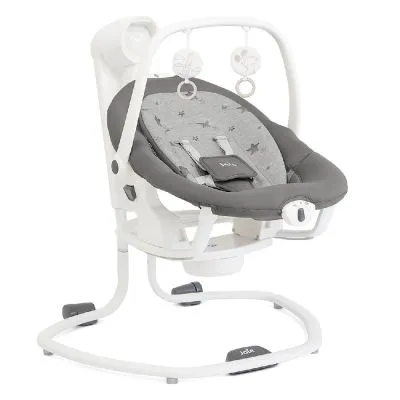

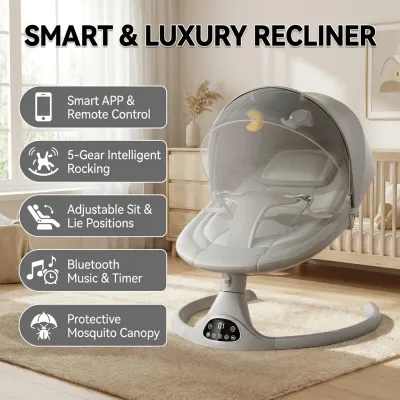
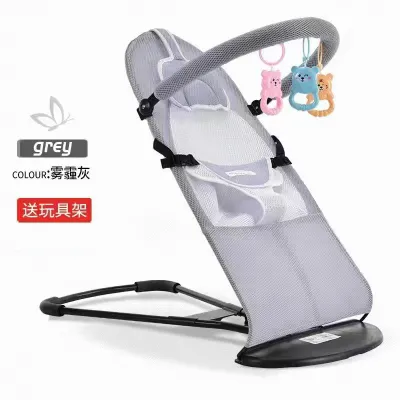
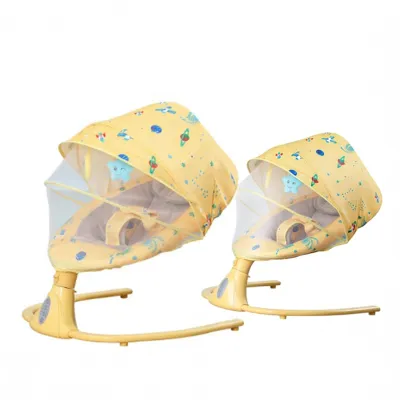
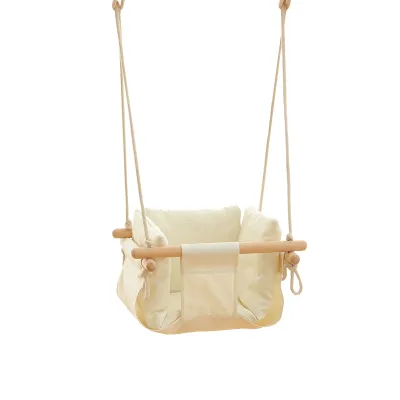
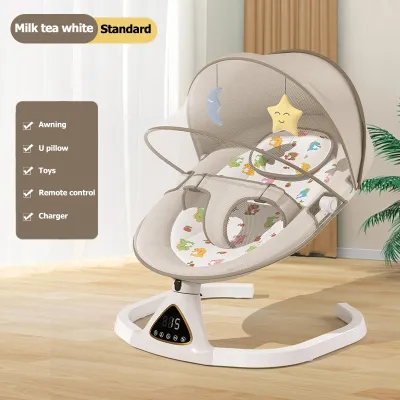
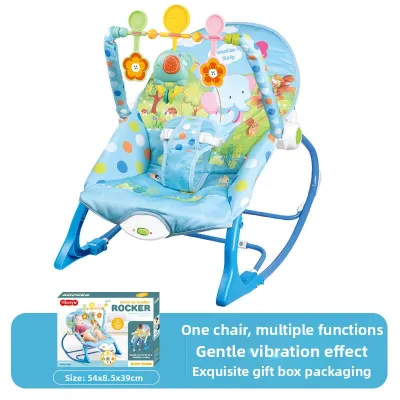
Prices are valid at publication and may change. Please refer to the product page for the latest price.
These standards ensure that the swing has undergone rigorous testing for structural integrity, dynamic load capacity, and chemical safety. For example, certified swings are tested to ensure that the plastics and fabrics do not contain harmful levels of lead, phthalates, or flame retardants. They also undergo stability tests to ensure the unit will not tip over under normal operating conditions.
To verify these certifications, do not rely solely on online marketing descriptions. Physically inspect the swing’s frame, base, or fabric seat for a permanently attached label indicating compliance with these specific standards. If you are shopping online, consult the manufacturer’s official website or request the user manual to confirm that the product has undergone independent laboratory testing.
Avoid purchasing unbranded, generic, or suspiciously cheap swings from unregulated online marketplaces. These products often lack clear manufacturer details, traceable batch numbers, or age and weight grading. Without these details, you have no guarantee that the materials used are non-toxic, or that the frame can withstand the dynamic forces of a swinging infant.
Additionally, ensure the packaging or documentation clearly lists the contact information for the manufacturer or the authorized distributor in Singapore. Having access to direct support is vital for registering your product, receiving safety updates, and obtaining prompt notifications in the event of a product recall.
Essential Design Features That Prevent Accidents
Physical design features form the physical defense against tipping, falling, or structural failure. When evaluating different models, look past aesthetic designs and focus on three mechanical areas: the harness, the base, and the seat recline.

Secure Harness Systems
A secure restraint system is the primary defense against falls and slips. When comparing infant swings, a 5-point harness is highly recommended over a 3-point harness or a simple waist belt. A 3-point harness only secures the waist and crotch, leaving the upper torso free to lean forward or spill over the side if the baby arches their back. A 5-point harness adds shoulder straps, anchoring the baby’s entire torso securely against the seat back. This prevents dangerous slumping and lateral tipping.
Examine the buckle mechanism closely. It must require enough force or a specific dual-action press to open so that an infant or a young sibling cannot accidentally release it. The straps should be constructed from durable, tightly woven webbing that does not fray easily, and they must be fully adjustable to provide a snug fit against your baby’s body without leaving dangerous gaps.
Base Stability and Structural Integrity
The physical footprint of the swing determines its stability. Look for a wide, low-profile base that keeps the center of gravity close to the ground, minimizing the risk of the unit tipping over during vigorous swinging. High-grade steel or aluminum tubing is preferred over thin, flexible plastic frames. The joints where the legs meet the upper housing should be reinforced with metal brackets or high-impact composite plastics.
In Singapore, many homes feature smooth flooring surfaces such as polished marble, ceramic tiles, or vinyl. On these surfaces, a swing can gradually drift or “walk” due to the kinetic energy of the swinging motion. To prevent this, verify that the base is equipped with robust, non-slip rubber feet that grip the floor securely.
If you are considering a foldable swing to save space in a compact HDB flat, pay close attention to the folding joints. The locking mechanisms must engage securely with an audible click or a visible locking indicator, ensuring the frame cannot accidentally collapse while your baby is in the seat.
Recline Angles and Head Support
Proper seat recline is essential for protecting an infant’s developing airway and spine. Newborns lack the neck strength to hold their heads upright, making them highly vulnerable to positional asphyxiation if their head slumps forward onto their chest. Look for a swing that offers multiple recline angles, including a deeply reclined position suitable for very young infants.
Young infants have soft, pliable airways. When their chin drops to their chest, the trachea can bend and close off, similar to a folded garden hose. Because infants do not have the neck strength to lift their heads back up, this can happen silently without the baby struggling or crying. This is why a proper recline angle is critical for newborns.
Avoid any swing that forces the baby’s spine into an overly curved or slumped posture. The seat must provide firm, even support along the back and neck.
If the swing includes a head support pillow or body insert, verify that it is an original accessory designed and tested specifically for that model by the manufacturer. Never add aftermarket pillows or rolled towels, as these can push the baby’s head forward or create a suffocation hazard.
Daily Usage Rules to Minimize Injury Risks
Even the most certified, structurally sound infant swing can become hazardous if used incorrectly. Establishing strict daily usage rules in your household is vital to mitigating known safety risks.
- The Sleep Rule: The most critical rule of infant swing safety is that swings are not safe sleep environments. This applies to overnight sleep, unsupervised naps, and even supervised naps. Because the seat is angled, a sleeping baby's head can easily droop forward, compressing their windpipe and restricting oxygen flow. If your baby falls asleep in the swing, you must immediately transfer them to a flat, firm sleep surface, such as a crib, cot, or bassinet that complies with safe sleep guidelines.
- Supervision: An infant swing must never be used as a substitute for active caregiving. Always maintain direct, unobstructed line of sight with your baby while they are in the swing. Do not leave the room or attend to tasks that distract you for extended periods, even if the baby is awake and content.
- Placement: Always place the infant swing on a flat, level floor. Never place the unit on elevated surfaces such as dining tables, kitchen countertops, sofas, or beds. The motion of the swing, combined with the baby's movements, can cause the unit to slide off elevated surfaces, resulting in severe fall injuries.
- Accessories: Do not customize or add items to the swing. Avoid using aftermarket seat liners, extra blankets, or loose toys that were not supplied by the original manufacturer. These items can easily interfere with the harness system, pose a suffocation risk, or present an entanglement hazard if they fall near the baby's face.
- Movement: Never attempt to lift, carry, or relocate the swing while your baby is inside. The frame is not designed to support dynamic lifting forces with a baby's weight distributed, which can cause the handles or locking joints to fail. Always remove your baby from the seat before moving the swing to another room.
Clear Signals to Stop Using the Swing
Infant swings have a limited operational window based on your baby’s physical and developmental growth. Knowing when to retire the swing is crucial for preventing serious accidents.
First, closely monitor the manufacturer’s specified weight and height limits. These limits are not suggestions; they are the boundaries within which the motor, frame, and harness have been safety-tested. Stop using the swing immediately once your baby reaches either the maximum weight or height threshold.
Second, watch for developmental milestones. You must stop using the swing as soon as your baby shows signs of being able to sit up unassisted, roll over, or attempt to push themselves up on their hands and knees. An active baby who can move independently can easily shift their weight, causing the swing to tip, or they may attempt to climb out, risking a dangerous fall.
Finally, perform regular physical inspections of the swing. Check the harness straps for any signs of fraying, inspect the plastic buckles and frame joints for hairline cracks, and listen for any unusual grinding or squeaking noises from the motor. If you detect any structural wear or mechanical malfunction, discontinue use immediately and contact the manufacturer or local distributor.
Frequently Asked Questions (FAQ)
Is it safe for my baby to take a short nap in the swing while I watch?
No, it is not safe. Infant swings are designed strictly for supervised, awake activity, not for sleep. Even under direct supervision, a semi-reclined swing seat allows a baby’s heavy head to slump forward, which can block their airway and lead to silent positional asphyxiation. If your baby begins to doze off, gently remove them from the swing and place them on their back in a firm, flat crib or bassinet.
What should I check before using a second-hand infant swing?
Using a second-hand swing carries hidden risks, such as weakened plastic frames, degraded harness webbing, or missing internal components. Before using a pre-owned swing, obtain the exact brand and model number and check it against official consumer product safety recall databases. Ensure that the original instruction manual is present to verify correct assembly and safety limits, and meticulously inspect every joint, buckle, and strap for signs of wear or structural fatigue. If the swing is missing parts or shows signs of heavy wear, do not use it.
Community discussion
Share your experience or ask a question. Comments are reviewed before publication.