
Creating a safe sleeping environment is one of the most critical responsibilities for parents preparing for a new arrival. In Singapore, ensuring that an infant bed meets rigorous safety standards is essential to protect your baby from preventable sleep hazards, including entrapment, falls, and suffocation. While Singapore does not mandate a singular domestic safety mark specifically for nursery furniture, all infant beds sold locally must comply with general consumer product safety requirements. To guarantee a secure environment, parents must verify that their chosen infant bed meets recognized international safety certifications and passes a series of physical safety checks before its first use.
Navigating the market requires understanding what certifications to look for, how to inspect the physical build of the bed, and when to transition your baby to a different sleeping arrangement. By taking a proactive approach to safety verification, you can confidently select a crib that protects your child throughout their early developmental stages.
Navigating Safety Regulations for Infant Beds in Singapore
The consumer product safety landscape in Singapore is designed to protect families from substandard or hazardous goods. The Consumer Product Safety Office (CPSO), an agency safeguarded under Enterprise Singapore, oversees the safety of general consumer products sold in the local market. Unlike certain household electrical appliances that require a specific safety mark, nursery furniture—including an infant bed—falls under general safety regulations. This means that while there is no mandatory local testing seal stamped on every crib, importers, distributors, and retailers are legally obligated to ensure that the products they supply do not pose any unreasonable risk of injury to consumers.
Products mentioned in this guide
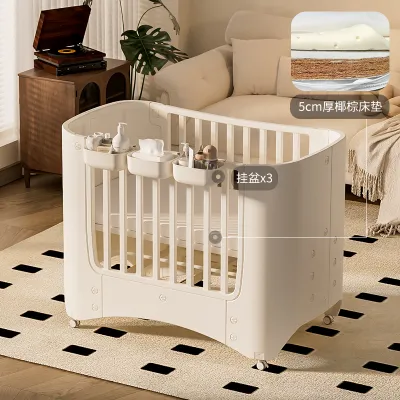
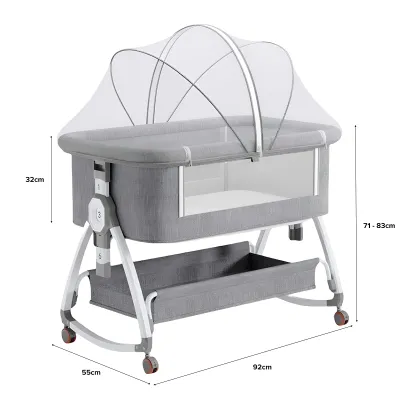
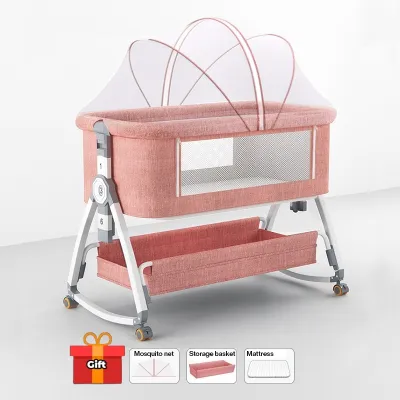
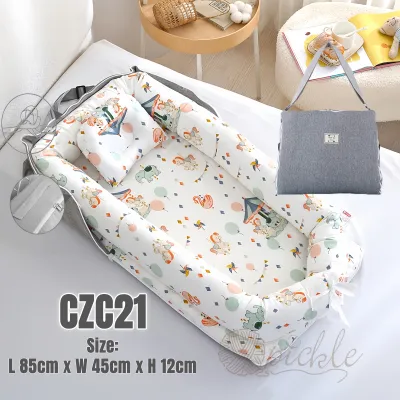
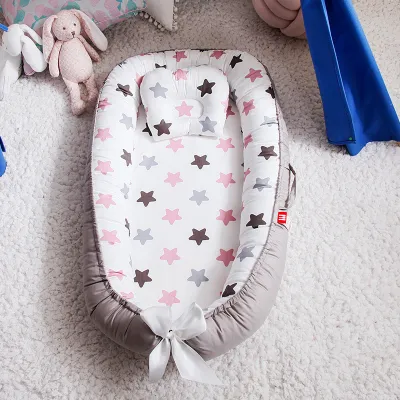
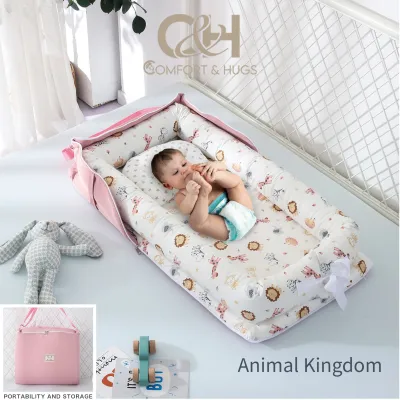
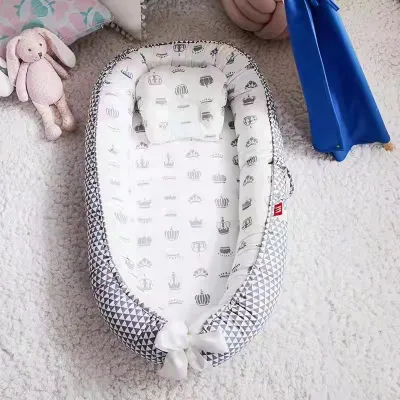
Prices are valid at publication and may change. Please refer to the product page for the latest price.
Because the regulatory framework places the onus of safety on the supply chain, purchasing from the right sources is paramount. Parents should prioritize buying infant beds from reputable retailers, established department stores, or official brand stores in Singapore. These businesses are far more likely to conduct rigorous quality control, maintain direct lines of communication with manufacturers, and provide official safety testing documentation upon request. Conversely, purchasing from unverified third-party sellers on online marketplaces carries a higher risk of acquiring non-compliant or counterfeit products that lack essential safety features.
When evaluating an infant bed, do not rely solely on product descriptions or marketing claims. Look for visible compliance marks, safety labels, and manufacturer declarations of conformity. These are typically located on the product packaging, within the user manual, or printed directly on the underside of the bed frame. If a retailer cannot provide clear documentation of safety testing or the origin of the product, it is best to choose a different model to ensure your child’s safety.
Recognized International Safety Certifications to Verify
Because local regulations align closely with global safety benchmarks, the most reliable way to ensure an infant bed is safe is to verify its compliance with recognized international standards. These standards are developed by expert organizations to address every aspect of crib safety, from structural stability to material toxicity. When shopping, parents should actively look for and verify the following certifications:

European Standards (EN 716) The European standard EN 716 (specifically EN 716-1 and EN 716-2) is one of the most common and respected certifications for children’s cots and folding cots designed for domestic use. This standard specifies stringent requirements for the physical dimensions of the bed, structural integrity, and material safety. It ensures that the height of the cot sides is sufficient to prevent falls, that there are no gaps that could trap a baby’s head or limbs, and that any paints, varnishes, or plastic materials used are entirely non-toxic and lead-free.
United States Standards (ASTM F1169) The American Society for Testing and Materials (ASTM) sets the standard ASTM F1169 for full-size baby cribs. This standard is famous for its rigorous testing protocols, which simulate years of heavy use to ensure the bed will not collapse or break. Notably, ASTM F1169 includes a strict prohibition against traditional drop-side cribs. If an infant bed claims compliance with this standard, it must feature fixed sides or highly secure, non-hazardous locking mechanisms that prevent accidental detachment.
Australian/New Zealand Standards (AS/NZS 2172) Widely referenced across the Asia-Pacific region, the AS/NZS 2172 standard outlines safety requirements for cots used in domestic environments. This standard places a heavy emphasis on structural stability, mattress fit, and the prevention of entrapment. It requires specific testing to ensure that the bed can withstand impact and that the mattress base remains secure under dynamic loads.
To ensure these certifications are genuine, do not take a product label at face value. Parents should cross-reference the manufacturer’s stated certifications with the independent testing laboratory’s mark (such as SGS, TÜV SÜD, or Intertek) on the product label. Verify that the model number on the test certificate matches the exact model of the infant bed you are purchasing.
Essential Physical Safety Checks Before Purchase and Use
Even when an infant bed carries the correct certifications, performing a physical inspection before purchase and during assembly is a critical step in verifying its safety. Manufacturing defects, shipping damage, or improper assembly can compromise an otherwise safe design. Use the following practical checklist to evaluate the bed:
Slat Spacing and Entrapment The distance between the slats of the infant bed must be carefully measured to prevent head or limb entrapment. The standard safe gap between slats is between 50mm and 60mm. If the slats are too far apart, a baby’s body can slip through, leaving their head trapped, which poses a severe strangulation hazard. A practical way to estimate this at home is to use a standard soft drink can, which has a diameter of approximately 66mm. If the can fits easily between the slats, the spacing is too wide, and the bed is unsafe for use.
Mattress Fit and Firmness A safe sleeping surface must be firm, flat, and fit perfectly within the bed frame. To check the fit, apply the “two-finger rule”: if you can fit more than two fingers between the edge of the mattress and the crib frame, the mattress is too small. Gaps larger than this pose a dangerous entrapment risk where a baby’s head or limbs can become wedged. Additionally, the mattress must be firm enough that it does not conform to the shape of your baby’s head or face. Soft sleeping surfaces, memory foam, or thick mattress toppers increase the risk of suffocation and Sudden Infant Death Syndrome (SIDS). Always refer to the manufacturer’s documentation for the exact recommended mattress dimensions for your specific bed model.
Hardware and Structural Integrity Carefully inspect all assembly hardware, including screws, bolts, brackets, and wooden joints. All components must be tight, secure, and flush with the frame. There should be no sharp edges, rough surfaces, splinters in the wood, or peeling paint. Ensure there are no protruding corner posts taller than 1.5mm, as these can catch on a baby’s clothing or sleepwear, presenting a serious strangulation hazard. Give the assembled bed a firm shake; it should feel solid and stable, with no wobbling or loose joints.
Drop-Side Mechanisms It is strongly advised to avoid purchasing or using infant beds with movable drop-sides. Due to well-documented safety hazards—where malfunctioning or broken drop-side hardware has created gaps that trapped and suffocated infants—drop-side cribs are banned or heavily restricted in major global markets. Choosing a fixed-side infant bed is the safest and most reliable option for your nursery.
Warning Signs: When to Avoid or Retire an Infant Bed
An infant bed that was once safe can become hazardous over time due to wear, structural degradation, or developmental changes in your child. Parents must remain vigilant and know when to repair, avoid, or completely retire a bed.
Missing or Modified Parts Never use an infant bed that has missing screws, brackets, slats, or mattress support hangers. Do not attempt makeshift repairs using hardware store screws, zip ties, or wood glue. The structural integrity of a crib relies on precise engineering and original components to safely support your child’s weight and movement. If parts are missing or damaged, contact the manufacturer directly for official replacement parts. If these are unavailable, the bed must be retired.
Recalls and Age Before using any infant bed—especially a hand-me-down, second-hand model, or an older family heirloom—always check local and international recall databases. Older cribs manufactured more than a decade ago often fail to meet modern safety standards. They may feature unsafe slat spacing, lead-based paint finishes, or fragile hardware that has degraded over time. If you cannot verify the brand, model, and safety history of an older bed, do not use it.
Wear and Tear Regularly inspect the bed for signs of physical deterioration. Look for loose joints that wobble, cracked or splitting wood, rusted metal brackets, or peeling paint that a teething baby could easily ingest. If you observe any structural compromises that cannot be safely resolved with official manufacturer parts, immediately discontinue use of the bed.
Developmental Milestones An infant bed is only safe when it matches your child’s developmental stage. Always check the manufacturer’s instructions for specific height and weight limits. As a general rule, you must lower the mattress base to its lowest setting as soon as your baby shows signs of sitting up, pulling themselves up, or kneeling. Stop using the infant bed entirely when your child reaches the manufacturer’s specified height or weight limit, or when they begin attempting to climb out of the crib (typically when they reach a height of approximately 89cm), as this poses a severe fall hazard. At this stage, transition your child to a toddler bed or consult a professional for alternative safe sleeping arrangements.
Frequently Asked Questions (FAQ)
Are second-hand infant beds safe to use in Singapore?
Second-hand infant beds can be safe, but only if they undergo a rigorous safety evaluation. You must verify that the bed complies with modern safety standards (such as EN 716 or ASTM F1169), possesses all original hardware, has no history of recalls, and is free from structural wear or makeshift repairs. Always obtain the original manufacturer’s instruction manual to ensure proper assembly. If the bed is older than 10 years, has missing parts, or its safety history is unknown, it is safest to avoid using it.
Do bedside sleepers and bassinets follow the same safety standards as full-size cribs?
No, bedside sleepers, bassinets, and travel cots are subject to different, specialized safety standards due to their unique designs and intended uses. For example, bedside sleepers must comply with standards such as EN 1130 or ASTM F2906, which regulate secure attachment to adult beds, side-wall breathability, and structural stability. Always verify the specific standard for the product type, follow all manufacturer warnings, and stop using bassinets or bedside sleepers as soon as your baby shows signs of rolling over or pushing up on their hands and knees.
How can I verify if a specific infant bed brand has been recalled?
To check for product recalls, search the Enterprise Singapore Consumer Product Safety Office (CPSO) portal for local safety alerts. Since many infant beds sold in Singapore are imported, you should also consult international safety databases, such as the US Consumer Product Safety Commission (CPSC) or the European Union’s Safety Gate. Search these databases using the exact brand name, model name, and model number, which can typically be found on a tracking label affixed to the infant bed’s frame or mattress support.

Community discussion
Share your experience or ask a question. Comments are reviewed before publication.