
Choosing the right breast pump is one of the most critical decisions a new mother in Singapore makes to support her breastfeeding journey. With a busy lifestyle that often transitions from home recovery to office routines, finding a balance between efficiency, comfort, and portability is essential. The brand Imani has gained significant attention for its wearable, hands-free designs, but determining whether it is the right fit requires a careful comparison against other popular brands in the market. By evaluating your specific pumping environment, physical comfort requirements, and long-term maintenance needs, you can make an informed choice that aligns with your personal lactation goals.
Identifying Your Primary Pumping Scenarios
To find the ideal breast pump, you must first map out your daily routine and identify where and how often you will be pumping. A mother returning to a fast-paced office environment in Singapore’s central business district will have vastly different requirements than a mother who primarily pumps at home. Consider your daily schedule: will you need to pump during your commute, at an office desk, or in dedicated nursing rooms? If you are frequently on the move, a wearable, tubeless pump that fits directly inside your nursing bra offers a level of discretion and freedom that traditional double electric pumps cannot match.
Physical comfort and anatomical variations also play a major role in your decision. Breast tissue sensitivity, nipple size, and milk flow patterns vary significantly from person to person. Some mothers require highly customizable suction patterns to trigger a letdown, while others prioritize soft silicone breast shields that minimize friction. If you have sensitive skin or are prone to clogged ducts, you must look for systems that allow precise control over cycle speeds and vacuum strength.
Products mentioned in this guide
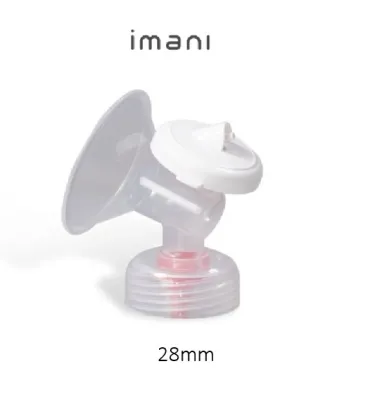
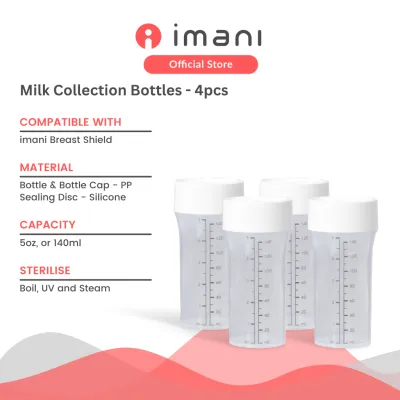
Prices are valid at publication and may change. Please refer to the product page for the latest price.
Finally, define your overall lactation goals to determine the level of suction power you need. If you are exclusively pumping to build or maintain a full milk supply, you may require the robust, consistent motor performance typically found in hospital-grade double electric pumps. On the other hand, if you are pumping occasionally to supplement direct latching or to build a modest freezer stash, a lightweight wearable pump or even a manual pump may be perfectly adequate. Balancing these lifestyle constraints with your physical needs forms the foundation of your comparison.
Core Dimensions for Comparing Imani and Alternatives
When comparing Imani to other popular breast pump brands, relying on subjective reviews can lead to mismatched expectations. Instead, establishing an objective, verifiable checklist based on physical specifications, customizable settings, and maintenance requirements allows you to evaluate each option systematically. This structured approach ensures you select a device that fits your body, budget, and daily schedule.

Portability, Weight, and Power Options
The physical footprint of a breast pump directly impacts how easily you can integrate it into your daily routine. When researching Imani and alternative brands, check the official manufacturer specifications for the exact weight of the motor unit and collection cups. Wearable pumps house the motor directly on the breast shield, which eliminates external tubing but adds weight directly to your bra. Traditional portable pumps feature a separate, pocket-sized motor unit connected by tubes to lightweight cups, distributing the weight differently.
Battery configuration and charging versatility are equally critical for on-the-go pumping in Singapore. Verify the battery capacity, typically measured in milliampere-hours (mAh), and the estimated operating time per full charge listed in the product manual. Look for devices that utilize universal USB-C charging ports, as this allows you to recharge using standard phone chargers, laptops, or external power banks while traveling or working. Some older or larger models may require proprietary AC adapters, which limits your charging options when away from a wall outlet.
Discretion is another key factor, especially if you plan to pump in shared workspaces or quiet environments. Check the manufacturer’s noise level ratings, usually expressed in decibels (dB). A lower decibel rating indicates a quieter motor, which helps maintain privacy during virtual meetings or while pumping next to a sleeping baby. Keep in mind that real-world noise levels can also be influenced by how securely the pump parts are assembled and the type of bra used to hold the cups in place.
Suction Customization and Flange Fit
An effective pumping session relies on a pump’s ability to mimic a baby’s natural nursing rhythm. Review the user manual for each brand to evaluate the range of adjustable suction levels and cycle modes. Most modern electric pumps offer two distinct phases: a rapid, shallow massage or stimulation mode to trigger milk letdown, followed by a slower, deeper expression mode to draw out milk. Check how many levels of vacuum strength are available in each mode, as greater customization allows you to fine-tune the settings to your comfort level on any given day.
An improper flange fit can lead to reduced milk output, localized pain, and even tissue damage. Before purchasing, consult the manufacturer’s measurement guides to determine your correct flange size, which is based on the diameter of your nipple before or after a pumping session. Check what flange sizes are included in the retail box and whether the brand offers smaller silicone inserts or alternative shield sizes. Some brands, including Imani, utilize specific silicone inserts that fit inside a standard breast shield to accommodate smaller sizes, while other brands require purchasing entirely separate plastic flanges.
The ease of navigating the pump’s interface during a session also affects your overall experience. Look for clear LED displays, intuitive button layouts, or smart memory functions that automatically save your preferred settings from your last session. A user-friendly interface allows you to switch between massage and expression phases seamlessly, even in low-light conditions during nighttime pumping sessions.
Cleaning, Maintenance, and Part Replacement
The time spent cleaning and sterilizing pump parts can quickly add up, making maintenance a major consideration for busy mothers. Count the number of individual components that come into contact with breast milk for each model you compare. Systems with fewer parts—such as integrated cup designs that combine the membrane, valve, and connector—are generally faster to disassemble, wash, and reassemble. However, ensure that these integrated parts do not have hard-to-reach crevices where milk residue can accumulate and harbor bacteria.
Consumable parts like silicone valves, diaphragms, and membranes naturally stretch and wear down over time, leading to a gradual loss of suction power. Before committing to a brand, verify the local availability and cost of these replacement parts in Singapore. Some niche international brands may require you to order replacements from overseas, leading to shipping delays and higher costs. Choosing a brand with readily available local stock ensures you can quickly replace a torn valve without interrupting your pumping schedule.
Always check the manufacturer’s official guidelines regarding sterilization and cleaning methods. Some silicone and plastic components are sensitive to high temperatures and may warp if exposed to UV sterilizers, steam bags, or boiling water for extended periods. Verify whether the parts are dishwasher-safe and note any specific instructions for descaling or maintaining the motor unit to ensure the longevity of your investment.
Navigating Value, Warranty, and Local Retailers
Purchasing a breast pump is a significant financial investment, and understanding the true cost of ownership requires looking beyond the initial retail price. In Singapore, prices can range from under S$100 for basic manual models to over S$600 for advanced double electric or smart wearable systems. When evaluating value, factor in the ongoing cost of consumable parts, such as valves and backflow protectors, which typically need replacement every one to three months depending on your pumping frequency.
To protect your investment, always purchase through authorized local distributors or official online storefronts. Buying from unauthorized parallel importers may offer a lower upfront price, but it often voids the manufacturer’s warranty within Singapore. A valid local warranty is crucial for resolving motor malfunctions or battery degradation issues quickly. Check the specific warranty terms, noting that coverage usually applies only to the motor unit and battery, while consumable silicone and plastic parts are excluded as standard wear-and-tear items.
When comparing retailers, look for those that offer comprehensive customer support, including access to spare parts and troubleshooting assistance. Some authorized local distributors also provide rental options or trial programs, allowing you to test a specific pump style before committing to a full purchase. Taking the time to verify these details ensures you receive genuine products and reliable support throughout your breastfeeding journey.
Decision Framework: Matching the Pump to Your Needs
To make your final decision, synthesize your personal pumping scenarios with the core features of each brand. A wearable pump like Imani is highly suitable if your primary goal is hands-free convenience, mobility, and discretion. If you need to pump while multitasking at work, managing household chores, or caring for older children, the tubeless, compact design of a wearable system allows you to maintain your routine with minimal disruption.
Conversely, if you are working to establish a milk supply for a premature infant, managing a low milk supply, or require highly precise, hospital-grade suction, an established double electric pump with a separate motor unit may be more appropriate. These traditional systems often provide a wider range of cycle speeds and stronger vacuum options, which can be critical for thorough breast emptying. They are also highly durable, making them a reliable choice for heavy, exclusive pumping schedules.
For mothers who only need to pump occasionally—such as for a weekly evening out or to relieve engorgement—a budget-friendly manual pump or a basic single electric model may be the most practical choice. These options are highly portable, require no electrical outlets, and involve minimal setup and cleaning, making them excellent supplementary tools rather than primary daily pumps.
Regardless of the brand or model you choose, physical comfort should always be your guiding principle. If you experience persistent pain, localized swelling, or a sudden drop in milk supply, stop using the device and consult a certified lactation consultant or healthcare professional. They can provide personalized guidance on flange sizing, suction settings, and pumping schedules tailored to your unique anatomy and lactation needs.
Frequently Asked Questions (FAQ)
Can I use third-party flanges with Imani breast pumps?
Before attempting to use third-party flanges or silicone inserts with an Imani breast pump, always check the manufacturer’s official guidelines regarding accessory compatibility. While some universal silicone inserts are designed to fit inside standard breast shields to reduce the tunnel diameter, using unapproved parts can compromise the airtight seal. This can lead to a loss of suction power, inefficient milk expression, or increased friction against the skin. If you choose to use a third-party insert, monitor your sessions closely for any signs of discomfort, skin irritation, or reduced milk output, and discontinue use if the fit feels insecure.
Are breast pumps covered by local insurance or corporate health benefits?
Coverage for breast pumps and lactation support varies widely among corporate health insurance plans and employee wellness benefits in Singapore. To determine your eligibility for reimbursement, review your specific policy handbook or contact your human resources department directly. Some comprehensive maternity insurance plans or corporate wellness programs cover the purchase of a breast pump, but they may require a formal medical prescription from your obstetrician or a certified lactation consultant. Ensure you obtain a detailed, itemized tax invoice from an authorized local retailer, as this documentation is typically required to submit a successful claim.

Community discussion
Share your experience or ask a question. Comments are reviewed before publication.