
Choosing the right breast pump is one of the most critical decisions for a breastfeeding mother, particularly in Singapore where balancing a busy career and a nursing journey requires efficiency, comfort, and discretion. The imani breast pump has emerged as a popular contender in the local market, offering a hands-free, wearable design that appeals to mothers returning to the office or managing active households. If you are trying to decide whether this brand is the right investment, the short answer is that it serves as an excellent, mid-range option that balances portability with customizable suction, making it highly suitable for daily, moderate-to-heavy use.
However, the ideal breast pump is never a one-size-fits-all solution; your choice must align with your specific pumping frequency, lifestyle, and budget. While the wireless convenience of a wearable pump like the Imani is liberating, mothers who are exclusively pumping to establish a milk supply or who require clinical-grade suction may find traditional hospital-grade pumps more effective. Conversely, those who only pump occasionally might prefer a simpler, lower-cost manual or basic electric model. Evaluating your unique routine and physiological needs will help you determine if this wearable option is your best match or if another popular brand in Singapore would serve you better.
What to Look for When Comparing Breast Pumps
To make an informed choice, you must first understand the technical and practical criteria that differentiate breast pumps. These factors directly affect your physical comfort, daily time management, and overall breastfeeding success.
Products mentioned in this guide
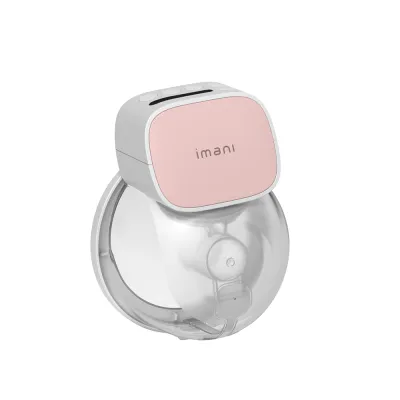
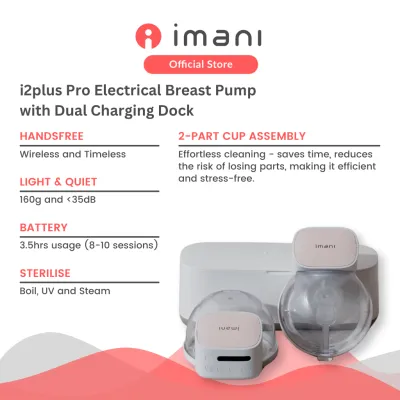
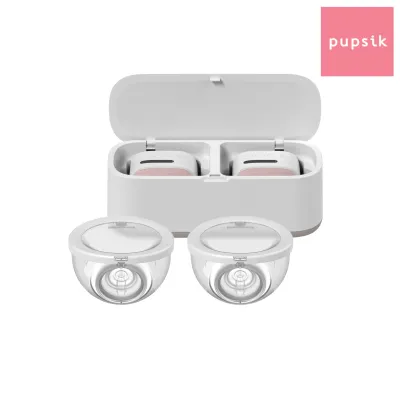
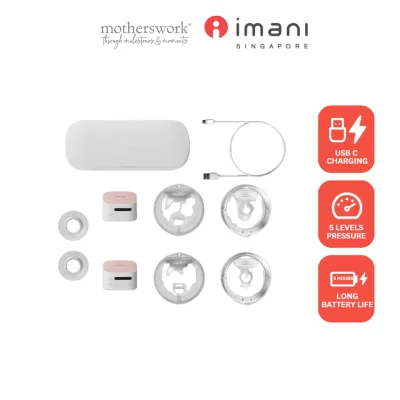
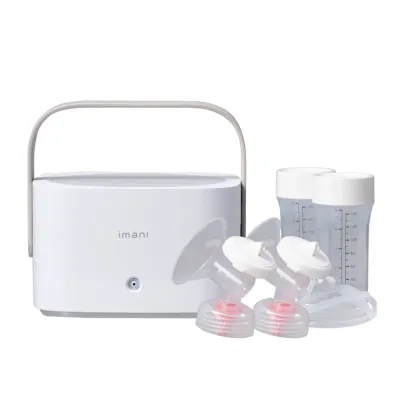
Prices are valid at publication and may change. Please refer to the product page for the latest price.
Suction and Cycle Adjustability
A high-quality pump should mimic a baby’s natural nursing pattern, which begins with rapid, shallow sucks to stimulate a let-down, followed by slower, deeper draws to extract milk. Look for pumps that offer distinct stimulation and expression modes. The ability to adjust both the suction strength and the cycle speed (the number of pulls per minute) is vital. Without this adjustability, you risk nipple pain, tissue damage, or incomplete breast emptying, which can lead to a drop in milk supply over time.
Portability and Form Factor
Breast pumps generally fall into three design categories: traditional double electric pumps with a separate motor unit and tubing, compact portable pumps with a clip-on motor, and fully wearable, hands-free models that sit entirely inside your bra. If you pump primarily at a stationary desk or at home, a traditional corded or tubed pump may offer superior power and longevity. However, if you commute regularly, travel, or need to multitask around the house, a lightweight, wireless wearable pump eliminates the hassle of tubes and dangling bottles, giving you back your physical mobility.
Noise Level
The hum of a breast pump motor can be a major source of self-consciousness, especially when pumping in a quiet office cubicle, a shared workplace nursing room, or next to a sleeping baby during late-night sessions. Quiet operation is highly valued by working mothers in Singapore who require discretion. Look for motors designed to operate at low decibel levels, allowing you to pump during virtual meetings or phone calls without drawing unwanted attention.
Flange Sizing and Fit
The breast shield, or flange, is the funnel-shaped part that contacts your breast. A correct fit is non-negotiable for comfort and efficient milk removal. If a flange is too small or too large, your nipple will rub against the tunnel walls, causing friction, swelling, clogged ducts, or even tissue trauma. Many brands package standard sizes, but you must measure your nipple diameter and potentially purchase separate flange inserts or alternative sizes to ensure a safe, comfortable seal.
Ease of Cleaning and Assembly
Pumping requires a significant time commitment, and cleaning the components after every session adds to your daily workload. Evaluate how many parts make up the pump assembly, including valves, membranes, backflow protectors, and collection cups. Fewer parts mean faster washing, sterilizing, and reassembling. Additionally, verify if the parts are dishwasher-safe or if they require delicate hand-washing, as this significantly impacts your daily convenience.
Imani Breast Pump: Features, Pros, and Limitations
The Imani brand, particularly known for its wearable models, is designed to offer a modern, tubeless pumping experience. Understanding its specific features, advantages, and drawbacks will help you assess its suitability for your lifestyle.

Design and Usability
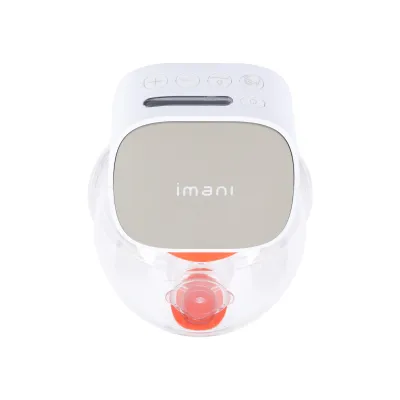
The core appeal of the Imani breast pump lies in its integrated, hands-free design. The motor unit clips directly onto the collection cup, which fits discreetly inside a standard nursing bra. This eliminates external tubing, wires, and hanging bottles, allowing you to move freely, tend to your baby, or work on a computer while actively pumping. It offers both single and double pumping capabilities, depending on whether you purchase one or two individual units.
Control Interface and Settings
Imani pumps typically feature a clear, user-friendly digital display on top of the motor unit. This interface allows you to monitor your pumping time, battery level, and current mode at a glance. The controls let you toggle easily between massage mode (to stimulate let-down) and expression mode (for milk extraction), with multiple levels of adjustable suction. A built-in memory function is often included, which automatically recalls your last-used settings, saving you from manual adjustments during subsequent sessions.
Battery Life and Mobility
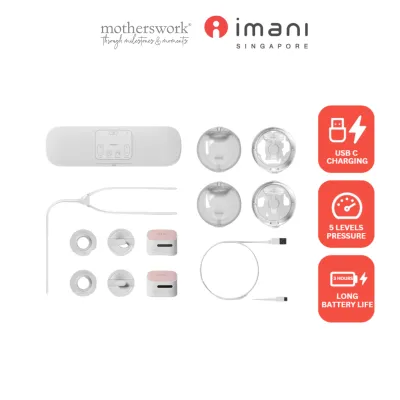
Equipped with built-in rechargeable lithium-ion batteries, these pumps offer substantial cord-free operation. They are typically charged via standard USB ports, making it highly convenient to recharge them using a laptop, a power bank, or a car charger. For working mothers in Singapore, this USB compatibility ensures you can easily maintain your pumping schedule during commutes or in office spaces that lack accessible wall outlets near nursing chairs.
Limitations to Consider
Despite its convenience, the Imani breast pump has limitations that you should weigh carefully. Because the motor sits directly on top of the collection cup inside your bra, the fully assembled unit can feel somewhat heavy and bulky compared to traditional lightweight plastic flanges. This extra weight requires a supportive, structured nursing bra to keep the pump securely pressed against your breast; a loose bra can cause the seal to break, leading to leaks or loss of suction.
Furthermore, assembling the silicone parts, backflow protector, and cup requires precision. If any valve or membrane is slightly misaligned, the pump will lose suction or leak milk. You must also consider that replacement parts, such as proprietary valves and silicone cups, must be sourced from authorized distributors to maintain optimal performance, which can be less convenient than finding universal generic parts.
How Imani Stacks Up Against Other Popular Brands
To understand where the Imani breast pump fits in the wider Singapore market, it is helpful to compare its performance, price, and design philosophy against premium hospital-grade systems and lower-cost budget alternatives.
Imani vs. Premium and Hospital-Grade Brands
Premium brands, such as Spectra and Medela, are often considered the gold standard for establishing and maintaining a robust milk supply, especially in the early weeks postpartum. These hospital-grade pumps feature powerful, highly consistent motors, sophisticated multi-phase expression technology, and extensive clinical support. However, they are heavy, rely on external tubing, and usually require you to remain seated near a power outlet or carry a substantial motor unit.
In contrast, the Imani breast pump offers a mid-range price point and vastly superior mobility. While a hospital-grade pump is ideal for exclusive pumpers or those struggling with low supply under professional lactation guidance, the Imani is designed for mothers with an established supply who prioritize flexibility. While Imani’s suction is highly effective for a wearable device, it may not match the deep, clinical-grade pull of a heavy-duty bedside unit. The trade-off is clear: choose premium hospital-grade brands for raw power and supply stimulation, and choose Imani for lifestyle freedom and convenience.
Imani vs. Budget and Ultra-Compact Models
On the other end of the spectrum are entry-level, ultra-compact wearable pumps often sold on online marketplaces. While these budget models are highly attractive due to their low upfront cost, they frequently present long-term challenges. Many budget pumps utilize generic motors that can lose suction strength after a few weeks of heavy use, and they may lack responsive customer service or local warranty coverage in Singapore.
The Imani breast pump distinguishes itself from these budget alternatives through superior build quality, motor consistency, and local product support. Sourcing an Imani pump through authorized local channels ensures you receive a reliable warranty, which is critical if your pump motor encounters issues. Additionally, Imani utilizes food-grade, BPA-free materials that comply with safety standards, giving you peace of mind regarding chemical leaching—a risk that can be harder to verify with unbranded, ultra-cheap imports. Investing slightly more in a reputable mid-range brand like Imani reduces the risk of sudden pump failure and ensures consistent milk extraction.
Decision Guide: Which Breast Pump Fits Your Routine?
To help you finalize your decision, consider how your daily routine, physiological needs, and budget align with the following scenarios.
Choose Imani if:
- You are a working mother returning to an office environment in Singapore and need to pump discreetly at your desk or in a shared nursing room.
- You value physical mobility and want to multitask, such as doing light household chores or caring for your baby, while pumping.
- You want a reliable, modern electric pump with adjustable settings but prefer not to spend premium prices on clinical, bulky equipment.
- You have an established milk supply and do not require heavy-duty therapeutic suction.
Choose a premium or hospital-grade alternative if:
- You are exclusively pumping (feeding your baby breast milk entirely via bottles) and require a heavy-duty motor capable of running 8 to 10 times a day without degradation.
- You are actively working to build or rescue a low milk supply under the guidance of a lactation consultant.
- You prefer maximum customization of cycle speeds and suction levels, and do not mind being stationary during your sessions.
Choose a basic budget model if:
- You plan to breastfeed directly most of the time and only need to pump occasionally to relieve engorgement or build a small emergency freezer stash.
- You want to minimize upfront costs and do not require advanced features, digital displays, or long-term motor durability.
Verify first if:
- You have highly sensitive breast tissue, flat or inverted nipples, or have experienced pumping discomfort in the past. Always measure your nipple size accurately and check if the pump brand offers compatible flange inserts to ensure a safe, pain-free fit before making your purchase. If you experience persistent pain, bleeding, or a sudden drop in milk yield, stop pumping immediately and consult a certified lactation consultant or healthcare professional.
Where to Buy and What to Verify in Singapore
When purchasing a breast pump in Singapore, taking steps to ensure product authenticity and safety is essential for both your health and your financial protection.
Authorized Channels
To guarantee you are purchasing a genuine product, always buy your breast pump through official brand websites, established local mother-and-baby physical retail stores, or verified flagship stores on major e-commerce platforms. Avoid purchasing from unauthorized third-party resellers or parallel importers, as these products may not meet local safety standards and are often ineligible for manufacturer support.
Warranty and Support
Before finalizing your purchase, verify that the product comes with a valid local Singapore warranty. A local warranty ensures that if the motor malfunctions or fails, you can easily access repair or replacement services without shipping the unit overseas. Look for authentic security seals on the packaging and keep your purchase receipt safe for warranty registration.
Safety and Hygiene Checks
We strongly advise against purchasing or using second-hand breast pumps. Breast pumps are personal hygiene items; pre-owned units carry a risk of cross-contamination from mold, bacteria, or viruses that can enter the motor housing or internal parts, especially in closed-system pumps if the barrier fails. Furthermore, used pump motors often suffer from internal wear and tear, meaning the suction strength may be significantly degraded, leading to inefficient milk expression. Always prioritize your baby’s health and your own safety by investing in a new unit, and carefully follow the manufacturer’s specific cleaning and sterilization instructions for all washable components.
Frequently Asked Questions (FAQ)
Can I use third-party flanges with the Imani breast pump?
It is highly recommended to use only official, manufacturer-approved flanges and accessories designed specifically for your Imani breast pump model. While some generic silicone inserts may physically fit inside the cups, using unverified third-party parts can significantly alter the airtight seal required for proper suction. This can lead to reduced milk expression, increased friction against your nipple tissue, or motor strain that could void your product warranty. Always consult the manufacturer’s guidelines or contact their local customer service before attempting to adapt alternative parts.
How often should I replace the silicone parts of my breast pump?
Silicone components, such as valves, membranes, and diaphragms, are subject to wear, stretching, and loss of elasticity over time due to regular use, washing, and sterilization. For optimal suction performance and hygiene, you should inspect these parts weekly for any tiny tears, cloudiness, or warping. Generally, active pumpers should replace silicone valves every 1 to 3 months, and diaphragms or breast shields every 3 to 6 months. Always refer to your specific Imani user manual for the manufacturer’s recommended replacement schedule, as worn-out parts are the most common cause of sudden suction loss.

Community discussion
Share your experience or ask a question. Comments are reviewed before publication.