
Introducing solid foods is an exciting milestone in your baby’s development, often raising questions about how to safely add flavor to their meals. In Singapore, ikan bilis powder is a traditional staple frequently used to enrich baby congee and purees with a savory, umami depth. While this ingredient is highly valued for its culinary versatility, parents must understand the precise timing and safety measures required before adding it to an infant’s diet.
Generally, you can safely introduce pure, unsalted ikan bilis powder to your baby between 6 and 8 months of age. This introduction should only occur after your infant has successfully transitioned to basic, single-ingredient solid foods and has shown no adverse reactions. Because dried anchovies are naturally high in sodium and represent a potential seafood allergen, careful preparation and strict portion control are essential to protect your baby’s developing digestive and renal systems.
When Can You Introduce Ikan Bilis Powder to Your Baby?
The transition to solid foods typically begins around 6 months of age, when infants display key signs of developmental readiness. These signs include the ability to sit upright with minimal support, good head and neck control, and a curious interest in what family members are eating. However, the initial weeks of weaning should focus entirely on simple, easily digestible, single-ingredient purees such as mashed pumpkin, sweet potato, or apple, rather than concentrated seasonings.
Products mentioned in this guide

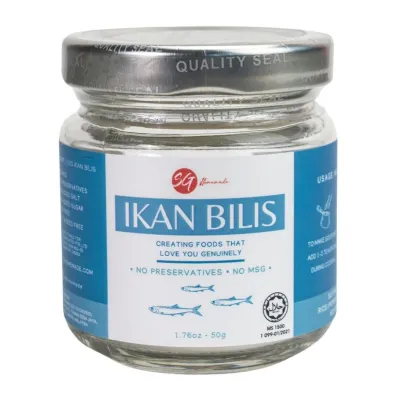
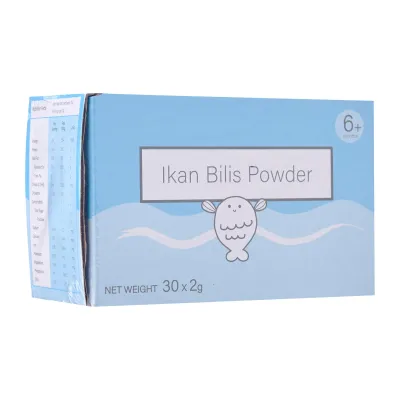

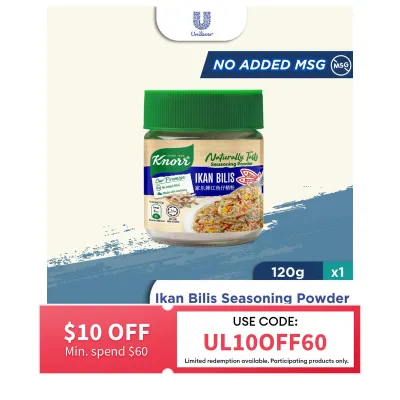

Prices are valid at publication and may change. Please refer to the product page for the latest price.
While plain purees might seem bland to an adult, infants possess highly sensitive taste buds that do not require flavor enhancement. Introducing robust, savory taste profiles too early can overwhelm a baby’s palate and potentially lead to a rejection of milder, naturally sweet, or neutral-tasting foods. Delaying the introduction of concentrated seasonings like ikan bilis powder until 6 to 8 months allows your baby to first appreciate the natural flavors of whole foods.
When you decide to introduce fish-based seasonings, the primary objective should be mild, natural flavor enhancement rather than making the food taste salty. Infant kidneys are highly delicate and cannot process high levels of salt, meaning that any seasoning used must be virtually sodium-free. Always prioritize a gradual approach, ensuring that the powder is used to provide a subtle background note rather than a dominant, savory taste.
Before adding ikan bilis powder to your baby’s meal plan, consulting a pediatrician is highly recommended. This medical consultation is especially critical if there is a family history of asthma, eczema, food allergies, or specific sensitivities to seafood and shellfish. A healthcare professional can provide personalized guidance based on your baby’s unique health profile and developmental milestones.
Key Safety Risks: Sodium Levels, Allergens, and Texture
Understanding the potential risks associated with ikan bilis powder is vital for preventing adverse health outcomes during weaning. The foremost concern is the natural sodium content of dried anchovies. The traditional processing of ikan bilis involves boiling the fresh fish in saltwater before drying them, which locks in high levels of sodium. Consuming excessive salt can place severe strain on an infant’s immature kidneys, potentially leading to dehydration, electrolyte imbalances, or long-term renal complications.

In addition to natural salt levels, many commercial seasoning powders formulated for adults contain added table salt, monosodium glutamate (MSG), and chemical preservatives. These additives are entirely unsuitable for infants and must be avoided. Parents must carefully scrutinize product labels to verify that any store-bought powder contains zero added salt or artificial flavor enhancers.
Allergies represent another significant risk factor when introducing ikan bilis powder. Finned fish, including anchovies, are classified as major food allergens that can trigger mild to severe immune reactions in sensitive infants. Because of this, ikan bilis powder must be treated as a major new allergen introduction rather than a simple seasoning. It should never be combined with other new ingredients during its initial trial phase.
Physical texture also poses a safety hazard that caregivers must actively manage. If the anchovies are not processed into an extremely fine, uniform powder, the mixture may contain microscopic bone fragments, sharp scales, or tough skin pieces. These tiny, hard particles can easily irritate a baby’s sensitive throat lining, trigger a gag reflex, or present a physical choking hazard during feeding.
Finally, environmental contaminants are a consideration for any seafood product. While small fish like anchovies sit low on the marine food chain and accumulate significantly less methylmercury and heavy metals than larger predatory fish, sourcing still matters. Caregivers should verify that commercial products are sourced from clean waters and undergo rigorous quality control testing to ensure they are free from harmful contaminants.
Store-Bought vs. Homemade: Making the Safer Choice
Choosing between store-bought and homemade ikan bilis powder involves weighing convenience against complete control over ingredients. If you opt for commercial products, look for brands specifically formulated for infants, as these are more likely to undergo strict safety testing. Always read the ingredient list to ensure the product contains 100% anchovies with no added sodium, preservatives, anti-caking agents, or synthetic flavorings. Verify if the packaging displays food safety certifications or testing clearances for heavy metals and microbial pathogens.
Making homemade ikan bilis powder provides the highest level of safety and quality control, allowing you to drastically reduce the natural sodium content. Start by purchasing high-quality, unsalted dried anchovies from a reputable market. Soak the dried fish in fresh, cool water for at least two to three hours, changing the water multiple times to leach out as much surface salt and impurities as possible. After soaking, rinse the fish thoroughly under running water.
Anatomical preparation is the next step in ensuring a clean, mild flavor and reducing potential contaminants. Gently pull off the heads and split the bodies open to discard the dark intestinal tracts and guts. While this process is meticulous, removing these parts eliminates bitterness and reduces the concentration of accumulated impurities. Pat the cleaned fish completely dry with clean paper towels before proceeding to the cooking stage.
To dry and crisp the anchovies safely, spread them in a single layer on a baking sheet lined with parchment paper. Roast them in an oven preheated to 120 degrees Celsius, or use a food dehydrator, until they are thoroughly dried, crisp, and pale golden. Avoid high temperatures that can burn the fish, as charred edges can create bitter compounds that are difficult for an infant to digest.
Once the roasted anchovies have cooled completely, transfer them to a high-powered, clean blender or dedicated spice grinder. Blend the fish continuously until they form a highly uniform, fine powder. To guarantee that no physical hazards remain, pass the blended powder through a very fine mesh sieve. Discard any gritty residue, bone fragments, or scales left behind in the sieve, leaving only a silky, safe powder.
In Singapore’s hot, humid climate, proper storage is critical to prevent moisture absorption, mold growth, and bacterial contamination. Transfer the sieved powder immediately into a sterilized, completely dry glass jar with an airtight seal. To further protect the powder from humidity, you can place a food-safe silica gel desiccant packet inside the jar. Store the container in the refrigerator for up to a month, or in the freezer for longer preservation, and always use a pristine, dry spoon for serving.
Step-by-Step Guide to Introducing and Serving Safely
Safely introducing ikan bilis powder requires a methodical, step-by-step approach to monitor your baby’s tolerance and prevent physical discomfort. The standard allergen introduction rule dictates that you must introduce the powder as a single new ingredient. Do not introduce any other new foods for a window of three to five days after the initial serving. This isolation ensures that if an allergic reaction occurs, you can immediately identify the ikan bilis powder as the cause.
When serving the powder for the first time, start with an exceptionally small portion size. A tiny pinch—equivalent to less than a sixteenth of a teaspoon—is more than enough to test your baby’s reaction. Mix this minuscule amount thoroughly into a warm, familiar food base that your baby has already consumed safely multiple times, such as plain rice congee or mashed potato.
Proper mixing techniques are crucial for preventing respiratory irritation and choking. Never sprinkle dry powder directly onto your baby’s food right before serving, and never feed it dry. Dry powder can easily clump in the mouth, stick to the throat, or be accidentally inhaled into the lungs, leading to coughing fits or respiratory distress. Always stir the powder vigorously into warm, wet foods until it is completely dissolved and evenly integrated.
Portion control and frequency must be managed carefully as your baby adjusts to the new flavor. Limit the use of ikan bilis powder to once or twice a week rather than making it a daily addition to meals. This restricted frequency prevents the accumulation of sodium in your baby’s body and ensures they do not develop a strong preference for highly savory foods, which could make transitioning to plain vegetables more difficult later on.
Signs of Adverse Reactions and When to Seek Help
As a parent, being vigilant during and after feeding is essential for identifying potential adverse reactions early. Allergic reactions to fish can manifest within minutes to a few hours after consumption. Mild to moderate symptoms of a food allergy include localized hives, red skin rashes, mild swelling of the face, lips, or eyelids, as well as digestive upset such as sudden vomiting or watery diarrhea.
You must also monitor your infant for subtle signs of excessive sodium intake. Because babies cannot verbally express dehydration or internal discomfort, look for physical indicators such as extreme, unquenchable thirst, dry lips, a dry mouth, a significant reduction in the number of wet diapers, or unusual fussiness and lethargy after eating. If you notice any of these signs, it is critical to stop using the powder immediately.
Having a clear action plan ensures you respond appropriately to different levels of severity. If your baby exhibits mild symptoms, such as a localized rash or mild digestive changes, discontinue the use of ikan bilis powder and schedule a consultation with your pediatrician. Keep a detailed log of what your baby ate, the quantity, and the exact symptoms that followed to assist the doctor in making an accurate assessment.
In rare cases, a severe, life-threatening allergic reaction known as anaphylaxis can occur. If your baby experiences difficulty breathing, wheezing, swelling of the tongue or throat, blue-tinged lips, or loss of consciousness, this is a medical emergency. You must seek immediate emergency medical care by calling an ambulance or rushing to the nearest hospital emergency department.
Frequently Asked Questions (FAQ)
Can I Use Regular Ikan Bilis Stock Cubes Instead of Powder?
No, regular commercial stock cubes, bouillon powders, and liquid broths designed for adult consumption are highly unsafe for infants. These products are heavily processed and contain extremely high levels of added sodium, MSG, artificial preservatives, and chemical flavorings to satisfy adult tastes. Feeding these concentrated sodium sources to a baby can cause severe renal strain and dehydration. For infant weaning, use only pure, 100% natural, no-salt-added ikan bilis powder or carefully prepared homemade versions.
Is Ikan Bilis Powder a Reliable Calcium Source for Babies?
Although whole, bone-in anchovies are naturally rich in calcium, ikan bilis powder is not a reliable primary calcium source for infants. Because babies can only safely consume a tiny pinch of the powder per serving to keep sodium levels low, the actual amount of calcium delivered in each meal is negligible. To meet your baby’s calcium needs, rely on primary, age-appropriate nutrition sources such as breast milk, infant formula, or pediatrician-approved dairy products and leafy green vegetables.
Community discussion
Share your experience or ask a question. Comments are reviewed before publication.