
Quick Answer: Which XXXL Diaper Suits Your Toddler Best?
Finding the right diaper for a toddler who has reached the triple-XL (XXXL) size category is a common challenge for parents in Singapore. As children grow more active and their physical builds become distinct—some with chunky thighs and round bellies, others with tall, lean frames—a single standard cut no longer fits all. The most suitable XXXL diaper for your toddler depends on their unique body shape, their daily activity levels, and their specific urination patterns. While Huggies is widely recognized for its robust leak guards and secure structural fit, Pampers is often preferred for its slim profile and outstanding breathability in Singapore’s humid climate. Meanwhile, MamyPoko is highly regarded for its soft, cloth-like materials and pants-style convenience.
Because individual fit varies significantly, there is no absolute “best” brand for every child. Instead of relying solely on brand reputation, parents should use a systematic approach to evaluate how each diaper performs on their child. This comparison will guide you through the key factors of absorbency, waistband elasticity, leg cuff seals, and brand design philosophies so you can make an informed decision and avoid the frustration of blowouts, leaks, or skin irritation.
How to Compare Absorbency in Huggies, Pampers, and Mamypoko XXXL
Absorbency is the core function of any disposable diaper, but comparing performance across brands is challenging because manufacturers rarely publish standardized laboratory metrics. For toddlers wearing XXXL sizes—typically weighing upwards of 18 to 26 kilograms—the volume of a single urination is much larger than that of an infant. Consequently, the diaper’s core must not only absorb liquid quickly but also distribute it evenly to prevent heavy sagging and moisture leak-back.
Products mentioned in this guide
![[mkids] Huggies Platinum Naturemade Pants (M/L/XL/XXL/XXXL) [LOCAL SG DELIVERY]](https://img.lazcdn.com/g/p/4818ca882040ebd820c4e5299a5d5cb5.jpg_400x400q80.jpg_.webp)
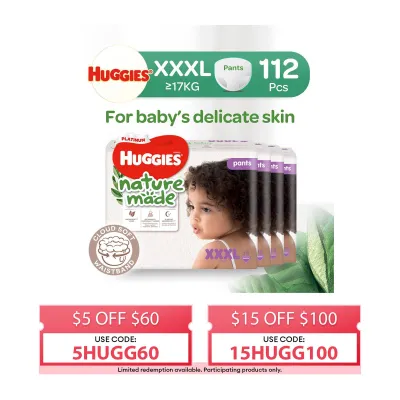
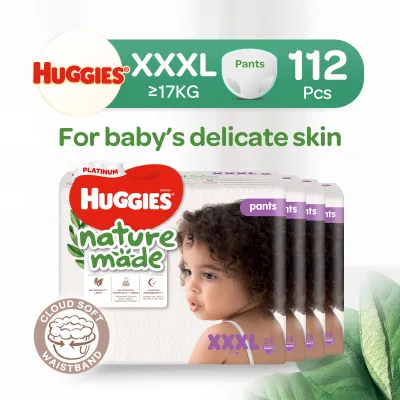
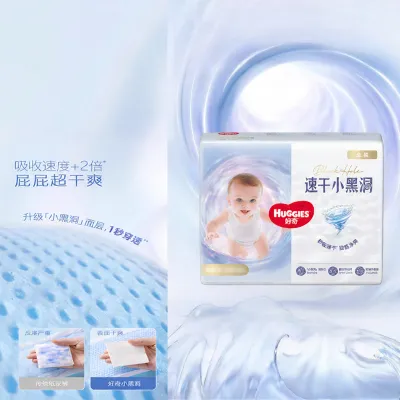
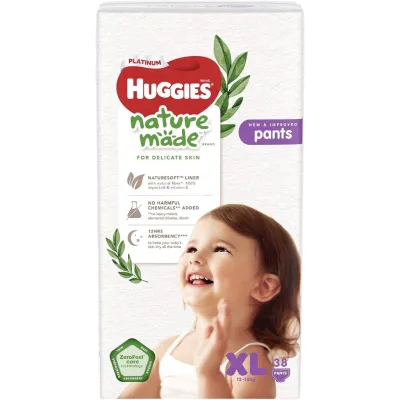
Prices are valid at publication and may change. Please refer to the product page for the latest price.

To evaluate absorbency, look closely at the packaging claims regarding core technology. Modern disposable diapers generally utilize one of two main designs: traditional fluff pulp mixed with superabsorbent polymers (SAP), or advanced channel-based cores. Channel designs use specialized pathways to guide liquid along the length of the diaper, preventing the gel from clumping in one spot. Traditional fluff pulp cores can feel thicker initially but may sag or break apart when fully saturated. When shopping for Huggies, Pampers, or MamyPoko in Singapore, you will find that different product lines within these brands offer varying core structures. For example, premium lines often feature multi-channel systems designed for rapid absorption and minimal bulk.
You can conduct a simple, safe observation at home to test how well a diaper manages moisture. After your toddler has worn the diaper for a few hours or after a heavy wet, gently press a dry, clean paper towel against the inner lining of the diaper. If the paper towel remains completely dry, the core is successfully locking moisture away from your child’s skin. If the paper towel shows dampness, this is a sign of wetness leak-back, which can irritate sensitive skin in our tropical environment. Additionally, observe how the diaper behaves when full. A high-quality core should hold its shape; if the diaper sags heavily between your toddler’s legs, it can restrict their movement and pull the waistband down, leading to gaps and subsequent leaks.
The diaper format also plays a significant role in how absorbency is distributed. In the XXXL size range, pull-up pants are far more common than taped diapers. In pull-up designs, the absorbent pad is engineered to support active, upright toddlers. However, because pants are pulled up rather than taped securely to a specific position, the absorbent zone must remain stable even during vigorous running, jumping, or climbing.
Finally, always verify the manufacturer’s stated weight limits on the packaging. An XXXL diaper is designed for a specific weight range, but if your toddler is near the upper limit of that range, the diaper’s total absorbent capacity may be stretched to its limit. If you notice frequent leaks despite a proper fit, it may not be a brand defect but rather a sign that your child is ready for a different diaper style or a more specialized absorbent solution.
Fit and Leak Protection: What to Look for in XXXL Diapers
A diaper can have the most advanced absorbent core in the world, but if the physical seal around your toddler’s body is compromised, leaks are inevitable. Toddlers wearing XXXL diapers are highly mobile, constantly transitioning between sitting, crawling, running, and climbing. This active movement puts immense pressure on the diaper’s entry and exit points: the waistband and the leg cuffs. To prevent leaks and ensure your child’s comfort, you must carefully evaluate how these two areas conform to your toddler’s anatomy.
Waistband Stretch and Tummy Comfort
The waistband of an XXXL diaper must balance two opposing needs: it must be secure enough to hold a heavy, wet diaper in place, yet flexible enough to accommodate a toddler’s expanding tummy after meals or when sitting down. A waistband that is too tight will dig into the skin, causing discomfort and leaving deep red marks, while one that is too loose will sag and cause gap-related leaks at the lower back.
When examining Huggies, Pampers, or MamyPoko XXXL diapers, pay close attention to the width and elasticity of the waistband. High-quality waistbands feature multiple strands of fine elastic encased in soft, breathable non-woven fabric. This design distributes tension evenly across the abdomen rather than concentrating pressure in a single thin line. To test the waistband at home, gently stretch it to its full limit; it should feel springy and return to its original shape immediately without tearing or losing its structure. After your child wears the diaper, inspect their skin during changes. If you notice deep, persistent red indentations around the waist or hips, the waistband is too restrictive. In Singapore’s humid climate, sweat can easily accumulate under tight, non-breathable waistbands, leading to friction and heat rash. Look for packaging descriptions that highlight 360-degree stretchy waistbands or specialized air-flow channels designed to let heat and moisture escape.
Leg Cuff Seals and Thigh Chafing
The leg openings are the most common source of liquid leaks, especially when a toddler is sleeping on their side or sitting down. To combat this, modern XXXL diapers feature double-layered leak guards, which consist of an inner hydrophobic barrier ruffle and an outer elastic leg cuff. Together, these two layers form a secure cup around the groin and thighs.
When putting an XXXL diaper on your toddler, it is essential to manually run your finger around the leg openings to ensure the outer ruffles are flared outward. If the ruffles remain tucked inward, they cannot perform their barrier function, and liquid will easily bypass the absorbent core. For toddlers with thicker, rounder thighs, the tension of these leg elastics is critical. If the elastic is too tight, it will cause painful chafing and friction marks as your child walks and plays. Conversely, if your toddler has a tall, lean build with slimmer thighs, a brand with looser leg elastics may leave gaps that allow liquid to escape before it can be absorbed. Monitor your child’s thighs closely for any signs of redness, chafing, or skin peeling, and choose a brand that offers a softer, wider elastic band if your child has sensitive or chunky legs.
Brand Design Priorities for Larger, Active Toddlers
Each of the major diaper brands approaches the challenges of the XXXL size with a distinct design philosophy. Understanding these priorities allows you to match the diaper’s characteristics with your toddler’s daily routine, physical build, and the tropical Singapore climate.
Huggies typically prioritizes structural security and robust leak prevention in its diaper designs. Their XXXL offerings often feature a highly secure fit with reinforced leg guards and a snug, supportive waistband. This design is particularly beneficial for highly active toddlers who engage in vigorous physical play, as well as for overnight use when a secure seal is needed to prevent leaks during hours of tossing and turning. The materials used in Huggies diapers are engineered to maintain their shape and position even when fully saturated, offering peace of mind to parents concerned about sudden blowouts or heavy wetting episodes.
Pampers generally focuses on a slim, lightweight profile and high breathability. Their design philosophy centers on minimizing bulk between the toddler’s legs, which allows for natural, unhindered movement. This thinness is achieved through advanced core technologies that lock away liquid without requiring thick layers of fluff pulp. In Singapore’s hot and humid weather, the high breathability of Pampers is a major advantage, as it helps to keep the skin cool and dry, reducing the risk of diaper rash. It is an excellent choice for daytime wear, outdoor activities, or for toddlers who dislike the bulky feeling of traditional diapers.
MamyPoko is widely recognized for its emphasis on exceptional softness and a gentle, cloth-like texture. Their pull-up pants are designed to feel like real underwear, using extremely soft materials that minimize friction against sensitive skin. This focus makes MamyPoko a popular choice for toddlers who are transitioning to potty training or those prone to skin irritation and eczema. The elastic waistband and leg cuffs are engineered to be exceptionally stretchy and gentle, accommodating a wide range of body shapes without leaving harsh marks.
It is crucial for parents to understand that diaper performance can vary significantly between different product tiers within the same brand. For instance, a premium tier (such as Huggies Platinum or MamyPoko Air Fit) will feature different materials, softer linings, and more advanced core technologies compared to the brand’s standard or budget-friendly lines. When purchasing, do not rely solely on the brand name; always check the exact product line, verify the features listed on the packaging, and ensure that the specific tier aligns with your child’s needs.
Final Verdict: Choose Based on Your Child's Body Type and Habits
Selecting the ideal XXXL diaper is ultimately a highly individualized decision. To help you make the right choice for your toddler, use this structured decision framework based on your child’s physical build, daily habits, and skin sensitivity:
- Choose Huggies XXXL if your toddler is extremely active, has a habit of heavy single-wetting, or if you require a highly secure, leak-resistant diaper for overnight sleep. Its robust structural design and strong leak barriers provide excellent containment during movement and long sleep stretches.
- Choose Pampers XXXL if your primary concerns are breathability, a slim and lightweight profile, and maximum freedom of movement in Singapore's hot, tropical climate. It is ideal for daytime wear and for active children who prefer a less bulky feel.
- Choose MamyPoko XXXL if your toddler has highly sensitive skin, is prone to friction rashes, or is currently transitioning to pull-up pants for potty training. Its ultra-soft, cloth-like materials and gentle, highly elastic bands offer superior comfort and an underwear-like experience.
Verify first if: Before committing to a large bulk purchase or a multi-pack subscription, always buy a single small trial pack or request samples. Because every toddler’s body shape is unique, a diaper that works perfectly for one child may leak on another. Testing a small quantity allows you to observe the fit, check for red marks, and evaluate absorbency in real-world conditions without financial waste.
Safety and Health Boundaries: Regardless of the brand you choose, your child’s skin health and physical comfort must always come first. If your toddler develops a persistent diaper rash, severe red indentations that do not fade within a few hours, or shows signs of localized skin irritation, stop using that specific diaper model immediately. Ensure the diaper is completely dry and clean, and if the symptoms persist or if you notice any signs of urinary tract discomfort or severe allergic reactions, consult a qualified pediatrician or medical professional for proper diagnosis and treatment.
Frequently Asked Questions (FAQ)
As toddlers grow larger, diapering needs become more specialized. Here are answers to some of the most common questions parents ask when navigating the transition to XXXL diapers.
Is there a size larger than XXXL for toddlers?
While XXXL (often corresponding to size 7 or 8 in some international sizing systems) is typically the largest standard commercial size offered by mainstream diaper brands in Singapore, options do exist if your child outgrows this size. Some specialized baby brands offer extended sizing, but if these are difficult to find, you can explore youth pants or older child incontinence pants. These products are specifically designed for older children who still require overnight protection or daytime support, offering larger waist measurements and significantly higher absorbent capacities than standard toddler diapers. Always check the weight and waist specifications on the packaging to ensure a proper fit.
Should I switch from taped diapers to pull-up pants in XXXL?
The decision to switch from taped diapers to pull-up pants in the XXXL range depends primarily on your toddler’s mobility, cooperation during changes, and potty training status rather than their weight alone. Pull-up pants are highly beneficial for active toddlers who refuse to lie down for diaper changes, as they can be easily slipped on while the child is standing up. They also help foster independence during potty training, allowing your child to pull them down and up like regular underwear. However, if your toddler is primarily stationary, sleeps deeply, or has a unique body shape that requires a highly customized waist fit, taped diapers (if available in XXXL) can sometimes offer a more adjustable and secure seal around the waist.
Community discussion
Share your experience or ask a question. Comments are reviewed before publication.