
Newborn skin is exceptionally delicate, thin, and highly permeable, making the choice of baby wipes a critical decision for new parents. While Huggies offers various wet wipe formulations, including popular 80-count packs designed for sensitive skin, their safety for your specific newborn depends entirely on the exact ingredients in the specific pack you purchase. Parents must look beyond brand names and marketing claims to verify the ingredient list, check for potential irritants, and observe how their baby’s skin reacts in real-time.
When bringing a newborn home, the sheer volume of diaper changes can be overwhelming. It is common to reach for convenient, pre-packaged wet wipes to keep up with the frequent cleanups. However, because a newborn’s skin barrier is still developing, it is highly susceptible to absorbing topical chemicals and experiencing irritation from physical friction. Understanding how to evaluate these products is the first step in maintaining your baby’s skin health.
This guide provides a practical framework for parents to assess Huggies wet wipes, specifically focusing on the widely available 80-count packs. By learning how to read ingredient labels, understanding the physiological needs of newborn skin, and mastering safe application techniques, you can make an informed decision that keeps your baby comfortable and rash-free.
Products mentioned in this guide
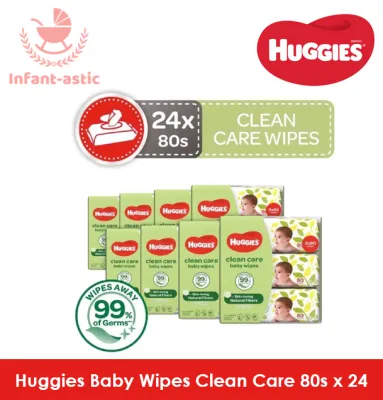
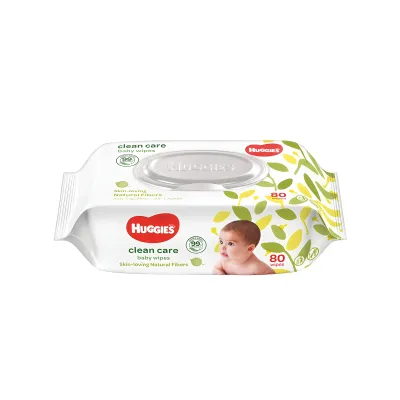
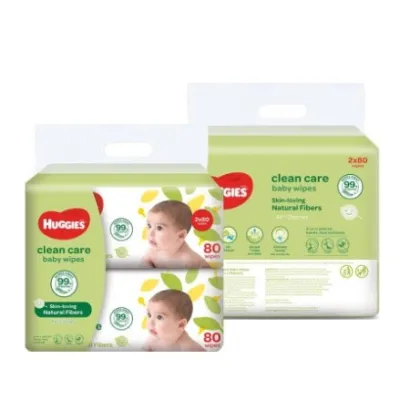
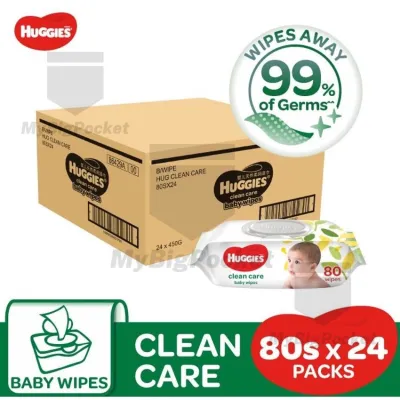
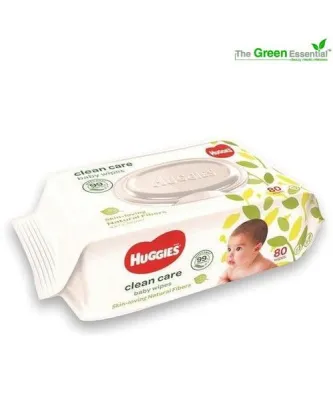
Prices are valid at publication and may change. Please refer to the product page for the latest price.
Understanding Huggies Wet Wipe Ingredients for Newborns
To determine if a pack of Huggies wet wipes is suitable for your newborn, you must start by examining the physical packaging. On the back or bottom of the 80-count pack, you will find the official ingredient list. Manufacturers frequently update their formulations, so it is essential to check the package in your hands rather than relying on older online reviews or general brand assumptions.
When reviewing the label, look for key claims that indicate a formulation designed for sensitive skin. Terms like “fragrance-free,” “alcohol-free,” and “hypoallergenic” are common, but they require careful interpretation. “Fragrance-free” means the product contains no added synthetic or natural perfumes, which are among the most common triggers for contact dermatitis in infants. This is distinct from “unscented,” which may contain masking fragrances to neutralize chemical odors.
“Alcohol-free” is another crucial label claim to verify. In baby care, this term specifically refers to the absence of drying alcohols, such as ethanol, isopropyl alcohol, or SD alcohol, which can severely dry out and irritate a newborn’s skin. However, you may still see fatty alcohols like cetearyl alcohol or lanolin alcohol on some ingredient lists; these are typically used as emollients or emulsifiers and do not dry out the skin in the same manner.
“Hypoallergenic” is a marketing term indicating that the product has been formulated to minimize the likelihood of allergic reactions. While helpful, it is not a legal guarantee that your baby will not react to the wipes. Every infant’s skin is unique, and a product that is perfectly safe for one newborn may still cause mild irritation in another.
Parents should also look for the presence of soothing ingredients, such as aloe vera, vitamin E, or purified water, which often make up the bulk of the wet wipe solution. The primary ingredient should always be water, typically listed as aqua or purified water, which serves as the gentle base for cleansing. Preservatives are also necessary in wet wipes to prevent the growth of harmful bacteria and mold in a moist environment, but these preservatives should be mild and dermatologically tested.
Evaluating Safety for Sensitive Newborn Skin
Newborn skin is structurally different from adult skin and even the skin of older babies. The stratum corneum, which is the outermost layer of the skin, is significantly thinner in newborns. This means the skin barrier is highly permeable, allowing topical substances to penetrate more deeply and rapidly into the body, while also losing moisture at a much faster rate.

In warm and humid climates, such as Singapore’s, the diaper area is particularly vulnerable. The combination of heat, humidity, urine, and fecal enzymes creates a microclimate inside the diaper that can quickly break down the skin barrier. When a compromised skin barrier is exposed to harsh chemicals or unnecessary additives in wet wipes, the risk of diaper dermatitis increases dramatically.
Many Huggies wet wipe packaging designs feature claims of being pediatrician-tested or dermatologist-tested. While these claims indicate that the formulation has undergone professional evaluation, parents must understand their scope. These tests generally confirm that the product did not cause adverse reactions in a controlled test group, but they do not account for individual sensitivities or pre-existing skin conditions.
If your newborn has a history of extremely dry skin, infant eczema, or persistent redness, their skin barrier is already compromised. In such cases, even the mildest commercial wet wipes might cause discomfort or exacerbate the condition. It is highly recommended to consult a pediatrician or a qualified pediatric dermatologist before introducing any commercial wipes to a baby with active skin conditions.
Additionally, parents should be aware of the physical material of the wipe itself. The texture and thickness of the wipe play a significant role in skin safety. A wipe that is too rough can cause micro-tears in the skin during cleaning, which then become entry points for bacteria and chemical irritants. Look for wipes that describe their material as soft, thick, or cotton-like to ensure gentle physical contact.
How to Perform a Patch Test and Monitor for Reactions
Before fully integrating a new pack of Huggies wet wipes into your newborn’s daily diapering routine, performing a localized patch test is a highly effective, low-risk way to ensure compatibility. This simple precautionary step can prevent widespread skin irritation and discomfort for your baby.
To conduct a patch test, select a small, discreet, and healthy area of your baby’s skin. The inner forearm or the upper thigh are excellent choices, as these areas are easily monitored and less prone to immediate friction. Gently swipe a small corner of a fresh wet wipe over the chosen area once, ensuring the skin is moistened by the wipe’s liquid formulation.
Allow the area to air-dry naturally. Do not wash the liquid off unless you notice an immediate, adverse reaction such as instant redness or signs of physical discomfort from your baby. Keep the area clean and dry, and avoid applying any other lotions, creams, or powders to that specific spot for the duration of the test.
Monitor the test site closely over the next 24 hours. You are looking for any observable signs of skin irritation or allergic reaction. These signs include localized redness, tiny raised red bumps, dry or flaky patches, swelling, or a warm sensation on the skin. If your baby flinches or cries when you gently touch the test area, this is also a clear indicator of discomfort.
If any signs of irritation appear during the 24-hour monitoring period, stop using the wipes immediately. Wash the affected area gently with cool, plain water to remove any remaining residue, and allow it to air-dry. If the reaction is severe, spreads beyond the test site, develops blisters, or causes your baby persistent distress, seek professional medical advice from a pediatrician. If no reaction occurs after 24 hours, the wipes are generally considered safe for wider use on your baby’s intact skin.
Best Practices for Using Wet Wipes During Diaper Changes
Using wet wipes safely involves more than just choosing the right ingredients; it also requires proper application techniques. Physical friction is a major contributor to diaper rash, as vigorous rubbing can strip away the natural protective oils of the skin and cause microscopic tears in the delicate epidermal layer.
When cleaning your newborn during a diaper change, always use a gentle patting or sweeping motion rather than a scrubbing action. Work from front to back, especially for baby girls, to prevent the spread of bacteria that can lead to urinary tract infections. Use as many wipes as necessary to clean the area thoroughly, but ensure each stroke is soft and deliberate.
In humid environments, trapping moisture inside a fresh diaper is a primary catalyst for diaper rash. After cleansing with a wet wipe, the skin must be completely dry before you apply diaper cream or put on a new diaper. You can achieve this by allowing the baby to air-dry for a few minutes, which also gives their skin a welcome break from diaper coverage, or by gently patting the area dry with a clean, soft, dry cotton cloth.
There are certain situations where even the gentlest wet wipes should be temporarily set aside. If your newborn is currently experiencing a severe diaper rash, has open sores, or has extremely raw skin, the chemicals and preservatives in commercial wipes—even those formulated for sensitive skin—can cause intense stinging and delay healing.
During these times, switching to plain, lukewarm water and soft, sterile cotton balls or reusable cotton pads is the safest and most comfortable cleaning method. Simply dip the cotton ball in warm water, gently squeeze out the excess, and pat the baby’s skin clean. This eliminates all chemical exposure and minimizes physical friction, allowing the skin barrier to recover more quickly.
Frequently Asked Questions (FAQ)
Can I use Huggies wet wipes on a newborn's face and hands?
Before using any wet wipes on your newborn’s face or hands, you must carefully check the specific product packaging to verify if it is explicitly labeled as safe for facial use. The skin on a newborn’s face is significantly thinner, more sensitive, and has a higher density of blood vessels than the skin on their diaper area. Additionally, wipes used on the face are much closer to the eyes and mouth, increasing the risk of accidental ingestion of the wipe’s ingredients or eye irritation. If the packaging does not explicitly state that the wipes are safe for the face and eyes, or if the formulation contains any mild surfactants or cleansing agents, avoid using them on these areas. For daily facial cleaning, a soft washcloth dampened with plain, lukewarm water remains the safest, gentlest, and most recommended approach.
What should I do if my newborn develops a rash after using these wipes?
If your newborn develops a rash, redness, or irritation after using Huggies wet wipes, the first step is to stop using the wipes immediately. Cleanse the diaper area gently using only lukewarm water and soft cotton pads or a clean, damp washcloth, ensuring you do not rub or scrub the irritated skin. Allow the skin to air-dry completely during diaper changes, and apply a thick, protective layer of a barrier cream containing zinc oxide or petroleum jelly to shield the compromised skin from moisture and waste. If the rash does not show signs of improvement within two to three days, if it develops blisters, pus, or bright red spots in the skin folds, or if your baby develops a fever or seems in pain, consult a pediatrician or qualified healthcare professional immediately for a proper diagnosis and treatment plan.

Community discussion
Share your experience or ask a question. Comments are reviewed before publication.