
Finding the right diaper for your baby in Singapore often involves trial and error. With high humidity and warm temperatures, a diaper that works well for one infant might cause leaks or skin irritation for another. Huggies, Pampers, and Mamypoko are three prominent brands available locally, each offering distinct designs, materials, and fits. Instead of searching for a universal winner, the key is to understand how each brand’s design matches your baby’s current developmental stage, body shape, and skin sensitivity.
Every baby has a unique physical build, from chubby thighs to narrow waists, which changes rapidly during their first two years. A diaper that fits snugly during infancy may begin to gap or pinch as your baby starts crawling and walking. Consequently, parents must evaluate diapers based on observable performance indicators rather than brand reputation alone. By focusing on structural features like waistband elasticity, core distribution, and breathability, you can systematically identify which option keeps your baby dry and comfortable.
This guide establishes a practical framework to help you compare these three major brands. We will examine how to assess absorbency, evaluate fit, calculate the true cost per diaper in S$, and match specific diaper characteristics to your daily routine. With these tools, you can confidently navigate the diaper aisle and select the product that most effectively supports your baby’s comfort and your household budget.
Products mentioned in this guide
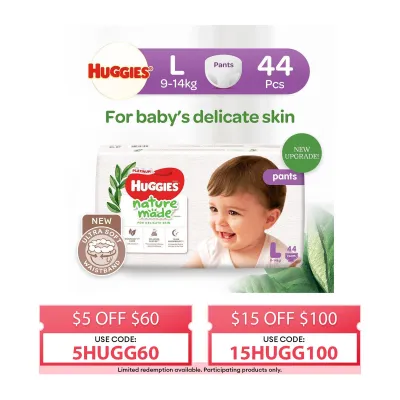
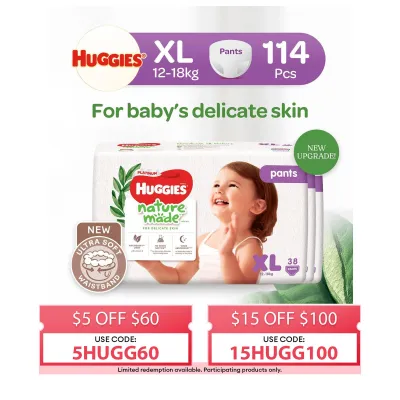
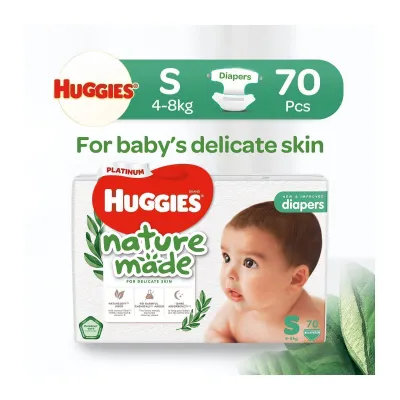
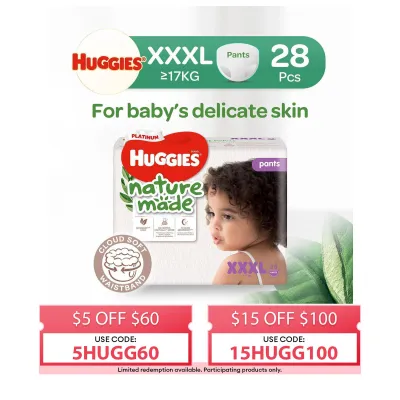
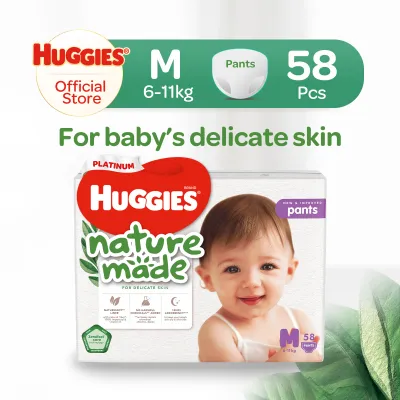
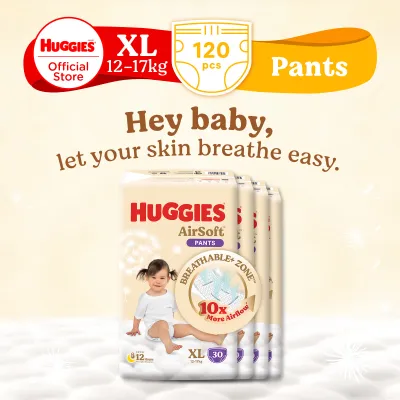
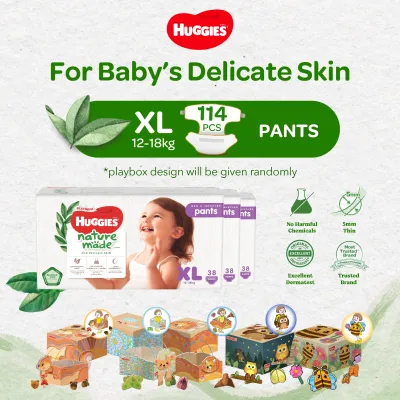
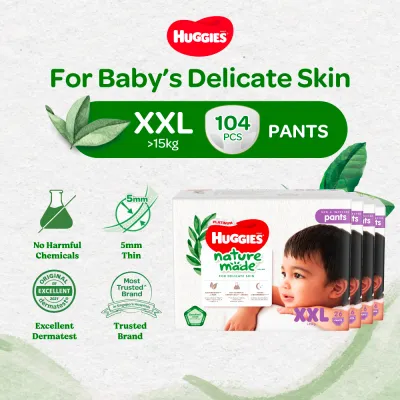
Prices are valid at publication and may change. Please refer to the product page for the latest price.
Key Dimensions for Comparing Diaper Performance
When comparing Huggies, Pampers, and Mamypoko, focus on three primary performance areas: leak protection, physical fit, and skin compatibility. Evaluating these dimensions requires looking closely at the physical construction of each diaper rather than relying solely on packaging claims.
To evaluate absorbency, start by examining the core padding distribution of the diaper. High-quality disposable diapers use superabsorbent polymers mixed with wood pulp to lock moisture away from the skin. Hold the diaper up to the light to see if the core is evenly distributed or concentrated in specific zones, such as the front for boys or the center for girls. A well-distributed core prevents sagging and ensures that moisture is absorbed quickly regardless of your baby’s sleeping or sitting position.
Next, observe the wetness indicator, which is typically a yellow line running down the center of the outer shell that turns blue or green when wet. A reliable indicator helps you avoid unnecessary changes while ensuring your baby does not sit in a wet diaper for too long. Additionally, inspect the double-layered leg cuffs or leak guards. These elasticized barriers should stand upright when the diaper is opened; they act as the primary defense against blowouts and side leaks during active play or side-sleeping.
A diaper’s fit is determined by its waistband elasticity, side panels, and leg cuff snugness. When testing a brand, gently stretch the waistband to assess its tension. A good waistband should stretch easily to accommodate a full belly after feeding but retract securely to prevent gaping at the back. Look for wide, resealable fastening tapes or highly elastic pant waistbands that distribute pressure evenly across your baby’s abdomen.
Pay close attention to the leg openings after fitting the diaper. Run your finger along the inside of the leg cuffs to ensure they are flared outward rather than tucked inward. If you notice deep red marks or indentations on your baby’s thighs or waist after removal, the diaper is either too small or the elastic is too restrictive for their body shape. A flexible diaper should allow your baby to kick, crawl, and sit comfortably without leaving lasting impressions on their skin.
Singapore’s warm, humid climate makes breathability a critical factor in preventing diaper rash. To assess breathability, look for diapers with micro-perforated outer covers that allow heat and moisture vapor to escape while keeping liquid contained. You can often feel the difference in humidity on the outside of a highly breathable diaper after a few hours of wear, indicating that moisture is successfully evaporating.
Inspect the inner lining that touches your baby’s skin. It should feel soft to the touch, with a textured or quilted pattern that minimizes direct skin contact with wetness. Check the packaging to verify if the diapers are fragrance-free, as added perfumes can irritate sensitive skin. Look for clear dermatological testing labels or hypoallergenic certifications on the packaging, and prioritize brands that minimize the use of elemental chlorine bleaching in their manufacturing process.
Evaluating Sizing, Value, and Availability
Finding a diaper that performs well is only half the battle; it must also fit your household budget and be easy to source reliably. Sizing systems and pricing structures vary significantly among Huggies, Pampers, and Mamypoko, requiring a systematic approach to purchasing.

To manage your monthly diaper expenses, avoid comparing the price per pack. Instead, calculate the cost per individual diaper by dividing the total price of the pack by the number of diapers inside. For example, if a pack costs S$24.00 and contains 60 diapers, the cost per diaper is S$0.40. Keep a simple log of these unit prices across different retailers and online marketplaces to identify genuine discounts.
Bulk purchasing can offer substantial savings, but it requires careful timing. Babies grow rapidly, and buying multiple cartons of a single size can backfire if your baby suddenly experiences a growth spurt. As a rule of thumb, only buy in bulk when your baby is safely in the middle of a size’s weight range. If they are within one to two kilograms of the upper limit, buy single packs instead to avoid being left with unused diapers that no longer fit.
Never rely on age estimates printed on diaper packaging, as babies of the same age can have vastly different weights and body proportions. Instead, strictly use your baby’s current weight as the primary guide. Each brand has its own sizing chart, and a “Medium” in Huggies may fit differently than a “Medium” in Pampers or Mamypoko.
If your baby is experiencing frequent leaks or blowout incidents despite being within the recommended weight range, it is often a sign that you need to size up. A larger size provides a larger absorbent core and higher leak guards, which can resolve chronic leaking issues even if the diaper looks slightly bulky. Conversely, if you notice gaping around the legs or waist, the diaper is too large, and you should revert to a smaller size to maintain a secure seal.
When purchasing diapers in Singapore, buy from official brand stores, authorized distributors, or established online malls to ensure you receive authentic products. Parallel-imported diapers may be sourced from different regional markets and can feature different materials, sizing standards, or quality control measures than those officially distributed in Singapore.
Always check the packaging for manufacturing or expiry dates, which are typically printed on the bottom or side of the plastic wrap. Store your diaper packs in a cool, dry place away from direct sunlight and high humidity, such as a closed closet or storage cabinet. Excess moisture in the air can compromise the integrity of the adhesive tapes and pre-activate the wetness indicators, reducing the diaper’s overall effectiveness before it is even worn.
Decision Framework: Matching the Diaper to Your Baby
To simplify your choice, you can match the specific design characteristics of Huggies, Pampers, and Mamypoko to your baby’s physical activity, skin needs, and your daily caregiving routine.
Huggies diapers are often characterized by their robust construction, secure fastening systems, and snug waistbands. Consider choosing Huggies if your baby is highly active, crawling, or pulling themselves up to stand. The brand’s diaper pants and tape options typically feature wide, stretchy waistbands and secure side seals that stay in place during vigorous movement, reducing the risk of sagging or shifting.
The secure fit of Huggies is particularly beneficial for babies with a leaner build, as the elasticized waistbands help close the gap at the lower back where blowouts commonly occur. If your daily routine involves frequent outdoor play or active developmental exercises, the structured design of Huggies provides the physical security needed to keep the diaper centered and functional.
Pampers diapers are widely recognized for their lightweight, thin profile and soft, cloth-like texture. Choose Pampers if your priority is minimizing bulk under your baby’s clothing while maintaining reliable absorbency. The inner lining is designed to distribute liquid quickly across multiple channels, preventing the diaper from clumping or becoming heavy in a single spot.
This thin, highly flexible design makes Pampers an excellent option for longer stretches of sleep or overnight use, as it conforms closely to your baby’s body without restricting their natural sleeping positions. If your baby prefers a softer, less structured feel against their skin, the gentle materials used in Pampers can help reduce friction and keep them comfortable throughout the night.
Mamypoko is highly regarded for its specialized regional designs, particularly its focus on maximum absorbency and deep pocket leak protection. Consider choosing Mamypoko if you are looking for diapers with high-capacity cores that can handle heavy wetters, or if you prefer distinct tape and pants formats tailored to different stages of growth.
Many Mamypoko designs feature extra-breathable back sheets and specialized waistbands designed to channel hot air away from the skin, which is highly advantageous in Singapore’s tropical climate. If you find yourself changing diapers frequently due to heavy wetness, or if you require a diaper with a generous cut that accommodates babies with rounder bellies and chubbier thighs, Mamypoko’s sizing and shape may offer the most comfortable fit.
Regardless of the brand you choose, if your baby has highly sensitive skin or a history of eczema, you must take extra precautions. Always check the packaging for specific hypoallergenic, fragrance-free, and alcohol-free labels. Before committing to a full pack, perform a patch test by having your baby wear the new diaper brand for a single day while closely monitoring their skin for redness, warmth, or small bumps.
If you observe persistent skin irritation, diaper rash, or allergic reactions, stop using the product immediately and switch back to a known safe brand or a specialized sensitive-skin line. Keep the diaper area clean and dry, allow for diaper-free air time, and apply a barrier cream containing zinc oxide. If the rash does not improve within a few days, or if it blisters, bleeds, or is accompanied by a fever, consult a pediatrician or qualified healthcare professional for a proper diagnosis and treatment plan.
Frequently Asked Questions (FAQ)
Can I mix different diaper brands for day and night use?
Yes, mixing different diaper brands for day and night use is a highly practical and cost-effective strategy for many parents in Singapore. During the day, when diaper changes are more frequent and your baby is active, you can opt for a lighter, more flexible, or more economical diaper that allows for easy movement and frequent swaps. This helps manage your overall diaper budget without compromising on comfort.
For overnight use, you can switch to a highly absorbent diaper with a high-capacity core and enhanced leak guards, even if it is slightly bulkier or more expensive per unit. An overnight diaper needs to keep your baby dry for up to twelve hours to support uninterrupted sleep. By using a premium, high-absorbency diaper exclusively at night and a standard diaper during the day, you optimize both performance and cost.
How do I know if a specific diaper brand is causing diaper rash?
To determine if a diaper brand is causing a rash, observe the pattern and timing of the skin irritation. A rash caused by diaper material or chemical sensitivity typically appears as generalized redness, small bumps, or dry patches across the entire area in direct contact with the diaper, including the waistband and leg cuffs. This irritation often develops within 24 to 48 hours of switching to a new brand.
In contrast, a rash caused by prolonged exposure to wetness or friction usually concentrates in the skin folds, around the leg openings where rubbing occurs, or directly in the wetness zone. If you suspect a brand is the culprit, stop using it immediately and switch to a fragrance-free, hypoallergenic alternative. If the redness persists, spreads, or shows signs of infection such as peeling or pus, consult a healthcare professional for guidance.
Community discussion
Share your experience or ask a question. Comments are reviewed before publication.