
When packing a diaper bag for an outing in Singapore’s humid climate, finding a gentle yet convenient cleaning option is a top priority for parents. If you are considering huggies wet wipes travel packs for your newborn, the short answer is that safety depends heavily on the specific product variant you choose and your baby’s individual skin sensitivity. While many options within the brand’s lineup are formulated with mild, skin-loving ingredients, there is no single universal formula across all travel packs. You must verify that the specific travel pack in your hands is explicitly labeled as fragrance-free, alcohol-free, and hypoallergenic before using it on a newborn’s highly delicate skin. The ultimate convenience of an on-the-go pack should never override the strict ingredient standards required during the first few weeks of your baby’s life.
Why Newborn Skin Requires Careful Ingredient Selection
A newborn baby’s skin is fundamentally different from adult skin, requiring an entirely different standard of care. During the first few months of life, the outermost layer of the skin, known as the stratum corneum, is significantly thinner and less developed than that of an adult. This structural difference results in much higher skin permeability, meaning that whatever you apply to your baby’s skin is absorbed far more easily and deeply into the underlying layers. Consequently, newborns are highly susceptible to localized irritation, rapid moisture loss, and even potential systemic absorption of harsh chemicals, synthetic fragrances, and strong preservatives.
Additionally, a newborn’s skin is still developing its natural protective barrier, including the acid mantle—a fine, slightly acidic film on the surface that helps ward off harmful bacteria and pathogens. Introducing harsh alkaline substances or aggressive cleansing agents can disrupt this delicate pH balance, stripping away natural lipids and leaving the skin vulnerable to infection, dryness, and severe diaper rash. In Singapore’s warm and humid weather, trapped moisture combined with a compromised skin barrier can quickly lead to painful fungal or bacterial flare-ups. This makes complete ingredient transparency and careful selection of every wipe, lotion, or wash absolutely essential for safeguarding your infant’s skin health.
Products mentioned in this guide
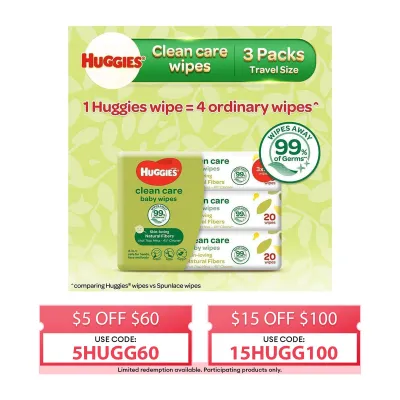

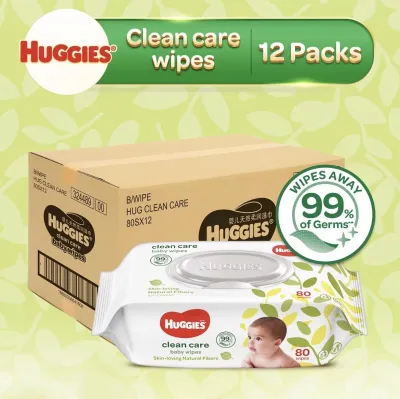
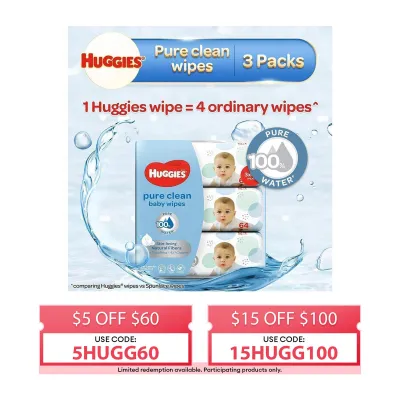
Prices are valid at publication and may change. Please refer to the product page for the latest price.
Breaking Down the Ingredients in Huggies Wet Wipes Travel Packs
To determine whether a specific pack of travel wipes is appropriate for your newborn, you must look past the marketing claims on the front of the packaging and examine the ingredient list on the back. Baby wipes are complex formulations designed to remain moist, resist microbial growth, and clean effectively without requiring a water rinse. Understanding the primary categories of ingredients used in these wipes helps you make an informed decision for your baby’s daily routine.

Water and Moisturizers
Purified water forms the base of almost all high-quality baby wipes, often making up more than 98% of the formulation. For newborns, water is the safest and most natural cleansing medium, as it effectively dilutes and lifts away waste without leaving behind a heavy chemical residue. When evaluating travel wipes, look for variants that prioritize a high percentage of purified water to ensure a gentle clean.
To prevent the skin from drying out after the water evaporates, manufacturers frequently incorporate mild, plant-derived moisturizers and skin-conditioning agents. Common additives include aloe barbadensis leaf extract (aloe vera) and tocopheryl acetate (vitamin E), which are widely recognized for their soothing properties. While these ingredients are generally safe and beneficial for most newborns, parents must remain cautious. If your baby has a known family history of specific plant allergies or exhibits extremely reactive skin, even natural botanicals can sometimes trigger a localized reaction. Always check the label to ensure these additives are highly refined and suitable for sensitive skin.
Preservatives and Surfactants
Because wet wipes are pre-moistened and stored in sealed plastic packets—often kept in warm diaper bags or strollers under the sun—they represent a prime breeding ground for harmful mold, yeast, and bacteria. To prevent dangerous microbial contamination, the inclusion of a preservative system is absolutely mandatory. A wipe without preservatives would quickly become a health hazard to your newborn’s skin and overall well-being.
However, not all preservatives are created equal, and some carry a much higher risk of contact allergy than others. Parents should carefully inspect the ingredient list to confirm the absence of harsh or controversial preservatives, such as parabens, methylisothiazolinone (MIT), or methylchloroisothiazolinone (CMIT). While reputable brands typically exclude these sensitizing chemicals from their newborn-specific product lines, formulations can vary significantly between standard wipes and specialized sensitive variants. You must verify that the specific travel pack you purchase utilizes mild, food-grade, or dermatologically approved preservation agents.
Alongside preservatives, mild surfactants are often included to help lift oily stool and urine residues from the skin. These cleansing agents lower the surface tension of water, allowing the wipe to clean efficiently with minimal friction. For newborn care, these surfactants must be exceptionally mild, non-ionic, and designed not to strip the skin’s natural lipid barrier during use.
Fragrances and Alcohol
Among all the ingredients potentially found in baby wipes, added fragrances and denatured alcohols pose the greatest threat to a newborn’s delicate skin barrier. Pediatric dermatologists strongly advise against using any scented products on infants during their first few months of life. Synthetic fragrances are highly complex chemical mixtures that serve as a leading cause of contact dermatitis, allergic reactions, and localized skin irritation in young children.
When scanning the ingredient panel, be aware that fragrances can be listed under various ambiguous terms, such as “parfum”, “fragrance”, or specific aromatic plant extracts. Even if a product smells clean or pleasant, those scent molecules can trigger immediate redness, itching, and swelling on a newborn’s highly permeable skin. Similarly, denatured alcohol or isopropyl alcohol must be completely avoided. Alcohol is highly volatile; as it evaporates, it strips away the skin’s natural moisture and essential lipid barrier. This rapid drying effect leads to micro-tears in the stratum corneum, creating an easy pathway for bacteria to enter and significantly increasing the frequency and severity of diaper rash.
How to Read the Label for Newborn Safety
Navigating the baby care aisle can be overwhelming, with numerous packages boasting various safety claims. To protect your newborn, you must learn to interpret these claims critically. Look for key, verifiable terms on both the front and back of the pack, such as “Fragrance-Free,” “Alcohol-Free,” “Hypoallergenic,” and “Dermatologically Tested.” These terms indicate that the manufacturer has formulated the product specifically to minimize the risk of skin irritation.
It is crucial to understand the regulatory and chemical distinction between “unscented” and “fragrance-free” products. An “unscented” wipe may still contain chemical masking agents designed to neutralize the natural, sometimes unpleasant smell of the raw ingredients. These masking chemicals can still irritate highly sensitive newborn skin. A truly “fragrance-free” product, on the other hand, contains no added scent compounds or masking agents whatsoever. For a newborn, always prioritize “fragrance-free” over “unscented” to eliminate this hidden risk.
Furthermore, never assume that a travel-sized pack contains the exact same formulation as the larger bulk tubs of the same brand. In some cases, manufacturers adjust the preservative systems, moisture levels, or material thickness of travel formats to maintain shelf stability in smaller, portable packaging. Additionally, parallel imports or regional variations sold in online marketplaces may feature different formulations depending on their country of origin. Always take a moment to physically read the ingredient list printed on the individual travel pack before making a purchase, ensuring it aligns with your newborn’s specific skin needs and any known family allergies.
Safe Usage Guidelines and When to Stop
Even when you have selected a travel wipe with an exemplary ingredient list, proper application and observation are vital to maintaining your newborn’s skin health. Before using any new brand or variant of travel wipes for a full diaper change, it is highly recommended to perform a simple patch test. Gently swipe the wipe over a small, non-sensitive area of your baby’s arm or leg, then wait 24 to 48 hours to monitor for any signs of localized irritation or redness. This precautionary step helps identify individual sensitivities before exposing more delicate areas to the product.
When performing daily diaper changes, your wiping technique plays a significant role in preventing skin damage. Always wipe gently from front to back, especially for baby girls, to prevent the spread of bacteria. Avoid harsh rubbing or scrubbing motions, which can cause mechanical friction and compromise the fragile outer layer of the skin. Instead, use soft, patting or dabbing motions to lift away waste. Ensure the diaper area is completely dry before putting on a fresh diaper, as trapped moisture is a primary catalyst for diaper rash in warm climates.
Caregivers must remain vigilant for any visible signs of contact dermatitis or allergic reactions. These typically present as localized redness, dry or peeling skin, a persistent bumpy rash, or immediate fussiness and crying during cleaning. If you observe any of these symptoms, stop using the wipes immediately. Clean the area with plain water and a soft, dry cloth instead. Do not attempt to treat a persistent rash with over-the-counter medicated creams without professional guidance. If the redness persists, worsens, or is accompanied by broken skin or fever, consult a pediatrician or qualified medical professional promptly to obtain an accurate diagnosis and safe treatment plan.
Frequently Asked Questions (FAQ)
Can I use Huggies travel wipes on my newborn's face and hands?
While certain highly sensitive, water-based variants of Huggies wipes are generally safe for cleaning a newborn’s hands and face, you must exercise extreme caution. The skin on a baby’s face is exceptionally thin and highly sensitive, and the area surrounding the eyes is particularly vulnerable to irritation. Always avoid direct contact with the eyes. Before using any wipe on your baby’s face, check the specific product packaging to ensure the manufacturer has explicitly approved it for full-body or facial use. If the label indicates the wipes are formulated solely for the diaper area, do not use them on the face, as they may contain ingredients that are safe for the buttocks but too harsh for facial skin.
Do travel-sized wipes have different ingredients than the large packs?
In most cases, the core formulation of a brand’s travel-sized wipes is identical to that of its larger bulk packs. However, minor variations can occasionally occur. Manufacturers sometimes adjust the concentration of preservative systems or moisture-retaining agents in smaller, portable formats to ensure the wipes do not dry out quickly after the seal is repeatedly opened and closed on the go. Additionally, because travel packs are often subjected to fluctuating temperatures in cars or bags, their packaging materials and moisture levels are optimized for portability. To guarantee safety, always develop the habit of double-checking the ingredient panel on the specific travel pack you are purchasing, rather than assuming it matches the bulk home version.
Community discussion
Share your experience or ask a question. Comments are reviewed before publication.