
Finding the right diaper pants for an active toddler in Singapore involves balancing leak protection, skin comfort, and overall value. As toddlers transition into size XL, their increased mobility and higher fluid output put diaper designs to the test. Huggies Pants XL is a popular choice among local parents, but comparing it to major alternatives like Pampers and MamyPoko requires looking closely at physical design, fit, and how each brand handles the humid local climate.
Every toddler has a unique body shape, activity level, and skin sensitivity, meaning there is no single diaper that works perfectly for every child. Parents must evaluate how waistband elasticity, leg cuff snugness, and core absorbency perform under real-world conditions. By establishing clear criteria and observing how each diaper fits during daily play and overnight sleep, you can make an informed decision that keeps your toddler comfortable and your household budget intact.
Key Criteria for Comparing Toddler Diaper Pants
When evaluating Huggies Pants XL against competitors like Pampers and MamyPoko, the waistband is often the first point of physical comparison. A high-quality waistband must offer sufficient elasticity to stretch easily over a toddler’s hips during active, standing changes, yet recover its shape quickly to prevent sagging. Parents should physically stretch the waistband of each brand to feel the resistance and observe whether the elastic gathers are soft or stiff against the skin.
Products mentioned in this guide
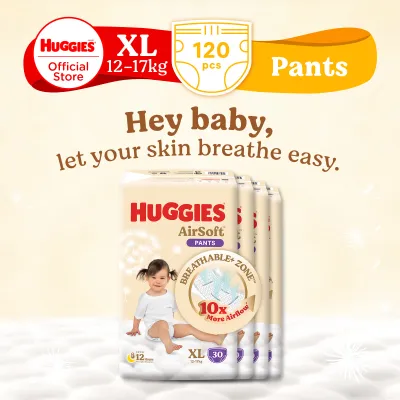
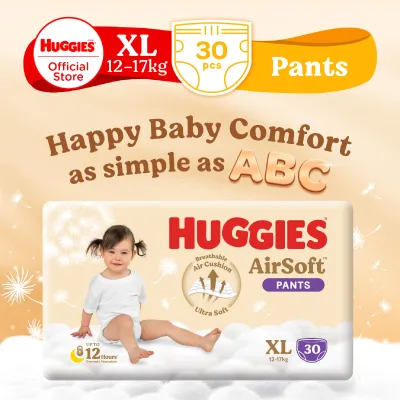
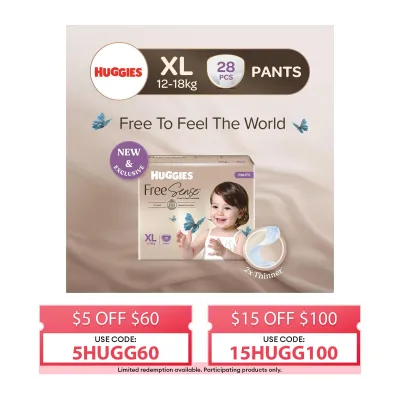
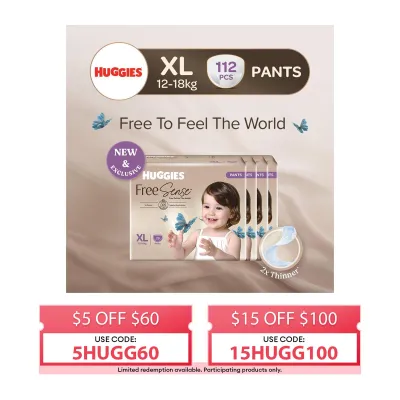
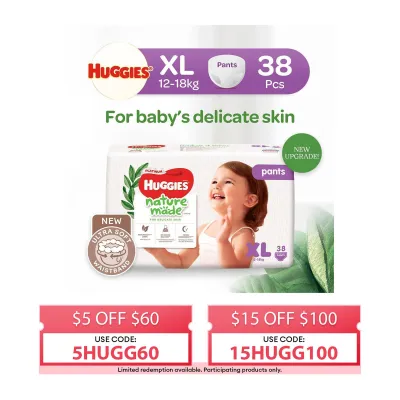
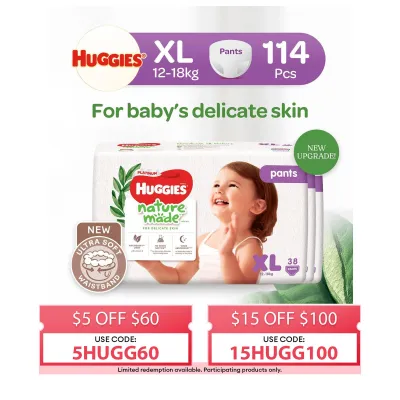
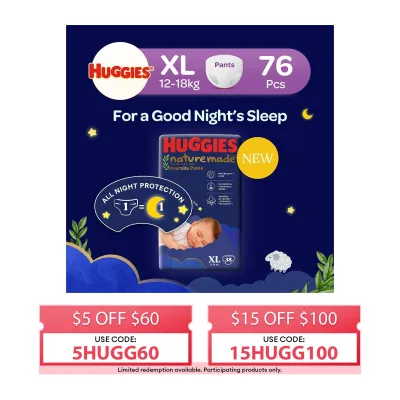
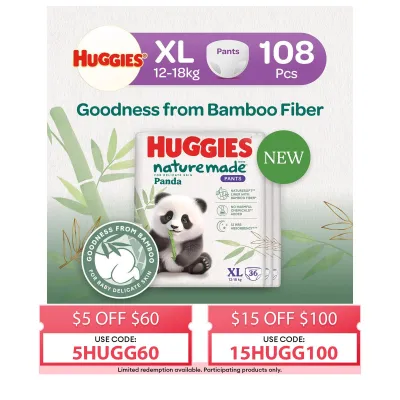
Prices are valid at publication and may change. Please refer to the product page for the latest price.
The design and placement of the absorbent core also vary significantly across these brands. Some diaper pants feature a wider, more uniform core that covers a larger surface area, while others utilize a zoned distribution that concentrates absorbency in the front or center. You should inspect the thickness of the core when dry and consider how bulky it becomes between the legs once wet, as excessive bulk can restrict a toddler’s natural movement.
Given Singapore’s warm and humid climate, the breathability of the outer cover and the texture of the inner lining are critical for maintaining skin health. When comparing brands, feel the inner sheet to check for softness and look at the packaging for manufacturer disclosures regarding micro-pores or breathable materials. A lining that feels rough or plastic-like to the touch can increase friction against sensitive skin, especially during active outdoor play.
Finally, the wetness indicator is a practical feature that helps caregivers monitor diaper status without constant physical checks. Compare the visibility of the indicator lines on the outside of the diaper and observe how quickly and clearly they change color when wet. Some indicators run fully from front to back, while others are shorter, which can affect how easily you can spot a wet diaper through lightweight toddler clothing.
Assessing Leak Protection for Active Toddlers
Preventing leaks during active daytime play and long overnight stretches is the primary job of any diaper pant. To assess leak protection, start by inspecting the leg cuffs immediately after putting the diaper on your toddler. The elastic outer gathers, often referred to as ‘leg guards’, must be pulled outward and sit flat against the thigh rather than curling inward, which creates gaps where liquid can escape.

When leaks do occur, observing the timing and condition of the diaper can help you identify the root cause. A leak that happens in the morning after a full night’s sleep might be due to saturation, where the absorbent core has reached its maximum capacity. Conversely, a leak that occurs shortly after a fresh diaper is put on often points to a fit issue, such as a loose waistband or a leg cuff that was not properly adjusted.
As toddlers grow, their fluid output increases, and a size XL diaper that once fit perfectly may begin to leak even if the toddler’s weight is still within the manufacturer’s recommended range. If you notice frequent leaks accompanied by a diaper that feels completely saturated and heavy, it is often a sign that you need to transition to a larger size. Sizing up provides a larger absorbent core and higher capacity, which can resolve persistent leakage issues.
Heavy wetters may require more frequent diaper changes during the day, regardless of the brand’s maximum absorbency claims. Caregivers should monitor how many hours a diaper can comfortably go before showing signs of sagging or dampness on the outer cover. Adjusting your changing routine to match your toddler’s specific hydration patterns is often more effective at preventing leaks than relying solely on overnight diaper designs.
Evaluating Comfort, Fit, and Skin Health
A toddler’s comfort is closely tied to how well the diaper pant conforms to their body without causing physical irritation. After removing a diaper, carefully inspect your toddler’s thighs, hips, and lower back for deep red marks or indentations left by the elastic bands. Persistent red marks indicate that the waistband or leg cuffs are too tight, which can cause chafing and discomfort during movement.
Skin irritation and diaper rash can flare up when moisture is trapped against the skin for extended periods. If your toddler has sensitive skin, track whether rash occurrences correlate with a specific brand’s materials or fragrances. Many brands offer fragrance-free options or hypoallergenic linings, so reviewing the ingredient and material disclosures on the packaging is an essential step for parents managing sensitive skin conditions.
The physical bulk of a diaper pant can also influence a toddler’s physical development and comfort. A diaper that is excessively thick or bunches up heavily between the thighs can alter a toddler’s walking gait or make floor play uncomfortable. When comparing Huggies Pants XL with Pampers and MamyPoko, observe how your child walks, climbs, and sits while wearing each brand to ensure the design supports natural, unrestricted movement.
For toddlers with known skin sensitivities, look for diaper pants that carry independent dermatological certifications or are explicitly labeled as free from elemental chlorine, parabens, and natural rubber latex. Because formulations and materials can change, always verify the current product packaging for these details. If a persistent rash develops despite regular changes and proper fit, pause use of the current brand and consult a pediatrician for guidance.
Calculating True Value and Cost-Per-Diaper
Evaluating the financial value of Huggies Pants XL compared to other brands requires looking past the upfront price of a single pack. To find the true cost, calculate the price per individual diaper by dividing the total cost of the pack or carton by the number of pieces inside. For example, if a carton of XL diaper pants costs S$55.00 and contains 110 pieces, the cost per diaper is S$0.50, which serves as a reliable baseline for comparison.
In Singapore, purchasing diaper pants in bulk cartons through online marketplaces or official brand stores often yields significant savings compared to buying individual packs at local supermarkets. Many ecommerce platforms offer subscription services, seasonal vouchers, or bulk-buy discounts that lower the cost per piece. Keeping a running log of these promotional prices allows you to restock when prices are at their lowest.
While buying in bulk is cost-effective, parents must weigh the financial risk of stockpiling too many XL diapers at once. Toddlers can experience sudden growth spurts, quickly outgrowing their current size, or they may show rapid progress in potty training, leaving you with unused inventory. It is generally safer to limit bulk purchases to a few weeks’ supply rather than buying several months of diapers in advance.
Ultimately, the cheapest diaper is not always the most economical choice if it leads to frequent leaks or skin irritation. A slightly more expensive, premium diaper pant that keeps your toddler dry overnight can save money by reducing the frequency of daytime changes and preventing the need to wash ruined clothing, bedsheets, and mattress protectors. Balance the observable performance of each brand against its cost per piece to determine the best value for your household.
Decision Framework: Choosing the Right Diaper Pants
Selecting the ideal diaper pant depends on matching your toddler’s unique physical build and daily habits with the design strengths of each brand. Consider choosing Huggies Pants XL if your toddler has an active build and your observations show that its waistband stretch and recovery provide a secure, gap-free fit during vigorous movement. This option is well-suited for toddlers who require a balanced, snug fit around both the waist and thighs.
You may want to choose Pampers diaper pants if your toddler has highly sensitive skin that responds better to its specific material texture and lightweight, low-bulk core design. This brand is often favored by parents who prioritize a thinner profile under clothing and a soft inner lining that minimizes friction during active play.
Consider choosing MamyPoko diaper pants if your toddler is a heavy wetter, particularly overnight, and your checks indicate that its specific leg cuff design and core capacity offer superior containment. This choice is highly suitable for long sleeping stretches where maximum absorbency is required to prevent morning leaks.
If leaks and fit issues persist across all three brands despite using the correct size based on weight, the issue may not be the diaper itself. You may need to evaluate other factors, such as your toddler’s hydration schedule before bedtime, their sleeping posture, or whether they are showing developmental signs of readiness for toilet training.
Always prioritize your child’s skin health during any brand transition. If your toddler develops unexplained redness, bumps, or a persistent rash after switching to a new diaper pant, immediately stop using that brand. Keep the skin clean and dry, and consult a qualified pediatrician or healthcare professional to address the irritation.
Frequently Asked Questions (FAQ)
When should I transition my toddler from tape diapers to pants?
You should consider transitioning your toddler to diaper pants when they become highly active and resist lying still during changes. Signs of readiness include standing up, rolling over, or crawling away while you attempt to secure tape diapers. Diaper pants are also beneficial when your toddler begins showing interest in toilet training, as the pull-up design allows them to practice pulling their own pants down and up, mimicking real underwear.
How do I know if the XL size is too small or too big?
An XL diaper pant is likely too small if you notice deep red marks or chafing around your toddler’s waist or thighs after removal, or if the waistband sits well below the belly button. Conversely, the diaper is too big if there are visible gaps between the elastic gathers and your toddler’s skin, or if the diaper sags heavily even when dry. Frequent side leaks or blowouts are also strong indicators of an incorrect fit, requiring you to re-verify your toddler’s current weight against the manufacturer’s sizing guidelines.
Community discussion
Share your experience or ask a question. Comments are reviewed before publication.