
Selecting the right newborn diaper for your baby in Singapore involves balancing physical fit, skin compatibility, and overall household budget. While Huggies newborn diapers are a highly visible and widely available option across local supermarkets and online platforms, they exist alongside a diverse range of competing brands, each offering different cuts, materials, and price points. Finding the ideal match requires looking beyond brand popularity to examine how a diaper’s specific design features align with your baby’s unique body shape and skin sensitivity. By understanding how to evaluate physical attributes like waistband elasticity, leg cuff seals, and material breathability, you can make an informed decision that minimizes leaks and keeps your newborn comfortable.
Core Criteria for Evaluating Newborn Diapers
When preparing for a newborn’s arrival, parents in Singapore often face an overwhelming array of diaper options. Establishing a clear set of objective criteria helps simplify this decision, allowing you to compare different brands on equal terms. The primary factors to evaluate include physical leak protection, material safety certifications, and structural design elements tailored specifically for the first few weeks of life.
Absorbency and leak protection form the foundation of any reliable diaper. Inspect the diaper’s inner core design and the physical construction of its leg cuffs. High-quality diapers typically feature a distribution layer designed to draw liquid away from the skin quickly. Additionally, look for double-layered leg cuffs with elasticized barriers. When placing the diaper on your baby, check for physical gaps around the thighs; a proper fit should snugly hug the legs without leaving deep red indentations.
Products mentioned in this guide
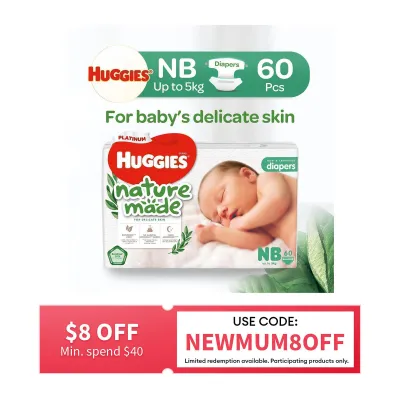
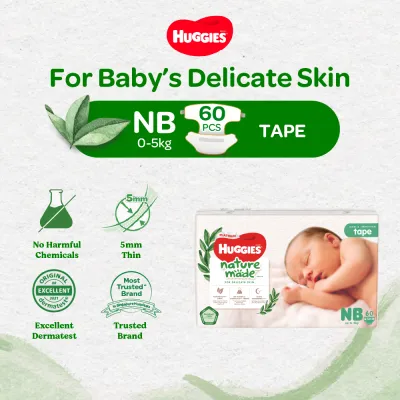
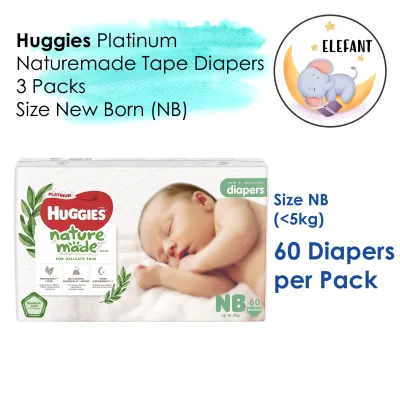
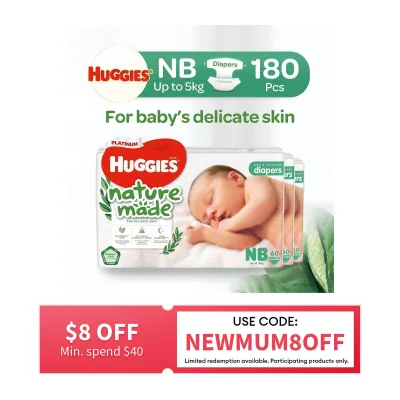
![[1 Carton] Huggies Platinum Naturemade Tape New Born 60 Pcs x 3 Packs (~5KG)](https://img.lazcdn.com/g/p/561025dc794146b2800938516395a0b0.jpg_400x400q80.jpg_.webp)
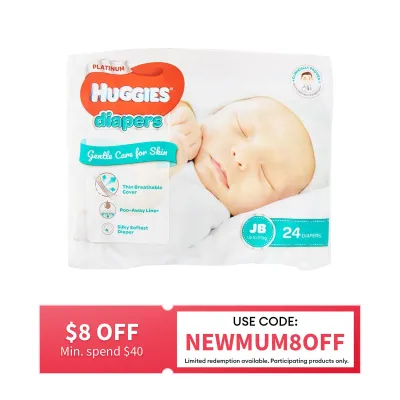
Prices are valid at publication and may change. Please refer to the product page for the latest price.
Skin sensitivity is another critical consideration, as a newborn’s skin is exceptionally thin and prone to irritation. Parents should carefully review the diaper packaging for dermatological testing labels, hypoallergenic claims, and fragrance-free certifications. Breathability is equally important in Singapore’s warm, humid climate. Look for backsheet materials that claim high breathability or micro-pores, which allow heat and moisture to escape, reducing the risk of diaper rash.
Finally, fit and sizing must be evaluated based on the manufacturer’s specified weight ranges rather than age alone. Newborn diapers are generally designed for babies weighing up to five kilograms, but individual body shapes vary significantly. An essential feature to look for in newborn sizes is an umbilical cord cutout or notch. This design element prevents the diaper waistband from rubbing against the healing umbilical stump, reducing irritation and keeping the area dry.
Evaluating Huggies Newborn Diapers: Features to Check
Huggies is a household name in Singapore, but understanding what their newborn diapers offer requires a close look at their specific product lines. When shopping, parents should verify which specific line is available, as features can vary between standard and premium offerings. Checking the packaging carefully ensures you select the version that best matches your baby’s needs.

Start by looking for key newborn-specific features on the diaper itself. Huggies newborn diapers typically feature a wetness indicator—a colored line that changes hue when wet—which helps caregivers identify when a change is needed. Additionally, check the front waistband for an umbilical cord notch. This physical cutout sits comfortably below the navel, protecting the sensitive umbilical area during the first couple of weeks.
Next, review the packaging for material and ingredient claims. Many modern diaper lines emphasize softness by highlighting specific technologies, such as embossed top-sheets or plant-derived materials. Look for certifications indicating that the diapers are free from elemental chlorine, fragrances, and parabens. These details are particularly important if your family has a history of sensitive skin, as minimizing chemical exposure helps prevent early irritation.
Finally, observe the physical structure of the diaper out of the pack. Examine the waistband elasticity, as a stretchy back waistband helps prevent blowouts by keeping the diaper snug. Test the strength of the tab fasteners; they should grip firmly to the front landing zone and allow for multiple adjustments. Note the overall cut width, as some brands are cut narrower or wider through the crotch, directly impacting how the diaper sits on different baby statures.
Comparing Huggies with Popular Alternatives
To determine whether Huggies or an alternative brand is the right choice, parents must compare physical design variations and how they perform under daily usage. Different brands cater to different baby shapes, and what works perfectly for one newborn may lead to frequent leaks for another. Comparing these differences systematically helps you identify the best structural match.
Fit variations are often the most noticeable difference between diaper brands. Some popular alternative brands, particularly those from Japanese manufacturers, are known for having a wider, more generous cut, while others feature a narrower profile. When trying different brands, observe how the diaper wraps around your baby’s waist and thighs. If your baby has rounder thighs, a wider cut with flexible leg elastics may prevent red marks. For longer, leaner babies, a narrower cut might provide a more secure seal, eliminating thigh gaps.
Material feel and breathability also vary across brands. While packaging claims often use terms like “cottony soft,” the physical feel of the diaper against your hand gives you a practical sense of its texture. Compare the inner lining of Huggies with alternative brands; some feature textured, wavy top-sheets designed to trap loose newborn stool, while others offer a completely smooth surface. In Singapore’s humid environment, a highly breathable backsheet is crucial to prevent sweat rash, so look for brands that feel light and airy.
Absorbency indicators and real-world performance should be monitored closely during the first few days of use. While most brands include a wetness indicator, observe how the diaper behaves as it fills. Note whether the absorbent core clumps together or sags significantly when wet, as this can cause discomfort. If you notice frequent leaks or dampness on your baby’s skin during routine changes, it may indicate that the diaper’s distribution layer is not keeping up, suggesting a need to try a different brand’s core technology.
Assessing Price and Value Across Brands
While performance is vital, the ongoing cost of diapering is a major consideration for families in Singapore. Newborns can require up to ten to twelve diaper changes a day, making diaper consumption incredibly rapid during the first month. To find the best value, parents must look past the initial pack price and calculate the true cost of each diaper.
The most accurate way to compare diaper costs is by calculating the exact price per piece. To do this, divide the total price of the pack in S$ by the number of diapers inside. Performing this quick calculation allows you to compare premium and budget brands objectively, regardless of differences in packaging sizes.
Parents can also leverage various purchasing strategies to lower overall expenses. Buying in bulk, utilizing subscription services on major e-commerce platforms, or purchasing promotional bundles from official brand stores can significantly reduce the per-piece cost. Keep an eye out for local baby fairs or online shopping festivals in Singapore, where authorized retailers frequently offer discounts. However, avoid buying massive quantities of newborn sizes in advance, as babies often outgrow this initial size within a few weeks.
Additionally, consider the hidden costs associated with poor diaper performance. A cheaper diaper that leaks frequently or causes skin irritation can quickly become more expensive than a premium option. Frequent leaks lead to extra laundry cycles, increased water bills, and the potential need for diaper rash creams. If a diaper has lower absorbency, you may change your baby more frequently, meaning you go through the pack much faster than you would with a slightly more expensive, highly absorbent alternative.
Decision Framework: Which Brand Fits Your Baby?
Choosing the right diaper brand ultimately comes down to matching a diaper’s physical characteristics with your baby’s body shape, skin sensitivity, and your household budget. There is no single brand that works perfectly for every newborn, so a structured decision framework can help guide your final choice.
You may want to choose Huggies newborn diapers if you prefer a diaper with a reliable back waistband elastic to prevent blowouts, value specific design features like a dedicated umbilical cord cutout, and find that their bulk pricing fits comfortably within your monthly budget. Their widespread availability in Singapore supermarkets also makes them a highly convenient option for quick, last-minute purchases.
On the other hand, you might want to choose an alternative brand if your baby has exceptionally sensitive skin that reacts to the materials in Huggies, or if your baby’s body shape requires a different cut. For instance, if your newborn has very chunky thighs or a wider torso, a brand with a more generous, wider cut may provide a more comfortable fit without leaving red marks.
Neither Huggies nor your chosen alternative may be the right fit if your baby consistently experiences leaks, blowouts, or persistent red marks around the waist and thighs despite correct application. These signs often indicate that your baby is ready to transition to a larger size, even if they still fall within the recommended weight range. If skin redness or irritation persists despite frequent changes and trying different brands, consult a pediatrician to rule out underlying skin conditions.
Before committing to large bulk purchases, always verify compatibility by starting with small trial packs or requesting samples. Many brands and local parenting portals in Singapore offer free sample distributions for expectant parents. Testing a small quantity first allows you to observe how the diaper fits your baby’s unique shape and how their skin reacts, saving you from being stuck with unused bulk packs if a particular brand does not work out.
Frequently Asked Questions (FAQ)
When should I transition my baby from newborn to size 1 diapers?
You should consider transitioning your baby to size 1 diapers when they approach the upper weight limit indicated on the newborn packaging, or when you notice physical signs of a poor fit. These signs include persistent red marks around your baby’s thighs or waist, the diaper sitting too low on their hips, or a sudden increase in frequent leaks and blowouts. If the fastening tabs must be secured at the very edge of the landing zone to close the diaper, it is generally time to size up.
Can I mix different diaper brands for day and night use?
Yes, mixing different diaper brands is a practical way to balance your budget with your baby’s comfort. Many parents in Singapore use more affordable, standard brands during the day when diaper changes are highly frequent, and switch to a more absorbent, premium brand for overnight use to help the baby sleep longer without dampness. If you choose to mix brands, monitor your baby’s skin closely to ensure they do not experience adverse reactions from switching between different materials and elastic designs.
Community discussion
Share your experience or ask a question. Comments are reviewed before publication.