
Preparing for a day at a Singapore swimming pool with your baby requires the right gear, and choosing between Huggies Little Swimmers and Pampers Splashers is a common dilemma for parents. Because Singapore’s tropical climate offers year-round opportunities for swimming, having a reliable swim diaper is essential for both public swimming complexes and private condominium pools. Standard diapers are not suitable for water play, making specialized disposable swim diapers a necessity for hygiene and comfort.
While both brands are household names, they approach water containment with distinct design philosophies. Huggies Little Swimmers and Pampers Splashers differ significantly in their waistband construction, fastening mechanisms, and overall fit styles. Understanding these differences helps you select the option that best matches your baby’s body shape, developmental stage, and your personal changing preferences.
Before purchasing a pack for your next pool outing, it is helpful to evaluate how each brand performs across key categories. This comparison examines their physical designs, leak protection capabilities, sizing accuracy, and overall value, while also addressing local pool regulations that every parent in Singapore should know.
Products mentioned in this guide
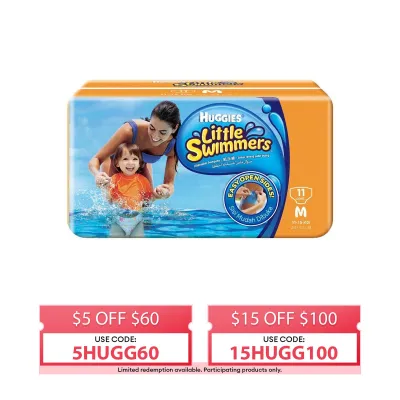
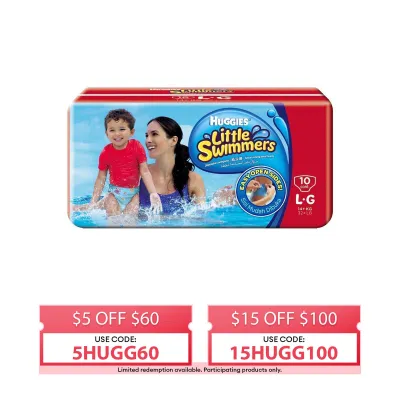
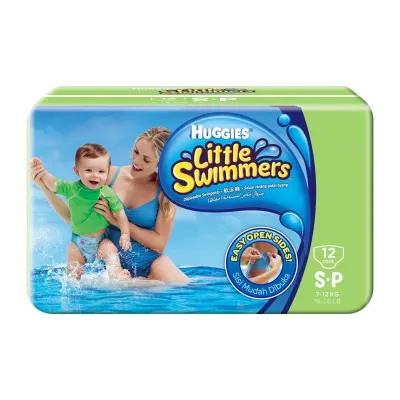
Prices are valid at publication and may change. Please refer to the product page for the latest price.
Core Design Differences: Fit, Waistbands, and Ease of Use
The most noticeable difference between Huggies Little Swimmers and Pampers Splashers lies in how they secure around your baby’s waist. Huggies Little Swimmers feature adjustable, refastenable side tabs. This design allows you to open the diaper like a standard disposable diaper, place it under your baby, and fasten the tabs to achieve a customized fit. The side panels are stretchy, which helps accommodate different waist sizes and allows for quick adjustments if the diaper feels too loose or too tight after getting wet.
The refastenable tabs on Huggies Little Swimmers also make diaper checks highly convenient. If you suspect your baby has soiled the diaper, you can simply unfasten the side tabs, inspect the inside, and fasten them back up if the diaper is clean. This design is particularly beneficial for younger infants who are changed while lying down on a changing table, as well as for situations where you want to avoid removing your baby’s shoes or swimsuit just to check the diaper.
In contrast, Pampers Splashers utilize a continuous, 360-degree stretchy waistband. This design mimics real swimwear or pull-up training pants, sliding on easily over your baby’s legs and hips. The waistband is highly elastic and conforms closely to your baby’s torso, providing a snug, gap-free fit all the way around. This pull-on style is often preferred for active toddlers who resist lying down for diaper changes and prefer to stand up while getting dressed.
To remove a soiled Pampers Splashers diaper, you do not pull it down over the legs, which could cause a mess. Instead, the diaper features tear-away sides that allow you to rip the side seams quickly and slide the diaper away. However, unlike the Huggies design, once you tear the sides of a Pampers Splashers diaper, it cannot be refastened. If you open it to check for a mess and find nothing, you will need to use a new diaper, which is an important usability trade-off to consider.
When evaluating either brand, parents must consult the specific size chart and weight ranges printed on the packaging. Because swim diapers do not fit exactly like regular diapers, relying on your baby’s standard diaper size can lead to a poor fit. A swim diaper must fit snugly around both the waist and the thighs to perform its job effectively, so checking the manufacturer’s weight guidelines is the first step to ensuring a secure seal.
Leak Protection and Singapore Pool Compliance
To understand how swim diapers protect against leaks, it is crucial to clarify their functional limits. Disposable swim diapers do not absorb urine. They are engineered with non-swelling materials that allow liquid to pass through while containing solid waste. If a swim diaper were designed to absorb liquid, it would instantly absorb the pool water, swell to a massive size, drag your baby down, and lose all structural integrity.

Because swim diapers are designed solely to contain solid waste, leak protection depends entirely on the physical seal around the legs and waist. When inspecting a swim diaper, look closely at the leg cuffs. Both Huggies and Pampers equip their swim diapers with elastic leg barriers designed to fit flush against your baby’s thighs. To ensure maximum protection, you should run your finger along the inside of the leg cuffs after putting the diaper on to make sure the elastic is fully extended and not tucked inward.
A snug waistband is equally important for preventing solid leaks, especially when your baby is active in the water. If there is a gap at the back of the waistband, water movement can wash solids out of the diaper and into the pool. The continuous waistband of Pampers Splashers offers a uniform seal around the torso, while the adjustable tabs of Huggies Little Swimmers allow you to tighten the waist manually to eliminate gaps.
In Singapore, maintaining pool hygiene is a top priority for facility operators. Public swimming complexes managed by Sport Singapore (ActiveSG), private condominium pools, and commercial waterparks have strict water quality standards. A single fecal accident can result in immediate pool closure, chemical treatment, and significant inconvenience for other swimmers. Consequently, many local facilities mandate a “double-diapering” policy for infants and toddlers who are not yet toilet trained.
Double-diapering involves placing a disposable swim diaper (like Huggies or Pampers) underneath a snug-fitting, reusable swim diaper cover. The reusable cover, typically made of neoprene with tight waist and leg bands, acts as a secondary barrier to ensure no solids escape into the water. Before heading to any pool in Singapore, verify their specific diapering rules, as you may need to purchase a reusable cover to wear over your disposable swim diaper.
Sizing, Availability, and Overall Value
Evaluating the overall value of Huggies Little Swimmers and Pampers Splashers requires looking beyond the initial purchase price. Because swim diapers are typically sold in smaller pack sizes than regular diapers, the cost per diaper is generally higher. To determine the most cost-effective option for your family, calculate the cost per diaper by dividing the pack price by the number of diapers inside.
Pack sizes can vary significantly between the two brands and depending on where you shop. You will often find small travel packs containing 10 to 12 diapers, which are ideal for occasional pool visits. If your baby attends weekly swim lessons, look for larger bulk boxes, which typically offer a lower cost per diaper. Keep in mind that pricing can fluctuate based on promotions, so comparing the unit price is the most reliable way to assess value.
Selecting the correct size is critical for both comfort and performance. Parents should always choose a size based on their baby’s current weight rather than age indicators or standard diaper sizes. If a swim diaper is too large, the leg cuffs will gap, rendering the leak protection ineffective. If it is too small, the elastic can pinch the skin, cause red marks, and restrict your baby’s movement in the water. If your baby’s weight falls in the overlap zone between two sizes, it is often best to start with the smaller size to ensure a snug fit, provided it does not cause discomfort.
In Singapore, both Huggies Little Swimmers and Pampers Splashers are widely available. You can check for current stock, sizing availability, and pricing at major local supermarkets, baby specialty stores, and official brand stores on major online marketplaces. Because stock levels can vary by location and size, planning ahead and purchasing your swim diapers before arriving at the pool complex is highly recommended.
Decision Framework: Which Swim Diaper Should You Buy?
Choosing between these two popular brands depends on your baby’s body shape, developmental stage, and your changing preferences. There is no universal winner, as both designs offer distinct advantages depending on the situation. By evaluating your specific needs, you can select the diaper that provides the most secure and comfortable fit for your child.
Consider choosing Huggies Little Swimmers if:
- You prefer the convenience of refastenable side tabs that allow you to check for messes without destroying the diaper.
- Your baby is still in the infant stage and is typically changed while lying down.
- You want the ability to adjust the waistband tightness manually to accommodate a unique body shape or a narrower waist.
- Your baby's weight and proportions align closely with the Huggies sizing chart.
Consider choosing Pampers Splashers if:
- Your baby is an active toddler who prefers standing up during changes and benefits from a pull-on, underwear-like design.
- You prefer a seamless, 360-degree stretchy waistband that conforms closely to the torso without the bulk of side tabs.
- Your baby's movements in the water require a highly flexible waistband that stretches uniformly with every splash and kick.
- The Pampers sizing proportions provide a more secure, gap-free fit around your baby's thighs and waist.
Regardless of the brand you choose, always verify the specific rules of the Singapore pool you plan to visit. If the facility requires a reusable swim diaper cover, ensure that the disposable diaper you select fits flat and snugly underneath the cover. A bulky or poorly fitting disposable diaper can bunch up, preventing the outer reusable cover from forming a proper seal against your baby’s skin and compromising the entire double-diapering system.
Frequently Asked Questions (FAQ)
Can I use a regular diaper for swimming?
No, you should never use a regular disposable diaper for swimming. Regular diapers are designed with superabsorbent polymers that lock in liquid. When submerged in a pool, they instantly absorb water, swelling to a massive, heavy size that sags off your baby and restricts their movement. Furthermore, the water-logged core can burst, releasing gel particles into the pool, which creates a significant hygiene hazard and can damage the pool’s filtration system.
How often should I change a swim diaper?
You must change a swim diaper immediately if your baby has a solid bowel movement to maintain pool hygiene and prevent leaks. If there is no solid mess, you should still check the diaper regularly, approximately every 30 to 60 minutes. It is best to change your baby out of the swim diaper as soon as they leave the water, as wearing a wet diaper for extended periods can cause skin irritation or diaper rash.
Do swim diapers hold pee?
No, disposable swim diapers are not designed to hold urine. They are made of porous materials that allow water and urine to flow through freely, focusing entirely on containing solid waste. Because of this design, you should avoid putting the swim diaper on your baby until you are ready to enter the pool area. Putting it on before a long car ride or stroller walk can result in urine leaking onto car seats, strollers, or clothing.
Community discussion
Share your experience or ask a question. Comments are reviewed before publication.