
Quick Answer: Are Huggies Baby Wipes Safe?
When searching for the right diapering products, many parents ask: are baby wipes huggies offers safe for daily use on delicate newborn skin? The short answer is yes. Huggies baby wipes are generally formulated to be safe, gentle, and effective for daily use on infant skin. Their formulations primarily consist of high-purity water, mild cleansing agents, and skin-conditioning emollients designed to wipe away messes without stripping natural moisture.
However, skin safety is not a one-size-fits-all guarantee. A baby’s skin barrier is highly individual, and safety depends heavily on the specific product line you choose and your baby’s unique skin tolerance. While major brands adhere to strict safety standards, babies with active eczema, specific contact allergies, or compromised skin barriers may still react to certain mild ingredients.
Because formulations can update over time and vary by manufacturing region, always check the specific ingredient list on the physical package you purchase. If your baby has highly reactive skin, consulting a pediatrician before introducing a new product is always a prudent step.
Products mentioned in this guide
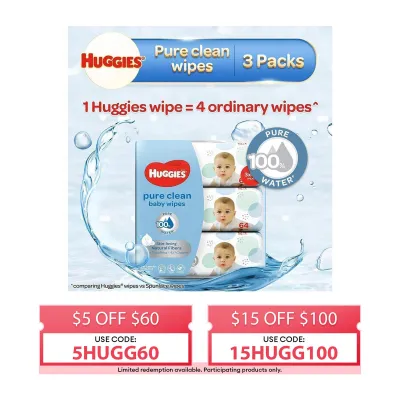
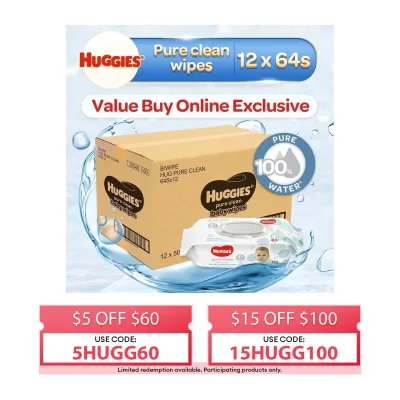
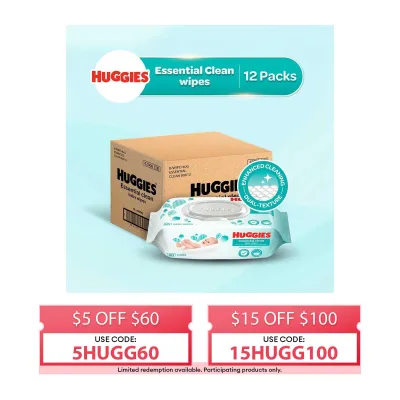
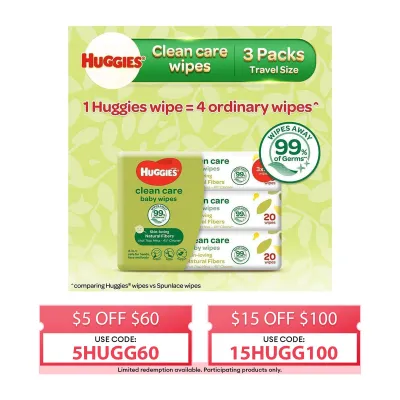
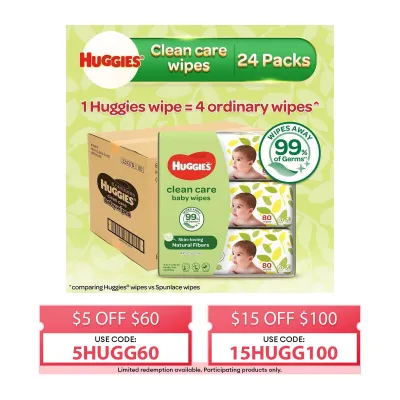
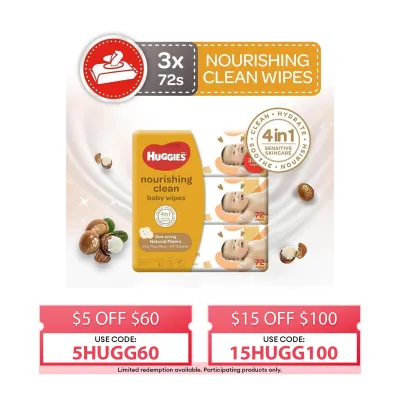
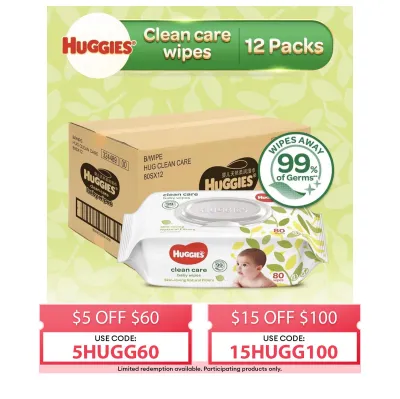
Prices are valid at publication and may change. Please refer to the product page for the latest price.
Breaking Down the Ingredients in Huggies Baby Wipes
To understand how baby wipes function, it helps to look at them not just as wet paper, but as carefully engineered liquid delivery systems. Every ingredient in a wipe has a specific functional purpose, from lifting organic waste to preserving the wipe’s sterility in a damp environment.

Water Base and Purification
Water is the foundational element of any wet wipe, typically making up to 99% of the liquid solution in sensitive or pure variants. Huggies utilizes purified, triple-filtered, or ultrapure water to form the base of their wipes.
This rigorous filtration process is essential because standard tap water can contain trace minerals, chlorine, heavy metals, or microscopic environmental contaminants. By using highly purified water, the brand minimizes the risk of these external irritants coming into contact with your baby’s delicate skin barrier, ensuring a clean and neutral base for the remaining ingredients.
Moisturizers and Skin Conditioners
Repeated wiping throughout the day can strip the skin of its natural lipids, leading to dryness, chafing, and redness. To counteract this, baby wipes incorporate moisturizers and skin-conditioning agents.
Common humectants and emollients used in various Huggies formulations include glycerin, aloe vera extract, and vitamin E (often listed as tocopheryl acetate). Glycerin acts as a humectant, drawing moisture from the air into the outer layers of the skin. Aloe vera and vitamin E help soothe the skin and form a microscopic protective layer. This barrier reduces the physical friction of the wipe fabric against the skin, preventing micro-tears during frequent diaper changes.
Mild Surfactants and Cleansers
Water alone is highly effective for water-soluble messes, but it cannot easily break down the fats, proteins, and oils present in baby stool. To lift these stubborn residues cleanly, wipes require mild surfactants.
Surfactants are compounds that lower the surface tension of water, allowing it to mix with oils and dirt so they can be wiped away. Huggies selects exceptionally mild, often plant-derived surfactants—such as coco-betaine, caprylyl glycol, or polysorbate 20—depending on the specific product range. These cleansers are specifically selected for their low irritation potential. They lift organic waste efficiently without stripping the skin’s natural protective lipid barrier, which is a major contrast to the harsh surfactants found in standard adult soaps.
Preservatives and pH Balancers
Because baby wipes are pre-moistened and stored in sealed plastic packs, they represent a prime environment for the growth of bacteria, yeast, and mold. This risk is particularly high in warm, humid tropical climates like Singapore’s, where ambient temperatures accelerate microbial activity.
Preservatives are strictly necessary to keep the wipes sterile and safe throughout their shelf life. Contaminated wipes pose a far greater health risk to a baby—including severe skin and systemic infections—than the low concentrations of regulated preservatives used to protect them. Common mild preservatives include sodium benzoate, phenoxyethanol, or potassium sorbate.
Additionally, pH balancers like citric acid and sodium citrate are added to keep the wipe solution slightly acidic, matching the natural pH of healthy baby skin (around 5.5). When urine and stool mix in a diaper, they create an alkaline environment that activates digestive enzymes, leading to severe diaper rash. A pH-balanced wipe helps neutralize this alkalinity, reinforcing the skin’s natural acid mantle.
Safety for Sensitive Skin, Newborns, and Eczema
Newborn skin is up to 30% thinner than adult skin, making it highly permeable and sensitive to external chemical exposure. For babies with eczema or highly reactive skin, choosing the right diapering product requires extra vigilance.
Standard baby wipes often contain mild fragrances or botanical extracts that are perfectly fine for healthy, older babies but may trigger reactions in newborns or infants with compromised skin barriers. Sensitive-skin variants are typically formulated without synthetic fragrances, alcohol, or common sensitizing agents. They focus on a minimalist ingredient list to minimize the risk of contact dermatitis.
While terms like “hypoallergenic” and “dermatologist-tested” on packaging indicate that the product has undergone safety evaluations and demonstrated a low incidence of irritation in clinical trials, they do not provide a absolute guarantee of safety for every single child. Every baby’s skin microbiome and immune system are unique.
When introducing any new wipe, parents should monitor their baby’s skin closely for observable signs of irritation. Watch for:
- Localized redness or pink patches in the diaper area that appear shortly after wiping.
- Unusual dryness, scaling, or flaking skin.
- Small raised bumps or a localized rash that aligns with the wiping path.
- Fussiness, squirming, or crying specifically during diaper changes, which may indicate a burning or stinging sensation on the skin.
If you observe any of these signs, stop using the wipes immediately. Switch to plain warm water and soft, clean cotton cloths or sterile cotton wool pads to cleanse the area. If the irritation persists, worsens, or shows signs of infection (such as blistering, bleeding, or pus), consult a pediatrician or pediatric dermatologist for a proper diagnosis and treatment plan.
Common Baby Wipe Ingredients to Evaluate
Reading ingredient labels can feel overwhelming for parents. To help you evaluate not only Huggies but any brand of baby wipes, here is a practical framework of ingredients to look out for based on general pediatric dermatological guidance.
- Drying Alcohols: Avoid ingredients like ethanol, ethyl alcohol, or isopropyl alcohol. These are highly drying, strip the skin’s natural lipid barrier, and cause immediate stinging on raw or irritated skin. Note that fatty alcohols (like cetearyl alcohol) are different; they act as mild emollients and do not dry out the skin.
- Synthetic Fragrances and Essential Oils: Added perfumes and natural essential oils (such as lavender, citrus, or tea tree oils) are among the most common triggers for allergic contact dermatitis in infants. For daily diaper changes, fragrance-free options are widely recommended to prevent sensitization.
- Harsh Preservatives: Many major global brands have phased out controversial preservatives like parabens, methylisothiazolinone (MI), and formaldehyde-releasers due to safety concerns and regulatory restrictions. However, when purchasing parallel-imported packs or older stock from online marketplaces, always scan the ingredient list to ensure these compounds are absent.
- Phenoxyethanol: This is a widely used, globally approved preservative that prevents microbial growth in water-based cosmetics. While recognized as safe in concentrations under 1%, some parents of babies with severe eczema prefer to avoid it as a precautionary measure. Check your personal comfort level and follow your pediatrician's advice if your baby has a diagnosed skin condition.
Choosing the Right Baby Wipes Huggies Offers for Your Baby's Needs
Selecting the right wipe depends on your baby’s developmental stage, skin type, and the specific cleaning scenario. Huggies offers several variants, and matching them to your needs can prevent irritation and make diaper changes more efficient.
For Newborns and Sensitive Skin During the first few months of life, a baby’s skin barrier is still developing. It is best to choose variants with the most minimal, fragrance-free formulations, such as Huggies Sensitive, Clean Care Fragrance-Free, or Special Care lines. These options prioritize high water content and avoid unnecessary additives, reducing the likelihood of early skin sensitization.
For Everyday Use on Older Babies If your baby is past the newborn stage, has robust skin, and has no history of contact allergies or diaper rash, standard or lightly scented variants may be perfectly suitable. These can offer a pleasant, clean scent and are highly convenient for quick cleanups after meals or outdoor play. However, continue to monitor the skin if you introduce new foods or during periods of hot, humid weather when sweat rash is more common.
For Messy Diaper Changes When dealing with heavy or sticky diaper messes, the physical properties of the wipe are just as important as the liquid formulation. Look for wipes that feature a thick, cushiony texture or a textured weave.
- Efficiency: A thicker, textured wipe traps and lifts solid waste more effectively in fewer passes.
- Friction Reduction: Minimizing the number of times you rub the wipe across the skin reduces mechanical friction, which is a common trigger for diaper area redness.
- Cost-Effectiveness: Using one or two thick wipes instead of four or five thin ones means your packs last longer, saving money over time.
Always verify the ingredient list, manufacturing origin, and safety claims on the physical package purchased in Singapore. Regional formulations can differ, and a pack imported from one country may have slightly different ingredients or sheet thickness than those officially distributed in local supermarkets. Reading the physical label is the most reliable way to ensure you know exactly what is touching your baby’s skin.
Frequently Asked Questions (FAQ)
Can I use Huggies baby wipes on my baby's face and hands?
While the ingredients in mild baby wipes are generally safe for skin, wipes used for diaper changes should not be cross-used on the face to prevent the transfer of bacteria. Additionally, even fragrance-free diaper wipes contain mild cleansing agents and preservatives that, while safe for the body, may cause mild irritation if they get into the eyes or are accidentally ingested around the mouth. For cleaning your baby’s face and hands, it is best to use wipes specifically formulated for hands and mouth, or simply use a soft cloth dampened with plain warm water.
Do Huggies wipes expire?
Unopened packs of Huggies baby wipes typically have a shelf life of approximately two years from the date of manufacture. Once you open a pack, the seal is broken, exposing the contents to air. It is recommended to use the opened pack within three months. Leaving a pack open for too long can cause the water to evaporate, resulting in dry wipes that are ineffective and abrasive. It also increases the risk of bacterial contamination inside the pack. Always check the printed batch code or expiration date on the packaging for specific guidance.
Are Huggies wipes flushable?
No, standard Huggies baby wipes are not flushable and must never be disposed of in the toilet. Even if certain specialty wipes are marketed as flushable, they do not break down in water nearly as quickly as standard toilet paper. In Singapore, flushing baby wipes is a primary cause of severe plumbing blockages in HDB flats and condominium sewage systems. These blockages can lead to backflows and expensive emergency plumbing repairs. Always dispose of used wipes in a dedicated diaper pail or general waste bin.

Community discussion
Share your experience or ask a question. Comments are reviewed before publication.