
In Singapore’s hot and humid climate, keeping your child’s hair and scalp clean is a daily priority. However, navigating the crowded shelves of local pharmacies and e-commerce platforms can be overwhelming for parents. With various labels claiming to be “natural,” “organic,” or “pediatrician-approved,” it is difficult to know which products are truly safe.
One of the most reliable benchmarks for safety in Singapore is whether a product is notified with the Health Sciences Authority (HSA). Choosing an HSA-notified shampoo for kids ensures that the product has complied with local regulatory frameworks, giving you peace of mind that the ingredients have been declared and monitored. Understanding how this system works, what ingredients to look for, and how to match a formulation to your child’s specific scalp type will help you make an informed and confident decision.
Understanding What HSA Notification Means for Kids' Shampoo
When shopping for children’s bath products in Singapore, you will frequently see brands highlighting their “HSA-notified” status. To make an informed purchase, it is essential to understand what this regulatory term actually means. In Singapore, cosmetic products—which include kids’ shampoos, body washes, and lotions—do not undergo a pre-market approval process by the Health Sciences Authority. Instead, the regulatory framework operates on a post-market surveillance system.
Products mentioned in this guide
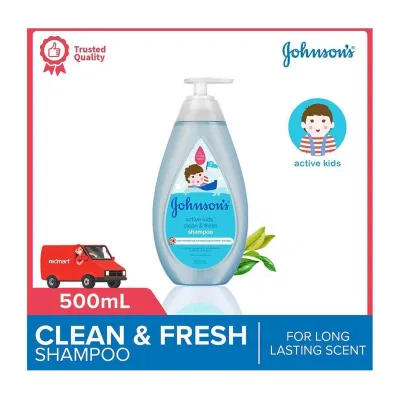
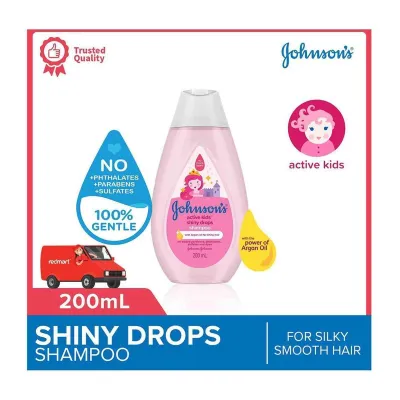
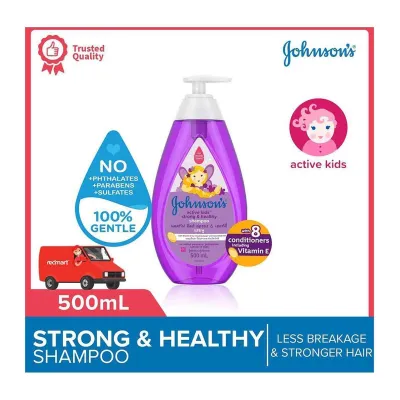
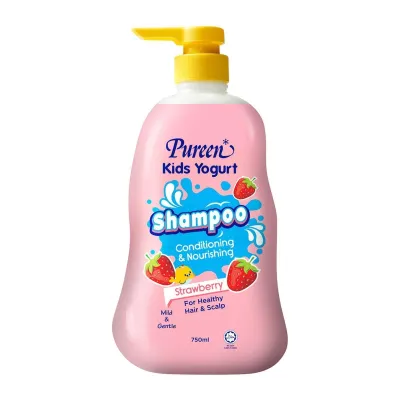
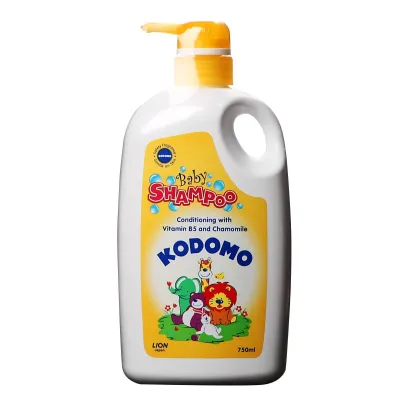
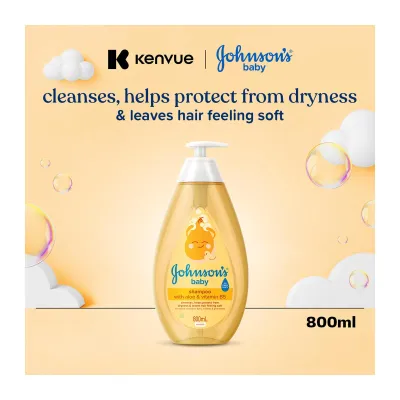
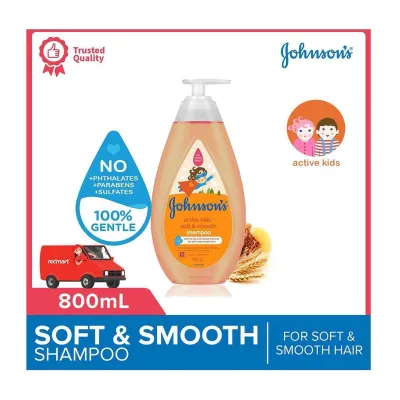
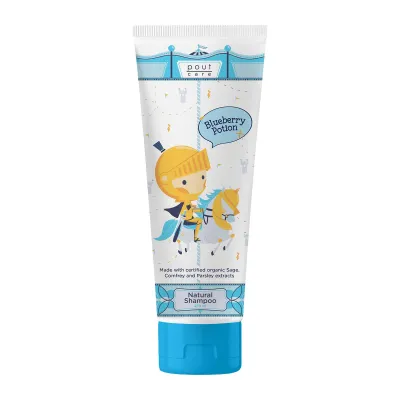
Prices are valid at publication and may change. Please refer to the product page for the latest price.
Before any cosmetic product can be legally sold in Singapore, the local responsible company must submit a product notification to the HSA. This local company could be the manufacturer, the importer, or the distributor. By submitting this notification, the company officially declares that the product complies with all safety requirements, contains approved ingredients within safe limits, and is manufactured under hygienic conditions.
It is a common misconception that an HSA-notified shampoo has been clinically tested, verified, or officially endorsed by the Singapore government. The notification status simply means that the product is legally registered for sale and that the HSA has a record of its formulation, origin, and the local entity responsible for it. This system allows the HSA to track products efficiently and take immediate action, such as ordering recalls, if any safety issues arise after the product hits the market.
Under the ASEAN Cosmetic Directive (ACD), which Singapore follows, the manufacturer and the local importer bear the full legal responsibility for the safety of the product. They must ensure that the shampoo does not contain any prohibited substances and that any restricted ingredients remain strictly within the regulated thresholds. When you purchase an HSA-notified kids’ shampoo, you are buying a product that has a traceable supply chain and a legally accountable representative in Singapore, which is a crucial safeguard for your child’s health.
Ingredient Standards and Safety Features Trusted by Parents
Children’s skin is structurally different from adult skin; it is thinner, loses moisture more rapidly, and is highly susceptible to chemical irritation. Consequently, the ingredient profile of a shampoo for kids requires careful scrutiny. Trusted brands formulate their products to minimize the risk of contact dermatitis, eye irritation, and cumulative skin barrier damage.

Ingredients to Avoid or Limit
When reading the ingredient list on the back of a shampoo bottle, there are several common compounds that parents typically choose to avoid or limit:
- Harsh Sulfates: Sodium Lauryl Sulfate (SLS) and Sodium Laureth Sulfate (SLES) are powerful surfactants commonly used to create a rich lather. However, they can strip the scalp of its natural lipid barrier, leading to dryness, itching, and flaking.
- Certain Parabens: Used as preservatives to prevent bacterial growth, some parabens have faced scrutiny due to concerns over potential endocrine disruption. Many modern kids' formulations now opt for alternative, gentler preservative systems.
- Strong Synthetic Fragrances and Dyes: Artificial perfumes and colorants are among the leading causes of allergic contact dermatitis in children. Opting for fragrance-free or naturally fragranced products reduces this risk significantly.
Preferred Gentle Ingredients
To cleanse effectively without causing irritation, high-quality kids’ shampoos utilize mild, plant-derived surfactants and skin-soothing agents. Look for formulations containing:
- Glucoside Surfactants: Ingredients like Coco-Glucoside, Decyl Glucoside, and Lauryl Glucoside are derived from coconut or corn. They cleanse gently while maintaining the skin's natural moisture.
- Amino Acid-Based Cleansers: Sodium Cocoyl Glutamate and Sodium Lauroyl Methyl Isethionate provide a soft lather and are exceptionally gentle on sensitive eyes and scalps.
- Soothing Botanical Extracts: Colloidal oatmeal, aloe vera leaf juice, and chamomile extract help calm redness and support a healthy scalp barrier.
- Humectants: Glycerin and panthenol (Pro-Vitamin B5) draw moisture into the hair shaft and scalp, preventing post-wash dryness.
The Science Behind "Tear-Free" Claims
Many parents wonder how “tear-free” shampoos actually work. The secret lies in the pH level and the molecular structure of the surfactants used. The natural pH of human tears is approximately 7.4. Standard adult shampoos are often formulated at a lower, more acidic pH to optimize hair shine, which can cause a stinging sensation if it contacts the eyes.
Furthermore, tear-free formulations utilize non-ionic surfactants that form larger molecular structures (micelles) when mixed with water. These larger structures are less capable of penetrating the delicate mucous membranes of the eye, significantly reducing physical irritation. However, because every child’s sensitivity threshold is unique, performing a patch test on a small patch of skin (such as the inner elbow) for 24 to 48 hours is always recommended before introducing a new product into your bathing routine.
How to Verify a Shampoo's HSA Notification Status Before Buying
With the rise of cross-border e-commerce and parallel imports, it is easier than ever for unnotified, unregulated cosmetic products to enter the local market. To ensure you are buying a genuine, compliant product, you can independently verify the HSA notification status of any kids’ shampoo.
To check a product’s status, visit the official Health Sciences Authority website and access the PRISM (Pharmaceutical Regulatory and Information System) portal. Navigate to the “Search Cosmetic Products” database. Here, you can input the brand name, the specific product name, or the local notification number if it is printed on the packaging. A successful search will display the registered product name, the country of manufacture, and the name of the local company responsible for importing or distributing it.
When purchasing physical products in local retail stores, examine the packaging closely. Under Singapore regulations, the packaging must display clear, legible information in English. This includes:
- The full ingredient list using international nomenclature (INCI names).
- The batch number or manufacturing date for traceability.
- The name and address of the local company responsible for placing the product on the market.
- Clear instructions for use and any necessary precautionary warnings.
Be vigilant for red flags when shopping online or in discount shops. If a kids’ shampoo features entirely foreign packaging without a local distributor sticker, lacks an ingredient list in English, or cannot be found in the HSA PRISM database, it may be an unauthorized parallel import or an unnotified product. Using unnotified cosmetics carries a risk, as there is no local entity accountable for their safety, and they may not have been manufactured under the strict quality controls required by the ASEAN Cosmetic Directive. If you encounter a suspected unnotified product, you can report it directly to the HSA for investigation.
Choosing the Right Formulation for Your Child's Hair and Scalp
There is no single “best” shampoo for every child. A product that works beautifully for one child might cause dryness or buildup on another. To choose the right formulation, consider your child’s specific scalp condition, hair texture, and daily activity levels.
Sensitive or Eczema-Prone Scalps
If your child has a history of eczema, cradle cap, or dry, itchy patches, their skin barrier is compromised. For these children, look for minimalist, fragrance-free formulations often classified as clinical or pharmacy-grade. These shampoos typically avoid botanical extracts that contain natural allergens (such as essential oils) and rely on ultra-gentle, dermatologically tested synthetic surfactants. They are designed to cleanse the scalp while leaving the protective lipid barrier completely intact. Always look for products that explicitly state they are formulated for sensitive or atopic skin.
Fine or Easily Tangled Hair
Toddlers and young children often have very fine, delicate hair that is prone to knotting, especially at the back of the head from friction during sleep. For this hair type, a simple cleansing shampoo may leave the hair dry and difficult to comb. Look for lightweight, two-in-one shampoo and conditioning formulations. These products incorporate mild conditioning agents, such as guar hydroxypropyltrimonium chloride or lightweight plant oils, which smooth the hair cuticle and reduce static without leaving a heavy, greasy residue on the scalp.
Active Kids with Sweaty Scalps
Singapore’s tropical climate means school-aged children and active toddlers sweat heavily during outdoor play. Sweat, environmental dust, and excess sebum can accumulate on the scalp, leading to a sour odor, itching, or mild seborrheic dermatitis. For active kids, a minimalist eczema shampoo might not provide sufficient cleansing power. Instead, opt for a clarifying yet gentle shampoo designed for daily use. These formulations use slightly stronger combinations of mild surfactants to thoroughly dissolve sweat and dirt while maintaining a balanced scalp pH.
Regardless of which category your child falls into, always apply the HSA verification steps to the specific brand and variant you select. Ensure that the exact product version—whether it is a “sensitive” variant or a “detangling” variant—is registered and notified locally.
Practical Bathing Techniques for a Comfortable Wash
Even the gentlest, most compliant HSA-notified shampoo can cause discomfort if applied incorrectly. Using proper bathing techniques protects your child’s skin barrier and makes hair washing a pleasant, tear-free experience.
When applying shampoo, never pour the concentrated liquid directly onto your child’s head. Instead, dispense a small, coin-sized amount into your palms, add water, and lather it thoroughly in your hands first. This dilutes the surfactants and ensures an even distribution across the scalp, preventing localized irritation and making the product much easier to rinse out completely.
To prevent water and shampoo from running into your child’s eyes, consider using practical physical barriers. A flexible silicone bath visor can channel water away from the face, while a dry washcloth held over the eyes provides comfort and reassurance. Always check the water temperature before wetting your child’s hair; it should be lukewarm, ideally between 37°C and 38°C. Water that is too hot can strip natural oils from the scalp, exacerbating dryness and irritation.
Finally, monitor your child’s scalp health closely. If you observe persistent redness, scaling, intense itching, swelling, or signs of contact dermatitis, discontinue use of the shampoo immediately. Rinse the hair and scalp thoroughly with clean, lukewarm water to remove any remaining residue. Keep the product packaging so you can reference the ingredient list, and consult a qualified pediatrician or dermatologist to identify the cause of the reaction and obtain professional guidance on suitable alternatives.
Frequently Asked Questions (FAQ)
Can I use adult shampoo on my child if it is HSA-notified?
No, you should avoid using adult shampoo on children, even if the product is legally notified with the HSA. A child’s skin has a thinner stratum corneum and a higher surface-area-to-body-weight ratio compared to an adult’s. Adult shampoos are formulated to address adult hair concerns, such as styling buildup or color retention, and typically contain higher concentrations of strong surfactants, synthetic fragrances, and specialized active ingredients. These concentrated formulations can easily penetrate a child’s delicate skin barrier, leading to irritation, dryness, and allergic reactions.
Does a higher price guarantee a safer or better HSA-notified kids' shampoo?
No, a higher price tag does not guarantee superior safety or performance. In Singapore, HSA notification is a mandatory legal baseline that applies to all cosmetic products sold, regardless of their retail price. A budget-friendly shampoo from a local pharmacy must meet the same safety and ingredient regulatory standards as an expensive, imported luxury brand. Higher prices often reflect factors such as premium packaging, organic ingredient certifications, imported supply chains, or brand marketing rather than a safer formulation. Parents should focus on reading the ingredient list and verifying the HSA notification status rather than relying on the price.
How often should I wash my child's hair with shampoo?
In Singapore’s warm, humid environment, active school-aged children who sweat daily may benefit from washing their hair every one to two days to remove sweat and environmental dirt. However, for toddlers, infants, or children with dry, sensitive scalps, washing with shampoo two to three times a week is generally sufficient. Daily shampooing can strip the scalp of its natural protective lipids, leading to rebound dryness or irritation. Adjust the frequency based on your child’s individual activity level, hair type, and visible signs of sweat or soil.
Community discussion
Share your experience or ask a question. Comments are reviewed before publication.