
In Singapore, ensuring your baby’s hand soap is safe involves understanding the regulatory oversight of the Health Sciences Authority (HSA). While the HSA does not publish a static list of “approved brands,” all baby hand soaps sold legally in Singapore must comply with strict regulatory frameworks. For standard baby hand soaps, this means the local importer or manufacturer must submit a cosmetic product notification before placing the product on the market. For antibacterial or medicated hand washes, a more rigorous therapeutic product registration is required. Knowing how to navigate these standards allows you to protect your child’s delicate skin from harmful chemicals and allergens.
How HSA Regulates Baby Hand Soap in Singapore
Under the Health Products Act and the ASEAN Cosmetic Directive, baby hand soaps are categorized based on their formulation and marketing claims. Standard baby hand soaps, which are designed solely for cleansing and moisturizing, are classified as cosmetic products. Before these products can be sold in Singapore, the local company responsible for placing the product on the market must submit a cosmetic product notification to the HSA. This notification process requires the company to declare the ingredients, ensure they do not contain prohibited substances, and confirm that the manufacturing process meets Good Manufacturing Practice standards.
In contrast, if a hand wash makes specific therapeutic claims—such as claiming to treat skin conditions like eczema, or containing active medicinal ingredients to kill specific pathogens—it may be classified as a therapeutic product or a medicated wash. These products undergo a much more stringent registration process, requiring scientific evidence of efficacy and safety before they can be authorized for sale.
Products mentioned in this guide
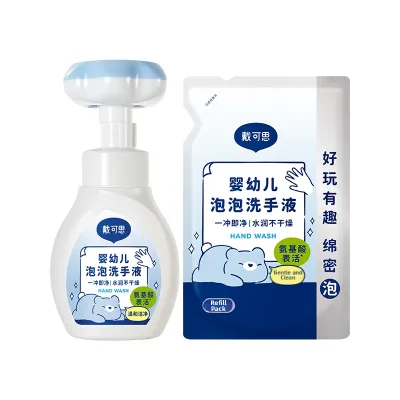
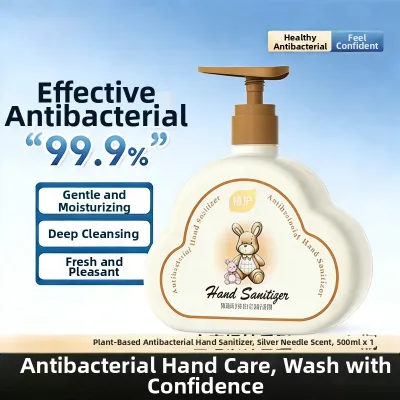
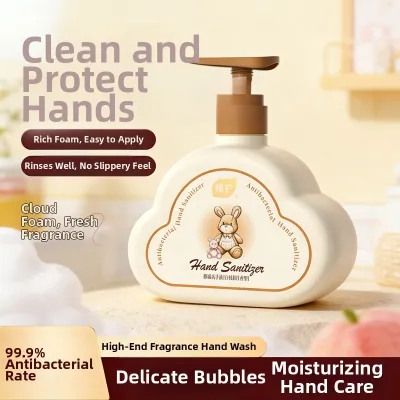
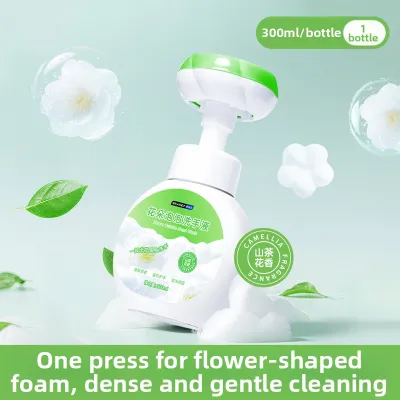
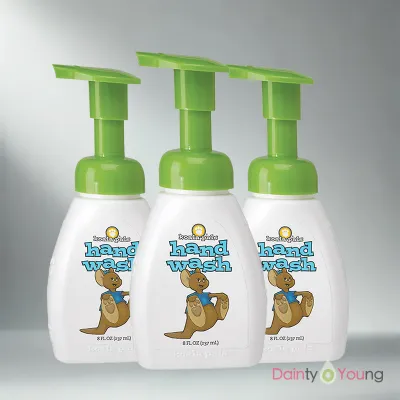
Prices are valid at publication and may change. Please refer to the product page for the latest price.
It is crucial for parents to understand what HSA compliance actually signifies. A successful HSA cosmetic notification does not mean the HSA has physically tested every batch of the soap in a laboratory, nor does it serve as an endorsement or guarantee that the product is completely hypoallergenic. Instead, it indicates that the importer has legally declared the product, verified that the ingredients comply with safety limits set by the ASEAN Cosmetic Directive, and assumed legal responsibility for its safety. Even with a fully compliant product, individual babies can still experience localized skin sensitivities or allergic reactions to specific ingredients.
Essential Safety Standards and Ingredient Checklist
Baby skin is significantly thinner and more permeable than adult skin, making it highly susceptible to irritation and chemical absorption. The humid climate in Singapore can also exacerbate skin conditions like heat rash and eczema, meaning that the choice of hand soap ingredients is a critical health decision.

When evaluating baby hand soaps, parents should actively avoid several harsh ingredients. Triclosan, once a common antibacterial agent, is restricted due to concerns over endocrine disruption and environmental impact. Strong surfactants such as Sodium Lauryl Sulfate (SLS) and Sodium Laureth Sulfate (SLES) should also be avoided; these foaming agents strip natural lipids from the skin barrier, leading to dryness and irritation. Furthermore, certain preservatives like Methylisothiazolinone (MIT) and Methylchloroisothiazolinone (CMIT) are known contact allergens and are restricted in leave-on cosmetics, but are still best avoided entirely in rinse-off baby products to minimize sensitization risks. Paraben preservatives (such as propylparaben and butylparaben) should also be scrutinized, as their safety limits are strictly regulated.
Instead, look for gentle, plant-derived surfactants and natural moisturizing agents. Ingredients like coco-glucoside, decyl glucoside, and lauryl glucoside are mild, biodegradable cleansers that clean effectively without disrupting the skin’s natural pH. Moisturizing additives such as glycerin, aloe vera, chamomile extract, and colloidal oatmeal help soothe the skin and maintain moisture levels even with frequent handwashing.
| Ingredient Type | Examples to Avoid | Baby-Friendly Alternatives |
|---|---|---|
| Surfactants / Cleansing Agents | Sodium Lauryl Sulfate (SLS), Sodium Laureth Sulfate (SLES) | Coco-glucoside, Decyl glucoside, Lauryl glucoside |
| Preservatives | Methylisothiazolinone (MIT), Methylchloroisothiazolinone (CMIT), Formaldehyde donors | Sodium benzoate, Potassium sorbate, Ethylhexylglycerin |
| Antibacterial Agents | Triclosan, Triclocarban | Routine physical washing with plain, mild soap |
| Fragrances & Additives | Synthetic perfumes, Phthalates, Artificial colorants | Fragrance-free formulations, Chamomile or Calendula extracts |
How to Verify a Brand's HSA Compliance Before Purchase
Because there is no static list of pre-approved brands, parents must learn how to independently verify the regulatory status of any baby hand soap they intend to buy. The HSA provides public access to its databases, allowing you to cross-reference products in real-time.
To verify a product’s cosmetic notification, you can visit the official HSA website and navigate to the Infosearch portal. Within this portal, select the Cosmetic Products database. You can search using the product’s brand name, the specific product name, or the name of the local importer. If the hand soap is registered as a therapeutic or medicated product, you should instead search the Therapeutic Products database. A successful search will display the registered product name, the notification or registration number, and the name of the local company responsible for the product.
In addition to online verification, a physical inspection of the product packaging is essential. Under Singapore regulations, compliant cosmetic products must display specific information on their labels in English. This includes:
- The full ingredient list, listed in descending order of concentration.
- The name and address of the local importer or manufacturer responsible for marketing the product in Singapore.
- The country of manufacture.
- The batch reference number and the expiry date (or a clear indication of the product's shelf life).
- Clear instructions for safe use and any necessary precautionary warnings.
If you encounter a baby hand soap that lacks an English ingredient list, does not state a local importer’s details, or cannot be found in the HSA database, you should exercise extreme caution. These products may be parallel imports that have bypassed the mandatory notification process, or worse, counterfeit goods. In such cases, it is safest to avoid purchasing the product, report the non-compliant labeling to the retailer, or contact the HSA directly for clarification.
Choosing the Right Formulation and Format for Your Child
Selecting the right physical format of baby hand soap can significantly influence how effectively and safely your child washes their hands. The two primary formats available are foaming hand soaps and liquid gels, each presenting distinct practical advantages and trade-offs.
Foaming hand soaps are highly popular among parents of toddlers. Because the pump mechanism mixes air with the liquid soap to create an instant lather, children find it easier to spread the soap evenly across their hands. This instant foam is also much easier and faster to rinse off completely, reducing the likelihood of soapy residue remaining on the skin, which can cause irritation. Additionally, foaming pumps generally dispense less active liquid per pump, which minimizes product waste. On the other hand, liquid gels are more concentrated and often contain a higher proportion of moisturizing agents. However, they require more effort to lather and rinse thoroughly, making them slightly less practical for young children who tend to rush through their handwashing routine.
The role of fragrance is another critical decision point. While pleasantly scented soaps are appealing, synthetic fragrances are among the leading causes of contact dermatitis in infants and young children. Even naturally derived essential oils can trigger sensitivities or allergic reactions on delicate skin. For newborns, infants, and children with dry or eczema-prone skin, fragrance-free formulations are strongly recommended. If you do prefer a scented soap, ensure the fragrance is derived from mild, hypoallergenic botanical extracts and is clearly declared on the label.
Furthermore, parents should consider the clinical necessity of antibacterial soaps. Pediatricians and dermatologists generally agree that for routine daily handwashing, plain soap and water are entirely sufficient to remove dirt and pathogens. Antibacterial soaps often contain stronger chemical agents that can dry out a child’s skin without providing any additional health benefits over proper physical washing techniques. Save specialized antibacterial washes for specific scenarios recommended by a healthcare professional, such as managing a localized skin infection.
Trusted Retail Channels for Authentic Baby Care Products
Where you purchase your baby hand soap is just as important as the brand you choose. To guarantee that the products you buy are authentic, safely stored, and fully compliant with HSA regulations, you should prioritize established retail channels.
In Singapore, physical pharmacies such as Guardian, Watsons, and Unity are highly reliable. These chains maintain strict procurement standards, ensuring that every cosmetic product on their shelves has undergone the proper HSA notification process. Major supermarkets like NTUC FairPrice, Cold Storage, and Giant, as well as official brand boutiques and department stores, also offer secure supply chains that minimize the risk of counterfeit or improperly stored inventory.
Shopping on general e-commerce platforms requires a higher level of vigilance. While these marketplaces offer convenience and competitive pricing, they also host unverified third-party sellers. These sellers may distribute parallel-imported products that have not been notified with the HSA, or expired goods that have been stored in hot, humid warehouses, which can degrade the preservatives and lead to bacterial contamination.
When purchasing online, always look for official flags such as Mall or Official Store designations, which indicate that you are buying directly from the brand or an authorized distributor. Verify the seller’s credentials, read customer reviews focusing on packaging and expiry dates, and check if the seller provides clear details about the local importer. If a deal seems too good to be true, or if the seller cannot provide proof of HSA notification, it is best to purchase from a verified physical retailer instead.
Frequently Asked Questions (FAQ)
Is antibacterial hand soap necessary or safe for daily baby use?
No, antibacterial hand soap is generally neither necessary nor recommended for routine daily use on babies. Pediatricians emphasize that thorough washing with plain, mild baby hand soap and clean water is highly effective at physically removing germs and dirt. Antibacterial formulations often contain active chemical agents that can strip the natural moisture barrier of a baby’s delicate skin, leading to dryness, irritation, and an increased risk of eczema. You should only use antibacterial or medicated washes if specifically advised to do so by a qualified healthcare professional to address a particular medical condition.
What should I do if my baby gets hand soap in their eyes?
If hand soap accidentally gets into your baby’s eyes, act quickly but calmly. Immediately flush the eyes with plenty of clean, lukewarm water or sterile saline solution. You can do this by gently pouring water from a cup over the bridge of their nose while holding their head slightly tilted, or by using a clean, wet washcloth to gently wipe the area. Avoid rubbing the eyes, as this can worsen irritation. Monitor your child for symptoms such as persistent redness, continuous crying, excessive tearing, or swelling. If these symptoms do not subside within a few hours, or if you suspect a chemical burn, stop using the product and seek medical attention immediately.
Do imported baby hand soaps need HSA approval to be sold in Singapore?
Yes, all imported baby hand soaps must comply with Singapore’s regulatory requirements before they can be legally sold. Under the Health Sciences Authority (HSA) regulations, any cosmetic product—regardless of its country of origin—must be notified to the HSA by a locally registered company before it is placed on the market. This rule applies to parallel imports as well. Selling unnotified cosmetic products is illegal in Singapore. Parents should avoid purchasing imported baby soaps from unverified online sellers who cannot confirm that their stock has been properly notified with the HSA.
Community discussion
Share your experience or ask a question. Comments are reviewed before publication.