
Choosing a baby carrier for a newborn requires looking beyond aesthetics and focusing on how the structure interacts with a baby’s developing anatomy. In the first few months of life, an infant’s skeletal system is highly malleable, consisting largely of flexible cartilage that gradually ossifies into bone. A high-quality carrier must actively support the natural, slightly curved posture of a newborn’s spine and keep their hips in a secure, developmentally appropriate position.
Rather than forcing a baby into an upright, straight-legged posture, the ideal carrier adapts to the infant’s natural shape. It distributes their weight evenly across their thighs and buttocks while keeping their airway clear. By understanding how different carrier designs accommodate these needs, you can make an informed choice that protects your baby’s physical development during these critical early months.
Understanding Newborn Spinal and Hip Development Needs
At birth, a baby’s spine is shaped like a continuous C-curve, known as a primary kyphosis. This natural curvature is a protective mechanism that cushions the brain and spinal cord from the jarring impacts of daily movement. Forcing a newborn’s spine into a straight, vertical position too early can flatten this curve, putting unnecessary pressure on the delicate vertebrae and potentially hindering healthy spinal development.
Products mentioned in this guide


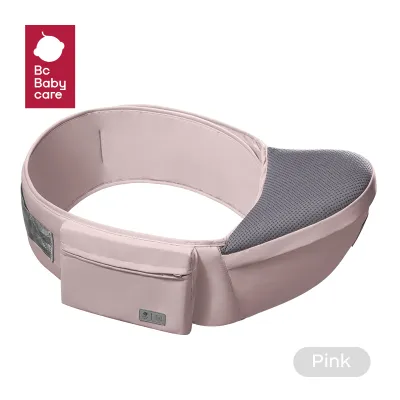
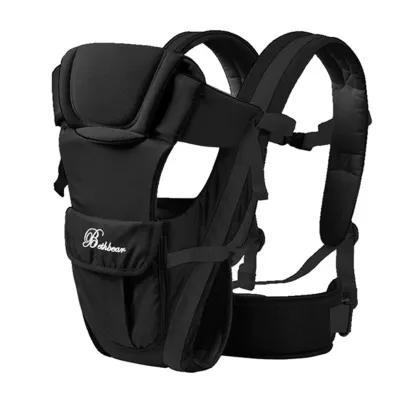
![[SG READY STCOK]Baby Carrier 0 to 36 Months Infant Baby Sling Toddler Side-Sling Carrier Up to 20kg Ice silk baby scarf](https://img.lazcdn.com/g/p/0832fea66591b0720d1ac5912f00f99f.jpg_400x400q80.jpg_.webp)
![🇸🇬 [READY STOCK] Baby Carrier 0 to 36 Months Infant Baby Sling Toddler Side-Sling Carrier Up to 20kg](https://img.lazcdn.com/g/p/59c3efa9d4b4bf5c1951ecb34386b442.jpg_400x400q80.jpg_.webp)

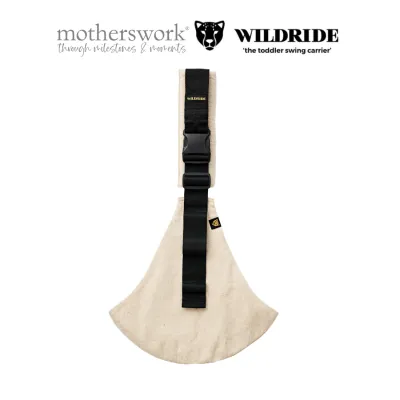
Prices are valid at publication and may change. Please refer to the product page for the latest price.
Similarly, a newborn’s hip joints are incredibly flexible and vulnerable to misalignment. The hip joint is a ball-and-socket joint, but at birth, the socket is shallow and made of soft cartilage. To encourage the healthy development of the joint, the baby’s legs should be held in the physiological “M-position,” also known as the frog-leg position. In this posture, the baby’s hips are flexed, their knees are bent, and their knees are positioned slightly higher than their hips.
This specific alignment ensures that the head of the femur sits securely in the center of the hip socket, reducing the risk of hip dysplasia. Improper positioning in a carrier can lead to serious developmental and safety concerns. If a carrier allows the baby’s legs to dangle straight down, the weight of the legs pulls the thigh bones out of the hip sockets, creating abnormal joint strain. Furthermore, a carrier that lacks adequate structural support can cause the baby’s torso to slump, which can press their chin down toward their chest and compromise their airway.
Key Ergonomic Design Features to Compare Across Brands
When comparing different baby carriers, the seat width adjustability is one of the most critical structural elements to evaluate. A carrier must provide knee-to-knee support, meaning the fabric or structured seat extends fully under the baby’s thighs all the way to the back of their knees. If the seat is too narrow, the legs will dangle; if it is too wide, it will force the baby’s lower legs outward, overextending the hip joints.

Look for carriers that feature adjustable base widths, often controlled by buttons, slides, or hook-and-loop fasteners, allowing you to customize the seat width as your baby grows. This adjustability ensures that the carrier can maintain the proper M-position from the newborn stage through infancy without forcing the hips into an unnatural stretch.
Neck and head support mechanisms are equally vital, especially during the first four to six months when babies lack independent head control. The upper portion of the carrier’s back panel should feature a supportive, adjustable collar or cushion that can be secured to cradle the base of the baby’s skull. This support must be firm enough to prevent the head from tilting backward or slumping forward, yet flexible enough to allow the baby to turn their head to the side to keep their nose and mouth clear of fabric.
The fabric tension and back panel system must work together to maintain the natural spinal C-curve. A well-designed carrier uses materials that conform to the baby’s back, distributing tension evenly without applying excessive, localized pressure that would force the spine to flatten. Structured carriers often utilize contoured panels or adjustable straps to achieve this balance, while wrap-style carriers rely on the caregiver’s wrapping technique to distribute fabric tension evenly across the baby’s entire back.
Evaluating Brand Approaches to Newborn Positioning
Different manufacturers approach newborn ergonomics through distinct design philosophies, primarily split between structured carriers and wrap-style systems. Many modern structured carriers feature built-in, highly adjustable seats that can be narrowed specifically for newborns without requiring any extra accessories. Other traditional structured designs rely on a separate infant insert—a padded cushion or sleeve placed inside the carrier to elevate the baby and support their spine.
While inserts can provide excellent snugness, they can also add bulk and heat. This is an important consideration in warm, humid climates like Singapore’s, where overheating is a constant concern. Wrap-style and hybrid carriers offer a different approach by utilizing long pieces of woven or stretchy fabric that the caregiver wraps around themselves and the baby.
These styles excel at providing a highly customized fit, as the fabric conforms precisely to the unique contours of a very small newborn. Hybrid carriers combine this fabric customization with the convenience of structured elements, such as a pre-formed back panel or a buckled waistband, offering a middle ground for parents who find traditional wraps intimidating to tie.
The primary trade-off when choosing between these designs lies in the balance between ease of use and precise ergonomic customization. Structured carriers with buckles and clips are generally faster to put on and adjust, making them highly convenient for quick transitions or for multiple caregivers sharing the same carrier. However, they may not offer the same micro-adjustability as a wrap.
Conversely, wraps and ties allow for an incredibly precise, custom fit that perfectly preserves the newborn’s C-curve, but they require a steeper learning curve and more time to secure safely before each use. Caregivers must weigh these operational differences against their daily routines to determine which style they can use consistently and safely.
How to Verify Safety and Ergonomic Claims
With many brands claiming to offer the ultimate ergonomic design, parents must learn to independently verify these assertions using official product documentation and labels. Always locate the manufacturer’s specified weight minimums and developmental milestones on the product packaging or instruction manual. Never assume a carrier is safe for a newborn simply because of its brand name; some models are strictly designed for older infants who have already developed trunk control.
To verify hip-safety claims, look for official acknowledgments from recognized hip health organizations on the brand’s official website or product literature. Many reputable manufacturers submit their designs to independent pediatric and orthopedic panels to confirm that their carriers allow for the proper M-position. Ensure that the specific model you are considering—not just the brand as a whole—has been evaluated and designated as supportive of healthy hip development.
Additionally, parents must identify the exact conditions under which a newborn configuration must be discontinued. This information is typically detailed in the product manual and is based on physical milestones rather than age alone. For example, you will need to know when to widen the seat base, when to remove an infant insert, or when to transition the baby from a front-inward facing position to other carrying positions. Regularly checking these guidelines ensures the carrier continues to support your baby’s changing anatomy safely.
Decision Framework: Matching Carrier Design to Your Newborn
To select the most suitable carrier style, consider your baby’s physical characteristics alongside your daily lifestyle needs. If you prioritize quick buckling, robust lumbar support for yourself, and a straightforward transition system as your baby grows, a highly structured carrier with an adjustable seat is often the most practical choice. These models are excellent for active parents who need to put the carrier on quickly in parking lots or busy urban environments.
If your newborn is particularly petite, or if you prefer a highly snug, womb-like environment that allows for custom fabric tension, a wrap or hybrid style is highly beneficial. The soft, conforming fabric of a wrap is exceptionally gentle on a small newborn’s delicate frame, making it easier to maintain the natural C-curve of the spine without any rigid pressure points. This style is also highly comfortable for extended periods of indoor babywearing and skin-to-skin contact.
Regardless of the style you prefer, safety must always come first. If your baby was born prematurely, had a low birth weight, or has been diagnosed with any hip, spinal, or respiratory considerations, you must verify the safety of any carrier with a pediatrician or qualified healthcare professional before use. These infants may require specialized positioning or medical clearance to ensure their airways remain fully protected and their joints are supported without any risk of strain.
Frequently Asked Questions (FAQ)
Can an improperly fitted baby carrier cause hip dysplasia?
An improperly fitted baby carrier does not directly cause hip dysplasia in a baby with completely healthy joints, but it can significantly exacerbate underlying joint laxity or contribute to abnormal hip development. If a carrier holds the baby’s legs in a straight, dangling position for prolonged periods, the constant downward pull can stretch the soft cartilage of the hip socket and potentially lead to subluxation or dislocation. Maintaining the physiological M-position—where the knees are higher than the hips and the thighs are fully supported—is essential to ensure the hip joint develops normally and remains securely aligned.
How do I know if my newborn has outgrown the carrier's newborn setting?
You can determine if your baby has outgrown the newborn setting by observing specific physical and developmental milestones. First, check the manufacturer’s weight guidelines, as reaching the maximum weight limit for the newborn insert or setting is a clear indicator that it is time to transition. Next, observe the baby’s leg positioning; if the seat fabric is starting to bunch behind their knees or if their knees are no longer supported in a clear M-position, the seat needs to be widened. Finally, once your baby demonstrates consistent head and neck control and their torso extends well above the carrier’s back panel, you can safely adjust the head support and transition to the standard infant configuration.
Community discussion
Share your experience or ask a question. Comments are reviewed before publication.