
Wearing a postpartum binder correctly is essential for securing the gentle, targeted support your abdominal muscles and lower back need during recovery. To get the most out of your Mamaway postpartum binder, you must position it low on your pelvis, wrap it with even tension, and adjust it so that it supports your core without restricting your breathing or circulation. Proper application not only maximizes comfort during daily activities but also protects your healing body from unnecessary strain. Understanding the correct technique ensures that you are supporting your body’s natural recovery process safely and effectively.
Preparing to Wear Your Postpartum Binder
Before wrapping your binder for the first time, you must confirm that your body is ready for abdominal compression. Every postpartum recovery journey is unique, especially when comparing a vaginal delivery to a Caesarean section. Always consult your obstetrician, gynecologist, or a qualified healthcare provider to get personalized clearance before using any compression garment. This is particularly important if you have had a C-section, as you need to ensure that your incision is healing well and that the binder will not cause friction or pressure on the wound.
Once you have medical clearance, check the manufacturer’s guidelines regarding timing. Some individuals may be advised to wait a few days or weeks, depending on their delivery method and healing progress. Checking these instructions ensures you do not apply pressure to healing incisions or sensitive areas prematurely. It also helps you align the use of the binder with your body’s natural inflammatory and healing phases.
Products mentioned in this guide
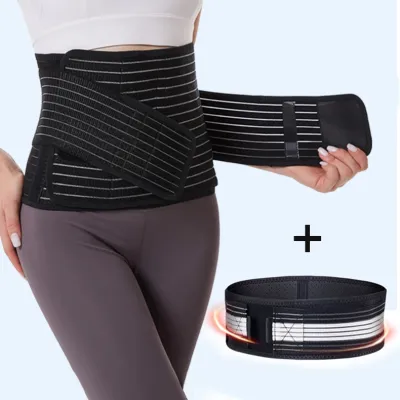
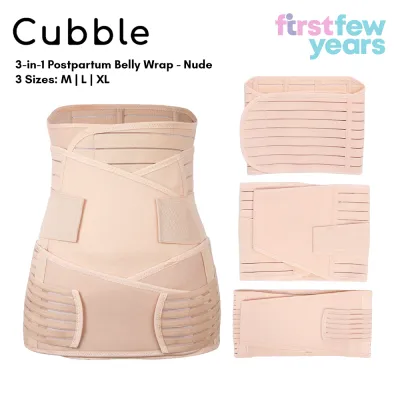
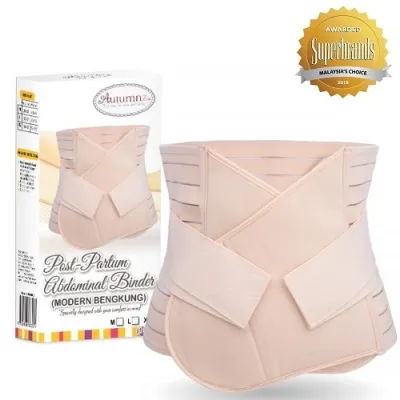

Prices are valid at publication and may change. Please refer to the product page for the latest price.
Verifying the correct size is another critical step before application. Postpartum bodies change rapidly, so do not rely on your pre-pregnancy size or your late-pregnancy measurements. Take current measurements of your waist and hips as directed by the brand’s sizing chart to select the correct fit. A binder that is too small will pinch, ride up, and cause discomfort, while one that is too large will fail to provide adequate support, rendering it ineffective.
Your choice of base clothing also plays a significant role in your overall comfort. In Singapore’s warm and humid climate, wearing a lightweight, breathable cotton camisole or undershirt beneath your binder is highly recommended. This base layer acts as a barrier, protecting your skin from friction, absorbing moisture, and helping the binder lie flat without bunching. It also helps keep the binder clean, reducing the frequency of washes required.
Step-by-Step Guide to Putting on the Binder
Putting on your postpartum binder correctly requires a systematic approach to ensure even support across your lower torso. Start by standing in a comfortable, upright position, or lie down flat on your back if you find it easier to align the binder without gravity pulling on your abdomen. Lying down can be especially helpful in the early postpartum weeks, as it allows your internal organs to settle naturally into place before you apply compression.

Unfold the binder completely and position it behind your back, ensuring the wider portion is centered against your lower spine. The anatomical placement of the binder is crucial for effective support. Position the lower edge of the binder low on your pelvis, just above your pubic bone, rather than high up around your natural waist. Starting low ensures that the binder supports your pelvic floor and lower abdominal wall, preventing the upward displacement of internal organs when compression is applied.
Once the binder is positioned, bring the ends around to the front of your body. If your binder uses a multi-panel or adjustable hook-and-loop fastening system, secure the lower section first. Pull the bands with moderate, even tension, wrapping them across your lower abdomen. The tension should feel like a firm, supportive hug, not a tight squeeze that pulls your skin or restricts your movement.
After securing the lower portion, work your way upward, fastening the remaining panels or straps. This bottom-to-top fastening technique helps lift and support the abdominal wall naturally. Ensure that the tension is distributed evenly across the entire width of the binder, avoiding any localized tight spots that could cause discomfort or uneven pressure. The upper part of the binder should be slightly looser than the bottom to allow for normal diaphragmatic breathing.
Finally, perform a quick movement check to confirm the binder is in the correct position. Take a deep breath, sit down on a chair, and stand back up. The binder should remain securely in place without riding up toward your ribs or rolling down at the edges. If it shifts significantly or pinches your hips, loosen the fasteners and reposition the band lower on your pelvis, adjusting the tension until it feels stable and comfortable.
Adjusting Tightness and Daily Wear Guidelines
Finding the right compression level is a balance between support and comfort. Your binder should never feel so tight that it alters your natural posture or makes it difficult to take deep, full breaths. If you find yourself taking shallow breaths or feeling lightheaded, the binder is too tight and must be loosened immediately. Proper compression should assist your core muscles, not replace their function entirely.
Pay close attention to how your body feels during different daily activities. When you are walking or standing, you may prefer a slightly firmer support to help stabilize your core and lower back. However, when you sit down to rest or feed your baby, the compression can feel more intense as your abdomen expands. Be prepared to adjust the fasteners throughout the day to accommodate these postural changes and maintain comfort.
Follow the manufacturer’s specific instructions regarding daily wear duration and break intervals. It is generally recommended to avoid wearing a compression binder continuously for 24 hours a day. Giving your body regular breaks allows your core muscles to engage naturally and prevents over-reliance on the garment, which is essential for long-term muscle recovery. Many experts suggest wearing it during your most active hours and removing it during periods of rest.
If you experience any discomfort while sitting, walking, or feeding, treat it as a signal to adjust the binder. For instance, during feeding sessions, a binder that is wrapped too tightly can restrict your diaphragm and make it harder to maintain a comfortable, relaxed posture. Loosening the upper bands slightly during these times can greatly improve your comfort and help you focus on bonding with your baby.
Common Mistakes to Avoid
One of the most frequent mistakes postpartum individuals make is fastening the binder too tightly in hopes of speeding up recovery. Excessive compression does not accelerate healing; instead, it can restrict your breathing, impair digestion, and increase downward pressure on your pelvic floor. This downward pressure can hinder pelvic floor recovery and potentially exacerbate issues like incontinence or prolapse, which are already common concerns postpartum.
Another common error is placing the binder too high on the waist. When the binder sits high, it leaves the lower abdomen unsupported and can push the abdominal contents downward, defeating the purpose of the support. Always ensure the lower edge wraps securely around your pelvic bones to provide upward and inward support where it is needed most, helping to stabilize the pelvis.
Wearing the binder directly on sensitive, healing, or dry skin is also a mistake that can lead to irritation. Postpartum skin can be highly sensitive due to hormonal fluctuations, and friction from the binder’s edges or fasteners can cause redness, chafing, or rashes. Always utilize a soft, breathable base layer, and avoid placing the binder directly over healing C-section incisions unless specifically cleared by your doctor.
Safety Boundaries and When to Consult a Professional
Your safety and physical well-being must always come first when using a postpartum binder. You must recognize the warning signs that indicate the binder is causing harm or is improperly fitted. If you experience pain, numbness, tingling, restricted breathing, dizziness, or skin irritation, remove the binder immediately and do not reapply it until you have identified the cause or consulted a professional.
There are specific times and activities when wearing a compression binder is not recommended. For example, you should generally remove the binder before going to sleep to allow your muscles to rest and to ensure unrestricted circulation throughout the night. Additionally, avoid wearing the binder during high-intensity physical activities or exercises unless a healthcare professional has advised otherwise, as your muscles need to work independently during exercise.
Always consult a healthcare provider, such as your obstetrician or a pelvic floor physiotherapist, for personalized recovery advice. They can assess your abdominal wall, check for conditions like diastasis recti, and provide tailored guidance on how long and how often you should wear your binder. If you have any concerns about your recovery progress, professional medical advice is irreplaceable and should always guide your postpartum journey.
Caring for and Maintaining Your Binder
Proper care and maintenance are essential to preserve the elasticity, hygiene, and structural integrity of your postpartum binder. Always check the care label attached to your specific garment for detailed washing instructions. In general, hand washing your binder in cold water with a mild, gentle detergent is the best way to protect the delicate elastic fibers and fasteners from premature wear.
Avoid using harsh chemicals, bleach, or fabric softeners, as these can break down the elastic materials and reduce the binder’s supportive qualities. If you must use a washing machine, place the binder inside a mesh laundry bag and select a gentle cycle. Ensure all hook-and-loop fasteners are securely closed before washing to prevent them from snagging on other fabrics or the binder itself.
When it comes to drying, always air dry your binder by laying it flat on a clean towel or hanging it in a well-ventilated area away from direct sunlight. Never use a clothes dryer, iron, or direct heat source, as high temperatures can melt or warp the elastic fibers and damage the fasteners. Proper drying ensures the binder retains its shape and compression level over time, providing consistent support.
Regularly inspect your binder for signs of wear and tear, such as frayed edges, stretched-out sections, or fasteners that no longer hold securely. A binder that has lost its elasticity or cannot be fastened tightly will not provide the necessary support. If you notice these signs of degradation, it is time to replace the binder to ensure you continue to receive safe and effective support throughout your recovery.
Frequently Asked Questions (FAQ)
Can I wear the binder while sleeping?
It is generally recommended to remove your postpartum binder before going to sleep. Sleeping in a compression garment can restrict your circulation, limit your breathing, and prevent your core muscles from resting and recovering naturally. Removing the binder at night also gives your skin a chance to breathe and recover from any friction. Always verify the specific guidelines provided by the manufacturer, as some specialized garments may have different recommendations, but prioritizing muscle rest and circulation during sleep is standard practice.
How do I know if my binder is too tight?
You can determine if your binder is too tight by performing a few simple self-checks. First, take a deep breath; if you feel restricted or cannot expand your lungs fully, the binder is too tight. Second, check your comfort level while sitting down; if the binder pinches, digs into your skin, or causes pain, it needs to be loosened. Finally, watch for physical signs such as numbness, tingling, skin redness, or digestive discomfort, which indicate that the compression is restricting your circulation or abdominal organs.
Will the binder help me lose postpartum weight?
A postpartum binder is designed to provide physical support, improve posture, and offer gentle compression to your abdominal muscles and lower back during recovery. It does not directly cause weight loss or burn fat. Any changes in your body shape while wearing the binder are due to temporary compression and support, not permanent fat reduction. Healthy postpartum recovery and weight management are achieved through a balanced diet, gradual physical activity, and giving your body time to heal naturally, rather than relying on compression garments.
Community discussion
Share your experience or ask a question. Comments are reviewed before publication.