
Singapore’s tropical climate, characterized by high relative humidity and consistent warmth, presents unique challenges for maintaining cloth diapers. High humidity slows down drying times and creates an environment where bacteria, mould, and ammonia build-up can quickly occur if diapers are not handled correctly. To successfully use cloth diapers in Singapore, caregivers must establish a structured routine that focuses on prompt pre-washing, breathable storage, residue-free washing, and thorough drying. By aligning these steps with the specific care instructions provided by diaper manufacturers, you can keep your baby’s diapers clean, fresh, and functional for a long time.
Preparing Your Cloth Diapers for the Wash
Establishing a safe and effective pre-wash handling routine is essential to prevent stains from setting and bacteria from multiplying before the main wash. The first step in this process depends heavily on your baby’s diet stage. For exclusively breastfed babies, waste is water-soluble and can often go straight into the washing machine, though many parents prefer a quick rinse first. Once solid foods are introduced, you must scrape, shake, or spray solid waste into the toilet before storing or washing the diaper. Using a flushable or reusable diaper liner can make this transition easier by catching the majority of the solid waste.
After removing solid waste, run a cold water pre-rinse or a short, light wash cycle in your washing machine. Cold water is crucial here because it helps flush out organic waste and urea without setting stains, whereas hot water can lock stains into the fabric fibers. This initial step ensures that the main wash cycle is performed in relatively clean water, which maximizes the effectiveness of your detergent.
Products mentioned in this guide
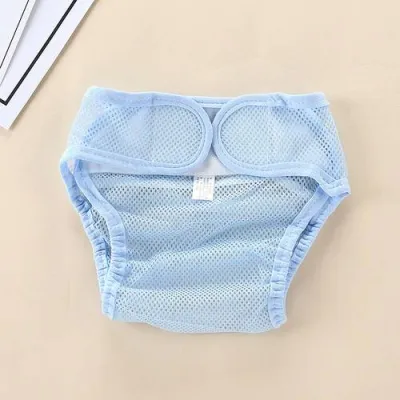
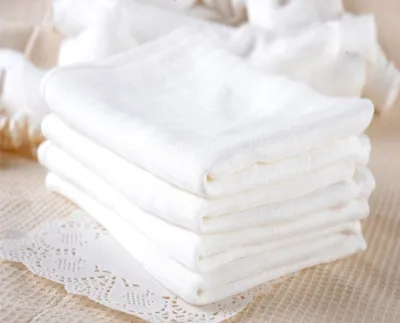
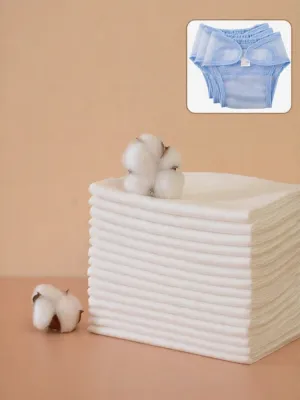
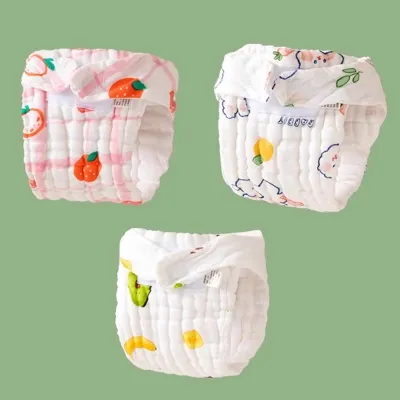
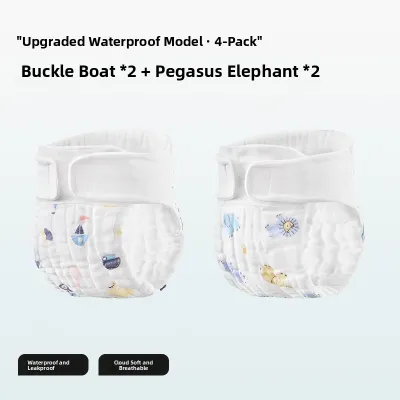
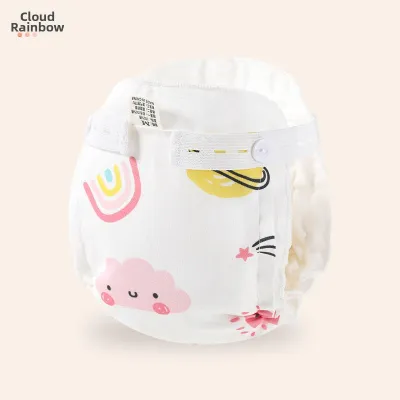
![[4 at $10.90] Baby Toilet Training Pants 6 Layers Reusable Cloth Diaper Waterproof Underwear Nappy Potty Highly Absorbent](https://img.lazcdn.com/g/p/197076b91cd3cd72b6ad2647e18e82e9.png_400x400q80.png_.webp)
Prices are valid at publication and may change. Please refer to the product page for the latest price.
How you store soiled diapers before wash day is equally important in a humid climate. Storing damp, soiled diapers in airtight plastic bags or sealed wet bags for extended periods can quickly lead to mould and mildew growth. Instead, use a highly breathable, open-top laundry basket or a large, ventilated mesh bag. This setup allows air to circulate freely, lowering the temperature and moisture level inside the container, which helps slow down bacterial multiplication and reduces strong ammonia odours.
Step-by-Step Washing Routine for Humid Conditions
A reliable main wash process is necessary to remove organic matter and detergent residue without damaging the diaper fabrics. Once the pre-rinse is complete, run a heavy-duty or long wash cycle. The water level should be sufficient for the diapers to agitate against one another, which provides the physical scrubbing action needed to clean the fibers thoroughly. Refer to your diaper’s care label for temperature limits; while warm water can help dissolve oils and residues, excessively hot water can damage the waterproof polyurethane laminate (PUL) layers and degrade the elastics.

Choosing the right detergent is critical for maintaining fabric absorbency. Select a detergent that cleans thoroughly without leaving behind residues that can coat the fabric. Avoid fabric softeners, optical brighteners, and detergents with high oil or soap content, as these can build up on the fibers and cause the diapers to repel moisture instead of absorbing it. In Singapore, where the water is generally soft to moderately hard, you do not need to overuse detergent; follow the manufacturer’s dosage guidelines for your load size to prevent excess soap build-up.
In high-humidity environments, detergent residue trapped in the fabric can react with trace amounts of urine to create a strong ammonia smell. Adding an extra rinse cycle at the end of your wash routine ensures that all soap is completely flushed out. This is particularly important for thick, multi-layered inserts made of bamboo, hemp, or microfiber, which tend to hold onto detergent more than single-layer fabrics.
Drying Strategies to Prevent Mould and Odour
Providing actionable drying methods tailored to high-humidity environments ensures diapers are completely dry and safe for reuse. Hanging diapers outside in direct sunlight is an excellent natural way to dry and sanitize fabrics, as ultraviolet (UV) light has natural bleaching and disinfecting properties. However, prolonged exposure to intense tropical heat and UV rays can degrade the delicate elastics and the waterproof PUL backing of modern cloth diapers. To protect your investment, hang pocket shells and covers in a shaded, well-ventilated outdoor area, or limit their direct sun exposure, while leaving durable inserts in the sun.
During Singapore’s monsoon seasons or on highly humid days, outdoor drying may not be feasible. When drying indoors, maximize air circulation by placing a standing fan or a dehumidifier near your drying rack. Positioning the rack in an air-conditioned room can also speed up the drying process by lowering the ambient humidity. Avoid hanging damp diapers too close together; leave ample space between each item to allow air to flow freely. Keep in mind that different materials dry at different rates; microfiber inserts dry relatively quickly, while dense bamboo and hemp inserts require significantly more time.
Before folding and storing your clean diapers, perform a thorough tactile and visual check. Feel the thickest parts of the inserts, especially near the seams and layers, to ensure there is no lingering dampness. Even a tiny amount of moisture trapped inside a stored diaper can quickly lead to mould growth in Singapore’s warm climate, rendering the diaper unusable until it is sanitized.
Deep Cleaning and Stripping Build-up
Over time, minerals from water or accumulated detergent residues can build up in the diaper fibers, leading to persistent odours or reduced absorbency. You can identify this issue if you notice a strong, stinging ammonia smell as soon as your baby urinates, or if liquids run off the surface of the diaper insert rather than soaking in immediately. To confirm detergent build-up, you can perform a simple “swish test” by placing a clean, dry insert into a bowl of warm water and squeezing it; if the water becomes cloudy or sudsy, residue is present.
Before attempting any deep cleaning or “stripping” procedures, always consult the specific care guidelines provided by your diaper’s manufacturer. Some brands have strict policies against certain stripping agents or soaking methods, and unauthorized treatments can void your warranty or permanently damage the waterproof PUL membrane.
If you observe signs of fabric degradation, such as thinning material, fraying seams, or cracking waterproof linings during a deep clean, stop the process immediately. Reach out to the manufacturer or a professional textile care specialist for guidance rather than continuing with harsh treatments that could ruin the diaper completely.
Storage and Daily Maintenance Checks
Storing clean diapers properly and monitoring their physical condition ensures ongoing safety and performance. Store your completely dry, clean cloth diapers in a cool, dry, and well-ventilated space. Avoid storing them in plastic storage boxes or deep drawers where air cannot circulate, as these spaces can trap ambient humidity and encourage musty odours. Open shelves or breathable fabric baskets are excellent choices for daily storage.
Make it a habit to inspect your diapers during folding. Check the snaps to ensure they fasten securely, gently stretch the elastics to verify they still have good tension, and look closely at the interior waterproof lining for any signs of peeling, cracking, or delamination. Catching minor wear early helps you adjust your washing or drying routine before the diaper becomes unusable.
While cloth diapers are highly durable, they do not last indefinitely. Clear indicators that a diaper has reached the end of its usable life include completely relaxed elastics that cause leaks, cracked or peeling waterproof linings that no longer hold moisture, or persistent fabric tearing. When these issues occur, it is time to retire the diaper or repurpose the inserts for household cleaning.
Frequently Asked Questions (FAQ)
Can I use bleach or vinegar to wash cloth diapers?
Always check your diaper manufacturer’s care label before using bleach or vinegar. While some manufacturers allow highly diluted bleach for occasional sanitizing, others strictly prohibit it because it can weaken fibers and damage the waterproof PUL layer. Vinegar is highly acidic and can degrade the elastic components and laminate layers over time, so it should generally be avoided unless specifically approved by the brand.
How often should I wash soiled cloth diapers?
In Singapore’s warm and humid climate, it is best to wash soiled cloth diapers every one to two days. Leaving soiled diapers unwashed for longer can lead to stubborn mould growth, fabric degradation from ammonia, and persistent odours that are difficult to remove. If you notice dark spots of mould or a strong, lingering musty smell, the diapers may require a specialized sanitizing wash as recommended by the manufacturer, or disposal if the damage is extensive.
Community discussion
Share your experience or ask a question. Comments are reviewed before publication.