
Selecting a wooden baby cot for your nursery in Singapore is one of the most significant decisions you will make for your infant’s sleep environment. Because your baby will spend unsupervised hours sleeping in this space, ensuring the cot meets rigorous safety standards is paramount. In Singapore, while there are general consumer product safety regulations managed by government bodies, many wooden cots sold locally are imported and certified under major international safety standards. To secure a safe sleeping environment, parents must actively verify that a cot complies with recognized benchmarks such as the European standard (EN 716), the American standard (ASTM F1169), or equivalent British and Australian guidelines. Understanding how to read these certifications and perform physical inspections will help you choose a secure, durable bed that protects your child from preventable hazards.
How to Verify Safety Certifications and Labels
When shopping for a wooden baby cot, do not rely solely on aesthetic appeal or marketing claims of safety. Instead, look for explicit documentation of safety compliance. Reputable manufacturers print standard codes directly on the cot frame, the packaging, or within the user manual. The most common standards you will encounter in Singapore include EN 716 (the European standard for domestic cots) and ASTM F1169 (the American standard for full-size baby cribs). These standards govern everything from structural integrity to chemical safety, ensuring the materials used do not pose risks to developing infants.
To verify these claims, inspect the physical product labels or the manufacturer’s official website. A genuine safety declaration will list the specific standard code alongside the testing year or version. If you are purchasing from a local retailer or an online marketplace, ask the seller to provide the product’s safety data sheet or certificate of compliance. Because regulatory requirements and standard versions are updated periodically to address newly identified hazards, verifying that the cot complies with the most recent version of the standard is a prudent step.
Products mentioned in this guide
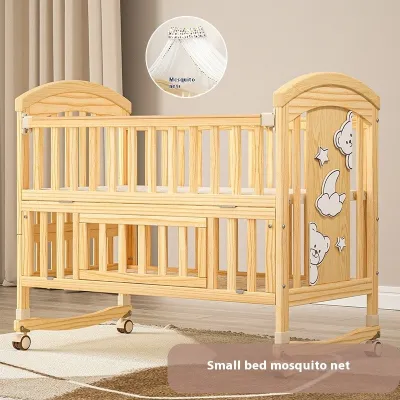
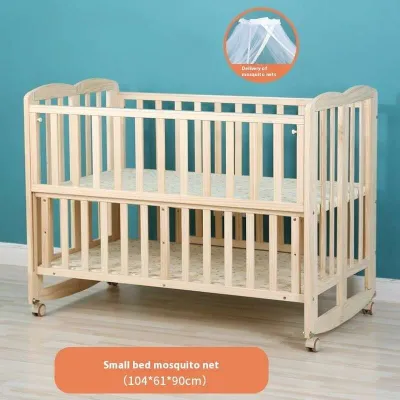
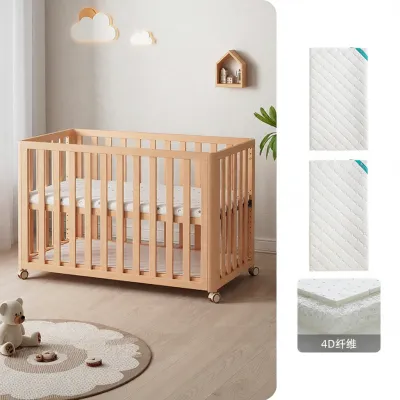

Prices are valid at publication and may change. Please refer to the product page for the latest price.
Furthermore, ensure that any safety certification explicitly covers the exact model, configuration, and accessories you plan to use. For instance, if a cot features an integrated changing table, the certification must encompass the entire combined unit rather than just the basic frame. Modifying a certified cot with third-party accessories or using it in an untested configuration can invalidate the safety standard and introduce unforeseen structural risks.
Physical Safety Checks You Can Perform in Store
While official certifications provide peace of mind, performing your own physical inspection in a showroom is an excellent way to verify a cot’s real-world build quality. One of the most critical measurements to check is the distance between the wooden slats. To prevent a baby’s head, limbs, or torso from becoming trapped, the gap between slats should be narrow. A reliable rule of thumb is that the distance between slats must be between 45 mm and 65 mm. You can easily check this by bringing a standard measuring tape to the store; if the gap is wide enough for a standard soda can to pass through easily, the slats are too far apart.

Next, closely examine the quality of the wood and the overall finish. Run your hands along the wooden bars, corner posts, and top rails to check for any rough patches, splinters, or sharp edges. The finish must be completely smooth, with no signs of peeling paint or bubbling varnish. Because babies frequently chew on cot rails when teething, any paint, stain, or protective lacquer used on the wood must be certified non-toxic and lead-free. Check the joints where the wooden pieces meet; they should be flush and tightly secured without any protruding screws, bolts, or brackets that could catch on a baby’s clothing.
The fit of the mattress within the cot frame is another vital safety checkpoint. A mattress that is too small leaves dangerous gaps along the sides or corners, creating an entrapment hazard. When the mattress is placed inside the cot, there should be no gap wider than 20 mm between the outer edge of the mattress and the inner wooden frame. A practical way to test this is to insert two fingers between the mattress and the cot side; if you can easily fit more than two fingers into the gap, the mattress is too small for that specific cot model.
Finally, assess the overall structural stability of the assembled unit. Place your hands on the top rails and apply gentle pressure, shaking the cot slightly from side to side and front to back. A safe wooden cot should feel solid and rigid. Any noticeable wobbling, swaying, or creaking indicates loose joints, poor construction, or worn-out hardware. Ensure that all structural bolts are fully tightened and recessed into the wood rather than sticking out, as exposed hardware can cause scratches or snag fabrics.
Assessing Adjustable Features and Moving Parts
Many modern wooden cots feature adjustable components designed to accommodate your baby’s growth, but these moving parts require careful evaluation. Most cots offer adjustable mattress base heights, typically featuring two or three positions. The highest position is convenient for newborns, making it easier for parents to lift them in and out without straining their backs. However, as soon as your baby shows signs of being able to roll over, sit up, or push up on their hands and knees, you must lower the mattress base to the next level. Once the child can stand, the base must be set to its lowest position to prevent them from climbing or falling out. Verify that the mechanism for adjusting the base is secure and requires tools or a complex two-step action to prevent accidental release.
Drop-side mechanisms, which allow one side of the cot to slide down for easier access, have historically been associated with safety risks if the hardware fails or warps. If you choose a cot with a drop-side feature, it is critical to inspect the locking mechanism thoroughly. The drop-side must feature a secure, double-action locking system that cannot be accidentally released by a child from the inside or by a simple bump from the outside. The tracks and pins must operate smoothly without sticking, and the wood along the sliding track must be free from warping, which is particularly important in Singapore’s humid climate where wood can expand and contract.
If the wooden cot is equipped with castors or wheels for mobility, test their locking mechanisms in the store. Lockable wheels are essential for preventing the cot from shifting when your baby moves or when you lean against the frame. Ensure that at least two of the wheels—preferably all four—have robust, independent brakes that lock securely. When the brakes are engaged, the cot should remain firmly in place on the showroom floor without sliding or rolling.
Setting Up the Cot Safely in Your Nursery
Bringing a certified, structurally sound wooden cot home is only the first step; its placement and setup within your Singapore home are equally critical to your baby’s safety. When planning your nursery layout, position the cot well away from windows. Windows present multiple hazards, including direct sunlight that can cause overheating, drafts, and most importantly, cords from blinds or curtains. Dangling cords are a severe strangulation hazard, so ensure the cot is completely out of reach of any window treatments. Additionally, avoid placing the cot directly beneath heavy wall decorations, shelves, or framed pictures that could fall into the sleeping area during a tremor or due to adhesive failure in humid conditions.
Keep the interior of the cot minimalist and free of unnecessary items. While decorative bedding, plush pillows, thick quilts, and fabric bumper pads may look appealing in nursery photos, they pose significant suffocation, entrapment, and sudden infant death syndrome (SIDS) risks. The safest sleep environment is a bare cot containing only a firm, flat mattress covered by a tight-fitting sheet. Avoid placing large stuffed toys or bulky items in the cot, as older infants can use them as steps to climb over the rails.
Lastly, always adhere strictly to the manufacturer’s guidelines regarding weight, height, and developmental milestones. Every wooden cot has a maximum capacity specified in its instruction manual. Monitor your child’s growth closely; once they reach the height or weight limit specified by the manufacturer, or when they show the ability to climb out of the cot independently, it is time to transition them to a toddler bed or a floor mattress to prevent dangerous falls.
When to Stop Using the Cot or Seek Help
Over time, daily use and environmental factors can affect the structural integrity of even the highest-quality wooden cots. Parents should perform regular maintenance checks to identify signs of wear and tear. Inspect the wood periodically for any hairline cracks, splitting along the grain, or loose joints. Pay close attention to the slats; if any slat becomes loose, cracked, or broken, stop using the cot immediately. Similarly, check the hardware regularly to ensure that screws and bolts have not worked themselves loose over time due to the natural movement of the cot. Stripped screw holes or cross-threaded bolts can compromise the stability of the entire frame and must be addressed promptly.
If you discover missing assembly instructions, damaged hardware, or structural issues, do not attempt to fix the cot using makeshift parts, household nails, or adhesives. Instead, contact the manufacturer or the authorized distributor in Singapore to obtain genuine replacement parts and official guidance. Modifying the cot’s structure or using non-original hardware can compromise its safety certifications and create hazardous gaps or weak points.
Furthermore, immediate action is required if your child outgrows the safety parameters of the cot. If your baby manages to climb out of the cot even when the mattress base is at its lowest position, the cot is no longer a safe environment for them. Continuing to use the cot under these circumstances poses a high risk of fall-related injuries, and you should transition your child to a safer sleeping arrangement without delay.
Frequently Asked Questions (FAQ)
Is it safe to buy a second-hand wooden baby cot?
Buying a second-hand wooden baby cot carries inherent risks that require careful consideration. Older models may not comply with current safety standards, or they may have undergone wear and tear that is not immediately visible, such as hairline fractures in the wood or weakened joints. There is also the risk of missing hardware, which parents sometimes replace with incorrect screws, or a lack of the original assembly manual, increasing the likelihood of incorrect setup. Additionally, older cots might have been recalled by the manufacturer, a history that can be difficult to trace for a second-hand item.
If you do choose to use a second-hand cot, perform a meticulous inspection. Verify that the wood is completely intact with no splinters, cracks, or signs of rot. Ensure that all original hardware is present and that the manufacturer’s label is still attached so you can look up any recall history online. If the cot has been repainted, you must verify that the paint used is non-toxic, lead-free, and safe for a teething baby. Always obtain the original user manual to ensure correct assembly.
Do I need a teething rail for a wooden cot?
A teething rail is a highly useful accessory for a wooden baby cot, particularly when your baby begins to pull themselves up to a standing position. During the teething phase, infants often chew on the top rails of their cot to soothe their gums. A teething rail—typically made of food-grade, non-toxic plastic or fabric—protects the wooden edge from moisture and bite marks. More importantly, it prevents your baby from accidentally ingesting wood splinters, paint flakes, or varnish, which could pose health risks.
If you decide to use a teething rail, ensure it is designed specifically for your cot model or is highly adjustable to fit snugly. The rail must attach securely to the wooden frame so that the baby cannot pull it loose or create a gap where their fingers or lips could get pinched. Always verify that the materials used in the teething rail are certified free from harmful chemicals, phthalates, and BPA, as it will be in direct contact with your baby’s mouth.
Community discussion
Share your experience or ask a question. Comments are reviewed before publication.