
Foldable baby bath tubs sold in Singapore do not carry Health Sciences Authority (HSA) certification because the HSA does not regulate general baby consumer products. The HSA is responsible for regulating health products, including medical devices, therapeutic products, health supplements, and cosmetics. Because a baby bath tub is classified as a general consumer product rather than a medical device, it falls outside the regulatory scope of the HSA. Any seller or online listing claiming that a baby bath tub is “HSA certified” or “HSA approved” is inaccurate and likely misrepresenting the product’s regulatory status.
Instead of looking for HSA certification, parents in Singapore should focus on verifying compliance with recognized international safety standards and local consumer product guidelines. General consumer goods in Singapore are overseen by the Consumer Product Safety Office (CPSO) under Enterprise Singapore. While baby bath tubs do not require a local Safety Mark like household electrical appliances do, they must still comply with the Consumer Protection (Consumer Goods Safety Requirements) Regulations (CGSR). This means the product must meet established safety standards to be legally sold in the market.
Navigating the safety of baby products can feel overwhelming, especially with the abundance of unverified claims on ecommerce platforms. This guide will help you understand the actual safety standards applicable to foldable baby bath tubs, identify key physical safety features to inspect, and learn how to verify product compliance before making a purchase. By understanding what to look for, you can ensure a safe and comfortable bathing experience for your infant.
Products mentioned in this guide
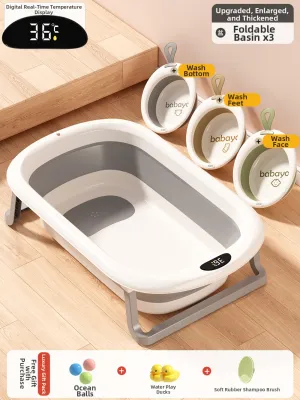
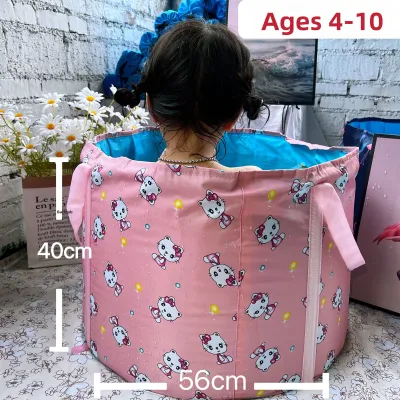
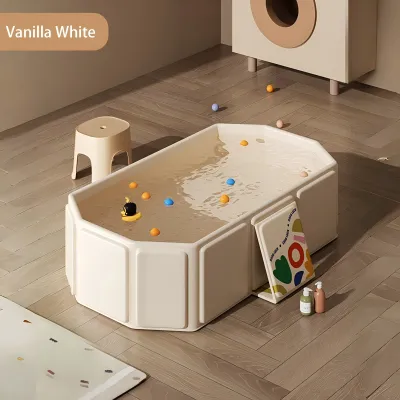
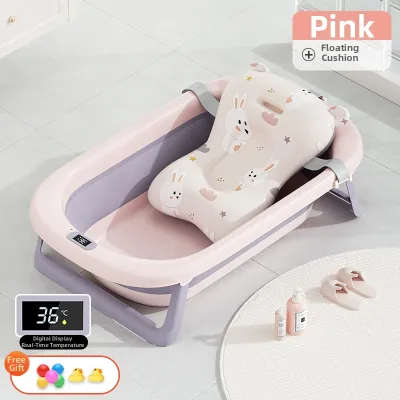
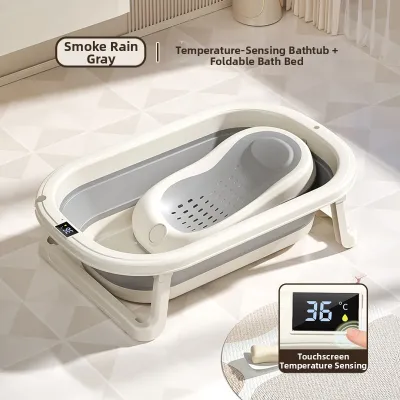
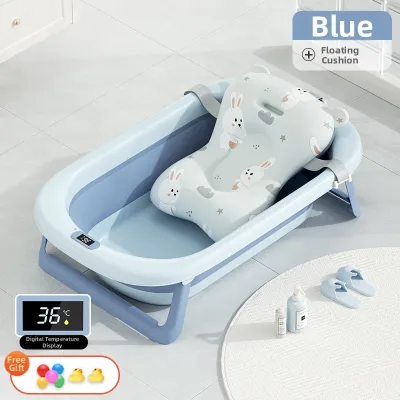
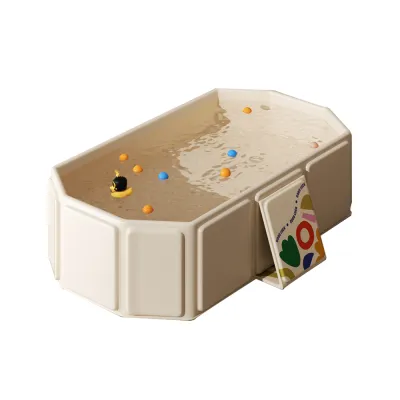
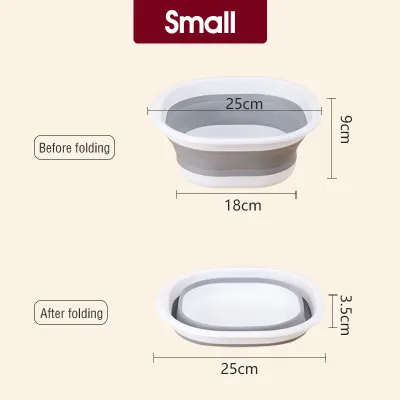
Prices are valid at publication and may change. Please refer to the product page for the latest price.
Understanding HSA Certification and Baby Bathing Product Regulations
To make an informed purchasing decision, it is essential to understand the specific roles of regulatory bodies in Singapore. The Health Sciences Authority (HSA) focuses strictly on products that have a medical, therapeutic, or health-related purpose. For example, baby lotions, baby shampoos, and clinical thermometers are regulated by the HSA because they are classified as cosmetics or medical devices. A standard foldable baby bath tub, even one with ergonomic contours or temperature-sensitive components, does not perform a medical function and therefore cannot be registered or certified by the HSA.
The Consumer Product Safety Office (CPSO), an agency under Enterprise Singapore, is the authority responsible for the safety of general consumer products. The CPSO enforces the Consumer Protection (Consumer Goods Safety Requirements) Regulations (CGSR). Under this framework, general consumer goods sold in Singapore must conform to safety standards set by regional or international standardization bodies. If a product is found to be unsafe or non-compliant with these standards, the CPSO has the authority to issue safety alerts, order product recalls, or mandate that the product be removed from sale.
Because there is no mandatory pre-market registration or “Safety Mark” licensing for non-electrical baby bath tubs, manufacturers are not issued a local government certificate. Instead, reputable brands demonstrate safety by testing their products against recognized international standards. The most common and rigorous standard for baby bathing equipment is the European standard EN 17072. This standard specifies safety requirements and test methods for children’s baths, stand-alone bathing aids, and bath stands intended for infants up to 12 months or up to a specific weight limit.
Another widely recognized standard is the American ASTM F2676, which outlines safety specifications for infant bath tubs. These international standards cover critical safety aspects, including structural integrity, stability, the prevention of entrapment hazards, and the safety of materials used in construction. When evaluating a foldable tub, you should look for manufacturer declarations stating that the product has been tested and certified to meet EN 17072 or ASTM F2676 standards by an independent testing laboratory.
Key Safety Features to Check in Foldable Baby Bath Tubs
When local certification labels are absent, you must rely on a physical evaluation of the tub’s design and structural integrity. Foldable baby bath tubs rely on flexible joints—typically made of thermoplastic elastomer (TPE) or silicone—and folding legs to collapse flat for easy storage. While this design is highly convenient for compact Singapore homes, it introduces potential points of failure that require careful inspection.

The locking mechanism of the folding legs is the most critical structural safety feature. You must ensure that the legs lock firmly into place when fully extended and cannot be accidentally collapsed by a sudden bump or the weight of the water. Look for tubs with double-locking joints or physical safety latches that secure the legs. Additionally, the base of the legs must be equipped with robust, non-slip rubber feet to prevent the tub from sliding on wet bathroom tiles, which are common in local HDB flats and condominiums.
Material safety is another paramount consideration, as your baby’s skin will be in direct contact with the tub’s surface and warm water. Ensure the manufacturer explicitly states that the plastic components (usually polypropylene, or PP) and flexible joints (TPE) are free from harmful chemicals. Specifically, look for declarations of “BPA-free,” “phthalate-free,” and “lead-free” materials. High temperatures can accelerate the leaching of chemicals from low-quality plastics, making material verification essential for your baby’s long-term health.
Ergonomics and infant support features must match your baby’s specific developmental stage. Newborns lack the muscle strength to support their heads and necks, meaning they require a tub that accommodates a secure infant sling, mesh support, or contoured foam insert. These accessories must attach firmly to the tub’s rim and must not slip or shift during use. For older infants who can sit upright, the tub should have a contoured backrest and a non-slip interior surface to prevent them from sliding down into the water.
Finally, inspect the drainage plug and overall design for potential physical hazards. The drainage plug should sit completely flush with the bottom of the tub to prevent it from scratching or irritating your baby’s skin. It must also seal tightly to prevent water leakage during the bath. Avoid tubs with sharp edges, rough seams, or small gaps where a baby’s fingers or toes could become trapped.
How to Verify Product Compliance Before Purchasing
Verifying safety claims requires active research, especially when shopping on online marketplaces where misleading marketing terms are common. If a seller claims their foldable baby bath tub is “certified” or “tested,” you should ask for proof of these claims. Reputable brands and distributors should be able to provide copies of third-party laboratory test reports from recognized testing bodies such as SGS, TÜV SÜD, or Intertek.
When reviewing a test report, verify that the document is current, references the specific model of the tub you are purchasing, and tests for compliance with recognized standards like EN 17072 or ASTM F2676. The report should also include chemical testing results confirming that the materials are free from restricted substances like heavy metals, phthalates, and bisphenol A (BPA). If a seller refuses to provide documentation or offers a blurred, unreadable certificate, treat this as a significant red flag.
Physical labels on the product packaging and the tub itself offer valuable clues about compliance. Legitimate manufacturers are required to print clear, permanent safety warnings and usage instructions directly on the product. Look for warnings regarding drowning hazards, the necessity of constant adult supervision, and maximum water level indicators. The packaging must also clearly state the recommended age range, weight limits, and manufacturer contact details.
Be highly skeptical of listings that use exaggerated or incorrect terminology to imply official endorsement. Terms like “HSA approved,” “FDA certified,” or “medical-grade plastic” are frequently used by unauthorized sellers to create a false sense of security. If a product lacks a clear brand name, has no physical warning labels in English, or does not include a comprehensive user manual, it is highly likely a non-compliant or counterfeit product that has not undergone proper safety testing.
Setting Up and Maintaining Your Foldable Bath Tub Safely
Ensuring your baby’s safety does not end with a careful purchase; it requires ongoing vigilance during setup, use, and maintenance. Before every bath, perform a quick pre-use inspection of the tub. Examine the flexible TPE joints for any signs of wear, thinning, cracking, or tearing, as these joints bear the stress of folding and unfolding. Check that the hinges move smoothly and that the locking mechanisms engage securely without any play or looseness.
Proper setup is essential to prevent accidental tipping or collapsing. Always place the foldable tub on a flat, stable, and completely dry surface. If you are placing the tub inside an adult bathtub or on a wet shower floor, wipe the surface first to remove any soapy residue or slime that could compromise the grip of the tub’s non-slip feet. Never place a foldable baby bath tub on elevated surfaces such as tables, countertops, or stools, as a sudden movement from your baby could cause the entire tub to slide off the edge.
Singapore’s warm and highly humid climate creates an ideal environment for mold and mildew growth, particularly in the crevices of foldable tubs. After each use, drain the water completely and rinse the tub thoroughly with clean water to remove soap scum, bath oils, and skin flakes. Wipe the tub down with a clean, dry cloth and leave it fully expanded in a well-ventilated area to air-dry completely. Avoid folding and storing the tub while it is still damp, as trapped moisture will lead to mold growth, which can degrade the flexible materials and pose health risks to your baby.
Store the folded tub in a cool, dry place away from direct sunlight. Prolonged exposure to ultraviolet (UV) light can cause the plastic to become brittle and the flexible joints to degrade, significantly reducing the lifespan and safety of the tub. If you use a separate bath stand, ensure it is specifically designed and approved by the manufacturer for use with your exact tub model, and always verify that the stand’s locking mechanisms are fully engaged before placing the tub on it.
Frequently Asked Questions (FAQ)
Are foldable baby bath tubs safe for newborns?
Foldable baby bath tubs can be safe for newborns, but only when used with appropriate infant support accessories and under constant, undivided caregiver supervision. Because newborns cannot support their own heads or sit upright, you must use a compatible, manufacturer-approved newborn sling, mesh support, or contoured foam insert that attaches securely to the tub’s frame. Never rely on the tub’s shape alone to keep a newborn in a safe position. You must maintain physical contact with your baby at all times during the bath, keeping them within arm’s reach to prevent slipping or submerging.
What should I do if the folding mechanism gets stuck or feels loose?
If the folding mechanism of your baby bath tub becomes stuck, loose, or shows any signs of structural compromise, you must stop using the tub immediately. Do not attempt to force a stuck hinge, as this can crack the plastic or tear the flexible joints, leading to a sudden collapse during a future bath. Avoid using temporary fixes like tape, glue, or DIY hardware adjustments, as these cannot withstand the weight of water and your baby. Contact the manufacturer or the authorized distributor in Singapore to inquire about replacement parts, repairs, or warranty options.
Do I need a separate bath thermometer if the tub has a built-in temperature indicator?
Yes, you should always use a separate, calibrated digital bath thermometer or perform a manual check, even if your foldable tub features a built-in temperature indicator or a color-changing drainage plug. Built-in indicators can lose accuracy over time due to battery depletion, wear, or mineral buildup from tap water. To ensure your baby’s safety, use a reliable standalone thermometer to verify that the water temperature is between 37 and 38 degrees Celsius, and always test the water with your elbow or wrist before placing your baby in the tub.

Community discussion
Share your experience or ask a question. Comments are reviewed before publication.