
To verify if your Original Sprout baby bath products are genuine, you must systematically inspect the physical packaging, scrutinize the print quality and ingredient labels, and evaluate your purchase channel. Counterfeit baby care items often feature subtle defects in their dispensing pumps, misaligned safety seals, or blurry typography. Ensuring authenticity requires buying from authorized distributors or established retail channels in Singapore and cross-checking batch codes directly with official manufacturer resources. Taking these precautions helps safeguard your child from unregulated formulations.
Why Authenticity Matters for Baby Bath Products
An infant’s skin barrier is thinner and more permeable than an adult’s, making babies highly vulnerable to absorbing topical substances. Contact with unregulated, harsh, or contaminated chemicals can lead to severe skin irritation or contact dermatitis. Genuine baby care manufacturers invest heavily in safety testing and quality control to ensure gentle formulations, whereas counterfeiters completely bypass these critical safety protocols.
They often use cheap, industrial-grade ingredients or contaminated water to mimic the original product. Verifying authenticity is a necessary safety measure to ensure that every wash, shampoo, or lotion matches the brand’s tested safety profile.
Products mentioned in this guide
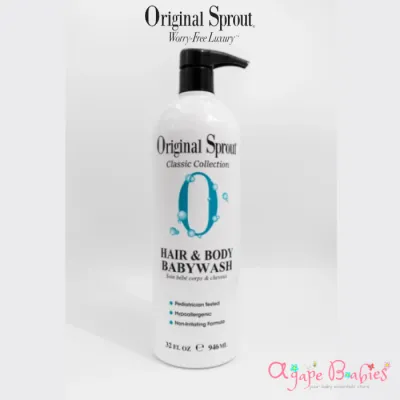
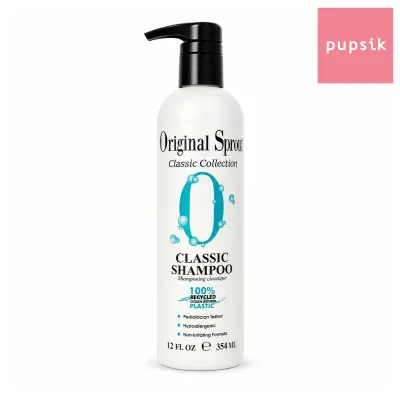
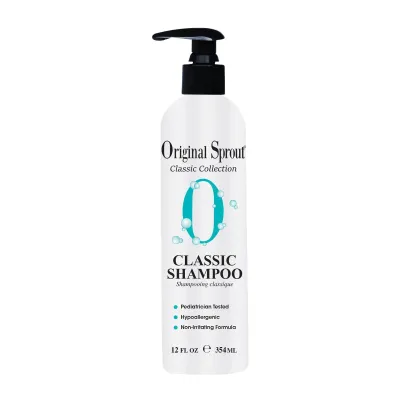
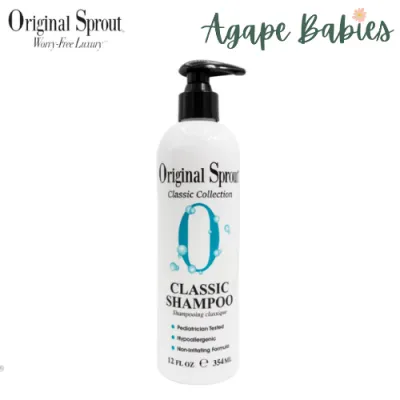
Prices are valid at publication and may change. Please refer to the product page for the latest price.
How to Inspect Sprout Packaging and Labels
Performing a systematic physical inspection of the bottle before use is your first line of defense. Compare the physical container with official product images on the brand’s website. Keep in mind that manufacturers occasionally update packaging designs, so cross-reference minor aesthetic changes with official brand announcements rather than assuming the item is fake. Additionally, check the product documentation for age recommendations, usage instructions, and manufacturer warnings to ensure the product is appropriate for your baby’s developmental stage.

Checking Seals and Dispenser Mechanisms
Start your physical inspection by examining the safety seals and closures. Genuine bottles typically feature clean, tightly applied shrink wrap or secure induction seals beneath the cap. Look closely for signs of tampering, such as unevenly cut plastic wrap, glue residue, or missing seal layers.
Next, test the pump or flip-cap mechanism. Authentic dispensers are constructed from sturdy plastic that operates smoothly. Counterfeiters often use cheap, flimsy pump mechanisms that leak, feel loose, or lack precise molding. Inspect the bottle’s plastic seams as well; rough, sharp, or misaligned seams along the sides indicate poor manufacturing standards common in counterfeit production.
Reviewing Ingredient Lists and Typography
High-quality printing is difficult for counterfeiters to replicate. Examine the text on both labels under good lighting; on a genuine bottle, the typography is sharp, colors are consistent, and logos are perfectly aligned. Blurry text, smudged ink, or pixelated graphics are strong indicators of a fake.
Carefully read the ingredient list and product descriptions. Spelling mistakes, grammatical errors, or incorrect ingredient names are classic hallmarks of counterfeit operations. Additionally, locate the batch code and expiration date. Authentic products have these details clearly stamped or embossed so they do not easily rub off. If these codes are missing, scratched out, or printed in a messy font, do not use the product. You should also look for specific certification logos, such as organic or vegan claims, and verify these claims against the manufacturer’s official documentation.
Evaluating the Seller and Purchase Channel
Where you buy baby care products is just as important as how the bottle looks. To minimize risk, prioritize buying directly from the brand’s official website, authorized physical retailers, or verified official flagship stores on major e-commerce platforms. When shopping on third-party online marketplaces, do not rely solely on product listing images, which are often copied from official sources.
Instead, thoroughly investigate the seller’s profile. Check their historical ratings, read customer feedback specifically looking for mentions of authenticity, and review their return policy. Be highly cautious of unauthorized resellers, social media storefronts, or independent websites that lack clear contact information, physical addresses, or secure payment gateways. If purchasing offline in Singapore, choose reputable department stores, established pharmacies, or authorized baby boutiques. Ensure the retailer stores these products in climate-controlled conditions, as prolonged exposure to heat and humidity can degrade genuine formulations.
Red Flags and Common Counterfeit Signs
Recognizing key red flags can save you from using a potentially harmful product on your child. The most common warning sign is a price that seems too good to be true. If a seller offers the product at a price significantly lower than the standard retail range in Singapore without a clear, verifiable promotional event, it is highly likely to be a fake.
Inspect the physical label for signs of manual application, such as bubbles, lifting corners, or paper that feels like standard printer paper rather than professional, water-resistant material. Watch out for missing, altered, or physically scratched-off batch codes and expiration dates, as counterfeiters often deface these markings to prevent tracking.
Finally, pay close attention to the product’s sensory characteristics when you open it. Genuine products are known for their specific, gentle scents and consistent textures. An unexpected, harsh chemical odor, separation of liquids, unnatural coloration, or a watery, gritty texture that differs from previous genuine purchases are immediate indicators of a counterfeit. While a single minor visual flaw might occasionally occur due to manufacturing tolerances, a combination of these red flags warrants immediate caution.
What to Do If You Suspect a Fake Product
If you suspect that the baby bath product you purchased is not genuine, take immediate action to protect your child. First and foremost, stop using the product on your baby immediately to prevent potential skin reactions or health risks. If your baby has already come into contact with the suspected product and shows signs of skin irritation, redness, or discomfort, consult a pediatrician or dermatologist for professional medical advice.
Next, contact the seller directly to request a refund, and report the suspicious listing to the e-commerce platform or marketplace administrator. You should also reach out to the brand’s official customer service team. Provide them with clear, high-resolution photos of the packaging, the batch codes, and a copy of your purchase receipt to seek verification guidance. If you cannot return the product, dispose of it safely by pouring the liquid down the drain and recycling the bottle, ensuring it is kept out of reach of children and pets.
Frequently Asked Questions (FAQ)
Can I rely solely on the barcode to verify authenticity?
No, you cannot rely solely on a barcode to verify that a product is genuine. Scanning a barcode only confirms that the numerical code matches a registered product identity in a database. Because barcodes are simple graphic images, counterfeiters can easily copy and print valid barcodes from genuine bottles onto their fake packaging. To ensure authenticity, you must combine barcode checks with a thorough inspection of the packaging quality, dispenser mechanisms, and the credibility of the seller.
Are slight variations in packaging always a sign of a fake?
Slight variations in packaging do not always mean a product is counterfeit. Brands periodically update their label designs, modify ingredient lists to comply with new regional regulations, or source different bottle shapes and pump mechanisms due to supply chain changes. If you notice a minor difference in a product purchased from a reputable source, check the brand’s official website or contact their customer service to see if a packaging update has recently occurred before concluding the item is a fake.
Community discussion
Share your experience or ask a question. Comments are reviewed before publication.