
Bath time is a cherished ritual for many families, offering a playful way for children to wind down before bed. However, the gentle bubbles that bring so much joy can sometimes cause skin irritation, dryness, or allergic reactions if the formula contains harsh chemicals. While many brands plaster terms like “hypoallergenic,” “natural,” or “pediatrician-tested” on their packaging, these marketing claims are not always backed by rigorous independent standards. In Singapore, the most reliable way to ensure a children’s bubble bath complies with local safety standards is to verify its regulatory status with the Health Sciences Authority (HSA).
This guide provides a comprehensive framework to help parents navigate the regulatory landscape of children’s bath products in Singapore. Instead of relying solely on promotional claims, you will learn how the HSA regulates these products, how to use the official public database to verify a product’s notification status, and how to read ingredient labels to identify potential irritants. By understanding these verification steps and choosing secure purchasing channels, you can confidently select products that protect your child’s delicate skin barrier.
Understanding HSA Rules for Children's Bath Products
To make informed decisions, parents must first understand how the Health Sciences Authority (HSA) regulates personal care products in Singapore. Under the ASEAN Cosmetic Directive, cosmetic products—including bubble baths, shampoos, and soaps for children—do not undergo pre-market approval or certification by the HSA. This is a common misconception. The HSA does not issue safety certificates or approvals before a product hits the shelves. Instead, the regulatory framework relies on a system of cosmetic product notification.
Products mentioned in this guide
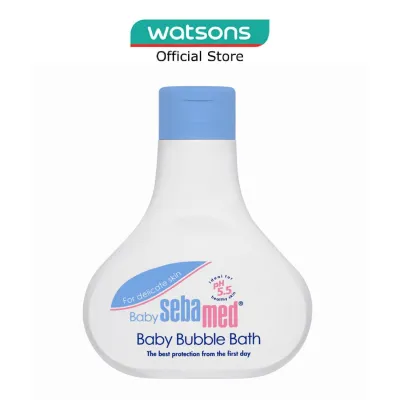
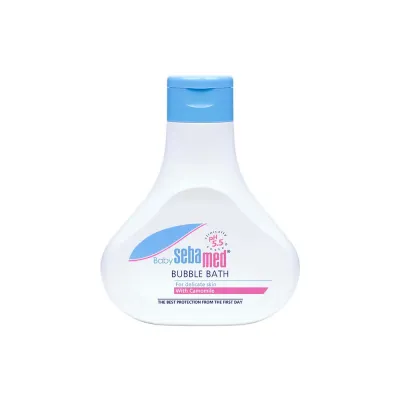
![Mustela Multi-Sensory Bubble Bath 200ml [Normal Skin] (exp: 09/2028 & beyond)](https://img.lazcdn.com/g/p/70d30d7af181f9d5a95e6a3a639ceb00.jpg_400x400q80.jpg_.webp)
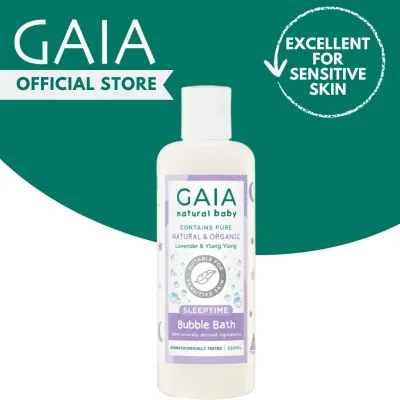
Prices are valid at publication and may change. Please refer to the product page for the latest price.
Before any cosmetic product can be sold in Singapore, the local company responsible for importing or manufacturing it must submit a product notification to the HSA. This notification informs the authority that the product is being placed on the market and provides details about its ingredients and manufacturing source. The local company bears full legal responsibility for ensuring the product is safe, complies with all regulatory requirements, and does not contain any prohibited substances.
The HSA maintains strict guidelines regarding what ingredients can be used in cosmetics, particularly those formulated for infants and young children. Children’s skin is significantly thinner and more permeable than adult skin, making it far more susceptible to absorbing chemicals and experiencing irritation. Consequently, the HSA monitors compliance through post-market surveillance. This means they conduct random audits, test products collected from retail shelves, and investigate reports of adverse reactions. If a product is found to contain banned ingredients, excessive levels of restricted preservatives, or heavy metal contamination, the HSA will order a recall and issue public alerts.
Understanding this distinction helps parents realize that a notified product is one where a local company has formally declared compliance and assumed legal liability under Singapore law. This system provides a crucial layer of accountability that is completely missing when purchasing unnotified or parallel-imported products from unverified sources.
Step-by-Step Guide to Verifying HSA Listing
Verifying whether a kids’ bubble bath has been properly notified to the HSA is a straightforward process that any parent can perform online. The HSA maintains a public registry known as the Class II Cosmetic Product Notification database. To check a product, parents can visit the official HSA website and navigate to the search portal for cosmetic products.

When using the database, you can search using several parameters, including the product name, the brand name, or the name of the local company responsible for the notification. Because product names can sometimes vary slightly between different markets, searching by the brand name or the local distributor listed on the physical packaging often yields the most accurate results. A successful search will display the product’s registered name, the notifying company, and the validity status of the notification.
In addition to online verification, the physical packaging of the bubble bath provides vital clues about its regulatory compliance. Under Singapore regulations, all cosmetic products must feature clear, legible labeling in English. The packaging must display the full ingredient list, the batch number, the manufacturing date or expiry date, and, crucially, the name and address of the company responsible for placing the product on the local market.
The presence of a local distributor’s name and address is one of the most reliable indicators of a legitimate, notified product. If a bottle of bubble bath only lists an overseas address and lacks any local contact information, it may be a parallel import or an unnotified product that has bypassed local regulatory checks. Other red flags include incomplete ingredient lists, labels written entirely in a foreign language without an English translation sticker, and exaggerated medical claims, such as promising to cure eczema or prevent skin infections. Under HSA guidelines, cosmetic products are not permitted to make therapeutic or medicinal claims.
Reading Ingredient Labels for Sensitive Skin
Even when a bubble bath is successfully notified with the HSA, parents should still carefully review the ingredient list to ensure it suits their child’s specific skin type. A product notification means the formula complies with safety limits, but it does not guarantee that an individual child will not experience a mild reaction or dryness, especially if they have sensitive skin or conditions like eczema.
When examining the label, the first ingredients to scrutinize are the surfactants, which are the cleansing agents responsible for creating bubbles. Harsh surfactants like Sodium Lauryl Sulfate (SLS) and Sodium Laureth Sulfate (SLES) are highly effective at creating foam, but they can strip the skin of its natural oils, leading to dryness and irritation. For children, it is generally preferable to look for milder, plant-derived surfactants such as Coco-Glucoside, Decyl Glucoside, or Lauryl Glucoside. These alternatives cleanse gently without disrupting the skin’s delicate moisture barrier.
Fragrances and preservatives are other common triggers for skin sensitivity. Synthetic fragrances often contain complex mixtures of chemicals that can cause contact dermatitis in sensitive individuals. Opting for fragrance-free formulas or products that use very low concentrations of natural, non-irritating extracts is a safer approach for young skin. Additionally, parents may want to avoid certain preservatives, such as parabens or formaldehyde-releasing agents, and instead look for products preserved with gentler compounds like potassium sorbate or sodium benzoate.
Regardless of how clean or compliant an ingredient list appears, performing a patch test is always a prudent step before introducing a new bubble bath to your child’s routine. To conduct a patch test, apply a small, diluted amount of the bubble bath to a small patch of intact skin, such as the inner forearm or behind the ear. Leave it on for a few minutes, rinse it off thoroughly, and monitor the area over the next 24 to 48 hours for any signs of redness, swelling, itching, or irritation. If no reaction occurs, the product is likely safe for regular use.
Where to Safely Buy Kids' Bath Products in Singapore
Where you choose to purchase your child’s bubble bath plays a significant role in ensuring product safety and regulatory compliance. Buying from established physical retailers in Singapore, such as major pharmacy chains, authorized department stores, and reputable supermarket chains, offers the highest level of security. These retailers have established supply chains and typically source their inventory directly from authorized local distributors who have completed the mandatory HSA notifications.
In contrast, shopping on general e-commerce platforms or cross-border online marketplaces requires a higher degree of caution. While these platforms offer convenience and a wider selection, they also host third-party sellers who may import products directly from overseas without notifying the HSA. These parallel imports may bypass local storage and quality control standards, increasing the risk of receiving expired, counterfeit, or improperly formulated products. When shopping online, prioritize official brand stores or preferred local sellers with high ratings, and carefully read customer reviews to verify the authenticity of the product.
If you suspect that a bubble bath sold in Singapore is unlisted, counterfeit, or has caused an adverse skin reaction, it is important to take action. Stop using the product immediately and wash the affected area with clean water. You can report suspected non-compliant products or severe adverse reactions directly to the HSA through their official feedback channels. Reporting these incidents helps the authority identify unsafe products and take necessary enforcement actions to protect the wider public.
Frequently Asked Questions (FAQ)
Do all kids' bubble baths need HSA approval?
In Singapore, cosmetic products, including children’s bubble baths, do not undergo a pre-market approval or certification process by the HSA. Instead, they require a cosmetic product notification. The local company importing or manufacturing the product must submit this notification to the HSA before the product can be sold. This process ensures that a local entity is legally responsible for the product’s safety and compliance with local regulations, while the HSA monitors the market through post-market surveillance.
What should I do if my child reacts to an HSA-listed bubble bath?
If your child experiences an adverse reaction, such as redness, itching, or a rash, stop using the bubble bath immediately. Gently rinse the skin with clean, lukewarm water to remove any remaining product. If the irritation persists, worsens, or causes distress, consult a pediatrician or a qualified medical professional for advice. You can also report the reaction to the HSA or request your doctor to submit a report, which helps the authority monitor product safety and investigate potential formulation issues.

Community discussion
Share your experience or ask a question. Comments are reviewed before publication.