
In Singapore, baby bathing products are regulated as cosmetic products by the Health Sciences Authority (HSA). Rather than issuing a physical “HSA-certified” seal or certificate for individual brands, the HSA requires all local importers, manufacturers, and distributors to submit a product notification before selling these items. This means parents looking for safe infant bathing brands must understand how to verify this notification status and read ingredient labels, rather than searching for a non-existent official certification stamp. By learning how to navigate the HSA’s regulatory framework, check product labels, and identify safe ingredients, caregivers can confidently select products that protect their baby’s delicate skin barrier.
Understanding HSA Guidelines for Baby Bath Products
The Health Sciences Authority regulates baby bathing products, including body washes, shampoos, and bubble baths, under the regulatory framework for cosmetic products. This framework is closely aligned with the ASEAN Cosmetic Directive (ACD), a regional agreement designed to harmonize safety standards and labeling requirements across member countries. Under this directive, any company intending to sell a cosmetic product in Singapore must submit a product notification to the HSA before the item can be placed on the market.
It is crucial for caregivers to understand that this notification process is not a pre-market approval or certification system. The HSA does not test every individual batch of baby wash in a laboratory before it hits retail shelves. Instead, the notification system places the legal responsibility on the local company—whether they are the manufacturer, importer, or distributor—to ensure that the product is safe for consumer use, manufactured under hygienic conditions, and compliant with all ingredient restrictions outlined in the ACD.
Products mentioned in this guide
![[Bundle of 3] Aveeno Baby Body Daily Moisturizing and Shampoo 354ml](https://img.lazcdn.com/g/p/3280cf1352b35f9b787efebe429146c0.jpg_400x400q80.jpg_.webp)
![[Bundle of 3] Aveeno Baby Soothing Relief Foaming Wash & Shampoo For Sensitive Skin](https://img.lazcdn.com/g/p/73f12b4447fd459465e408ddebc4bcb9.jpg_400x400q80.jpg_.webp)
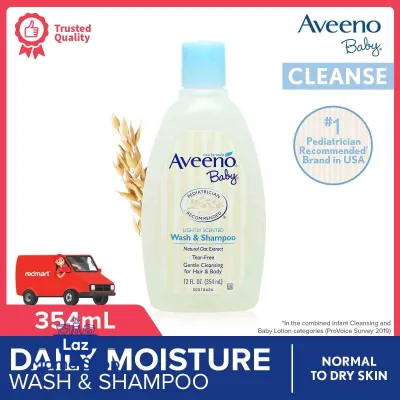
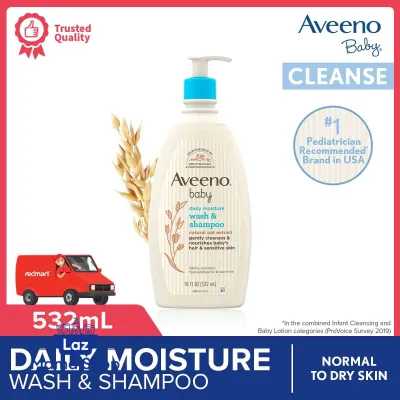
Prices are valid at publication and may change. Please refer to the product page for the latest price.
Because of this regulatory structure, baby bathing products sold in Singapore will not carry an official physical approval seal or logo from the HSA on their packaging. In fact, any product label that claims to be “HSA Approved” or “HSA Certified” is in violation of local advertising guidelines, as the authority does not endorse specific commercial brands. The absence of a seal does not indicate that a product is illegal or unsafe; rather, it highlights the caregiver’s role in actively verifying compliance through official channels.
To protect public health, the HSA relies on a robust post-market surveillance system. This involves conducting random product sampling, testing items for undeclared harmful substances or heavy metals, and monitoring adverse reaction reports submitted by healthcare professionals and consumers. If a product is found to cause skin irritation, contain banned ingredients, or fail safety standards, the HSA will issue public alerts and mandate immediate product recalls. Caregivers must therefore view regulatory compliance as an ongoing process of verification rather than a one-time stamp of approval.
Step-by-Step Guide to Verifying Product Safety and Compliance
To ensure a baby bathing brand meets local safety standards, caregivers can take several practical steps to independently verify a product’s compliance before purchasing. The first step is to carefully examine the physical product label. A legally compliant baby wash sold in Singapore must display essential information in English. This includes the full list of ingredients using their international nomenclature, the country of manufacture, the batch number or reference code, the expiry date or period-after-opening symbol, and the name and address of the local company responsible for importing or distributing the product.

Once you have the product details, you can cross-reference them with the HSA’s public register of notified cosmetic products. This database is accessible online through the official HSA portal. By entering the brand name, product name, or the name of the local notification holder, you can confirm whether the product has been legally declared to the authorities. If a brand or a specific product line does not appear in this database, it may not have undergone the mandatory notification process, indicating that it has entered the market through unregulated channels.
Recognizing red flags on product packaging and online listings is another vital skill for parents. Be highly skeptical of baby bathing products that make therapeutic or medical claims, such as promising to “cure eczema,” “heal skin infections,” or “provide absolute protection against bacteria.” Under cosmetic regulations, bathing products are intended solely for cleansing and maintaining the skin in good condition; they are not medicines. Any product making drug-like claims without being registered as a therapeutic product is a major red flag.
Additionally, caregivers should exercise caution when purchasing baby products from unofficial import channels, such as independent sellers on online marketplaces or social media platforms. These parallel imports may bypass local regulatory checks entirely. They run a higher risk of being counterfeit, expired, or stored in poor environmental conditions that compromise their safety. To minimize these risks, always purchase baby bathing products from reputable local retailers, official brand stores, or verified distributors who can confirm their HSA notification status.
Ingredients to Check and Avoid for Infant Skin
An infant’s skin barrier is significantly thinner, more permeable, and more sensitive than that of an adult. This makes babies highly susceptible to skin dryness, chemical absorption, and contact dermatitis. When evaluating baby bathing brands, reading and interpreting the ingredient list is one of the most effective ways to protect your child’s skin. Caregivers should actively look for and avoid harsh surfactants, specific preservatives, and synthetic fragrances that are known to cause irritation.
Harsh surfactants, such as Sodium Lauryl Sulfate (SLS) and Sodium Laureth Sulfate (SLES), are commonly used in cleansing products to create a rich lather. However, these ingredients can strip away the natural lipids and moisture from an infant’s skin, leading to severe dryness and irritation. Instead, look for gentle, plant-derived surfactants such as coco-glucoside, decyl glucoside, or lauryl glucoside, which cleanse the skin effectively without disrupting its natural moisture barrier.
Preservatives are necessary in water-based baby washes to prevent the growth of harmful bacteria and mold, but some preservatives are unsuitable for delicate infant skin. Avoid products containing parabens (such as methylparaben, propylparaben, or butylparaben), formaldehyde-releasing preservatives (like DMDM hydantoin or imidazolidinyl urea), and methylisothiazolinone (MIT). These substances have been identified as potential skin sensitizers and allergens. Safe alternatives include mild food-grade preservatives or organic acids, provided they are formulated within safe limits.
Synthetic fragrances and artificial colorants are among the most common triggers for pediatric skin allergies. Even products labeled as “unscented” may contain masking fragrances to cover up the chemical smell of raw ingredients. It is safer to opt for products explicitly labeled as “fragrance-free.” If botanical extracts are used, ensure they are gentle and soothing, such as calendula, chamomile, or colloidal oatmeal.
Regardless of how many “hypoallergenic,” “natural,” or “organic” claims are printed on a bottle, these terms are largely marketing descriptors and do not guarantee safety. Caregivers should always perform a patch test before introducing any new bathing product. Apply a small, dime-sized amount of the lathered wash to a small area of the baby’s skin, such as the inner arm or behind the ear, rinse it off, and monitor the area for 24 to 48 hours. If redness, swelling, or itching occurs, discontinue use immediately.
Assessing Niche Needs: Post-Swim Care and Brand Evaluation
Swimming is a popular and beneficial activity for infants in Singapore, but it introduces unique challenges for skin care. Swimming pool water is treated with chlorine and other chemical disinfectants to maintain hygiene, while natural sea water contains high concentrations of salt. Both chlorine and salt can cling to an infant’s skin and hair, stripping away natural oils and causing significant dryness, itching, and irritation if not thoroughly removed after swimming.
Standard baby washes are formulated for daily, gentle cleansing and may not always be effective at neutralizing or breaking down stubborn chlorine residue. This has led to the development of specialized post-swim baby care brands, such as Pout Care and its swimmer-focused product lines. These niche products are designed to target and remove pool chemicals while restoring moisture to the skin and hair. However, parents must evaluate these specialized brands with the same level of scrutiny as daily cleansers.
When assessing a niche post-swim brand, first verify that the specific product line has been properly notified with the HSA for sale in Singapore. Next, examine the ingredient list to ensure the chlorine-neutralizing agents are gentle and safe for infant use. Some specialized washes utilize natural chelating agents or antioxidants, such as vitamin C (ascorbic acid) or sodium thiosulfate, to neutralize chlorine safely. These should be paired with deeply hydrating ingredients like glycerin, aloe vera, or panthenol to replenish the skin’s moisture barrier immediately after exposure to pool water.
To determine whether a separate post-swim product is necessary for your baby, consider the following practical comparison checklist:
- Frequency of Swimming: If your baby swims occasionally, such as once a month, a thorough rinse with clean water followed by a standard, gentle baby wash and a generous application of moisturizer is usually sufficient. If your baby attends weekly swim lessons, a dedicated post-swim wash can help prevent cumulative chlorine buildup and dryness.
- Skin Sensitivity: Babies with pre-existing skin conditions like eczema or highly sensitive skin are more prone to "chlorine rash." For these infants, a specialized, ultra-gentle post-swim cleanser that avoids harsh sulfates and synthetic fragrances can be highly beneficial.
- Formulation Safety: Ensure that any post-swim wash you select is explicitly formulated and labeled for babies or young children. Avoid using adult-strength clarifying or chelating shampoos on infants, as these contain strong detergents that can severely damage their delicate scalp and skin.
Creating a Safe and Effective Bathing Routine
Selecting a safe, HSA-notified baby wash is only half the battle; establishing a proper bathing routine is equally important for maintaining your baby’s skin health. In Singapore’s warm and humid climate, many homes utilize air conditioning, which can dry out an infant’s skin. To prevent moisture loss, keep bath times short, ideally between 5 and 10 minutes. The water temperature should be lukewarm, matching the baby’s natural body temperature of approximately 37°C to 38°C. Always test the water with your elbow or a bath thermometer before placing your baby in the tub.
When applying baby wash, use only a small, dime-sized amount. Avoid applying the product directly to the baby’s skin. Instead, lather it gently in your hands or on a soft, clean washcloth first. Gently cleanse the baby’s body, paying close attention to areas where sweat, milk residue, and moisture accumulate, such as the neck folds, behind the ears, underarms, and the diaper area. Avoid scrubbing the skin, as friction can damage the fragile epidermal barrier.
Thorough rinsing is critical to prevent skin irritation. Ensure that all soapy residue is completely washed away with clean, warm water, as dried soap left on the skin can cause itching and flaking. After the bath, gently pat the baby’s skin dry with a soft, clean cotton towel rather than rubbing. To lock in hydration, apply a safe, fragrance-free baby moisturizer or lotion within three minutes of drying, while the skin is still slightly damp.
Caregivers must remain observant during and after bath time. If you notice any signs of an adverse skin reaction—such as sudden redness, hives, dry patches, scaling, or if your baby scratches or shows discomfort—stop using the product immediately. Rinse the baby’s skin thoroughly with plain, lukewarm water to remove any remaining product. If the reaction persists, worsens, or causes distress, consult a pediatrician or dermatologist promptly to identify the cause and receive appropriate medical guidance.
Frequently Asked Questions (FAQ)
Are all baby washes sold in local stores automatically HSA-compliant?
While reputable brick-and-mortar retailers in Singapore generally source their inventory from authorized distributors who comply with HSA notification requirements, compliance is not automatically guaranteed across all retail channels. Parallel imports, products sold by third-party merchants on online marketplaces, and items shipped directly from overseas sellers may bypass local regulatory checks. These products might not be notified with the HSA, meaning they have not been declared to local authorities and may not meet the safety standards required for the Singapore market. Caregivers should remain vigilant, purchase from trusted sources, and verify the physical label details and HSA notification status of any new baby wash.
What should I look for when buying post-swim baby care products?
When purchasing post-swim baby care products, look for gentle, infant-safe ingredients that specifically target chlorine removal, such as vitamin C (ascorbic acid) or mild plant-derived cleansers, rather than harsh chemical stripping agents. Avoid products that contain strong synthetic fragrances, sulfates, or parabens, which can exacerbate the drying effects of chlorine. Always verify that the product is explicitly labeled as suitable for infants or young children, and check that the local importer has submitted the mandatory cosmetic product notification to the HSA before using it on your baby.
Community discussion
Share your experience or ask a question. Comments are reviewed before publication.