
To ensure your child’s safety and remain compliant with local traffic laws, verifying the safety certifications of your Britax car seat is an essential step before hitting the road in Singapore. While Britax is a globally recognized brand known for its rigorous engineering, individual car seat models are manufactured to meet different regional standards. A seat purchased in one country may not automatically meet the legal requirements of another.
Verifying compliance involves physically inspecting the seat for specific international certification labels that are officially recognized by Singapore’s transport authorities. By understanding how these standards align with local regulations, you can confidently select, install, and maintain a car seat that provides legally compliant protection. This guide outlines the steps to locate these labels, interpret their codes, and ensure your child’s restraint remains safe throughout its usable lifespan.
Understanding Singapore's Legal Requirements for Child Restraints
In Singapore, road safety regulations mandate the use of approved child restraints to protect young passengers in vehicles. Under the Road Traffic Act, anyone under the height of 1.35 metres must be properly secured with an approved child restraint appropriate for their height and weight. This law applies to all private motor vehicles, making it critical for parents to understand what constitutes an “approved” system.
Products mentioned in this guide
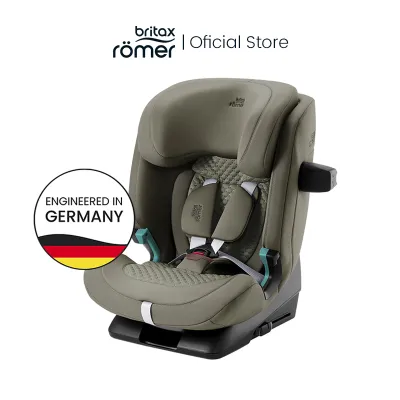
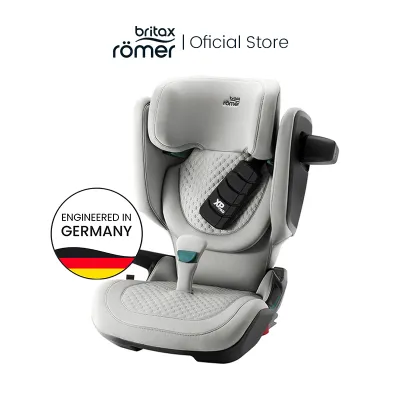
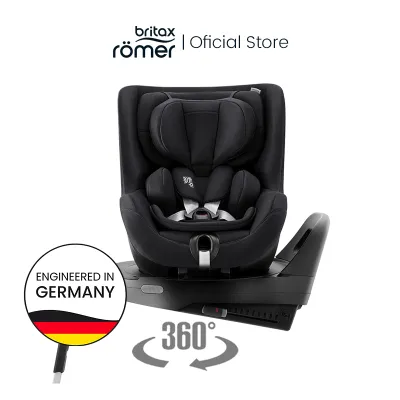
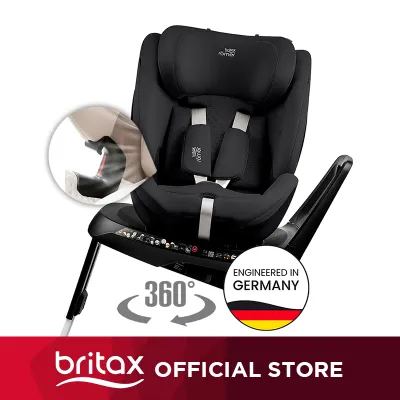
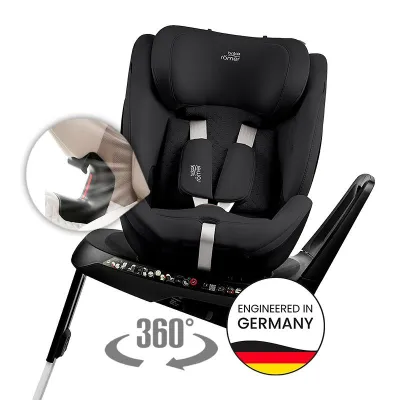
Prices are valid at publication and may change. Please refer to the product page for the latest price.
The Land Transport Authority (LTA) and the Traffic Police are the primary bodies regulating these requirements. Rather than establishing a unique manufacturing standard for Singapore, local authorities recognize several major international safety standards. This framework ensures that parents have access to high-quality, thoroughly tested seats from global markets without compromising on safety.
To navigate these requirements, parents can access the most current official guidelines directly through the LTA website or official Traffic Police publications. These resources list the specific foreign standards that are legally accepted on local roads. Using a seat that does not carry one of these recognized certification marks is a traffic offense and, more importantly, leaves your child without verified protection.
The legal distinction between approved international standards and uncertified alternatives is stark. Approved seats have undergone rigorous dynamic crash testing, material strength evaluations, and flame-retardancy checks. Uncertified seats, often sold at lower prices on online marketplaces, lack this verification and may fail catastrophically during a collision. Ensuring your seat carries a recognized label is the only way to guarantee it meets these baseline safety thresholds.
How to Locate and Read Certification Labels on Britax Car Seats
Every compliant Britax car seat features physical labels that indicate its safety certifications, manufacturing date, and model details. These labels are designed to withstand wear and tear, but you must know where to look to find them. They are typically located on the underside of the seat base, the back of the plastic shell, or stitched into the fabric cover near the harness straps.

When inspecting a Britax seat, you will generally find one of two primary types of certification labels, depending on the market for which the seat was manufactured. European-certified seats feature a highly visible orange sticker, while American-certified seats typically feature a white label with black text. These labels contain crucial alphanumeric codes and symbols that define the seat’s compliance status.
On European-certified Britax seats, look for the “E-mark” label, which includes a circle containing the letter “E” followed by a number (which indicates the country that granted approval). Below this, you will find the specific regulation standard, such as UN ECE R44/04 or UN ECE R129 (also known as i-Size). The label also specifies the weight or height range for which the seat is approved, along with a unique serial number.
For American-certified Britax seats, the label will explicitly state compliance with the Federal Motor Vehicle Safety Standard 213 (FMVSS 213). This label outlines the weight and height limits in both pounds and kilograms, alongside manufacturing details. It is important to locate this specific text, as it serves as your proof of compliance during vehicle inspections or inquiries.
Once you locate the physical label, cross-reference the information with the product manual and the manufacturer’s official specifications. The manual will detail the approved installation configurations for that specific certification. If the physical label is missing, defaced, or appears to be a replica, do not use the seat, as its safety pedigree and legal compliance cannot be verified.
Aligning International Safety Standards with Local Regulations
Singapore’s regulatory framework accepts several international safety standards, allowing parents to use seats certified in major global markets. The most common standards recognized locally include the European Union standards (UN ECE R44/04 and R129), the United States standard (FMVSS 213), the British standard (BS 5654), the Australian standard (AS/NZS 1754), and the Japanese standard (JIS D0401).
When comparing these standards, it is helpful to understand their testing protocols. For instance, the European UN ECE R129 standard is height-based and includes mandatory side-impact testing, whereas the older R44/04 standard is weight-based. The American FMVSS 213 standard utilizes different chest clip configurations and latch systems. While the testing methodologies differ, both frameworks are highly respected and legally accepted in Singapore.
However, buying a Britax seat overseas or from an unauthorized parallel importer carries compliance risks. A seat designed for the North American market may require a top tether anchor point that your vehicle in Singapore does not possess. Similarly, some Australian-certified seats require unique upper tether anchorages that are uncommon in local car models. If you cannot install the seat exactly as its certification requires, it ceases to be compliant or safe.
If you find yourself with a Britax car seat where the certification label is faded, peeling, or completely missing, you must take immediate action before using it. Start by locating the white manufacturer’s tracking label, which is separate from the certification sticker and contains the model number and date of manufacture. Contact the authorized Britax distributor in Singapore or the global customer service team with these details.
The manufacturer can often provide a digital copy of the compliance certificate or verify the seat’s specifications based on the serial number. If the seat’s origin and certification status cannot be verified through official channels, the seat should be replaced. Operating a vehicle with an unverified child restraint exposes you to legal liabilities and puts your child at risk.
Maintaining Safety and Compliance Throughout the Seat's Lifespan
A safety certification is not a permanent guarantee of performance; it is only valid if the seat is installed correctly, used within its specified limits, and kept in good structural condition. Even the most highly certified Britax seat cannot protect a child if the installation is flawed or if the seat has degraded over time.
Correct installation is the foundation of car seat safety. When installing your Britax seat, you must verify the anchorage system used. Whether you are utilizing the vehicle’s ISOFIX anchor points or threading the three-point seat belt, the seat must be secured tightly. A properly installed seat should not move more than 2.5 centimetres in any direction when pulled at the belt path.
In addition to secure anchorage, you must monitor your child’s physical development to ensure they remain within the seat’s certified limits. Every car seat has strict weight, height, and age thresholds printed on its compliance label. Transitioning a child to a forward-facing seat or a booster seat too early reduces the effectiveness of the restraint system. Always refer to the manufacturer’s guidelines to determine the precise moment for a transition.
Several conditions can immediately invalidate a car seat’s safety certification and compromise its structural integrity:
- Material Expiration: Car seats have expiration dates, typically ranging from six to ten years from the date of manufacture. In Singapore's tropical climate, high temperatures and humidity inside parked vehicles can accelerate the degradation of the plastic shell and harness fibers. Check the user manual or the underside of the seat for the expiration details.
- Prior Accidents: Any moderate to severe collision can introduce microscopic fractures in the plastic or stretch the internal webbing. Once a seat has been involved in an accident, its original safety certification is void, and it must be replaced.
- Unauthorized Modifications: Using aftermarket accessories, such as non-approved seat covers, thick harness pads, or head support pillows, can interfere with the harness tension and seat performance. Only use accessories that have been crash-tested and approved by Britax for your specific model.
Frequently Asked Questions (FAQ)
Can I use a Britax car seat bought overseas in Singapore?
Yes, you can use an overseas-purchased Britax car seat in Singapore, provided its specific certification standard is officially recognized by the Land Transport Authority (LTA). Before using the seat, you must physically inspect it to confirm it carries a recognized label, such as the European UN ECE mark or the American FMVSS 213 sticker.
Additionally, you must ensure that the overseas model is fully compatible with your vehicle’s anchorage systems. For example, US models often rely on the LATCH system, while European models utilize ISOFIX. If your vehicle lacks the necessary anchor points or top tether routing required by the overseas seat’s manual, you cannot install it safely or legally on Singapore roads.
What should I do if my Britax car seat has been in a minor accident?
If your Britax car seat has been involved in any vehicle collision, you should consult the specific product manual regarding post-crash replacement. Most manufacturers, including Britax, recommend replacing a car seat after any moderate or severe accident, as the forces involved can cause unseen structural damage to the plastic shell and webbing.
Even in minor low-speed fender benders, the integrity of the seat may be compromised in ways that are not visible to the naked eye. Using a structurally compromised seat invalidates its safety certification and significantly reduces its ability to protect your child in a subsequent impact. Contact your insurance provider to see if car seat replacement is covered under your policy.
Community discussion
Share your experience or ask a question. Comments are reviewed before publication.