
Selecting a safe sleeping environment for your newborn is one of the most critical decisions you will make as a parent in Singapore. While a bassinet offers a cozy, space-saving solution perfect for local apartments, ensuring it meets rigorous safety standards is paramount to protecting your baby during their most vulnerable months. To secure a safe sleep space, you must know how to verify local regulatory compliance, identify recognized international safety certifications, and perform hands-on physical inspections before bringing any product home.
Understanding Bassinet Safety Regulations in Singapore
In Singapore, consumer product safety is overseen by the Consumer Product Safety Office (CPSO), an agency under Enterprise Singapore. The CPSO categorizes consumer products into controlled and non-controlled goods. While some nursery items are strictly controlled, many bassinets fall under general consumer product safety requirements, meaning they must be safe for their intended use and comply with international safety standards.
To verify a product’s standing, you should regularly consult official consumer product safety portals. These platforms provide updated lists of regulated goods, safety alerts, and product recalls. When shopping online or in physical boutiques, do not rely solely on a retailer’s verbal assurances. Instead, ask for documentation proving that the product has been imported through authorized channels and complies with local safety guidelines.
Products mentioned in this guide
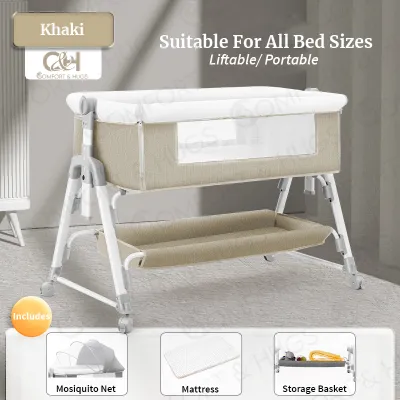
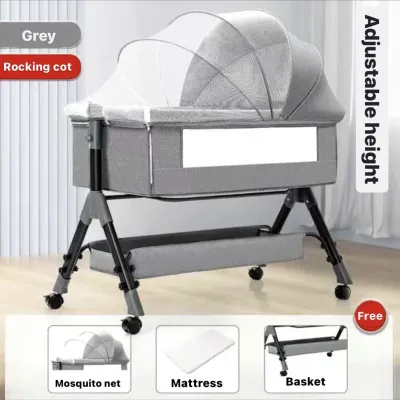
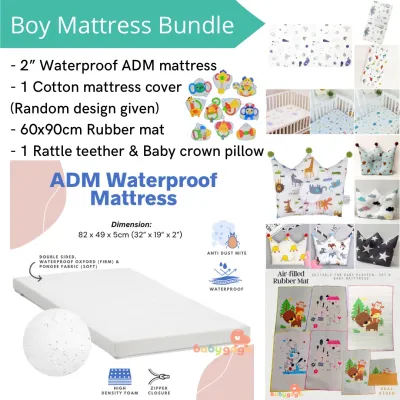
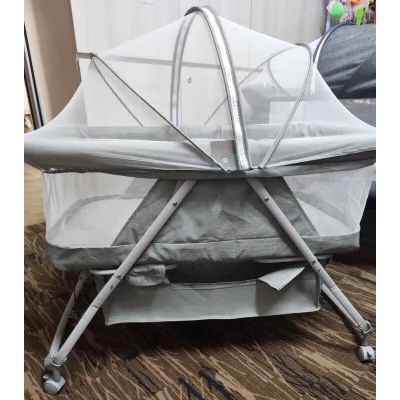
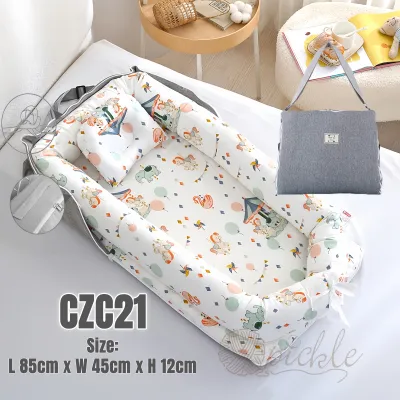
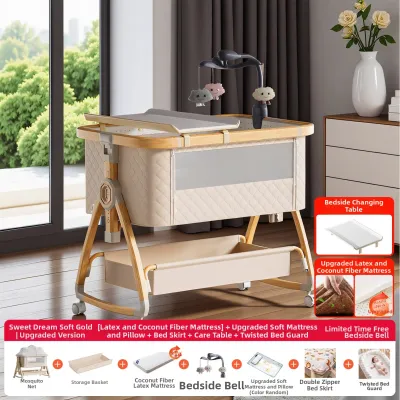
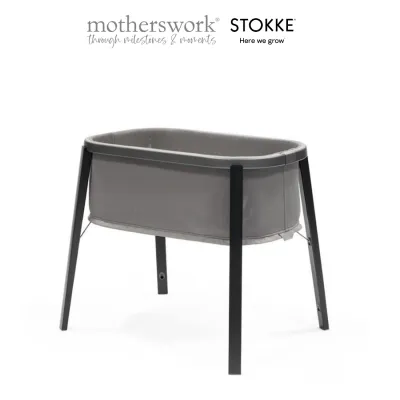

Prices are valid at publication and may change. Please refer to the product page for the latest price.
Be particularly cautious when purchasing from online marketplaces or parallel importers, as these products may bypass local safety checks. It is vital to distinguish between legally mandated safety marks and voluntary manufacturer testing claims. A registered safety mark indicates that a product has undergone specific, mandatory testing for the local market. On the other hand, voluntary claims or self-certifications are initiated by the manufacturer and require independent verification. Always cross-reference these claims with official databases or request the manufacturer’s compliance certificates to ensure your baby’s sleep space is genuinely secure.
Essential Physical Safety Checks Before Buying a Bassinet
A hands-on inspection is one of the most reliable ways to evaluate a bassinet’s structural integrity before making a purchase. Start by examining the mattress. The mattress must be exceptionally firm and flat; it should not conform to the shape of your baby’s head or body. Press down on the surface to ensure it springs back immediately. Additionally, check the fit of the mattress within the bassinet frame. There should be no gaps wider than two fingers—approximately three centimeters—between the edge of the mattress and the side walls. Any larger gap poses a serious entrapment hazard for a sleeping infant.

Next, evaluate the side walls and overall structural stability. The walls of the bassinet should be high enough to prevent an active baby from leaning over or falling out. If the sides are made of fabric or mesh, ensure the material is tightly stretched, breathable, and securely attached to the frame. The mesh should be fine enough to prevent tiny fingers or buttons from getting caught. Inspect the entire unit for sharp edges, exposed metal joints, splintered wood, or peeling paint. Ensure there are no small, detachable parts, loose screws, or decorative elements that a baby could accidentally swallow or choke on.
If you are considering a model that folds, rocks, or features wheels, pay close attention to the locking mechanisms. Folding bassinets must have secure, secondary locking systems that prevent the frame from collapsing unexpectedly while the baby is inside. For rocking bassinets, look for a reliable lock that can disable the rocking motion completely when the baby is sleeping unsupervised. Wheeled models must feature robust, easy-to-operate brakes on all wheels to prevent the bassinet from drifting or moving across the room during the night.
How to Read Manufacturer Labels and Certification Marks
Manufacturer labels and instruction manuals contain critical safety information that you must read and follow meticulously. Every reputable bassinet will feature a permanently attached label stating the maximum weight limit and specific developmental milestones for safe use. These limits are not mere suggestions; they are engineered boundaries designed to prevent structural failure or tipping. Always verify these specifications against your baby’s current weight and physical abilities before placing them in the sleep space.
When reviewing product packaging and manuals, look for recognized international testing standard logos. Because Singapore accepts several highly respected global standards, you will often see certifications such as the European Standard (EN 1130) or the American Standard (ASTM F2194). These codes indicate that the bassinet has undergone rigorous mechanical, chemical, and stability testing. Cross-reference these logos with the details provided in the user manual, and do not hesitate to contact the manufacturer or distributor if the certification details seem vague or missing.
Additionally, check the label for the date of manufacture. Safety standards evolve over time, and an older model may not meet the most current safety requirements. A safe bassinet must also come with clear, step-by-step assembly instructions and prominent warning labels. These warnings typically highlight the risks of suffocation, entrapment, and falls, providing clear instructions on how to avoid them. If a product lacks a comprehensive manual or features poorly translated, ambiguous warnings, treat this as a significant red flag. Proper assembly is crucial; even the highest-quality bassinet can become hazardous if a single screw or bracket is installed incorrectly.
Safe Sleep Setup and When to Stop Using the Bassinet
Even the most certified, structurally sound bassinet requires a safe setup to protect your baby. The golden rule of infant sleep is to keep the sleep surface completely bare. This means you must never place loose blankets, pillows, quilts, bumper pads, or soft toys inside the bassinet. While these items may look comforting, they present severe suffocation and entrapment risks. Instead, dress your baby in a well-fitting sleep sack or swaddle appropriate for Singapore’s warm, humid climate, and ensure the room is kept at a comfortable temperature with adequate ventilation.
Where you place the bassinet in your home also impacts safety. If you are room-sharing, position the bassinet away from windows, dangling blind cords, electrical wires, or heaters. Ensure there are no shelves or wall decorations directly above the bassinet that could fall. Keeping the sleep space clear of external hazards is just as vital as maintaining a bare mattress inside the unit.
Knowing when to transition your baby from a bassinet to a full-sized crib is just as important as the initial setup. Bassinets are temporary sleep solutions designed only for the earliest stages of infancy. You must stop using the bassinet immediately when your baby reaches the manufacturer’s stated weight limit, or when they achieve specific developmental milestones. If your baby begins to roll over, push up on their hands and knees, or sit up independently, they can easily tip the bassinet or climb over the sides. Transitioning to a crib at this point is essential for their safety.
Finally, make regular maintenance inspections a part of your routine. Over weeks of daily use, screws can loosen, fabric can wear, and locking joints can accumulate dust or fibers. Periodically check the entire frame for any structural play or wobbling. Inspect the fabric or mesh for tears or fraying that could compromise its strength or create a strangulation hazard. If you detect any damage, loose hardware, or malfunctioning locks, discontinue use immediately and consult the manufacturer for authorized replacement parts or repair guidance.
Frequently Asked Questions (FAQ)
Are second-hand bassinets safe to use?
Using a pre-owned bassinet carries inherent risks that require careful evaluation. Before accepting or purchasing a second-hand model, you must thoroughly inspect it for structural wear, fabric degradation, and missing hardware. Ensure the original manufacturer’s user manual is included so you can verify the assembly steps, weight limits, and safety warnings. Check online recall databases to confirm the specific model has not been recalled due to safety hazards. If the bassinet is older, it may not comply with current international safety standards, such as EN 1130 or ASTM F2194. Even if the frame is sturdy, it is highly recommended to purchase a brand-new mattress to ensure optimal firmness and hygiene. If you cannot verify its history, safety compliance, or structural integrity, it is safer to opt for a new, certified model.
Do all bassinets require a specific safety mark to be sold?
In Singapore, not all baby furniture categories are classified as controlled goods that require a mandatory local safety mark before retail sale. However, all products sold in the local market are subject to general consumer product safety regulations enforced by the Consumer Product Safety Office (CPSO). Retailers have a legal responsibility to ensure the products they supply are safe and fit for purpose. To protect your baby, look for bassinets that voluntarily demonstrate compliance with recognized international standards like EN 1130 or ASTM F2194, and verify these claims by checking the product labels and official manufacturer documentation.
When should I stop using a bassinet and move my baby to a crib?
You should transition your baby to a full-sized crib as soon as they reach the manufacturer’s maximum weight limit or show signs of physical mobility. Key developmental milestones that serve as immediate stop-use triggers include rolling over, pushing up on hands and knees, or attempting to pull themselves up. Even if your baby has not reached the weight limit, these physical movements change their center of gravity, making a shallow bassinet prone to tipping or allowing the baby to fall over the sides. Regularly monitor your baby’s growth and developmental progress to ensure a timely and safe transition.

Community discussion
Share your experience or ask a question. Comments are reviewed before publication.