
When preparing your nursery, selecting a safe sleeping space is one of the most critical decisions you will make. In Singapore, the regulatory landscape for nursery furniture focuses on general consumer protection rather than a single, mandatory domestic safety mark exclusive to baby cots. The Consumer Product Safety Office (CPSO), an agency safeguarded under Enterprise Singapore, oversees the safety of general consumer goods. While certain household appliances require the distinctive blue “Safety Mark,” nursery items like a crib for baby fall under the Consumer Protection (Safety Requirements) Regulations. This framework requires suppliers to ensure that any product sold in the local market is safe for its intended use and meets recognized international safety benchmarks.
Because there is no singular local certification stamp for furniture, the responsibility of verifying safety often rests on the consumer’s ability to read product labels and documentation. When shopping for a crib in Singapore, parents should look for official importer labels, clear English user manuals, and comprehensive warranty documentation. These elements indicate that the product has been legally imported and distributed through authorized channels that comply with local consumer protection laws. Buying directly from authorized retailers, official brand stores, or established local distributors ensures that the crib has not been altered, tampered with, or damaged during transit, and that you have recourse to valid customer support and safety recalls.
Understanding Singapore's Consumer Safety Framework for a Crib for Baby
To ensure a crib for baby meets the highest safety standards, reputable manufacturers design their products to comply with established international frameworks. These standards are rigorous, involving extensive laboratory testing to simulate years of wear, pressure, and potential hazards. When examining a crib, whether online or in a physical showroom, you should locate the product’s compliance tags, safety labels, or the technical specifications section of the user manual. These documents should explicitly cite compliance with at least one of the major global safety standards.
Products mentioned in this guide
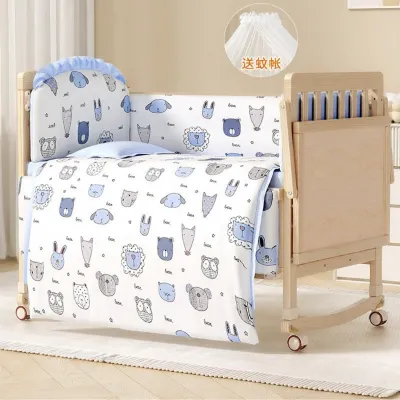
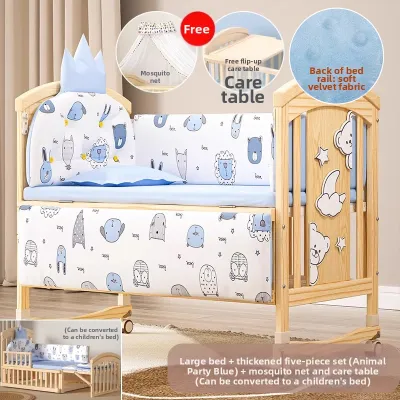
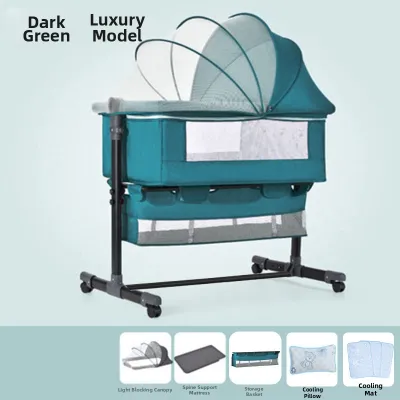
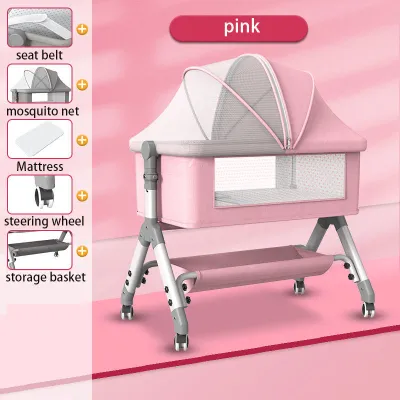
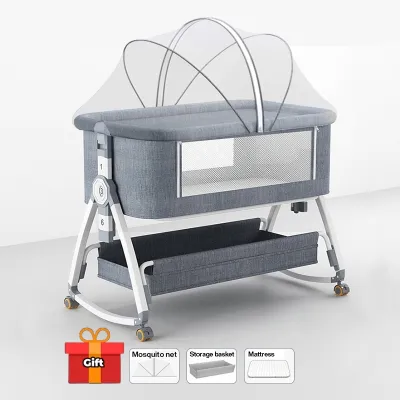
![[SG Stock]Brotish Multifunctional 2 Layer Portable Infant Baby Cot Playpen Travel Cot Bed Double-deck Playpen Sleep Bed](https://img.lazcdn.com/g/p/1d2300a4ca5dde51839ac1a460f68d97.jpg_400x400q80.jpg_.webp)
![[SG SELLER] COCOBABY Multifunctional Double-deck Rollaway Play Bed Playards Playpen Portable Baby Cribs Travel Folding Newborn Infant Kids Sleep Bed Installation free with Diaper changing table/Toy rack](https://img.lazcdn.com/g/p/bf8e2e27adf9d0291fb23354d52a0d4a.jpg_400x400q80.jpg_.webp)
Prices are valid at publication and may change. Please refer to the product page for the latest price.
The most common international standards you will encounter in Singapore’s retail market include:
- European Standard (EN 716-1 / EN 716-2): This standard specifies safety requirements and test methods for children's cots and folding cots for domestic use. It is highly common among European brands sold locally.
- American Standard (ASTM F1169): Developed by the American Society for Testing and Materials, this standard outlines strict structural safety specifications for full-size baby cribs.
- Australian/New Zealand Standard (AS/NZS 2172): This framework is widely respected across the Asia-Pacific region and enforces stringent guidelines on timber quality, joint strength, and overall stability.
These international certifications do not merely look at the overall aesthetic of the furniture; they test specific engineering details. They verify that the slat spacing is safe, the mattress support can withstand sudden impacts, the materials used are structurally sound, and all paints, stains, or plastic components are free from toxic levels of heavy metals like lead.
To verify these claims, do not rely solely on vague marketing terms such as “safety approved,” “certified non-toxic,” or “pediatrician recommended.” These phrases are frequently used as promotional tools without independent verification. Instead, look for the specific standard code (such as EN 716) printed directly on a permanent label on the crib frame—usually on the inside of an end panel or on the mattress base. For absolute peace of mind, note the exact model number and manufacturing batch code, and cross-reference them on the manufacturer’s official website or contact their customer service department to request a copy of the independent laboratory test report from certified testing bodies.
How to Identify and Verify International Safety Certifications on Crib Labels
While paper certifications provide a baseline of trust, performing a physical inspection of the crib is an invaluable step to protect your child. Whether you are evaluating a display model in a Singapore showroom or assembling a newly purchased unit at home, you should systematically check the physical safety features of the frame. Always refer to the manufacturer’s assembly instructions first, as improper setup can compromise even the safest certified crib.

Slat Spacing and Integrity
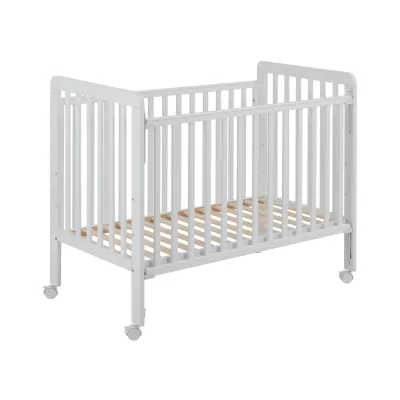
The distance between the vertical slats of the crib must be narrow enough to prevent an infant’s head, limbs, or torso from becoming trapped. The standard safety limit across major international frameworks is a maximum gap of 60 mm (6 cm). If you do not have a measuring tape on hand while shopping, a practical in-store reference is a standard soft drink can, which has a diameter of approximately 66 mm. If the can can easily pass through the slats, the gap is too wide, and the crib poses an entrapment hazard. Additionally, press firmly on individual slats to ensure they are rigid and securely fixed; they should not bend, twist, or pull out of their sockets under pressure.
Mattress Fit and the Two-Finger Rule
A mattress that does not fit perfectly inside the crib frame creates dangerous gaps where a baby can slip and become trapped, posing a severe risk of suffocation. To check this, place the mattress flat on the crib base and perform the “two-finger rule.” Try to slide your index and middle fingers between the edge of the mattress and the inner side of the crib frame. If you can easily insert more than two fingers (a gap larger than approximately 3 cm), the mattress is too small for that specific crib model. The mattress must fit snugly with minimal movement.
Hardware, Joints, and Finishes
Run your hands along all wooden and plastic surfaces to check for sharp edges, splinters, or rough patches. All screws, bolts, and brackets must sit completely flush with the frame; protruding hardware can catch on a baby’s clothing, sleep sack, or pacifier ribbon, leading to injury or strangulation. Shake the crib gently to assess its overall stability. The joints must feel completely solid with no wobble. Because Singapore’s tropical climate features high relative humidity, wood can naturally expand, contract, or warp over time. This environmental factor makes it crucial to inspect wooden joints periodically and tighten any hardware according to the manufacturer’s specifications. Furthermore, verify that the wood finish, paint, or varnish is explicitly certified as non-toxic, lead-free, and phthalate-free, as babies frequently chew on crib rails when teething.
Drop-Side Mechanisms
Traditional drop-side cribs, which allow one side of the frame to slide downward, have been linked to severe accidents worldwide due to hardware warping, plastic degradation, or assembly errors that create a gap between the mattress and the loose side. Consequently, many modern safety standards have banned or heavily restricted these designs. For maximum structural integrity and long-term safety, it is highly recommended to choose a fixed-side crib. If you choose a model with a moving side, ensure it features a modern, certified double-action lock mechanism that cannot be accidentally released by a child or simple pressure, and check the mechanism frequently for wear.
Corner Posts and Cutouts
Examine the top corners of the crib frame. The corner posts should sit virtually flush with the end panels, extending no more than 1.5 mm above them. If corner posts extend higher, they present a dangerous snagging hazard for clothing. The only exception is if the posts are designed to support a canopy and extend high above the child’s reach (typically over 406 mm). Additionally, inspect the headboard and footboard for decorative cutouts. A safe crib should have solid panels or simple vertical slats; any decorative cutouts or open designs in the wood can trap a baby’s head or limbs and must be avoided.
Essential Physical Safety Checks You Can Perform In-Store or at Home
Even the most rigorously certified crib can become unsafe if it is set up incorrectly or used outside its design boundaries. Maintaining a safe sleep environment requires ongoing vigilance as your baby grows and develops new motor skills. Always consult your specific product’s user manual for weight limits, age recommendations, and safety warnings.
Mattress Height Adjustments
Most high-quality cribs offer adjustable mattress base heights, typically featuring two or three levels. The highest setting is designed strictly for newborns who cannot yet roll over, making it easier for parents to lay them down. However, you must lower the mattress base to the middle setting as soon as your baby shows any signs of rolling over, pushing up on their hands and knees, or sitting up. Once your baby can sit independently, pull themselves up to a standing position, or reaches a height of 89 cm, the mattress base must be moved to its lowest setting. This prevents the child from shifting their center of gravity over the top rail and accidentally falling out of the crib.
Maintaining a Clear Sleep Environment
To minimize the risk of suffocation, entrapment, and Sudden Infant Death Syndrome (SIDS), the interior of the crib must remain completely bare. Do not place pillows, quilts, heavy blankets, sheepskins, stuffed toys, or positioners inside the crib. Although bumper pads are widely sold, safety experts strongly advise against them; they pose a suffocation risk and, as your baby grows, can be used as a step to help them climb out of the crib. The only items in the crib should be a firm, flat mattress covered by a tight-fitting fitted sheet, and your baby dressed in a suitable sleep sack or swaddle.
Strategic Crib Placement
The location of the crib within the room is just as important as its internal setup. Position the crib well away from windows. Dangling cords from window blinds, curtains, or shades represent a severe, immediate strangulation hazard. Additionally, ensure the crib is out of reach of electrical outlets, baby monitor power cords, wall heaters, and any heavy wall decorations, shelves, or framed pictures that could potentially fall into the sleeping area during an earthquake or due to loose wall fixings.
Stop-Use and Transition Indicators
A crib is a temporary sleep solution. You must monitor your child’s height and physical abilities to determine when they have outgrown the space. Stop using the crib and transition your child to a toddler bed, floor bed, or single mattress on the floor when they reach a height of 89 cm, when the height of the side rail is less than three-quarters of their height, or as soon as they attempt to climb out of the crib, whichever milestone occurs first. Continuing to use the crib past these limits introduces a severe risk of fall-related injuries.
Safe Setup and Usage Boundaries to Prevent Sleep Accidents
To maintain the safety profile of your nursery furniture, always follow the manufacturer’s guidelines regarding weight limits, assembly steps, and usage boundaries. If you notice any structural instability, loose fittings that cannot be tightened, or damage to the frame, discontinue use immediately and consult the manufacturer or a qualified professional for replacement parts.
Frequently Asked Questions (FAQ)
Are second-hand or hand-me-down baby cribs safe to use?
Using a second-hand or hand-me-down crib carries inherent risks that can compromise your baby’s safety. Older models may comply with outdated safety standards, suffer from structural degradation, or have missing hardware that the previous owner replaced with non-standard parts. Singapore’s high humidity can also cause wood to rot or weaken joints over time. If you choose to use a second-hand crib, perform a strict inspection: verify it is less than ten years old, has a visible international safety certification tag, possesses all original manufacturer parts, and is a fixed-side model. Always search online recall databases (such as the Consumer Product Safety Office in Singapore or global safety portals) using the exact model and batch number before assembly, and download the original manufacturer’s manual to ensure correct setup.
Do bedside sleepers and bassinets follow the same safety standards as full-size cribs?
No, bedside sleepers, bassinets, and Moses baskets do not follow the same safety standards as full-size cribs. Because of their portable nature, compact size, and specific attachment mechanisms, they are regulated under separate international frameworks (such as EN 1130 or ASTM F2194). These products have much lower weight limits (typically up to 9 kg) and are designed strictly as temporary, early-stage sleep solutions. You must check the specific manufacturer guidelines, weight limits, and safety tags for these alternative products. They are not direct, long-term substitutes for a full-size crib for baby and must be discontinued immediately once your baby begins to roll over, push up on their hands and knees, or reaches the manufacturer’s specified weight or height limit.
Community discussion
Share your experience or ask a question. Comments are reviewed before publication.