
To verify if a baby cot brand’s safety claims are genuine, you must look past marketing slogans and actively cross-reference their certification claims with official testing databases, request physical copies of recent laboratory test reports, and inspect the physical product for mandatory compliance labels. Relying solely on promotional descriptions on ecommerce platforms can expose your infant to structural failures, toxic finishes, or entrapment hazards. Taking a systematic approach to verification before completing your purchase is a reliable way to ensure your baby’s sleep environment meets established safety standards.
Why Verifying Baby Cot Safety Claims Matters
A baby cot is one of the few nursery items where an infant is left unattended for long periods, making its structural integrity a critical safety factor. If a cot’s safety claims are unverified, you risk exposing your child to hazards that are not immediately visible to the untrained eye. For instance, poor-quality adhesives or weak hardware can degrade rapidly under humid conditions, leading to sudden joint failures.
When a baby cot lacks genuine safety testing, the physical risks to an infant are substantial. Structural weaknesses can lead to collapsed slats, loose joints, or drop-side failures that risk trapping a child. Furthermore, incorrect spacing between slats or an improper mattress fit can create dangerous gaps where an infant’s head or limbs can become wedged.
Products mentioned in this guide
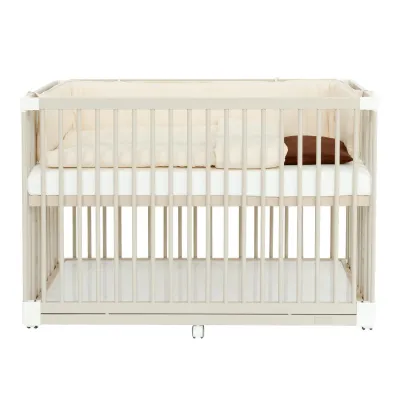
![[Jarrons & Co] Happy Dream 4-in-1 Convertible Baby Cot (Free Delivery Installation Teething Rail Side Guard & Mosquito Net)](https://img.lazcdn.com/g/p/1fa2fe8c6ca9054589090bd9450eb2ac.png_400x400q80.png_.webp)
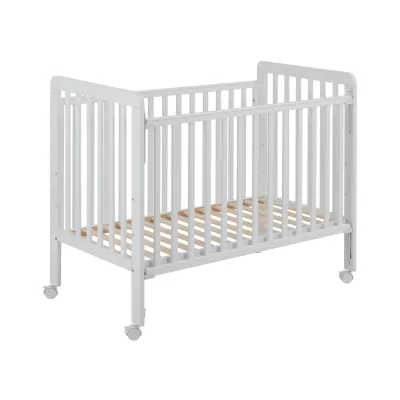
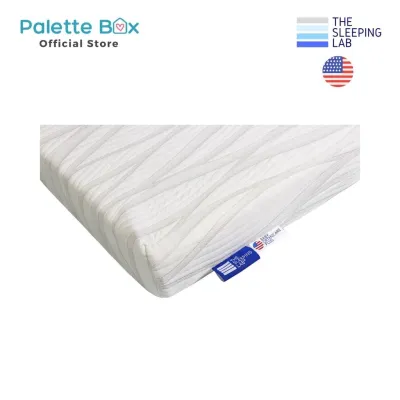
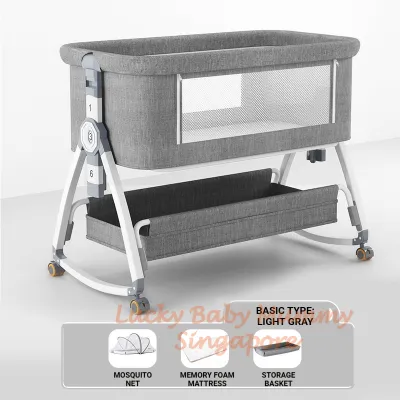
![[SG Stock]Brotish Multifunctional 2 Layer Portable Infant Baby Cot Playpen Travel Cot Bed Double-deck Playpen Sleep Bed](https://img.lazcdn.com/g/p/9306630fe674b3e82e74c940f19a16cd.jpg_400x400q80.jpg_.webp)
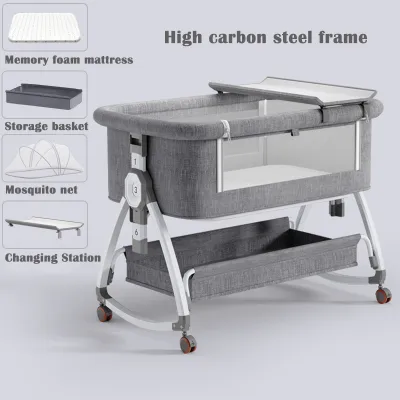
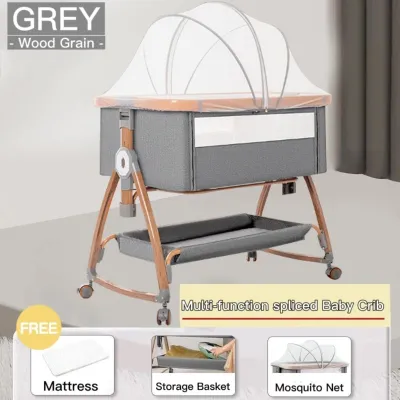
Prices are valid at publication and may change. Please refer to the product page for the latest price.
Material safety is equally critical, as finishes and paints on unverified furniture may contain elevated levels of lead, volatile organic compounds (VOCs), or other harmful chemicals that a teething baby might ingest. Deceptive marketing practices sometimes exploit loopholes by displaying generic safety logos or referencing outdated standards that no longer reflect current safety protocols. By failing to verify these claims, parents may unknowingly purchase products that bypass essential mechanical and chemical testing, prioritizing aesthetic appeal over structural integrity.
Red Flags: Spotting Fake or Exaggerated Safety Certifications
Recognizing the warning signs of fraudulent safety claims is the first line of defense when shopping for nursery furniture. One of the most common red flags is the use of vague, non-specific terminology. If a product listing claims a cot is “fully certified” or “tested to international standards” without naming the exact standard code—such as EN 716 for Europe or ASTM F1169 for the United States—the claim is highly suspect.

Another warning sign is the physical state of the compliance labels on the cot itself. Genuine safety labels are typically permanent, clear, and securely affixed to an inconspicuous part of the frame, such as the inner headboard or the base of the mattress support. If the warning tags are missing, blurry, poorly printed, or easily peeled off, the product may be a counterfeit or may not have undergone formal factory inspections.
A reputable manufacturer or distributor should always be willing and able to provide documentation upon request. If a seller hesitates, refuses, or claims that their test reports are proprietary trade secrets that cannot be shared with consumers, you should assume the safety claims are unverified. Legitimate brands readily share their certificate numbers and test summaries to build trust with parents.
Step-by-Step Guide to Authenticating Safety Claims
To ensure a baby cot is truly safe, you can follow a structured verification process before spending your money. Start by asking the seller or manufacturer for the specific safety standard compliance certificate and the corresponding test report number. Once you have this information, you can cross-reference the details with official national or international safety databases. Many testing bodies maintain public online registries where you can input a certificate number to verify its validity and active status.
When you receive a copy of the test report, examine the document carefully to ensure it matches the exact model name and specifications of the cot you intend to buy. It is common for unscrupulous sellers to present a valid test report for a completely different model or an older version of the cot that has since undergone design changes. Check that the report is relatively recent, ideally within the last few years, and that the testing was conducted by an accredited, independent third-party laboratory rather than an in-house facility.
Additionally, look for mandatory local safety marks or compliance labels required for nursery furniture in your region. Inspect the product description or physical item for these localized indicators, which demonstrate that the importer or manufacturer has legally registered the product and declared its compliance with regional safety laws.
When conducting a physical check, you can measure key dimensions yourself. For example, the distance between the slats should not exceed 6 centimetres to prevent a baby’s head from slipping through. The distance from the top of the mattress support in its lowest position to the top of the cot side should be deep enough to prevent an older, mobile infant from climbing or falling out. Always consult the specific product documentation to verify the recommended age, weight, and size ranges, as well as the correct method of assembly and caregiver supervision requirements.
Choosing Reliable Purchase Channels for Baby Cots
Where you buy your baby cot plays a significant role in the authenticity of its safety claims. Purchasing directly from official brand stores, authorized specialty nursery retailers, or established department stores greatly reduces the risk of acquiring a sub-standard or counterfeit product. These reputable channels maintain strict supply chain controls and typically require manufacturers to submit comprehensive compliance documentation before their products are allowed on the shelves.
Conversely, buying from unverified third-party sellers on open online marketplaces or informal social media groups carries a much higher risk. These platforms often host overseas sellers who may not be subject to local consumer protection laws, making it difficult to hold them accountable if a product fails or features falsified safety labels.
Before completing your checkout, especially when shopping online, take a moment to verify the seller’s credentials. Look for authorized distributor badges, read customer reviews specifically focusing on build quality and packaging, and use the platform’s messaging tool to ask direct questions about safety certifications. If the seller cannot provide clear, prompt, and documented answers, it is safer to look for another source.
What to Do If You Suspect False Safety Claims
If you have already purchased or inspected a baby cot and suspect that its safety certifications are fraudulent, you must take immediate action to protect your child. First, halt use of the cot immediately if you have any doubts about its structural stability, slat spacing, or material safety. Secure your baby in a known safe sleep environment, such as a compliant playpen or bassinet, while you investigate further. If you observe any structural wobbling, loose hardware, or splintering wood during daily use, stop using the cot immediately and consult a qualified professional or the manufacturer for guidance.
Next, contact the seller or the ecommerce platform where you made the purchase. Present your findings, such as a mismatched certificate number or a lack of mandatory warning labels, and request a formal explanation, a return, or a full refund. Reputable platforms often have buyer protection policies that cover items with misleading descriptions or safety hazards.
Finally, report the suspected fraudulent claims to your local consumer protection or product safety authorities. Providing these agencies with the product details, seller information, and copies of the misleading advertisements helps protect other families from potential hazards and holds dishonest merchants accountable.
Frequently Asked Questions (FAQ)
Can I trust a baby cot if it has an international mark but no local certifications?
International safety marks, such as the European CE mark or ASTM certification, indicate that a product was designed to meet rigorous standards in other jurisdictions. However, you must still verify that these marks are legitimately applied to the specific cot model and have not been falsely printed. Additionally, local regulations may have specific requirements tailored to regional housing, climate, or safety frameworks. It is always safest to ensure the cot complies with both recognized international standards and any mandatory local consumer protection laws before use.
Are second-hand baby cots safe if the original safety tags are missing?
Using a pre-owned baby cot without its original safety tags or user manual is highly discouraged. Without these labels, you cannot verify the cot’s original compliance, manufacture date, or model number, making it nearly impossible to check for active product recalls. Furthermore, second-hand cots may have suffered invisible wear-and-tear, structural fatigue, or DIY modifications that compromise their safety. If you must use a pre-owned cot, conduct a thorough physical inspection of the slat spacing, joint stability, and mattress fit, and ensure you can source the official manufacturer instructions online.

Community discussion
Share your experience or ask a question. Comments are reviewed before publication.