
Using a hands-free wearable breast pump like the Imani offers modern mothers incredible flexibility, allowing for multitasking or discreet expression. However, achieving a comfortable and highly efficient milk expression session requires more than just turning the device on. Proper preparation, precise positioning, and an understanding of how to adjust the settings to match your body’s natural physiology are essential. By mastering these techniques, you can maximize your milk yield while protecting sensitive breast tissue from discomfort and injury.
Preparing for Your Pumping Session
Before you begin, establishing a clean and organized routine is vital for both hygiene and milk safety. Always start by washing your hands thoroughly with soap and warm water for at least 20 seconds. Ensure that all pump components that come into contact with breast milk—such as the cups, flanges, and silicone valves—have been properly washed, sanitized, and are completely dry. Assembling the pump with damp hands or wet parts can compromise the suction seal and introduce moisture into the motor unit, which may damage the electronics.
Finding the correct flange size is one of the most critical steps in preventing pain and ensuring efficient milk removal. A flange that is too small will compress your milk ducts and rub against your nipple, causing friction and swelling. Conversely, a flange that is too large will draw too much of your areola into the tunnel, leading to bruising and inefficient expression. To find your correct size, measure the diameter of the base of your nipple (excluding the areola) using a ruler or a printable sizing tool, preferably after a feeding or pumping session when the nipple is fully expanded. Compare this measurement to the manufacturer’s sizing guide to select the appropriate flange or silicone insert.
Products mentioned in this guide
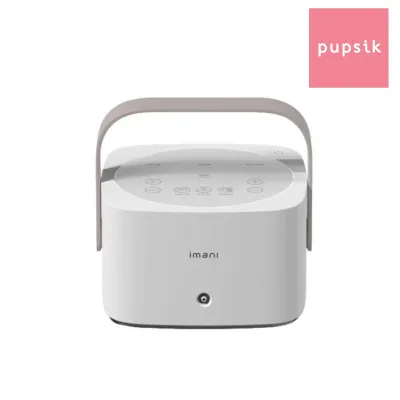
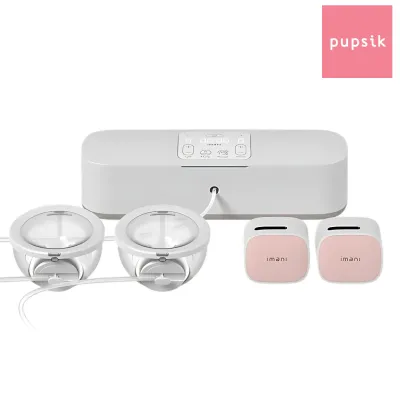
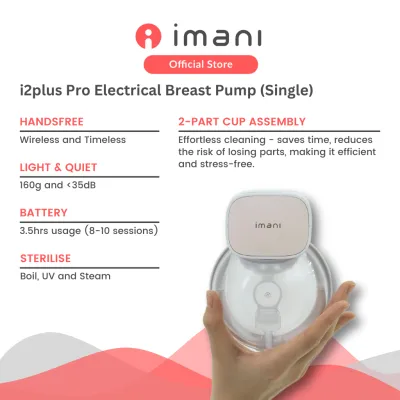
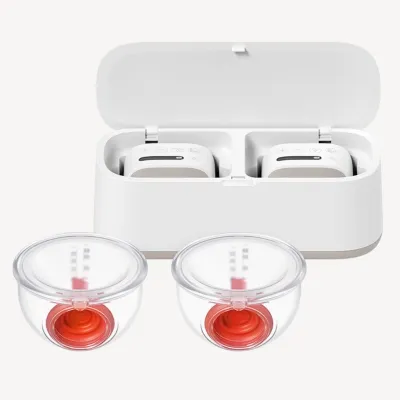
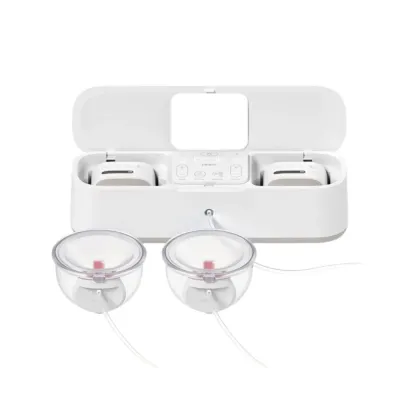
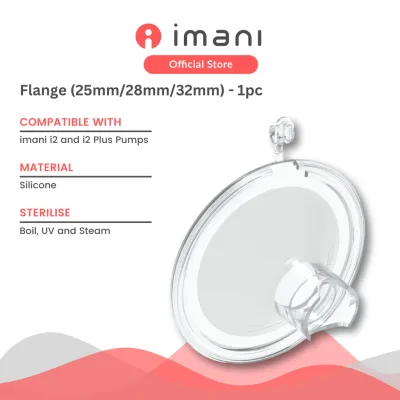
Prices are valid at publication and may change. Please refer to the product page for the latest price.
Your physical environment also plays a significant role in how effectively your body releases milk. The let-down reflex is governed by oxytocin, a hormone that is highly sensitive to stress, cold, and discomfort. In a warm and humid climate like Singapore’s, setting up your pumping station in a cool, air-conditioned room can make a substantial difference in your comfort levels. Choose a supportive chair, keep a glass of water nearby to stay hydrated, and try to minimize distractions. If you are pumping at work or on the go, finding a private, quiet space where you feel secure will help facilitate a faster and more robust milk flow.
Step-by-Step Guide to Using the Imani Breast Pump
Once your equipment is ready and you are in a comfortable position, align the pump flange with your breast. Carefully center your nipple within the flange tunnel before pressing the cup against your breast. It is helpful to lean forward slightly during this step to ensure the breast tissue settles naturally into the cup without twisting. Once the flange is securely in place, secure your bra over the pump. The bra should hold the pump firmly against your chest to maintain a secure vacuum seal, but it should not be so tight that it compresses the breast tissue or restricts milk flow.

Turn on the motor and always begin your session in the massage or stimulation mode. This mode features fast, shallow suction cycles designed to mimic the rapid, light sucking of a hungry baby. This stimulation sends signals to your brain to release oxytocin, triggering the let-down reflex. Spend about two to three minutes in this mode, or until you see milk begin to drip or spray into the collection cup.
Once your milk starts flowing consistently, switch the device to the expression mode. This mode utilizes slower, deeper suction cycles to draw milk out efficiently. Do not make the mistake of immediately turning the suction up to the highest level. High suction does not guarantee more milk and can cause micro-tears in your nipple tissue, leading to pain and swelling that actually hinders milk release. Instead, gradually increase the suction level one step at a time until you reach your maximum comfortable setting—the point where the suction is strong but completely painless. If you feel any pinching or discomfort, immediately lower the setting by one or two levels.
Throughout the session, monitor the flow of milk into the collection cup. You may notice that milk flows in waves, corresponding to multiple let-downs. When the flow slows down to a very slow drip or stops entirely, and your breasts feel soft and light, it is time to end the session. Before removing the pump, turn off the motor unit to release the vacuum seal. Gently press down on your breast tissue near the edge of the flange to break any remaining suction before pulling the cup away, preventing unnecessary stretching of the skin.
Troubleshooting Common Discomfort and Low Output
If you experience pain during or after pumping, it is a clear signal that something needs adjustment. Persistent soreness, redness, or a burning sensation often points to an incorrect flange size or excessive suction. If you notice your nipple rubbing against the walls of the tunnel, or if the nipple turns white or purple during pumping, stop the session immediately. Re-evaluate your measurements and consider trying a different insert size. Applying a tiny drop of food-safe nipple cream or coconut oil to the inside of the flange tunnel can also reduce friction and improve comfort.
Low milk output can be frustrating, but it is often resolved with simple adjustments rather than a change in your milk supply. If you feel full but very little milk is expressing, your body may be struggling to trigger a let-down. Try applying a warm compress to your breasts for five minutes before you begin pumping, or gently massage your breasts in a circular motion to encourage circulation. Because the mind-body connection is so strong during lactation, looking at photos or videos of your baby, listening to white noise, or practicing deep breathing exercises can significantly improve your response to the pump.
While minor adjustments can solve most issues, certain symptoms require professional guidance. If you develop cracked, bleeding nipples, or if you experience localized breast pain accompanied by hard, warm lumps, redness, and flu-like symptoms such as a fever, you may be developing mastitis. In these situations, stop using the pump on the affected side if it causes severe pain, and consult a certified lactation consultant or a healthcare provider immediately. Seeking early support ensures you receive the correct guidance to resolve the issue safely without disrupting your breastfeeding journey.
Cleaning and Maintaining Your Imani Breast Pump
Proper maintenance of your breast pump is essential to protect your baby from harmful bacteria and to keep the device functioning at its best. Immediately after you finish pumping, carefully disassemble all parts that have come into contact with breast milk. Rinse these parts under cool, running water to wash away residual milk proteins, which can become stubborn and difficult to remove if left to dry.
Next, wash the disassembled parts in warm, soapy water using a mild dishwashing liquid and a dedicated brush reserved solely for baby feeding items. Avoid using harsh abrasive pads that can scratch the plastic and silicone, creating tiny crevices where bacteria can multiply. Refer to your specific Imani model manual to verify the approved sanitizing methods. While some components can withstand steam sterilization or boiling water, excessive heat or prolonged exposure to UV sterilizers can degrade silicone valves and membranes prematurely, reducing their elasticity and compromising suction power.
After washing and sanitizing, place all components on a clean, dedicated drying rack or paper towel in a well-ventilated area. In Singapore’s humid environment, ensuring complete air-drying is crucial to prevent the growth of mold and mildew. Never assemble or store the pump parts while they are still damp.
Finally, establish a routine for inspecting your pump’s consumable parts. The small silicone valves and backflow protector membranes are responsible for maintaining the vacuum seal. Over time, these parts stretch, develop micro-tears, or lose their shape, leading to a gradual drop in suction performance. Inspect them weekly for any signs of wear, such as warping or tears. Replacing these parts every one to three months, depending on how frequently you pump, will keep your device operating at peak efficiency.
Frequently Asked Questions (FAQ)
How long should a single pumping session last?
A standard pumping session should generally last between 15 to 20 minutes. Pumping for longer than 30 minutes is not recommended, as it can cause nipple soreness, tissue fatigue, and swelling without yielding additional milk. If your milk flow stops completely for several minutes, or if you experience discomfort, it is best to end the session early. Consistency and frequent, shorter sessions are far more effective for maintaining milk supply than occasional, prolonged sessions.
Can I use the Imani breast pump while lying down or sleeping?
No, you should not use the Imani breast pump while lying down or sleeping. Wearable pumps are engineered to be operated in an upright or slightly reclined sitting position. Lying down changes the angle of the collection cup, which can cause milk to leak out of the vents or backflow into the motor unit. This not only risks permanently damaging the electronic motor but also creates a hygiene hazard by allowing milk to pool in areas that cannot be easily cleaned. Always remain seated or standing during your pumping sessions.

Community discussion
Share your experience or ask a question. Comments are reviewed before publication.