
To get the best results from your Spectra S1 Pro, you need to mimic the natural rhythm of a nursing baby. This means starting with a fast, light stimulation to trigger your milk ejection reflex—commonly known as the let-down—and then switching to a slower, deeper pattern to efficiently draw out the milk. By mastering the transition between the pump’s massage and expression modes and personalising your suction levels, you can comfortably empty your breasts and support your milk supply.
Understanding how these two phases work together is the key to an efficient pumping routine. Many parents make the mistake of using only one mode or turning the suction up too high, which can lead to discomfort and lower milk yields. Taking a systematic approach to your settings ensures that your pumping sessions are both comfortable and highly productive.
Understanding the Spectra S1 Pro Pumping Modes
The Spectra S1 Pro is designed around a two-phase pumping system that replicates the physiological steps of breastfeeding. When a baby first latches onto the breast, they do not immediately begin deep, slow gulps. Instead, they perform rapid, shallow sucks that signal the body to release hormones, specifically oxytocin, which causes the milk ducts to contract and push milk forward.
Products mentioned in this guide
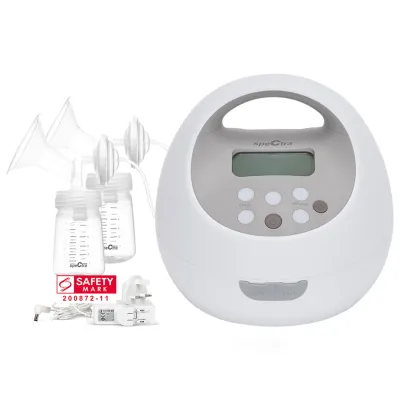
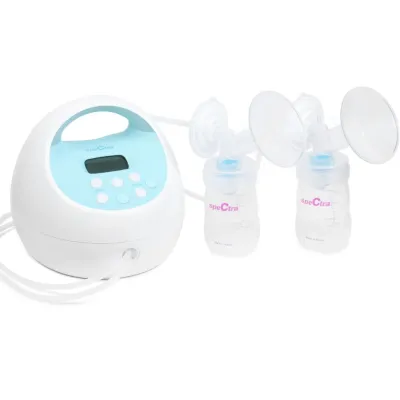


Prices are valid at publication and may change. Please refer to the product page for the latest price.
Massage Mode (Phase 1) The massage mode on your Spectra S1 Pro, often indicated by a wavy symbol or a cycle speed of 70 cycles per minute, acts as this initial stimulation. It operates at a fast pace with a lighter, shallower suction pattern. The primary goal of this mode is not to pull large volumes of milk from the breast, but rather to stimulate the nerve endings around the nipple to trigger the let-down reflex.
Expression Mode (Phase 2) Once your milk begins to flow, the pump should be transitioned to expression mode. This mode features a slower cycle speed, typically ranging from 38 to 54 cycles per minute, combined with a deeper, stronger pull. This replicates the active feeding phase where a baby swallows larger amounts of milk. The slower, more robust vacuum is designed to empty the breast tissue efficiently once the milk pathways are wide open.
The Physiology of Let-Down Skipping the massage phase or immediately applying high suction to cold, unstimulated breast tissue can be counterproductive. High suction on a breast that has not yet let down can cause pain, micro-tears in the nipple tissue, and physical stress. This pain triggers adrenaline, a hormone that actively blocks oxytocin and prevents your milk from releasing. Working with your body’s natural reflexes, rather than forcing them, is essential for protecting your tissue and maintaining a steady flow.
Step-by-Step Guide: Stimulating Let-Down with Massage Mode
Achieving a swift and comfortable let-down requires proper physical preparation and a calm environment. Before turning on your pump, take a moment to set yourself up for success.

Preparation and Alignment Begin by ensuring your hands are clean and you are seated in a supportive, comfortable chair. In Singapore’s humid climate, finding a cool, air-conditioned spot can help you relax and prevent physical discomfort during your session. Center your nipples carefully within the flange tunnels before turning the machine on. An off-center nipple will rub against the plastic walls, causing friction, swelling, and restricted milk flow.
Powering On and Selecting Mode Turn on your Spectra S1 Pro. The pump typically starts in the mode last used, so verify your screen’s indicator. If it is not already in massage mode, press the three-wave button to switch to the fast stimulation cycle. The cycle speed for massage mode on this model is set to 70 cycles per minute, which is the optimal speed for mimicking a baby’s initial latch.
Adjusting the Vacuum Level Never start your session with high vacuum settings. Begin at vacuum level 1 or 2. Slowly increase the suction level one step at a time. The sensation should feel like a light, vibrating flutter. Continue to increase the level until you feel a distinct but completely comfortable pull. If you feel any pinching, stinging, or pain, immediately lower the level by one or two steps.
Recognising the Cues to Switch Do not rely solely on a timer to decide when to switch modes. Instead, watch the shields and the bottles for physical signs of let-down. You may feel a warm, tingling sensation in your breasts, or you might simply notice milk beginning to spray or drip rapidly into the bottle. Once you see consistent streams of milk filling the flange tunnel, your let-down has been successfully triggered.
Step-by-Step Guide: Maximizing Output in Expression Mode
Once your milk is flowing steadily, it is time to transition to expression mode to empty the breasts thoroughly. This phase requires a different combination of speed and suction to maintain the momentum of your let-down.
Switching to Expression Mode Press the mode button (the wavy lines) to switch from massage mode to expression mode. The cycle speed will immediately drop from 70 to a slower rate. The Spectra S1 Pro allows you to adjust both the cycle speed (how many times the pump sucks per minute) and the vacuum level (how strong the pull is) independently in this mode.
Finding Your Cycle Rhythm Start with a cycle speed of around 54 cycles per minute. This moderate speed is excellent for the beginning of the expression phase when milk is flowing rapidly. If your milk flow begins to slow down, you can lower the cycle speed to 46 or 42 to create a longer, deeper draw that helps pull milk from the deeper ducts. Experiment to find which speed matches your natural milk flow rate.
Applying the Maximum Comfort Vacuum Rule Slowly adjust the vacuum level upward. The “Maximum Comfort Vacuum” is the highest suction setting you can tolerate without feeling any pain or discomfort. It is a common misconception that higher suction yields more milk; in reality, pain will cause your body to tense up and restrict milk release. Once you reach a level that feels slightly too strong, dial it back down by one level. This is your personal sweet spot for that session.
Ending the Pumping Session Safely Keep an eye on the flow of milk. As your breasts empty, the steady streams will transition to slow, occasional drips, and your breasts will feel noticeably softer, lighter, and free of hard spots. Once this occurs, turn off the power to the Spectra S1 Pro. Do not pull the flanges directly off your breasts while the pump is running; break the vacuum seal first by gently inserting a clean finger between your breast and the flange to protect your skin from stretching or tearing.
Adjusting Suction Levels for Comfort and Efficiency
Finding the perfect balance of suction is a dynamic process that can change from day to day, or even between morning and evening sessions. Understanding the relationship between comfort and milk output is vital for long-term pumping success.
The Pitfalls of High Suction Many parents believe that cranked-up suction will empty the breasts faster or produce more milk. However, excessive vacuum levels compress the delicate milk ducts beneath the areola, effectively pinching them shut and trapping milk inside the breast. Over time, high suction leads to nipple swelling (edema), bruising, and damage to the skin, which can make subsequent pumping sessions painful and less productive.
Finding Your Personal Sweet Spot To find your maximum comfort vacuum, follow a systematic check during every session:
- Start the expression mode at a low vacuum level (such as level 4 or 5).
- Increase the vacuum level by one step every 30 seconds.
- Pay close attention to the sensation; stop increasing the moment you feel a pinch or a sensation of stretching that borders on discomfort.
- Decrease the vacuum level by one step. This is your optimal setting.
Warning Signs of Incorrect Suction Monitor your nipples during and after your session. If you notice your nipples turning white (blanching) or purple, or if they remain highly sensitive and painful long after you have finished pumping, your suction is too high. Additionally, if you see your nipple expanding so much that it rubs heavily against the sides of the flange tunnel, or if your milk output suddenly drops despite using higher settings, you need to adjust your approach.
The Critical Role of Flange Size If you experience persistent pain or low milk output even at low suction levels, the issue is likely your flange size rather than the pump’s settings. A flange that is too small will compress your nipple and pinch the milk ducts, while a flange that is too large will draw too much of your areola into the tunnel, causing swelling and friction. Use a nipple measuring tool to find your correct size, keeping in mind that your flange size can change throughout your breastfeeding journey.
Troubleshooting Common Pumping Issues
Pumping does not always go perfectly, but understanding how to troubleshoot common hurdles can save you time and prevent frustration.
When Let-Down is Delayed If you are sitting with the pump on and your milk is not releasing, your body may be experiencing stress or physical tension. Try applying a warm, damp compress to your breasts for a few minutes before you begin pumping. Gentle breast massage or hand expression for a minute can also jumpstart the nerves. If you are away from your baby, looking at a photo or video of them, or listening to a recording of their coos, can trigger the release of oxytocin.
Handling Prematurely Stopping Milk Flow It is highly common for milk flow to slow to a crawl after ten or fifteen minutes, even if your breasts still feel partially full. Instead of increasing the vacuum level to force more milk out, switch the Spectra S1 Pro back into massage mode for two to three minutes. This secondary stimulation can trigger a second or even third let-down, allowing you to return to expression mode and extract more milk comfortably.
Managing Pain and Discomfort Pumping should never hurt. If you experience sudden pain during a session, pause the machine immediately. Check that your nipple is perfectly centered in the flange and that no skin is pinched. Lower your suction settings before restarting. If the pain is persistent across multiple sessions, stop using the pump and consult a certified lactation consultant or a healthcare professional in Singapore to assess your latch, flange fit, and breast health.
Addressing Low Milk Output If you notice a sudden drop in your pumped volume, do not panic. Milk supply can fluctuate due to hydration, fatigue, stress, or hormonal changes. Ensure you are drinking plenty of water—especially important in Singapore’s warm climate—and maintaining a consistent pumping schedule. Focus on keeping your sessions relaxed and comfortable, as a calm mind is the most effective tool for maximizing your milk output.
Cleaning and Maintaining Your Spectra S1 Pro
Proper maintenance of your Spectra S1 Pro ensures that the motor performs at its best and that your expressed milk remains safe and hygienic for your baby.
Daily Cleaning and Sanitisation After every use, disassemble all parts that come into contact with breast milk, including the flanges, backflow protectors, silicone valves, and collection bottles. Wash them thoroughly in warm, soapy water using a mild dishwashing liquid, then rinse them clean. Follow the manufacturer’s guidelines for sanitising or sterilising these parts, especially if your baby is newborn or immunocompromised. Allow all parts to air dry completely on a clean paper towel or a dedicated drying rack in a well-ventilated area to prevent mold growth, which is common in Singapore’s high humidity.
Caring for the Motor Unit The main Spectra S1 Pro motor unit contains delicate electronic components and a rechargeable battery. Keep the motor unit clean by wiping it down with a damp, clean cloth if it becomes dusty or soiled. Never submerge the motor unit in water, and do not spray cleaning agents directly onto the casing or into the tubing ports, as moisture inside the housing can permanently damage the pump and void your warranty.
Inspecting and Replacing Wearable Parts The silicone parts of your pump, such as the duckbill valves and the backflow protector membranes, are subjected to constant stretching and tension. Over time, these parts lose their elasticity or develop micro-tears that are invisible to the naked eye. Inspect these parts weekly. If you notice a drop in the pump’s suction power, or if the parts look stretched out or cloudy, replace them immediately. Keeping a spare set of valves and membranes on hand is highly recommended to avoid unexpected downtime.
Safe Storage and Tubing Care Ensure your pump tubing remains completely dry. The Spectra S1 Pro utilizes a closed system, meaning the backflow protectors prevent moisture and milk from entering the tubing. However, if you notice condensation inside the tubes, run the pump with only the tubing attached (and disconnected from the backflow protectors) for a few minutes to air them out. Store your dry pump parts in a clean, dust-free container away from direct sunlight.
Frequently Asked Questions (FAQ)
Can I use Expression Mode without starting in Massage Mode?
While you can technically start pumping directly in expression mode, skipping the massage phase is generally not recommended. Without the initial rapid, gentle stimulation of massage mode, your body may take much longer to trigger a let-down reflex. This can lead to longer, less efficient pumping sessions and can cause unnecessary discomfort as the deep pull of expression mode acts on cold, tight breast tissue. Starting with massage mode prepares your breasts and makes the entire session smoother.
How often should I switch between modes during a single session?
You can switch between massage and expression modes multiple times during a single pumping session. A typical session might begin with 2 to 3 minutes of massage mode until milk flows, followed by 10 to 12 minutes of expression mode. If you notice your milk flow has slowed down to occasional drips but you feel there is still milk left, switch back to massage mode for 2 to 3 minutes to stimulate a secondary let-down, then switch back to expression mode to drain the remaining milk.
Does the Spectra S1 Pro remember my last suction settings?
Yes, the Spectra S1 Pro features a memory function that retains your last used settings when you power it off. While this is convenient, it is important to exercise caution when starting a new session. Your breast tissue may be more sensitive at different times of the day. It is highly recommended to manually lower the vacuum level before you begin or immediately upon starting, allowing your body to warm up in a gentle setting before you gradually work your way back up to your maximum comfort vacuum.

Community discussion
Share your experience or ask a question. Comments are reviewed before publication.