
Maximizing milk output with the Spectra S1 breast pump relies on customizing its dual-phase settings to match your body’s natural lactation response. By combining proper flange fit, systematic adjustments of cycle speed and vacuum strength, and hands-on expression techniques, you can establish an efficient routine that fully drains the breasts. This guide walks you through the practical steps, settings, and maintenance habits required to optimize your pumping sessions and maintain a comfortable, consistent milk supply.
Preparing for a Comfortable Pumping Session
Before turning on your pump, taking a few minutes to prepare your body and equipment can significantly impact the volume of milk you express. Physical comfort directly influences the release of oxytocin, the hormone responsible for the let-down reflex. Creating a calm, organized setup ensures that your body can transition easily into a relaxed state.
The first step is verifying your flange size. An incorrect flange size can compress milk ducts, restrict flow, and cause painful friction. To check the fit, observe your nipple during a session: it should move freely in the tunnel without rubbing against the sides, and only a minimal amount of the areola should be drawn in. If you experience rubbing or pinching, you may need to measure your nipple diameter and select a different flange size.
Products mentioned in this guide
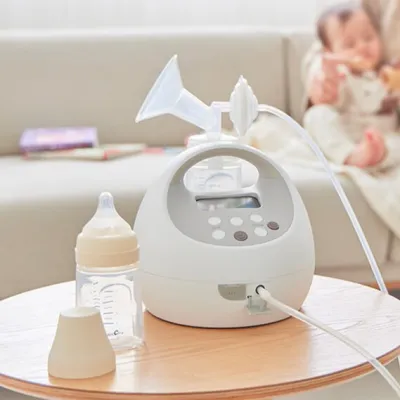
Prices are valid at publication and may change. Please refer to the product page for the latest price.
Next, ensure that all pump parts are correctly assembled, clean, and dry. Moisture in the backflow protectors or tubing can compromise suction and damage the motor. Check that the silicone membranes inside the backflow protectors are seated flat and sealed tightly. Push the white silicone duckbill valves firmly onto the breast shields, ensuring there are no gaps or tears.
Finally, set up a comfortable environment. Keep a glass of water and a snack within reach, as staying hydrated and nourished supports milk production. Sit in a supportive chair, use a nursing pillow to support the pump parts, and keep a warm blanket nearby. If you are pumping away from your baby, looking at photos of them can help stimulate the hormonal response needed to trigger a let-down.
Navigating Spectra S1 Modes and Settings
The Spectra S1 is a hospital-strength double electric breast pump designed to mimic the natural sucking patterns of a nursing infant. It features two distinct operating phases: Massage Mode and Expression Mode. Understanding how and when to transition between these modes is key to customizing the pump to your body’s unique needs.

Massage Mode, activated by pressing the button with the wavy lines icon, operates at a fast, fixed speed of 70 cycles per minute with a lighter, adjustable vacuum. This rapid, shallow suction mimics the initial quick sucks a baby uses to stimulate the nerve endings in the nipple, signaling the brain to initiate the let-down reflex. Always start your session in this mode to encourage milk flow.
Expression Mode features slower cycle speeds—ranging from 38 to 54 cycles per minute—and stronger vacuum levels. This phase mimics the deeper, slower sucking and swallowing pattern of a baby once milk is flowing. The Spectra S1 allows you to adjust both the cycle speed and the vacuum level independently in this mode, giving you precise control.
When adjusting vacuum settings, remember that higher suction does not automatically translate to more milk. Setting the vacuum too high can cause pain, which triggers adrenaline and inhibits oxytocin, reducing your milk yield. Instead, find your “maximum comfortable vacuum” by gradually increasing suction until you feel slight discomfort, then turning it down one level. Pumping should never be painful.
The Spectra S1 also includes helpful features like a built-in night light with multiple brightness levels, allowing you to adjust settings in a dark room without disturbing your baby. Additionally, the integrated timer automatically tracks the duration of your session and shuts the pump off after 30 minutes, helping you maintain consistent session lengths.
Step-by-Step Pumping Routine for Maximum Output
To achieve the best results, follow a structured routine that maximizes the efficiency of the pump’s dual-phase system. Begin by placing the flanges centered over your nipples, ensuring a secure, airtight seal. Turn on the pump and switch to Massage Mode with the vacuum set to a low, comfortable level, such as level 3 or 4.
Remain in Massage Mode for approximately two to three minutes, or until you observe milk beginning to drip or spray into the bottles. Once the milk is flowing steadily, press the mode button to transition to Expression Mode. Start with a cycle speed of 54 and a moderate vacuum level, then gradually adjust the settings to find your maximum comfortable vacuum.
When the initial milk flow begins to slow down to a trickle, do not simply increase the suction. Instead, switch the pump back into Massage Mode for another two to three minutes. This technique, known as triggering multiple let-downs, encourages your body to release subsequent waves of milk. Once the milk starts flowing again, switch back to Expression Mode at a slightly slower cycle speed, such as 46 or 42, to draw out the deeper milk.
To further optimize your output, incorporate hands-on pumping techniques. Gently massage your breasts from the chest wall toward the nipple using circular motions, and apply gentle compressions to any areas that feel firm or full. This physical manipulation helps mobilize the fat-rich milk that tends to stick to the sides of the milk ducts, increasing both the volume and the caloric density of the expressed milk.
Continue this cycle of alternating between Massage and Expression modes, combined with gentle breast massage, until you recognize the physical cues that indicate your breasts are adequately drained. Your breasts should feel soft, light, and free of hard spots, and the milk flow should have slowed to occasional drops. For most parents, this process takes between 15 and 20 minutes of active pumping.
Troubleshooting Discomfort and Low Yield
If you experience discomfort or a sudden drop in milk output, systematically troubleshoot the issue rather than pumping through pain. Pain is a clear signal that something is wrong, and ignoring it can lead to tissue damage and a decreased milk supply due to stress-induced hormone inhibition.
First, re-evaluate the fit of your flanges. Nipple size can change throughout your breastfeeding journey, meaning a flange that fit perfectly in the first few weeks may become too small or too large later on. If you notice redness, swelling, or white rings on your nipple after pumping, try using a different flange size or applying a tiny drop of food-safe pumping lubricant to the inside of the flange tunnel to reduce friction.
If your milk yield has suddenly decreased but comfort remains the same, inspect your pump parts for wear and tear. Even a microscopic tear in the silicone duckbill valves or a loose connection where the tubing meets the backflow protector can cause a significant loss of suction. Replace the duckbill valves and backflow membranes regularly, as these flexible silicone parts naturally stretch and degrade over time.
While minor adjustments can resolve most issues, certain conditions require you to stop pumping and seek professional guidance. If you experience persistent, sharp pain that does not improve with setting adjustments, notice blood in your expressed milk, or develop warm, red, painful lumps in your breast accompanied by a fever, contact a lactation consultant or healthcare provider immediately.
Cleaning and Caring for Your Pump Parts
Proper maintenance and hygiene of your Spectra S1 parts are essential to protect your baby’s health and ensure the longevity of your equipment. Breast milk contains fats and proteins that can quickly build up and create a breeding ground for bacteria if parts are not cleaned thoroughly after every use.
Immediately after completing a pumping session, disassemble all parts that have come into contact with breast milk, including the flanges, duckbill valves, backflow protector membranes, and collection bottles. Rinse these components under cool, running water to wash away residual milk proteins before they have a chance to dry and stick to the plastic.
Next, wash the disassembled parts in warm, soapy water. It is highly recommended to use a dedicated basin and cleaning brushes solely for your pump parts, rather than washing them directly in the kitchen sink, to minimize the risk of cross-contamination. Use a mild dish soap and gently clean all surfaces, taking extra care not to tear the delicate silicone duckbill valves. Rinse each part thoroughly under clean, running water.
Sanitize the washed parts once daily, or as recommended by your healthcare provider, using a method approved by the manufacturer, such as boiling them in water for five minutes or using a dedicated steam sterilizer. After washing or sanitizing, place all components on a clean paper towel or a dedicated drying rack in a well-ventilated area. Allow them to air dry completely before reassembling or storing them.
Regularly inspect the non-washable components of your pump, specifically the tubing. The tubing should always remain completely dry and should never be washed or submerged in water, as moisture inside the tubes can be drawn into the pump motor and cause damage. If you notice condensation or milk droplets inside the tubing, turn on the pump and let it run for a few minutes with only the tubing attached to dry it out. If the moisture does not clear, or if you see mold inside the tubing, discard it immediately and replace it with a new set.
Frequently Asked Questions (FAQ)
How long should a typical pumping session last?
A typical pumping session generally lasts between 15 and 20 minutes when double pumping. Rather than focusing strictly on the clock, it is more effective to monitor your milk flow and physical cues. You should continue pumping for a minute or two after the milk flow has slowed to occasional drips and your breasts feel soft and empty. Avoid pumping for longer than 20 to 25 minutes per session, as prolonged suction can cause nipple irritation and tissue inflammation without yielding additional milk.
Is it safe to use the pump while it is plugged in?
Yes, it is entirely safe to use the Spectra S1 while it is plugged into an electrical outlet. The Spectra S1 features a built-in rechargeable battery designed for portable, cordless use, but it also functions perfectly as a mains-powered device. When using the pump while plugged in, the battery will charge simultaneously. To ensure electrical safety and protect the lifespan of the internal battery, always use the official power adapter supplied by the manufacturer and inspect the power cord regularly for any signs of wear or damage.

Community discussion
Share your experience or ask a question. Comments are reviewed before publication.