
To express breast milk comfortably and efficiently with the Spectra Dual S, you need to master its unique dual-motor system, secure a proper flange fit, and maintain a hygienic routine. This double electric breast pump is designed to let you adjust settings independently for each breast, making it highly customizable for individual comfort. By understanding how to transition from massage mode to expression mode and keeping your pump components in top condition, you can optimize your daily pumping sessions.
In Singapore’s warm and humid climate, maintaining breast pump hygiene and managing milk storage requires extra care. Humidity can affect how quickly parts dry, making proper drying techniques essential to prevent bacterial growth. Whether you are pumping at home in a cooled room or preparing to return to a busy workplace, setting up a dedicated, clean pumping station will help you feel relaxed and support a healthy let-down reflex.
Preparing Your Spectra Dual S for Use
Before touching any pump parts, wash your hands thoroughly with soap and water for at least 20 seconds. Find a quiet, comfortable space where you can sit upright and relax, as stress can hinder the release of oxytocin, the hormone responsible for milk let-down. Preparing a clean, dedicated surface for your pump and bottles helps prevent contamination from household surfaces.
Products mentioned in this guide
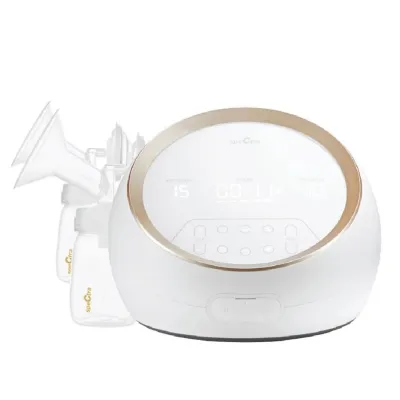

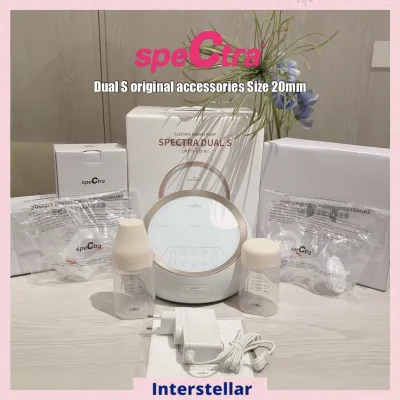

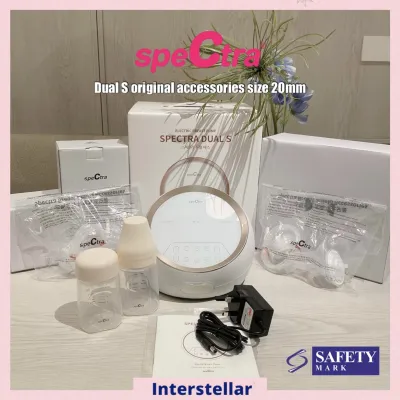
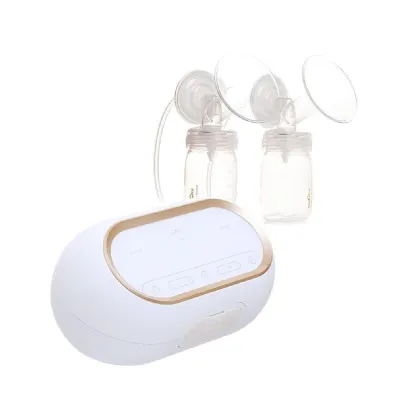
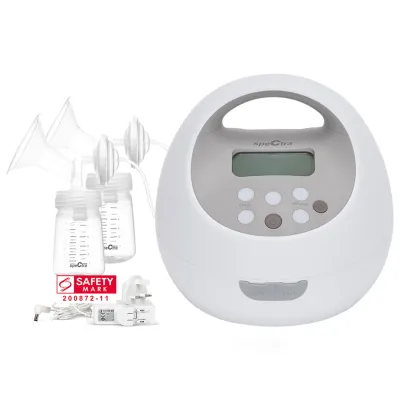
Prices are valid at publication and may change. Please refer to the product page for the latest price.
Assemble the pump parts systematically to ensure proper suction and hygiene. Begin by pushing the silicone duckbill valve firmly onto the underside of the breast shield. Next, assemble the backflow protector by inserting the silicone membrane into the plastic casing and snapping it shut. This protector is a critical closed-system component that prevents moisture and milk from entering the tubing and motor.
Insert the assembled backflow protector into the top of the breast shield. Connect one end of the tubing to the backflow protector and the other end to the air ports on the pump main body. If you are single pumping, ensure the unused air port is capped securely with the built-in port cover to prevent suction loss.
The Spectra Dual S is a mains-powered unit, meaning it requires a direct connection to an electrical outlet. Plug the official power adapter into the pump and then into a wall socket. Ensure the cord is placed safely where it will not be pulled or tripped over during your session, as this model does not run on an internal rechargeable battery.
Finding the Correct Flange Size for Comfort and Output
Using the correct flange size is vital for both comfort and milk expression. A flange that is too small can pinch the nipple, causing friction, swelling, and blocked ducts. Conversely, a flange that is too large will pull too much of the sensitive areola into the tunnel, leading to discomfort and inefficient milk removal.

To find your starting size, measure the diameter of your nipple at the base, excluding the areola, using a ruler or a printable sizing tool. Do this before a pumping session when the nipple is at rest. A general guideline is to choose a flange size that is approximately 2mm to 3mm larger than your nipple measurement. For example, if your nipple measures 21mm, a 24mm flange is often a suitable starting point.
Observe how your nipple behaves inside the flange tunnel during a session. Your nipple should move freely back and forth without rubbing against the sides of the tunnel. Very little to no areola should be drawn into the tunnel. If you experience pain, notice redness, or see that your milk output is unexpectedly low despite feeling full, these are clear signs that you may need to adjust your flange size.
Keep in mind that breast and nipple sizes can change throughout your breastfeeding journey, and it is common to require different sizes for each breast. If you are unsure about your fit, consult a certified lactation consultant in Singapore who can observe your pumping session and provide personalized recommendations.
Step-by-Step Pumping Technique and Settings
Once you are comfortably seated with the flanges centered over your nipples, turn on the Spectra Dual S. The pump features a dual-motor system, allowing you to adjust the vacuum levels for the left and right sides independently. This is particularly helpful if one breast is more sensitive or produces milk more slowly than the other.
Always begin your session in massage mode, which is represented by a wavy lines icon on the digital screen. This mode mimics the fast, shallow sucking of a hungry baby to stimulate the let-down reflex. Start at a low vacuum level and gradually increase it to a comfortable setting. Spend about two to three minutes in this mode, or until you see milk begin to drip or spray.
Once your milk starts flowing, press the mode button to switch to expression mode, indicated by a straight lines or droplet icon. This mode features a slower, deeper rhythmic suction designed to draw out milk efficiently. You can adjust both the cycle speed (how many times the pump sucks per minute) and the vacuum strength (the intensity of the suction) on each side.
When adjusting the vacuum, do not simply set it to the highest level. Instead, increase the vacuum level step-by-step until you feel slight discomfort, and then lower it by one level. This is your maximum comfortable vacuum level, which will yield the most milk without causing tissue damage. Pumping should never be painful.
A typical double pumping session lasts between 15 and 20 minutes. If you need to pump longer, avoid exceeding 30 minutes to prevent nipple irritation. If you experience sudden pain, skin chafing, or notice blood in your milk, stop the pump immediately, check your assembly and flange fit, and seek professional advice if the issue persists.
Cleaning and Maintaining Your Breast Pump Parts
Proper hygiene is essential to protect your baby from harmful bacteria. As soon as you finish pumping, turn off the machine and carefully disassemble all parts that have come into contact with breast milk. This includes the bottles, duckbill valves, breast shields, and backflow protectors.
Rinse these parts in cool water first to remove any remaining milk residue, which can become stubborn if left to dry. Wash all parts in warm, soapy water using a mild dishwashing liquid or a dedicated baby bottle cleanser. Use a soft brush specifically reserved for pump parts to avoid scratching the plastic, as scratches can harbor bacteria.
Rinse the parts thoroughly under running water to remove all soap residue. For sterilization, refer to the manufacturer’s instructions. You can use a steam sterilizer, a UV sterilizer, or boil the parts in water for five minutes, ensuring they do not touch the bottom or sides of the hot pot.
In Singapore’s humid environment, drying your pump parts thoroughly is a critical step. Place the washed and sterilized parts on a clean, dedicated drying rack in a well-ventilated, air-conditioned room or a dry area. Avoid using dish towels to dry them, as towels can transfer lint and bacteria. Once completely dry, store the parts in a clean, sealed container to protect them from dust and pests.
Troubleshooting Common Pumping Issues
If you notice a sudden drop in suction, the first step is to inspect the silicone components. Over time, duckbill valves and backflow membranes can develop microscopic tears or lose their elasticity, which directly impacts the pump’s performance. Even a tiny, barely visible tear can cause a complete loss of suction.
Check all physical connections. Ensure the tubing is pushed firmly onto both the pump ports and the backflow protectors. If you are single pumping, double-check that the unused port cap is fully closed. Moisture inside the tubing can also affect suction and damage the motor; if you see condensation in the tubes, hang them up to dry completely before using them again, or replace them if they cannot be cleaned.
If you experience physical discomfort or swelling during or after pumping, re-measure your nipples. Changes in milk supply, engorgement, or hormonal shifts can alter your nipple size. Using a soothing, food-safe nipple cream after sessions can help protect your skin barrier, but ensure you wipe off any excess before your next session to prevent the flange from slipping.
Never ignore persistent pain, cracked skin, bleeding, or localized warmth and redness in your breasts. These symptoms can indicate a more serious condition, such as mastitis or a localized infection. If these issues occur, stop using the pump and consult a healthcare professional or a lactation specialist immediately.
Frequently Asked Questions (FAQ)
Can I use the Spectra Dual S while it is plugged in and charging?
The Spectra Dual S is a mains-powered breast pump and does not contain an internal rechargeable battery. Therefore, it must remain plugged into an electrical outlet via its power adapter throughout your entire pumping session. It does not charge because it does not have a battery to store power. Always use the original power adapter supplied by the manufacturer to ensure safe and stable electrical operation.
How do I know when to replace the silicone valves and membranes?
Silicone parts are wear-and-tear items that naturally degrade with regular use and sterilization. You should replace your duckbill valves every 1 to 3 months if you pump frequently (more than three times a day), or every 2 to 3 months with occasional use. Backflow protector membranes typically last 3 to 6 months. If you notice a loss of suction, visible stretching, warping, or tiny tears during your regular inspections, replace these parts immediately to maintain optimal pump performance.

Community discussion
Share your experience or ask a question. Comments are reviewed before publication.