
Using a double-motor electric breast pump like the Spectra Dual S can significantly improve your milk expression routine, offering both customized comfort and high efficiency. Because this specific pump features two independent motors, it allows you to adjust the suction settings for each breast separately, which is highly beneficial for managing asymmetrical milk production or differing sensitivity levels. Achieving a comfortable and productive session depends on mastering three fundamental pillars: finding your correct flange size, ensuring a secure and hygienic assembly, and navigating the pump’s dual-phase suction settings correctly.
While the technology of the pump is advanced, the overall success of your breastfeeding journey relies heavily on how you prepare, operate, and maintain the equipment. By establishing a consistent routine and learning how to interpret your body’s signals during expression, you can maximize your milk output while fully protecting your delicate breast tissue.
Preparing for a Comfortable Pumping Session
Before you handle any breast pump components or touch your breasts, washing your hands thoroughly with warm water and soap is the single most important step to prevent introducing harmful bacteria to your milk collection system. Because breast milk is highly nutritious, it can easily harbor bacterial growth if contaminated, making strict hand hygiene essential for your baby’s safety.
Products mentioned in this guide
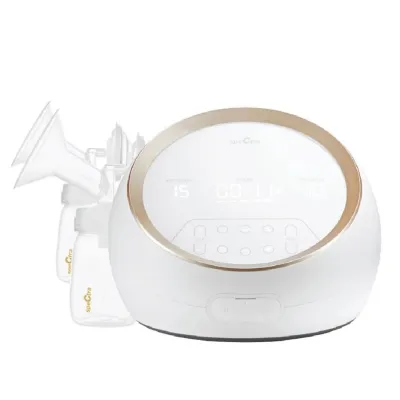
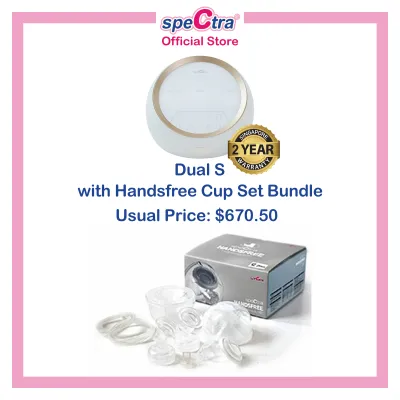
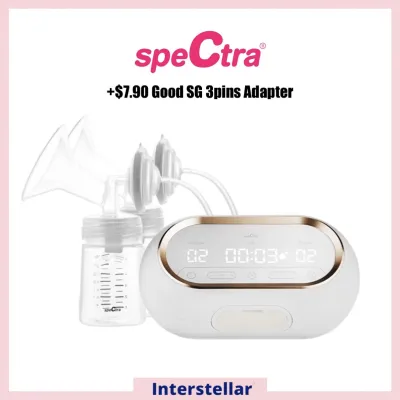
Prices are valid at publication and may change. Please refer to the product page for the latest price.
Creating a calm, stress-free environment is highly beneficial for stimulating the hormones required for milk expression. When you are stressed, cold, or uncomfortable, your body releases adrenaline, which actively inhibits oxytocin—the hormone responsible for the let-down reflex that releases milk from the ducts. In Singapore’s warm climate, finding a cool, air-conditioned room or a comfortable spot near a fan can help you stay relaxed. Keep a large bottle of water and a light snack within arm’s reach so you do not have to interrupt your session, and consider using a hands-free pumping bra to keep your hands free and your posture relaxed.
Prior to starting, verify that every pump part that will come into contact with your breast or breast milk has been thoroughly cleaned and completely air-dried. Moisture trapped in the connector parts or valves can compromise the vacuum seal, leading to weak suction and a frustrating session. Taking a few moments to organize your space and inspect your equipment beforehand ensures a smooth, continuous flow once you begin.
Finding Your Correct Flange Size for Optimal Fit
Selecting the correct breast shield, commonly referred to as a flange, is critical to ensuring both comfort and efficient milk removal. The flange is the funnel-shaped plastic piece that fits directly over your breast and nipple. If the flange is too small or too large, the pump cannot create the correct vacuum dynamics, which often results in friction, tissue damage, clogged milk ducts, and a noticeable drop in milk output.

To find your starting size, you must measure the diameter of the base of your nipple in millimeters using a ruler or a specialized nipple measuring tool. This measurement should be taken before a pumping session, or immediately after when the nipple is slightly expanded, and must exclude the surrounding darker skin of the areola. Once you have this measurement, consult the official manufacturer’s sizing chart to select the corresponding flange size. Generally, your ideal flange size will be approximately 2 to 3 millimeters larger than your nipple base measurement to allow space for expansion during pumping.
Because breast anatomy is unique and can change over the course of your postpartum journey, you should regularly monitor how your nipple behaves inside the flange tunnel during a active session. Watch for these specific signs of an incorrect fit:
- The tunnel is too narrow: Your nipple rubs against the plastic walls of the tunnel, causing friction, redness, or a pinching sensation.
- The tunnel is too wide: An excessive amount of your areola is drawn deep into the tunnel, which can pinch your milk ducts and cause localized swelling.
- The fit is incorrect: You experience sharp pain, notice blanching (whitening) of the nipple tip, or find that your breasts still feel heavy and full after a twenty-minute session.
Assembling the Spectra Dual S Pump Correctly
Proper assembly of the Spectra Dual S is essential to maintain the closed-system design and ensure the pump delivers its full suction potential. A closed system utilizes a physical barrier to prevent breast milk and moisture from entering the tubing or the motor unit, protecting the system from mold and bacterial contamination.
Follow these step-by-step instructions to assemble your pump securely:
- Assemble the backflow protector: Take the white silicone membrane and stretch it carefully over the plastic base piece, ensuring the edges are completely sealed. Snap the plastic cover over the membrane securely.
- Attach the duckbill valve: Press the silicone duckbill valve firmly onto the underside of the breast shield connector. Ensure it is pushed all the way up and is not crooked, as even a microscopic gap here will cause a complete loss of suction.
- Connect the bottle: Align the threads of the milk collection bottle with the bottom of the breast shield. Screw the bottle on firmly but gently; avoid over-tightening or cross-threading, which can damage the plastic threads and cause leaks.
- Connect the tubing: Insert one end of the silicone tubing into the small port on the backflow protector. Insert the other end of the tubing into the air port on the front of the pump motor unit.
Before every assembly, inspect the silicone membranes and duckbill valves for micro-tears, warping, or thin spots. Because these parts are made of flexible silicone, they naturally wear out over time from regular washing and sterilization. Keeping a spare set of valves and membranes on hand is highly recommended so that a worn part does not unexpectedly interrupt your pumping schedule.
Navigating the Pumping Process and Suction Settings
The control panel of the Spectra Dual S is designed to give you precise control over your expression experience, featuring a digital touch screen with individual adjustment buttons for both the left and right sides. Understanding how to transition between the pump’s two distinct operating phases is key to mimicking a baby’s natural nursing pattern.
Initiating Let-Down with Massage Mode
When a baby first latches onto the breast, they naturally use fast, shallow sucks to stimulate the nerve endings in the nipple, which signals the brain to release oxytocin and trigger the let-down reflex. The Spectra Dual S replicates this initial phase through its Massage Mode, which is characterized by rapid, light pulsations.
To activate this mode, turn on the pump and press the massage button (indicated by a wavy line symbol on the screen). Begin with a low vacuum setting, typically between level 1 and 3, and a fast cycle speed. The sensation should feel like a gentle flutter rather than a firm pull.
Remain in Massage Mode for approximately 2 to 5 minutes. You should transition to the next phase only when you observe milk beginning to drip rapidly or spray in steady streams into the collection bottle, indicating that your let-down has been successfully triggered.
Maximizing Output in Expression Mode
Once your milk is flowing consistently, press the massage button again to switch the pump into Expression Mode. This mode utilizes a slower, deeper drawing rhythm that mimics the slower, stronger swallows of a baby once milk has let down, allowing for efficient milk removal.
In Expression Mode, you can customize both the cycle speed (how many times the pump draws per minute) and the vacuum strength. Start at a comfortable cycle speed and gradually increase the vacuum level one step at a time.
To ensure your comfort and protect your breast tissue, always adhere to the following guidelines:
- The Comfort Rule: Adjust the suction to your highest comfortable level, never the absolute maximum. Pain triggers adrenaline, which can instantly stall your milk flow and cause physical trauma to your nipples.
- Find Your Limit: Increase the suction until it feels slightly too strong, then immediately turn it down one level to find your optimal setting.
- Session Duration: Pump until your milk flow slows down to occasional drops and your breasts feel soft and empty, which typically takes 15 to 20 minutes. Avoid pumping past 25 to 30 minutes, as prolonged dry pumping can cause tissue inflammation.
Cleaning, Sterilizing, and Storing Pump Parts
Maintaining strict hygiene when cleaning your pump parts is vital to protect your baby from foodborne pathogens and to keep your Spectra Dual S functioning at its best. Breast milk contains fats and proteins that can quickly build up and create a biofilm on plastic surfaces if not cleaned properly.
Immediately after you finish pumping, disassemble all parts that came into direct contact with breast milk, including the breast shields, duckbill valves, bottles, and the bottom casing of the backflow protectors. Rinse these parts thoroughly under cold running water first. Cold water is highly effective at preventing milk proteins from coagulating and sticking to the surfaces, making the subsequent wash much easier.
Next, wash all disassembled parts in warm, soapy water using a mild dish soap and a brush dedicated exclusively to baby feeding items. Do not use harsh abrasive sponges, which can scratch the plastic and create microscopic crevices where bacteria can hide. Rinse the parts thoroughly under clean running water. If you choose to sterilize, use a steam sterilizer, chemical sterilizing solution, or boil the parts in water for 5 minutes, ensuring you strictly follow the manufacturer’s guidelines for each specific material to prevent warping.
Never submerge the main pump motor unit or the silicone tubing in water. The motor unit should only be wiped down with a clean, damp cloth if it becomes dusty. Because the tubing is part of a closed system, air is the only substance that should pass through it; however, if you notice condensation inside the tubing, attach it to the pump motor and run the pump for a few minutes without the breast shields attached to blow the moisture out. Place all washed parts on a clean, dedicated drying rack in a well-ventilated area and allow them to air-dry completely before reassembling or storing them.
Troubleshooting Suction Issues and Safety Boundaries
If you experience a sudden drop or complete loss of suction during your pumping session, do not panic. Most suction issues are mechanical and can be resolved quickly by running through a simple diagnostic check:
- Check all connections: Ensure the tubing is pushed firmly into both the pump motor ports and the backflow protectors.
- Verify the air ports: If you are single pumping, make sure the unused air port on the pump motor is tightly sealed with the attached rubber cap.
- Inspect the backflow membrane: Ensure the silicone membrane inside the backflow protector is dry, intact, and properly seated within its casing.
- Examine the duckbill valve: Look for tiny tears or debris holding the valve open. If the slit at the bottom of the valve gapes open when the pump is off, the valve must be replaced.
While pumping requires a brief adjustment period, it should never cause physical injury. You must stop pumping immediately if you experience sharp pain, bleeding, blistering, or severe localized redness on your breasts or nipples. These symptoms indicate that your settings are too high, your flange size is incorrect, or your breast tissue is experiencing friction damage.
Always consult a certified lactation consultant or a healthcare professional if you experience persistent pain, notice signs of mastitis (such as a hard, warm, painful lump accompanied by fever or flu-like symptoms), or have ongoing difficulties with milk supply and flange fitting. Professional guidance can help you adjust your routine to ensure your breastfeeding journey remains safe, healthy, and comfortable.
Frequently Asked Questions (FAQ)
Can I use the Spectra Dual S as a single pump?
Yes, the Spectra Dual S can be used easily as a single breast pump. To do this, simply attach the tubing and breast shield assembly to one of the air ports on the front of the pump motor, and ensure the unused air port is securely sealed with the built-in rubber cap. This maintains the vacuum seal, allowing you to pump from one breast while nursing your baby on the other.
How often should I replace the duckbill valves and membranes?
Silicone parts like duckbill valves and backflow membranes naturally stretch, wear, and lose elasticity over time due to regular use, washing, and sterilization, which gradually reduces the pump’s suction power. You should inspect these parts before every use. As a general rule, if you pump multiple times a day, replace the duckbill valves every 1 to 3 months and the backflow membranes every 3 to 6 months, or sooner if you observe any micro-tears, warping, or loss of suction.
Community discussion
Share your experience or ask a question. Comments are reviewed before publication.