
Wearable breast pumps have transformed the postpartum experience, allowing mothers to express milk while keeping their hands free for other tasks. If you are using the momcozy breast pump m5, understanding its design, settings, and proper maintenance is essential for achieving optimal milk expression and maintaining comfort. Whether you are navigating a return to office life in Singapore, trying to establish your milk supply, or looking to make middle-of-the-night sessions less exhausting, mastering this device requires a blend of proper fit, strategic settings, and consistent care.
Every mother’s breastfeeding journey is unique, and a wearable pump offers the flexibility to adapt to your daily schedule. However, because wearable units sit directly inside your bra, they require more precise positioning and adjustment than traditional, tubed breast pumps. By learning how to optimize the fit, customize the suction modes, and care for the silicone components, you can maximize your daily milk output while protecting your breast health.
Getting Started: Achieving the Right Fit and Seal
Correct assembly and fitting are the most critical factors in determining how much milk you can express with a wearable pump. Before assembling the device, ensure all parts are completely dry, as moisture can compromise the suction and potentially damage the motor unit. Align the silicone diaphragm and the duckbill valve carefully with the linker, then press them firmly into the milk collection cup. Secure the double-sealed flange onto the cup, ensuring there are no gaps along the edges where air could escape.
Products mentioned in this guide

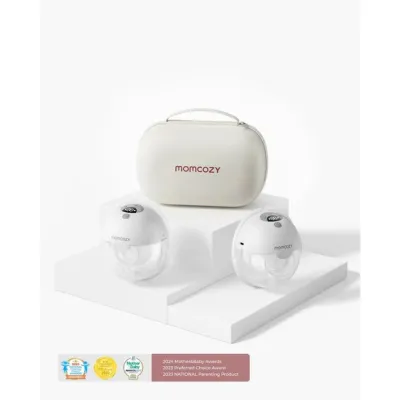
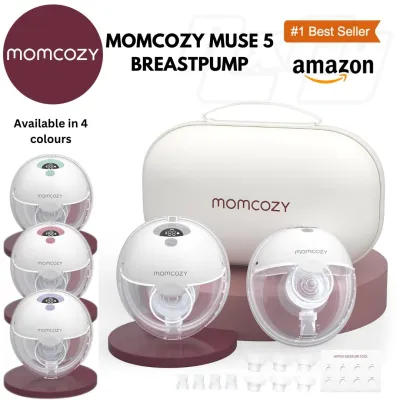
Prices are valid at publication and may change. Please refer to the product page for the latest price.
Finding your correct flange size is vital to avoid nipple friction, pain, and low milk output. To verify your size, measure the diameter of your nipple at the base before a pumping session, excluding the areola. The nipple should move freely inside the flange tunnel during pumping without rubbing against the sides, and minimal areola tissue should be drawn into the tunnel. If you experience pinching or notice your skin turning red, consult the manufacturer’s sizing guide or speak with a certified lactation consultant to find the correct flange insert size.
Positioning the pump inside your nursing bra requires a balance between security and comfort. Place the assembled pump over your breast, centering your nipple precisely within the flange tunnel. Adjust your nursing bra so that it holds the pump firmly against your breast to create a secure, leak-proof seal. However, avoid over-tightening the bra straps; excessive pressure can compress your superficial milk ducts, which restricts milk flow and can lead to painful blockages or clogged ducts.
Familiarize yourself with the control interface on top of the motor unit before you begin. The device features a simple power button, mode selection keys, and adjustment buttons to control suction intensity. It offers three distinct modes: massage mode (rapid, shallow pulses to stimulate let-down), expression mode (slower, deeper draws to empty the breast), and a mixed mode that alternates between the two. Always start your session on a low setting to let your body adjust before increasing the intensity.
Building Supply: Techniques for Maximum Output with the Momcozy Breast Pump M5
To build or maintain your milk supply, consistency and frequency are far more important than high suction levels. Pumping schedules vary depending on your baby’s age and your specific lactation goals, but a general guideline is to pump every two to three hours to mimic a newborn’s feeding patterns. Because individual physical needs differ, always consult a healthcare provider or a lactation specialist to establish a personalized pumping schedule that supports your health.

Utilizing the pump’s dual-phase system effectively stimulates the natural hormones responsible for milk release. Begin your session in massage mode for the first two to three minutes; this fast, light suction stimulates the nerve endings in the nipple, signaling your brain to release oxytocin and trigger your let-down reflex. Once you see milk dripping or flowing steadily into the collection cup, switch the device to expression mode to draw out the milk efficiently.
Adjusting the suction levels should always be guided by your comfort, never by the misconception that stronger suction yields more milk. High suction levels that cause pain or discomfort trigger adrenaline, which actively inhibits the let-down reflex and reduces your overall output. Start at level one and gradually increase the suction one step at a time until you feel a firm but comfortable pull, then leave it at that level. If you feel any pain, immediately lower the suction.
Incorporating “hands-on pumping” can significantly increase milk yield and help empty the breasts more thoroughly. While the wearable pump is running inside your bra, use your hands to gently massage the outer and upper quadrants of your breast. Apply light, sweeping pressure toward the nipple to help move milk through the ducts. This combination of external compression and active suction helps empty the milk-producing alveoli, which signals your body to produce more milk for subsequent sessions.
Pumping at Work: Discreet and Efficient Strategies
Transitioning back to a professional environment in Singapore requires careful planning to ensure your pumping sessions remain private, efficient, and stress-free. Your choice of clothing plays a major role in how easily you can use a wearable pump at the office. Opt for loose-fitting tops, wrap-around blouses, patterned shirts, or specialized pumping camisoles that accommodate the added volume of the pumps without pressing too tightly against the flanges. In warm, humid climates, lightweight and breathable fabrics will keep you comfortable throughout the workday.
Managing discretion in an office setting involves understanding the pump’s acoustic profile and planning your schedule. While the device operates quietly, the subtle hum may still be noticeable in a completely silent room. Block out dedicated times on your work calendar for pumping, and utilize designated nursing rooms or private offices where you can relax. Being stressed or rushed can hinder your let-down reflex, so try to create a calm routine by listening to music or viewing photos of your baby during your sessions.
Proper milk storage is critical, especially when commuting in tropical temperatures. According to standard food safety guidelines, freshly expressed breast milk should be placed in a refrigerator or an insulated cooler bag immediately. If your workplace does not have a shared refrigerator, or if you prefer privacy, store your milk in sterile, double-sealed breast milk bags placed inside an insulated cooler bag packed with frozen blue-ice gel packs. This setup maintains the necessary cold chain until you return home.
On busy workdays, you can adapt your pump settings to make sessions more time-efficient. If you only have fifteen to twenty minutes between meetings, start directly with a slightly higher, yet comfortable, massage setting to trigger a rapid let-down, then transition to the mixed mode. The mixed mode helps maintain a steady flow by combining stimulation and expression, helping you empty your breasts in less time without causing nipple soreness.
Nighttime Sessions: Comfort and Hands-Free Rest
Nighttime pumping is often the most challenging part of a mother’s routine, making the hands-free convenience of a wearable pump highly valuable. However, you must adhere strictly to the manufacturer’s safety guidelines regarding physical positioning. To prevent milk from flowing backward into the motor unit—which can ruin the electronics and compromise hygiene—do not pump while lying completely flat in bed. Instead, prop yourself up with pillows into a semi-reclined or upright seated position to let gravity guide the milk downward into the collection cup.
To minimize sleep disruption, keep your adjustments as simple and quiet as possible. If your model supports mobile app connectivity, use your smartphone to adjust settings and monitor the session timer. Keep your phone’s screen brightness dimmed to avoid disrupting your body’s natural melatonin production or waking a sleeping baby nearby. If adjusting the pump manually, familiarize yourself with the physical button layout during the day so you can operate the controls by touch in a darkened room.
Prioritize gentle, soothing settings during late-night or early-morning sessions. Fatigue can make your skin and nipples more sensitive to friction and suction. Using a lower suction level at night reduces the risk of nipple trauma and encourages relaxation, which is essential for a smooth milk flow when you are tired. Do not force yourself to use high expression levels when your body is resting.
Streamline your nighttime routine by setting up a dedicated bedside pumping station before you go to sleep. Keep pre-assembled, clean pump parts, a bottle of water for hydration, clean wipes, and a small, pre-chilled cooler bag right next to your bed. This preparation allows you to complete your session, store the expressed milk safely in the bedside cooler, and wipe down your skin without having to walk to the kitchen, helping you return to sleep as quickly as possible.
Cleaning, Care, and Quick Troubleshooting
Maintaining strict hygiene standards protects your baby’s developing immune system and ensures your pump operates at peak performance. After every pumping session, disassemble all parts that come into contact with breast milk, including the silicone flange, linker, valve, and collection cup. Wash these parts thoroughly in warm, soapy water using a mild, fragrance-free dishwashing liquid. Rinse them under running water to remove all soap residue, and place them on a clean, dedicated drying rack to air-dry completely. Never submerge the motor unit in water; instead, wipe the exterior with a clean, damp cloth if it becomes soiled.
Sanitizing your pump parts helps eliminate bacteria and pathogens. Follow the manufacturer’s instructions regarding temperature limits and sterilization methods, such as boiling water, steam sterilizers, or cold-water chemical sterilizing tablets. Avoid exposing the silicone parts to excessive heat for prolonged periods, as this can cause the material to warp, stretch, or degrade prematurely, directly impacting the pump’s suction capability.
If you experience operational issues, systematic troubleshooting can quickly resolve the most common problems:
- Loss of Suction: Inspect the silicone diaphragm and the duckbill valve for tiny tears, warping, or debris. Even a microscopic tear in the silicone can cause a complete loss of vacuum pressure. Ensure all parts are completely dry and fitted tightly together.
- Milk Leaking: Verify that the double-sealed flange is pressed firmly against the edge of the collection cup. Check that your nursing bra is holding the pump flat against your breast without tilting it sideways or squeezing it excessively.
- Motor Errors: Ensure the battery is fully charged using the manufacturer-provided charging cable. If the motor behaves erratically, reset the device according to the user manual.
Wearable pump consumables are subjected to constant stretching and heat during use and cleaning, meaning they must be replaced periodically. As a general rule, replace the silicone duckbill valves every one to three months, and the silicone diaphragms and flanges every three to six months, depending on how frequently you pump. Keeping a spare set of silicone parts on hand prevents unexpected disruptions to your pumping routine.
Frequently Asked Questions (FAQ)
Can I pump while lying down with the Momcozy M5?
No, you should not pump while lying completely flat on your back or side. Wearable breast pumps rely on gravity to direct the expressed milk down into the collection cup and away from the motor seal. Lying down flat can cause milk to flow backward, which may flood the motor unit, damage the electronic components, and void your warranty. To pump safely in bed, sit upright or prop yourself up with pillows to maintain a semi-reclined angle of no more than 45 degrees, ensuring the pump remains upright.
How do I know if my flange size is wrong?
You can identify an incorrect flange size by observing your comfort levels and physical changes during and after a session. Clear signs of a poor fit include persistent pain, pinching, or friction in the nipple area, your nipple rubbing tightly against the walls of the flange tunnel, or a large portion of your areola being pulled deep into the tunnel. Additionally, if you notice localized swelling, red rings around the base of your nipple, or a sudden, unexplained drop in your milk output, you should remeasure your nipple and adjust your flange or insert size accordingly.

Community discussion
Share your experience or ask a question. Comments are reviewed before publication.