
To maximize your milk output when using the Imani iBox Pro breast pump, you must focus on three core pillars: achieving an accurate flange fit, mastering the device’s dual-mode settings, and preparing your body to trigger a strong let-down reflex. Pumping is not just a mechanical task; it is a biological process that relies heavily on comfort and hormonal response. By aligning your physical preparation with the specific capabilities of your breast pump, you can optimize each session for efficiency and comfort.
Whether you are an exclusive pumper or supplementing direct nursing, understanding how to work with your pump’s technology makes a significant difference in your daily yield. The Imani iBox Pro offers a versatile system that can transition from a compact wearable setup to a more robust bedside docking station. Utilizing this flexibility correctly ensures that you are emptying your breasts thoroughly, which is the primary signal your body needs to maintain and increase milk production over time.
Preparing Your Body and Equipment for Pumping
Before you begin any pumping session, establishing a clean and organized environment is essential for both hygiene and physical relaxation. Start by washing your hands thoroughly with soap and warm water for at least twenty seconds. Cleanliness is paramount when handling breast milk and pump components, as infants have developing immune systems that require careful protection against harmful bacteria.
Products mentioned in this guide
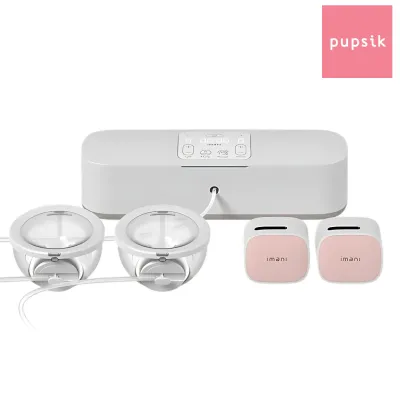
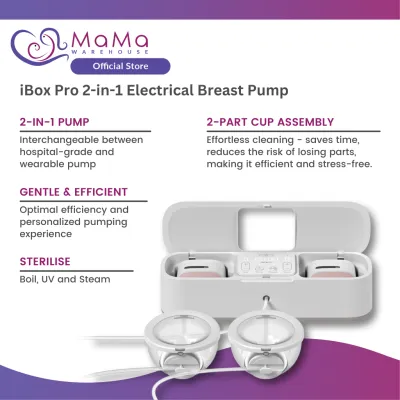
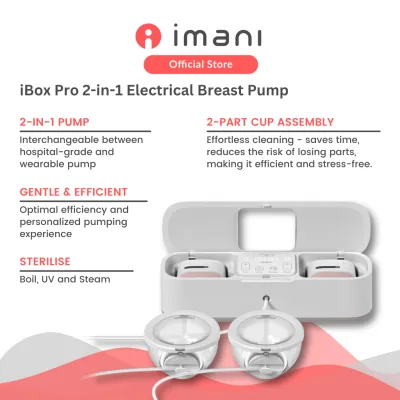

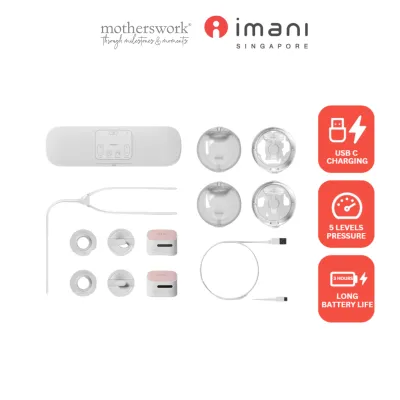
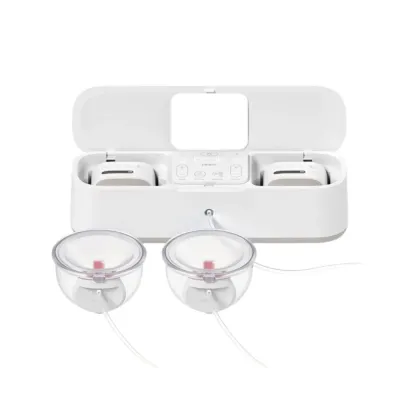
Prices are valid at publication and may change. Please refer to the product page for the latest price.
Next, prepare your physical space to encourage relaxation. The release of breast milk is governed by oxytocin, a hormone that is highly sensitive to stress, anxiety, and physical discomfort. In Singapore’s air-conditioned homes and offices, a sudden drop in temperature can cause your body to tense up, which directly hinders the let-down reflex. Consider wearing a warm shawl, sitting in a comfortable chair, and keeping a glass of water nearby to stay hydrated.
Applying a warm compress to your breasts for three to five minutes before pumping can significantly improve milk flow. The warmth dilates the blood vessels and milk ducts, making it easier for milk to move through the breast tissue. You can also perform a gentle, circular massage starting from the chest wall and moving toward the nipple to stimulate the nerve endings and prepare your body for the session.
Finally, perform a quick mechanical check of your equipment. Ensure that the Imani iBox Pro motor is sufficiently charged or connected to a stable power source. Inspect all silicone parts, including the valves, membranes, and cups, to ensure they are completely dry and free of tears or warping. Assemble the components securely according to the manufacturer’s user manual, as even a minor air leak can cause a drop in suction power and reduce your overall milk yield.
Measuring and Selecting the Right Flange Size
Using the correct flange size is one of the most critical factors in determining your pumping comfort and milk output. A flange that is too small or too large can compress your milk ducts, restrict flow, and cause painful tissue damage. To find your correct size, you must measure the diameter of your nipple base accurately before you begin pumping.

To measure your nipple, use a specialized circular sizing tool or a standard ruler. Measure only the diameter of the nipple itself, excluding the surrounding dark skin of the areola. Because nipple size can change during the postpartum period, it is wise to repeat this measurement if you experience new discomfort or a sudden drop in milk output.
Once you have your measurement, select a flange or silicone insert that is slightly larger than your nipple diameter. Typically, a proper fit allows for approximately two to three millimeters of clearance around your nipple. This extra space ensures that your nipple can move freely back and forth within the flange tunnel during suction without rubbing against the sides.
You can easily identify a poor flange fit by observing your breast tissue during a pumping session. If the flange is too small, you will feel a rubbing or pinching sensation, and your nipple may appear white, swollen, or blistered after pumping. If the flange is too large, a significant portion of your areola will be drawn into the tunnel, which can block the milk ducts beneath the skin and lead to incomplete emptying.
If you are unsure about your measurements or continue to experience discomfort, consult the manufacturer’s sizing guides or seek the assistance of a certified lactation consultant. A professional can evaluate your breast anatomy during active pumping and recommend the precise insert size to protect your tissue and optimize your milk expression.
Navigating the Imani iBox Pro Settings and Modes
The Imani iBox Pro is designed to mimic the natural sucking patterns of a healthy infant, featuring distinct modes that serve different purposes during your pumping session. Understanding how and when to use these modes is key to maximizing your output without causing physical strain.
The first mode you will encounter is the stimulation, or massage, mode. This setting utilizes fast, shallow suction cycles designed to stimulate the nerve endings in your nipple. This rapid stimulation sends a signal to your brain to release oxytocin, which contracts the tiny muscles around the milk ducts and triggers the let-down reflex. Always begin your session in this mode to encourage the initial flow of milk.
The second mode is the expression mode, which features slower, deeper suction cycles. Once your milk begins to spray or drip steadily, transition to this mode to draw out the milk efficiently. The deeper vacuum mimics the active swallowing phase of a nursing baby, allowing the pump to empty the milk reservoirs thoroughly.
When adjusting the suction levels, always follow the principle of finding your maximum comfortable suction. Start at the lowest setting and gradually increase the vacuum level step-by-step. Stop increasing the moment you feel any discomfort or pain; the ideal setting is the highest level of suction that still feels comfortable and pain-free. Pumping at excessively high suction levels does not yield more milk; instead, the resulting pain triggers adrenaline, which actively blocks the release of oxytocin and reduces your output.
You can also adjust the cycle speeds to find a rhythm that matches your body’s natural flow. If you notice that your milk flow slows down significantly mid-session, do not hesitate to switch back to stimulation mode for a few minutes. This can trigger a second or third let-down, helping you extract more milk during a single session.
Step-by-Step Pumping Routine for Optimal Yield
To establish a highly effective pumping routine, start by centering the flange carefully over your nipple. Ensure that your nipple is positioned directly in the middle of the tunnel before turning on the device. If you are using the wearable cups with the docking station, secure them within a supportive, well-fitting pumping bra that holds the cups firmly against your breast without compressing the tissue too tightly.
Turn on the Imani iBox Pro and begin in stimulation mode at a low suction level. Keep the pump in this mode for approximately two minutes, or until you observe milk starting to flow consistently into the collection cups. If your let-down takes longer to occur, maintain the stimulation mode until the milk flow is well-established.
Once the milk is flowing, switch the device to expression mode. Gradually increase the suction to your maximum comfortable level. Maintain this setting as long as the milk continues to flow steadily. If you feel the suction becoming too intense as your breasts empty, slightly decrease the level to maintain complete comfort.
To further boost your yield, incorporate hands-on pumping techniques during the expression phase. Gently compress your breast tissue using your hands, starting from the outer edges near your armpit and chest wall, and slowly massaging toward the nipple. This physical compression helps mobilize the fat-rich milk that tends to stick to the sides of the milk ducts, resulting in a higher-calorie yield and more thorough breast emptying.
Monitor your milk flow closely rather than relying strictly on a timer. While a typical session lasts between fifteen and twenty-five minutes, you should stop pumping once the milk flow slows to an occasional drip and your breasts feel soft, light, and empty. Pumping for extended periods after the milk has stopped flowing can cause nipple soreness and tissue inflammation, which can negatively impact your next session.
Post-Pumping Care and Basic Troubleshooting
Proper maintenance of your Imani iBox Pro is essential for preserving suction performance and ensuring the safety of your expressed milk. Once your session is complete, turn off the pump motor before breaking the seal against your breast. Removing the cups while the vacuum is active can cause painful stretching of the nipple tissue.
Carefully disassemble all parts that come into contact with breast milk, including the silicone cups, valves, and connectors. Wash these components in warm, soapy water using a mild dish soap, rinse them thoroughly under clean running water, and place them on a clean paper towel or drying rack to air-dry completely. Avoid using harsh chemical sanitizers or abrasive brushes that can degrade the delicate silicone parts.
If you experience a sudden drop in suction power during a session, perform a basic troubleshooting check. Inspect the silicone valves and membranes for any signs of wear, stretching, or microscopic tears. Even a tiny tear in a silicone valve can prevent the pump from creating a proper vacuum. It is highly recommended to replace these silicone consumables every one to three months, depending on your pumping frequency, to maintain optimal performance.
Additionally, ensure that no moisture has entered the tubing or the motor connections. If you suspect an electrical or mechanical issue with the pump motor, such as unusual noises or failure to power on, stop using the device immediately. Refer to the troubleshooting section of your user manual or contact the manufacturer’s customer support for professional assistance.
Frequently Asked Questions (FAQ)
How often should I pump to maintain my milk supply?
To maintain a robust milk supply, your pumping frequency should align with your specific breastfeeding goals and your baby’s developmental stage. If you are exclusively pumping, you will generally need to pump eight to ten times every twenty-four hours, including at least one session during the night, to mimic a newborn’s feeding pattern. If you are supplementing direct nursing, you may only need to pump two to three times a day. Monitor your daily output and adjust your schedule gradually, ensuring you empty your breasts consistently to signal your body to continue producing milk.
Is it normal to feel pain while using the Imani iBox Pro?
No, experiencing pain during or after a pumping session is not normal and indicates that an adjustment is needed. While you may feel a firm tugging or pulling sensation as the vacuum operates, actual pain, burning, or skin chafing is a sign of an incorrect flange size, excessive suction levels, or improper positioning. If you experience pain, stop the pump immediately, verify your flange measurements, and lower the suction settings. If the pain, swelling, or tissue damage persists despite making these adjustments, consult a healthcare provider or a certified lactation consultant for personalized guidance.

Community discussion
Share your experience or ask a question. Comments are reviewed before publication.