
Using a wearable breast pump like the Imani I2 Plus Pro can transform your breastfeeding journey by offering hands-free convenience and flexibility. To achieve comfortable and efficient milk expression, you must focus on correct assembly, proper flange sizing, and starting with gentle stimulation before transitioning to expression modes. Ensuring a secure fit within a supportive nursing bra and maintaining clean, dry components are essential steps to optimize suction and prevent discomfort. By mastering these techniques, you can integrate pumping seamlessly into your daily routine while safeguarding your physical comfort.
Preparing for Your Pumping Session
Creating a calm and relaxing physical environment is one of the most effective ways to support your body’s natural let-down reflex. Stress and discomfort can release adrenaline, which actively inhibits the hormone oxytocin responsible for milk release. In a warm or humid climate, finding a cool, air-conditioned room or a quiet corner with a comfortable chair can make a significant difference in your physical relaxation. Consider dimming the lights, playing soothing music, or keeping a glass of water nearby to help you settle into a peaceful state of mind before you begin.
Before sitting down, gather all the necessary equipment to avoid interrupting your session. You will need your fully charged pump motor, clean and dry collection cups, the appropriate size of silicone flanges, and your preferred milk storage containers or breast milk storage bags. Having a supportive, well-fitting nursing bra is also essential, as wearable pumps rely on the tension of your bra to stay securely positioned against your breast. Keep a clean cloth or some breast pads nearby to catch any stray drops of milk when you remove the pump.
Products mentioned in this guide
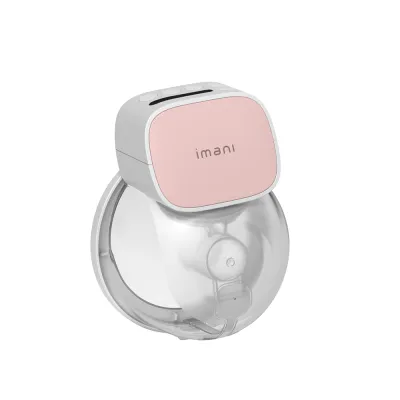
![[2Y Local Warranty] imani i2Plus Pro Breast Pump (8800051100627)](https://img.lazcdn.com/g/p/22dd87fdfe4f70cdeb879785eb932bc3.png_400x400q80.png_.webp)
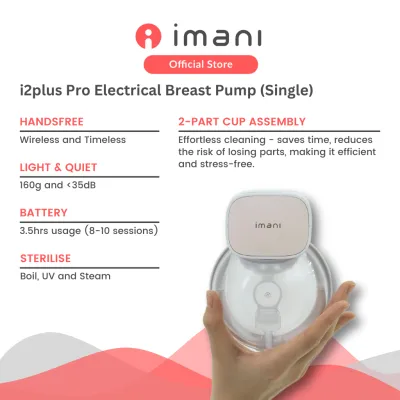
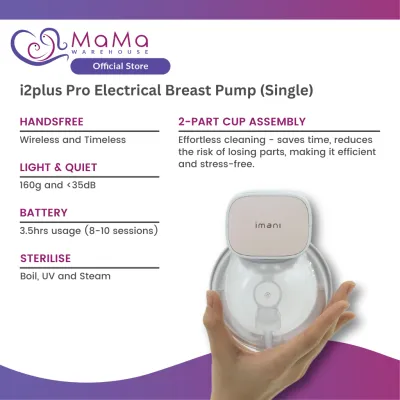
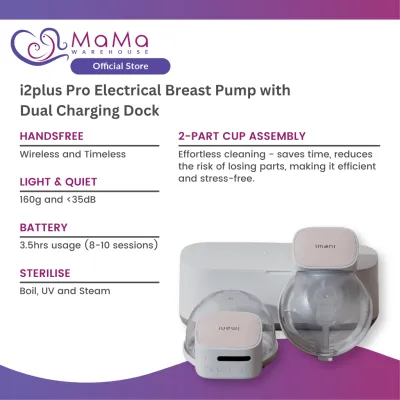
Prices are valid at publication and may change. Please refer to the product page for the latest price.
Personal hygiene is paramount when handling breast pump components to protect your baby from harmful bacteria. Always wash your hands thoroughly with soap and warm water for at least twenty seconds before touching any pump parts or your breasts. If you feel tense or notice that your breasts feel particularly firm, you can prepare them by applying a warm compress for a few minutes or performing a gentle manual massage. Stroking your breasts lightly from the chest wall toward the nipple can help stimulate nerve endings and encourage milk flow before the pump even starts.
Step-by-Step Guide to Using the Imani I2 Plus Pro
Operating a wearable breast pump involves a systematic approach to ensure safety, hygiene, and maximum milk yield. The entire process can be divided into three main phases: assembling the components, setting up the digital controls, and managing the active expression session. Each phase plays a critical role in how comfortably the pump operates and how effectively it empties your breasts.

While wearable pumps are designed for intuitive use, always consult the manufacturer’s official user manual for device-specific indicators, battery warnings, and safety guidelines. Familiarizing yourself with the specific button layout and display icons before your first session will prevent confusion and help you make quick adjustments while wearing the device.
Assembling and Fitting the Flange
Proper assembly is the foundation of consistent suction and reliable pump performance. Begin by ensuring that every single component, especially the silicone valves, protector caps, and membranes, is completely dry after cleaning. Even a small amount of moisture on these parts can compromise the vacuum seal, reduce suction strength, or allow moisture to enter the motor unit, which can cause permanent damage. Carefully press the silicone valve into the connector, ensuring it fits snugly without any gaps, and secure the cup components according to the manufacturer’s instructions.
Selecting the correct flange size is critical for preventing nipple pain and ensuring efficient milk expression. A flange that is too large or too small can restrict milk ducts, cause friction, and lead to tissue damage. To check your fit, observe your nipple’s movement inside the flange tunnel during a session; the nipple should move freely back and forth without rubbing against the sides of the tunnel. Additionally, only a minimal amount of the surrounding areola should be drawn into the tunnel. If you notice significant swelling, redness, or deep indentations on your skin, you may need to adjust your flange size.
When placing the assembled pump inside your bra, take the time to position your nipple directly in the center of the flange tunnel. Misalignment is a common cause of friction, pinching, and uneven milk expression. Lean forward slightly as you place the cup against your breast to help center the nipple, then pull your nursing bra up and secure it. The bra should hold the pump firmly against your chest to maintain a secure seal, but it should not press so tightly that it pinches your breast tissue or restricts milk flow.
Setting Up the Pump and Controls
Once the pump is securely positioned, power on the device to begin your session. It is highly recommended to start with the massage or stimulation mode, which features fast, light cycles designed to mimic a baby’s initial rapid sucks. This mode stimulates the nerve endings in the nipple and areola, sending signals to your brain to trigger the let-down reflex. Spend about two to three minutes in this mode, or wait until you see milk begin to drip or flow consistently into the collection cup, before switching to the expression mode.
When you transition to the expression mode, the pump will shift to slower, deeper suction cycles that mimic a baby’s active feeding pattern. Always adjust the suction levels based on your personal comfort rather than assuming that the highest setting will yield the most milk. High suction levels that cause pain or discomfort can actively restrict your milk flow by triggering stress hormones. Increase the suction level gradually, one step at a time, until you reach a level that feels like a firm but comfortable tug, and lower it immediately if you feel any pinching or pain.
The digital display on your pump provides real-time information about your current mode, suction level, and session timer. Pay close attention to these indicators to track your progress and find the settings that work best for your body. Many modern wearable pumps feature memory functions that automatically save your last used settings, making subsequent sessions much easier to start. Refer to your user manual to understand how to lock the buttons to prevent accidental setting changes while you are moving around.
Pumping Techniques for Optimal Output
To maximize your milk output during a hands-free pumping session, you can incorporate gentle breast compressions. While the pump is running, use your hands to gently massage and compress the outer areas of your breast, moving your fingers slowly toward the pump cup. This technique helps to stimulate milk ducts that may not be fully reached by the pump’s suction alone, encouraging more thorough emptying of the breast. Be careful not to press so hard that you break the pump’s seal against your skin.
Monitoring the duration of your pumping session is important for protecting your breast tissue from excessive wear and irritation. A typical pumping session should last between fifteen and twenty minutes per breast, and should generally not exceed thirty minutes. Pumping for too long on high suction can cause swelling, bruising, or nipple soreness. If you experience any sharp pain, pinching, or sudden discomfort at any point during the session, turn off the pump immediately and adjust the positioning or settings.
Recognizing the physical signs of a completed session will help you avoid over-pumping. You will know your session is nearing its end when the milk flow slows down to a very slow drip or stops completely, and your breasts feel significantly softer, lighter, and less full than they did before you started. Once you reach this point, turn off the power, gently break the suction seal by inserting a clean finger between your breast and the flange, and carefully remove the pump cup while keeping it upright to prevent spills.
Troubleshooting Common Comfort and Output Issues
If you experience pain, pinching, or skin irritation during or after your pumping sessions, it is important to re-evaluate your setup immediately. Start by checking your flange size and ensuring your nipple is perfectly centered in the tunnel. A bra that is fastened too tightly can also press the pump too hard against your chest, compressing the milk ducts and causing localized pain. Try loosening your bra straps or using a bra extender to relieve some of the pressure while still maintaining a secure hold on the pump.
Low suction or leaking is usually caused by assembly errors or worn-out components rather than a mechanical failure of the motor. Inspect the silicone valves and membranes carefully for any tiny tears, warping, or debris, as even a microscopic gap can cause a complete loss of vacuum pressure. Ensure that all parts are pressed firmly together and that the collection cup is fully sealed. If you notice milk leaking from the bottom of the cup, double-check that the silicone plug or pour spout is completely closed and that you are not leaning too far forward or backward during use.
A delayed or absent let-down reflex can be frustrating, but it is often resolved by taking a brief pause to relax. If you feel stressed or anxious about your milk yield, try to distract yourself by reading a book, listening to a podcast, or looking at photos of your baby. Applying a warm, damp cloth to your breasts for a few minutes before you start can also help dilate the milk ducts and encourage flow. If the current suction mode feels ineffective, try switching back to the massage mode for a few minutes to re-stimulate the nerves before attempting expression again.
Cleaning and Maintaining Your Imani I2 Plus Pro
To protect your baby’s health and ensure the longevity of your breast pump, you must establish a strict cleaning routine. Immediately after every pumping session, disassemble all parts that come into direct contact with breast milk, including the collection cups, silicone flanges, valves, and connectors. Allowing milk residue to sit on these parts can lead to the rapid growth of harmful bacteria and mold, which can contaminate future milk expressions and compromise your baby’s safety.
Wash all disassembled parts thoroughly in warm, soapy water using a mild dish soap and a clean brush dedicated solely to baby feeding items. Avoid using harsh chemical cleaners, abrasive scrubbing pads, or standard kitchen sponges, which can harbor bacteria and scratch the delicate silicone or plastic surfaces. After washing, rinse each part thoroughly under clean, running water to remove all soap residue, and place them on a dedicated, clean drying rack in a well-ventilated area to air-dry completely.
Before sterilizing your pump parts, always consult the manufacturer’s instructions to identify which specific components are safe for high-heat sterilization. While some plastic and silicone parts can withstand steam sterilization, boiling water, or UV sterilizers, excessive heat or prolonged exposure can warp or degrade certain materials over time, leading to reduced suction or poor fit. Never submerge the pump motor unit in water or place it in a sterilizer; instead, wipe the exterior of the motor with a clean, damp cloth if it becomes dirty.
Frequently Asked Questions (FAQ)
Can I use the Imani I2 Plus Pro while lying down?
No, you should not use the breast pump while lying down completely flat. Wearable breast pumps are designed to be used in an upright or slightly reclined posture to ensure that milk flows naturally down into the collection cup. Lying horizontally can cause breast milk to flow backward toward the flange tunnel, which can lead to leaking, loss of suction, or milk entering the motor housing and damaging the electronic components.
How do I know if my flange size is incorrect?
You can identify an incorrect flange size by observing your nipple and areola during a pumping session. If the flange is too large, a significant portion of your areola will be pulled into the tunnel, which can cause swelling, friction, and discomfort. If the flange is too small, your nipple will rub constantly against the sides of the tunnel, causing pain, redness, or a restricted milk flow that prevents your breasts from emptying completely.

Community discussion
Share your experience or ask a question. Comments are reviewed before publication.