
Expressing breast milk efficiently requires a combination of proper preparation, correct equipment fit, and an understanding of how your body responds to stimulation. The Hegen electric breast pump is designed to mimic a baby’s natural nursing rhythm, but achieving optimal milk expression depends heavily on how you set up and customize the device to your unique physical needs. By focusing on comfort, correct flange sizing, and systematic mode transitions, you can establish a highly effective and pain-free pumping routine.
Pumping should never be a painful or stressful chore. When you approach each session with the right techniques, you support your body’s natural lactation reflexes, protect your delicate breast tissue, and maintain a consistent milk supply for your baby.
Preparing Your Hegen Pump and Environment
Creating a calm, hygienic environment is the first essential step toward a successful pumping session. Before handling any pump components or your breasts, wash your hands thoroughly with warm water and soap for at least twenty seconds to prevent the introduction of bacteria to your milk and equipment. Find a quiet, comfortable space where you can sit upright and relax without interruptions. In Singapore’s warm climate, setting up in a cool, air-conditioned room with a glass of water nearby can significantly enhance your physical comfort and help lower your stress levels.
Products mentioned in this guide





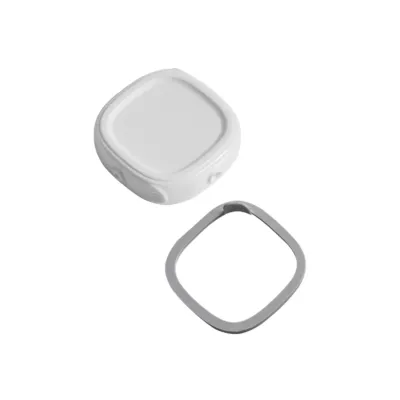
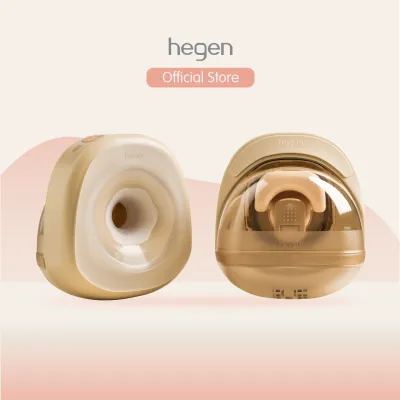
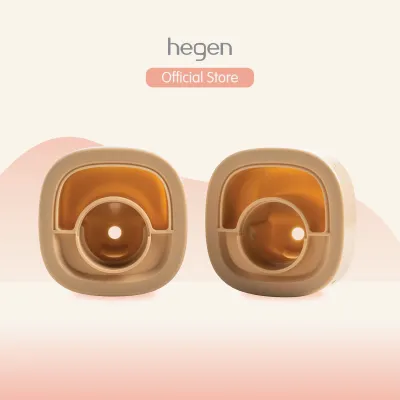
Prices are valid at publication and may change. Please refer to the product page for the latest price.
Physical relaxation is directly linked to the release of oxytocin, the hormone responsible for the let-down reflex that allows milk to flow. If you feel rushed, cold, or stressed, your body may resist releasing milk, leading to longer sessions and lower output. Consider keeping a nursing pillow, a book, or your phone nearby to help you pass the time comfortably while maintaining a relaxed posture.
Once you are settled, assemble your pump components according to the manufacturer’s instructions. The Hegen pump features an intuitive assembly design, but you must handle the silicone parts, such as the diaphragm and valves, with care. Ensure all parts are completely dry before assembly, as moisture can compromise the vacuum seal and reduce suction efficiency. Press the silicone diaphragm firmly into the collar and attach the valve securely without forcing or stretching the material, which can cause micro-tears over time.
Before starting, verify your power source to prevent any unexpected interruptions mid-session. If you are using the pump’s rechargeable battery, check the battery indicator to ensure it has sufficient charge for a full session. If you prefer to plug the unit into a wall outlet, position yourself close to the socket so the power cable is slack and not pulling on the motor unit, which could cause accidental disconnections or damage to the port.
Finding the Right Flange Size for a Secure Fit
Using the correct flange size is critical for both physical comfort and efficient milk extraction. A flange that is too small or too large can restrict milk flow, cause friction damage to your nipple, and lead to blocked milk ducts. To find your starting size, measure the diameter of your nipple at the base—excluding the areola—using a ruler or a printable sizing guide. It is best to measure before a pumping session or when your nipples are not stimulated, as stimulation can temporarily alter their size.

Once you begin pumping, closely observe how your nipple behaves inside the flange tunnel. In a correctly fitted flange, your nipple should center easily and move freely back and forth without rubbing against the plastic walls of the tunnel. You should see very little to no areola tissue being drawn into the tunnel during the suction phase. The vacuum should feel like a gentle, even pull rather than a sharp pinch or friction rub.
Recognizing the signs of an improper fit allows you to make adjustments before tissue damage occurs. If you experience persistent pain, redness, swelling, or a white ring around your nipple during or after pumping, your flange is likely the wrong size. Additionally, if you feel that your breasts are still full and heavy after a full pumping session, an incorrect flange size may be preventing your milk ducts from emptying completely. If you suspect your fit is incorrect, consult the manufacturer’s sizing guide to try a different flange size, or seek guidance from a certified lactation consultant.
Step-by-Step Pumping: Massage and Expression Modes
To begin your session, position the assembled flange directly over your breast, ensuring your nipple is perfectly centered in the tunnel. Press the flange gently but firmly against your breast tissue to create a complete, airtight seal. If there is any gap between the silicone flange and your skin, air will leak into the system, resulting in a complete loss of suction and an ineffective pumping session.
Turn on the pump motor unit. The device is designed to start automatically in the massage or let-down mode, which utilizes fast, shallow suction cycles. This rapid rhythm mimics the initial quick sucks a baby uses to stimulate the nerves in the breast and trigger the let-down reflex. Remain in this massage mode for approximately two to three minutes, or until you observe milk beginning to drip or spray steadily into the collection bottle.
Once your milk is flowing consistently, transition the pump to the expression mode. This mode features slower, deeper suction cycles that mimic a baby’s active feeding and swallowing pattern, allowing for efficient milk extraction. If your body responds well, you can let the pump run in this mode for the remainder of your session, monitoring the flow of milk as you progress.
Adjust the suction levels gradually to find your personal maximum comfortable setting. Start at a low level and increase the suction one step at a time until you feel a strong but comfortable pull, then lower it by one level. Pumping should never hurt; using excessively high suction does not increase milk output and can actually cause physical trauma and stress, which restricts milk flow. Keep the suction at a level where you feel a gentle tugging sensation without any pain.
A standard double pumping session typically lasts between fifteen and twenty minutes. Pay close attention to your milk flow patterns rather than just watching the clock; once the steady stream of milk slows down to an occasional drip, your breasts are likely sufficiently emptied, and you can end the session. Avoid pumping for more than thirty minutes at a time, as prolonged suction can irritate your skin and breast tissue.
Troubleshooting Low Output, Pain, and Suction Loss
Experiencing difficulties during a pumping session can be frustrating, but most issues can be resolved with systematic troubleshooting. If you experience a sudden drop in milk output, avoid the temptation to immediately increase the suction level to its maximum. Instead, evaluate your physical state and environment. Ensure you are well-hydrated, warm, and relaxed. Applying a warm compress to your breasts for a few minutes before you begin pumping, or performing gentle breast massage during the session, can help stimulate your milk ducts and improve flow.
If you experience pain or physical discomfort while pumping, stop the session immediately. Turn off the pump motor, break the vacuum seal by gently inserting a clean finger between your breast and the flange, and remove the breast shield. Check your nipple for signs of friction, cracks, or skin irritation. Adjust the positioning of the flange to ensure your nipple is centered, and lower the suction level when you restart. If pain persists across multiple sessions despite adjusting the fit and suction, stop using the pump and consult a healthcare professional or a lactation consultant to rule out underlying issues like infection or severe tissue trauma.
A sudden loss of suction or a weak vacuum is usually caused by a mechanical issue rather than a motor failure. Turn off the pump and inspect the silicone diaphragm and valves for any signs of wear, stretching, or tiny tears. Even a microscopic tear in a silicone valve can cause a complete loss of suction. Ensure that all components are completely dry, as moisture on the connection points or inside the valves can prevent a proper seal. Finally, check that the tubing is plugged securely into both the pump motor and the collection kit, and verify that there are no kinks or bends restricting airflow.
Cleaning and Maintaining Your Pump After Use
Proper maintenance and hygiene are essential to protect your baby from harmful bacteria and to preserve the lifespan of your breast pump. Immediately after completing your pumping session, disassemble all parts that have come into direct contact with your breast milk, including the flange, collar, silicone diaphragm, valve, and bottle. Do not leave these parts sitting with milk residue, as dried milk becomes highly difficult to clean and can harbor bacterial growth.
Wash all disassembled parts in warm, soapy water using a mild, baby-safe dishwashing liquid. Use a soft sponge or a dedicated cleaning brush to gently clean the crevices, taking care not to scrub the delicate silicone valves or diaphragms with abrasive brushes, which can easily tear or stretch them. Rinse each part thoroughly under clean, running water to remove all soap residue.
After rinsing, place all components on a clean paper towel or a dedicated drying rack in a well-ventilated area to air-dry completely. Avoid using cloth towels to dry the parts, as they can transfer lint and bacteria onto the clean surfaces. Once the parts are entirely dry, store them in a clean, covered container to protect them from dust and environmental contaminants until your next session.
Never wash, sterilize, or submerge the main pump motor unit or the silicone tubing in water, as moisture will damage the electrical components and ruin the motor. If the exterior of the motor unit becomes soiled, simply wipe it down with a clean, damp cloth or a sanitizing wipe. Regularly inspect the tubing for any signs of condensation or mold; if you detect moisture inside the tubing, run the pump with only the tubing attached for a few minutes to air-dry it, or replace the tubing according to the manufacturer’s instructions.
Frequently Asked Questions (FAQ)
Can I Pump While Lying Down or Reclining?
You should always check your specific Hegen user manual for the approved usage angles and reclining limits of your pump model. Generally, electric breast pumps require you to sit upright or lean slightly forward to allow gravity to assist the milk in flowing down from the flange into the collection bottle. Reclining too far back or lying down can cause milk to pool in the flange tunnel or flow backward into the silicone diaphragm and tubing. This backflow can compromise hygiene, contaminate the tubing, and potentially damage the pump’s motor unit.
When Should I Replace the Silicone Valves and Membranes?
Silicone components are subject to wear and tear from regular use, cleaning, and sterilization. You should perform regular visual and tactile checks on your silicone valves, diaphragms, and membranes. Look for signs of stretching, warping, discoloration, sticky residue, or tiny tears. If you notice a gradual or sudden drop in suction power that cannot be resolved by reassembling the parts, it is highly likely that the silicone components have lost their elasticity and need to be replaced. Refer to the manufacturer’s guidelines for recommended replacement intervals based on how frequently you pump.
What If My Milk Output Differs Between Breasts?
It is completely normal and common to experience asymmetrical milk production, as one breast often naturally produces more milk or has a faster let-down reflex than the other. This is a natural physiological occurrence and is not a cause for concern. You can adjust your pumping routine by spending a few extra minutes gently massaging or pumping the lower-producing side to encourage stimulation. However, always prioritize your comfort and avoid using excessively high suction on the lower-producing breast, as this can cause tissue stress and pain without increasing your milk yield.

Community discussion
Share your experience or ask a question. Comments are reviewed before publication.