
Every drop of breast milk is highly valued by nursing mothers, especially during the early weeks of breastfeeding when your milk supply is adjusting to your baby’s needs. The Haakaa silicone breast pump has become a staple in many households because of its simple, hands-free design. Unlike traditional manual or electric pumps that require active pumping, battery power, or electrical outlets, this one-piece silicone vessel relies on continuous, gentle suction to catch the let-down milk that would otherwise be lost into a breast pad on the opposite side while your baby nurses. Using this silicone collector correctly is key to maximizing your milk collection without causing discomfort or tissue damage.
Understanding the mechanics of passive milk collection can help you integrate this tool seamlessly into your nursing routine. By mastering the proper suction technique, you can easily build a freezer stash of breast milk with minimal extra effort. This guide will walk you through the preparation, application, troubleshooting, and maintenance steps required to use your silicone pump safely and effectively.
What You Need Before Using the Haakaa Pump
Before you begin, it is important to understand what the Haakaa silicone pump is and what it is not. This device is designed primarily for the passive collection of let-down milk and foremilk from one breast while your baby is actively nursing on the other. It is not an active, mechanical breast pump intended to stimulate or increase milk supply through rhythmic expression. If you require a primary device for exclusive pumping or to address supply issues, you should consult a lactation consultant to select an appropriate electric or manual pump.
Products mentioned in this guide
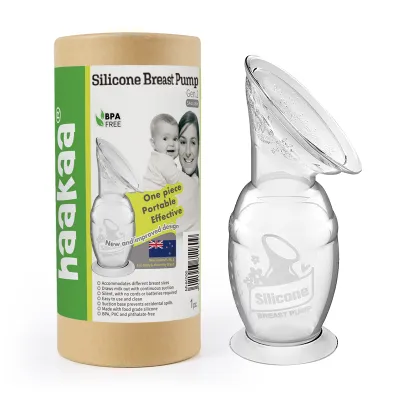
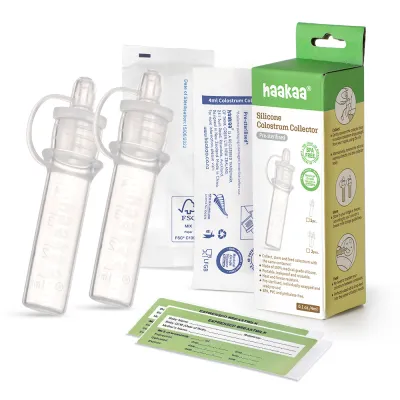
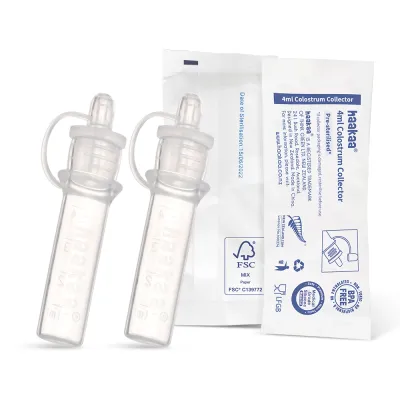
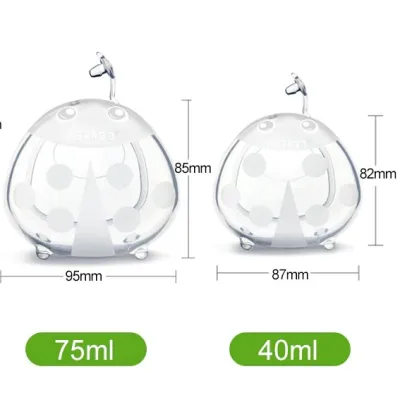
Prices are valid at publication and may change. Please refer to the product page for the latest price.
Preparation is essential for a hygienic and comfortable collection session. Start by washing your hands thoroughly with soap and water. Ensure your silicone pump has been cleaned and sterilized according to the manufacturer’s guidelines before use. Find a comfortable, well-supported seating position where you can hold your baby easily. In Singapore’s warm and humid climate, setting up in a cool, air-conditioned room or near a gentle fan can help keep you and your baby comfortable, preventing sweat from interfering with the pump’s silicone grip on your skin.
Always keep a clean burp cloth, muslin square, or small towel within arm’s reach. This is a simple but crucial step to catch any accidental drips or spills when you are attaching or removing the pump, or if your baby happens to kick the bottle during a feeding session. Having a towel nearby also allows you to quickly wipe away any excess milk or moisture from your breast or the pump flange.
Before every single use, take a moment to inspect the silicone pump closely. Check for any signs of wear, tears, cloudiness, structural degradation, or mold. Because silicone is a flexible material, any physical damage can compromise its ability to hold a secure vacuum seal. Furthermore, mold can occasionally develop in humid environments if the pump is not dried completely, posing a direct hygiene risk to your collected breast milk. If you spot any damage or discoloration, stop using the pump immediately and replace it.
Step-by-Step Guide to Creating a Vacuum Seal and Catching Milk
Attaching a silicone pump successfully relies entirely on creating a secure, comfortable vacuum seal. The physical mechanics of the pump are simple: expelling air from the silicone chamber creates a negative pressure zone, which gently coaxes milk from your milk ducts when your let-down reflex is triggered. To ensure a smooth experience, try to remain as relaxed as possible during this process, as stress or anxiety can inhibit the release of oxytocin, the hormone responsible for your let-down reflex.

Squeezing the Silicone Base
To initiate the vacuum, you must first expel the air inside the pump. Hold the silicone pump securely by the lower half of the bottle. Fold the wide flange back so that it is inverted, exposing the central neck of the pump. Squeeze the silicone body inward firmly with your fingers to push out the air.
Avoid touching the inside of the flange or the interior collection chamber during this step to maintain strict hygiene and prevent transferring bacteria from your hands to the surfaces that will contact your milk. The depth of your squeeze directly dictates the strength of the resulting suction. When you are first starting out, apply a gentle to moderate squeeze; you can always adjust to a stronger suction later once you are accustomed to the sensation.
Centering and Attaching the Flange
With the base squeezed and the flange folded back, bring the pump toward your breast. Center your nipple directly in the middle of the flange opening. It is vital that your nipple is perfectly aligned so that it does not rub against the silicone sides during collection, which can cause painful friction and skin chafing.
Once centered, press the rim of the folded flange flat and evenly against the skin of your breast. Ensure that the contact area is completely clear. Any stray fabric from your nursing bra, clothing, or disposable breast pads caught under the silicone rim will allow air to seep in, breaking the seal and causing the pump to slip off.
Releasing to Create the Vacuum
While holding the flange firmly against your breast, slowly roll the folded rim back over your breast skin and gradually release your grip on the squeezed base. As the silicone attempts to return to its original shape, it will draw your nipple gently into the neck of the pump, establishing a secure vacuum seal.
Verify the seal visually and physically. The lower silicone base should remain partially collapsed, indicating that a vacuum is maintained, and the pump should hang securely from your breast without requiring you to hold it. If the suction feels too intense, pinching, or painful, do not try to endure it. Gently press the side of the flange near your skin to let a small amount of air slip into the chamber, which will instantly reduce the vacuum pressure to a comfortable level.
Monitoring the Collection
Once the pump is securely attached, you can focus on positioning and feeding your baby on the opposite breast. While the pump is hands-free, you should still remain mindful of your movements. Avoid sudden twisting, leaning too far forward, or shifting your baby abruptly, as these actions can break the seal or cause the pump to collide with your baby’s legs.
If you need to burp your baby, change feeding positions, or if your baby is particularly active, lightly support the base of the pump with one hand to prevent it from being knocked loose. Keep an eye on the milk level inside the chamber. As the pump fills with milk, the added weight will pull downward on your breast tissue. An overfilled pump can become heavy enough to break its own suction seal, potentially leading to a massive spill. Empty the pump into a storage container if it begins to feel heavy or reaches its maximum capacity.
Troubleshooting Common Issues with Suction and Spills
Even with practice, you may occasionally encounter issues with suction loss, spills, or physical discomfort. Knowing how to troubleshoot these common situations quickly will save your collected milk and protect your skin.
- Loss of Suction during Use: If you notice the pump slowly sliding down or losing its grip, air is likely leaking past the seal. This can happen due to natural condensation, sweat, or the increasing weight of the collected milk. To resolve this, gently break the seal, pour your collected milk into a separate clean bottle or storage bag, dry your breast and the pump flange thoroughly with your clean cloth, and reattach the pump using the step-by-step suction method.
- Spills during Removal: Removing the pump incorrectly is a frequent cause of spilled milk and physical pain. Never pull the pump straight off your breast while the vacuum is active, as this can cause skin trauma and a sudden snap that flings milk everywhere. Instead, gently press your finger against your breast skin right at the edge of the flange rim. This allows air to enter the chamber, instantly breaking the vacuum. You can then safely lift the pump away upright.
- Skin Irritation or Pain: Breastfeeding and milk collection should never be painful. If you experience sharp pain, blistering, persistent redness, or skin damage, stop using the silicone pump immediately. Release the suction and remove the device. Consult a certified lactation consultant or a healthcare professional to evaluate your latch, breast health, and pump usage. Do not ignore discomfort for the sake of collecting milk.
- Inability to Form a Seal: If the silicone simply will not stick to your skin, check for external barriers. Residual moisture from a shower, sweat, or breast milk can make the skin too slippery. Similarly, body lotions, stretch mark creams, or nipple balms can prevent the silicone from gripping your skin. Thoroughly wash and dry your breast area before attempting to attach the pump.
Cleaning, Sterilizing, and Storing Your Collected Milk
Proper hygiene and milk storage are critical to protecting your baby from harmful bacteria. Because breast milk contains fats and proteins that can easily stick to silicone, establishing a consistent cleaning routine is essential.
Immediately after you finish your collection session, rinse the pump with cold water. This initial rinse prevents milk proteins from coagulating and baking onto the silicone surface. Follow this by washing the pump thoroughly in warm, soapy water using a mild dishwashing liquid. Use a soft sponge or a dedicated silicone brush to clean the inside of the bottle; avoid harsh abrasive scrubbers or stiff plastic bristle brushes, as these can create microscopic scratches in the silicone where bacteria can hide.
After washing, you must sterilize the pump regularly. Standard methods for food-grade silicone include boiling the pump in a pot of water or using a steam sterilizer. Always check the manufacturer’s label or official instructions for your specific pump model to verify the exact temperature limits and recommended sterilization durations, as excessive heat exposure can degrade the material over time. If you use a UV sterilizer, confirm that your specific silicone pump is UV-compatible, as some types of silicone can yellow or degrade more rapidly under continuous UV light exposure.
Once sterilized, place the pump on a clean, dedicated drying rack in a well-ventilated area to air-dry completely. Avoid using cloth towels or paper towels to dry the inside of the pump, as these can transfer lint, dust, or bacteria back onto the sterile surface. In highly humid environments, ensuring proper air circulation around the drying rack is particularly important to prevent moisture from lingering inside the bottle.
To store your collected milk safely, transfer it immediately from the silicone pump into a sterile breast milk storage bag or a food-grade feeding bottle. Label the container clearly with the date and time of collection. Follow standard breast milk safety guidelines for refrigeration and freezing. If you plan to combine milk collected from different sessions throughout the day, ensure that the freshly collected milk is cooled in the refrigerator before mixing it with already chilled milk.
Frequently Asked Questions (FAQ)
Can I use the Haakaa pump as my primary breast pump?
No, the Haakaa silicone pump should not be used as your primary breast pump. Because it relies on continuous, passive vacuum suction rather than an active, rhythmic pumping cycle, it does not provide the physiological stimulation required to fully empty your breasts or establish and maintain a robust milk supply. It is highly effective as a supplementary tool to catch leaking milk and let-down on the opposite breast while nursing, but for primary expression, exclusive pumping, or increasing supply, you should use an electric or manual breast pump designed for active expression.
How do I know if the suction is too strong?
Your passive milk collection session should always feel comfortable and resemble a gentle, supportive hug rather than a painful pinch. Signs that the suction is too strong include sharp or pinching pain, persistent deep redness or bruising on your breast tissue, blanching (where the nipple turns white), or a sensation of intense, uncomfortable pulling. If you experience any of these symptoms, immediately slide a clean finger under the edge of the flange to break the vacuum, and reattach the pump with a gentler squeeze to reduce the suction strength.

Community discussion
Share your experience or ask a question. Comments are reviewed before publication.